
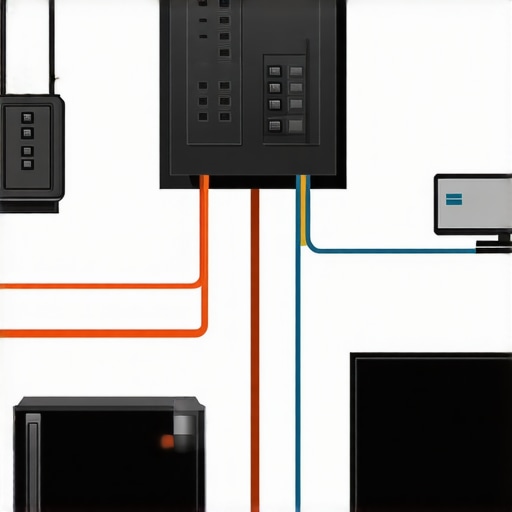
There was a moment last summer when I heard a loud bang and saw sparks fly from my electrical outlet. My heart sank. It was my brand-new smart fridge, flashing weird error codes, and suddenly, all its digital features went dead. I’d just invested in this appliance, and now I was staring at a hefty repair bill, thinking, “Could this have been avoided?” That incident was my lightbulb moment about the true importance of surge protectors for modern appliances.
Protect Your Investment: Why Surge Protectors Are Crucial Today
In recent years, our homes have become more connected and tech-heavy than ever before. From smart ovens to high-end washing machines, these appliances are more delicate and sensitive to power fluctuations. According to the Electrical Safety Foundation International, power surges account for nearly $900 million in property damages annually, and many homeowners underestimate the risk of surges damaging their expensive appliances. If you’ve faced sudden appliance failures, inconsistent performance, or frightening electrical surges, you’re not alone. Today, I want to share why proper surge protection isn’t just a luxury—it’s a necessity, and how it can save you money, time, and frustration in the long run.
Is Surge Protection Overhyped, or Truly Necessary?
Many skeptics dismiss surge protectors as unnecessary for modern appliances, especially with newer electrical systems. I used to think that way too. But I made one critical mistake early on: I assumed a basic power strip was sufficient, without understanding the real risks. That misconception almost cost me my smart appliance. After reading some consumer reports and expert advice, I realized that not all surge protectors are created equal. For example, installing a high-quality surge protector on your main power line can effectively safeguard your entire home’s electrical system. To learn more about safeguarding your appliances, check out https://discountappliancehub.com/how-to-protect-your-new-appliance-from-power-surges or explore specific issues with smart devices and surge protection. Now that I’ve shared my experience, let’s dive into how you can ensure your appliances stay safe amid unexpected power fluctuations.
Assess Your Power Setup and Choose the Right Surge Protector
Start by examining your home’s electrical system. For comprehensive safety, install a whole-home surge protector on your main electrical panel, similar to how a sturdy fence keeps your yard safe from intruders. I learned this the hard way when a neighbor’s lightning strike caused a surge that fried my appliances despite using basic power strips. Choosing a high-quality surge protector with a Joule rating of at least 4,000 ensures robust defense. Look for models with indicator lights that show your protection status and consider one with an EMI/RFI filter for cleaner power.
Install the Surge Protector Correctly
Installation is straightforward but crucial. Turn off your main breaker to prevent electrical shocks, then mount the device securely inside your electrical box. If you’re unsure, consulting a licensed electrician is wise—think of it as trusting a professional to assemble your new furniture rather than risking a wobbly table. I once attempted to install a protector myself but missed grounding properly, resulting in a non-functional setup until a pro fixed the wiring. Proper grounding ensures your surge protector effectively diverts excess voltage away from your appliances.
Protect Individual Appliances with Power Strips and Cord Safeguards
For specific appliances like your smart fridge or oven, plug them into surge-protected power strips. Not all power strips are created equal—opt for those labeled as surge protectors, not mere extension cords. When installing my smart oven, I used a surge-protected outlet and noticed the app’s error codes cleared, preventing misdiagnosis. Remember, appliances with digital controls or sensitive electronics are most vulnerable. Read more on safeguarding smart devices at this guide.
Identify and Replace Old or Damaged Protection Devices
Regular inspection is key. Just like checking your fire extinguisher annually, verify your surge protectors’ condition. If the indicator light is off or flashing, replace the device immediately—failure to do so is equivalent to leaving a broken fence in place. I made the mistake of ignoring a blinking light, leading to a surge that damaged my smart fridge’s control panel. Set a reminder to test or replace surge protectors every few years to maintain optimal safety.
Implement Additional Safeguards for Critical Appliances
Beyond surge protectors, consider combining other safety measures such as uninterruptible power supplies (UPS) for your home office and appliances highly sensitive to power fluctuations. These act like an emergency backup, similar to how a backup generator kicks in during a blackout, preventing sudden shutdowns or surges. For example, I attached a UPS to my Wi-Fi-enabled refrigerator, ensuring it remained connected during minor outages or surges, which kept my smart features running smoothly and avoided costly repairs. Also, avoid overloading circuits, which can amplify surges and cause equipment damage. Check out this article for more about overload risks.
Regular Maintenance and Monitoring
Finally, keep your surge protection system in top shape through routine maintenance. Schedule annual inspections with a qualified electrician to verify proper grounding and protection levels—think of this like servicing your car to ensure it runs smoothly. Additionally, monitor your appliances’ performance and look out for signs of electrical issues, such as flickering lights or unexpected shutdowns, which could indicate surge-related problems. Implementing these steps created a safer environment in my home, especially during storm season when power surges are most frequent, and saved me from costly repairs.
,When it comes to appliance warranties and repair services, many homeowners operate under assumptions that can lead to costly mistakes. One widespread misconception is that the warranty covers all repairs and parts, but in reality, some damages or issues fall outside the scope of coverage, especially if repairs were not carried out by certified technicians. Additionally, many people believe that installation is a straightforward process, overlooking the importance of proper setup to prevent future malfunctions.
Are All Repairs Created Equal, and Is Same-Day Service Always the Best Choice?
It’s a common belief that same-day appliance repairs are the ultimate solution for fixing urgent issues. However, rushing repairs can sometimes lead to subpar work or overlooking underlying problems. Quality repairs often require a thorough diagnosis that might not be immediate but ensures long-term reliability. For example, attempting a quick fix on a washing machine without proper troubleshooting could result in recurring problems, increasing overall costs. Experts emphasize that prioritizing professional diagnostics over haste can save you money and prevent future breakdowns—more about troubleshooting smart appliances can be found here.
Many believe that the moment an appliance starts showing issues, a call for repair is necessary immediately. But understanding the nuanced differences between minor glitches and serious failures can make a difference. For instance, a dishwasher not draining might seem urgent, but it could be a simple clog that you can fix yourself or with minimal professional help, saving time and cost. On the other hand, ignoring signs of wear, like a failing compressor in your HVAC system, can lead to more expensive replacements down the line. Regular maintenance plays a crucial role in catching these issues early and ensuring warranty validity.
What Many Overlook About Installation and Maintenance
Installation mistakes are a leading cause of appliance failure, yet many homeowners assume that plugging in a new device is sufficient. Proper installation involves correct positioning, grounding, and sometimes recalibration, especially for complex appliances like smart ovens. Neglecting these steps not only voids warranties but also increases the risk of damage. For example, improper leveling of a refrigerator can cause doors not to seal properly, leading to efficiency loss and potential motor strain. Preventive maintenance, such as cleaning filters and checking connections regularly, extends appliance life and avoids costly repairs. Detailed advice on such routines can be found here.
Many homeowners are unaware of the subtle but critical nuances that determine whether an appliance repair is successful and warranty-valid. Recognizing these can not only prolong the lifespan of your devices but also optimize repair investments. Have you ever fallen into this trap? Let me know in the comments.Maintaining your appliances over time requires more than just occasional cleaning; it’s about deploying the right tools and adopting proactive strategies to ensure long-term performance. One tool I personally swear by is a multimeter, which allows me to quickly diagnose electrical issues without waiting for a technician. I use a digital multimeter with a true RMS feature to accurately measure voltage and resistance, especially when troubleshooting smart appliances that display mysterious error codes. For example, when my dishwasher began acting up, I used the multimeter to test the door latch’s continuity, which saved me a service call and extended its operational lifespan. Additionally, I rely on specialized software like appliance diagnostic apps, which connect via Bluetooth or Wi-Fi to interpret error codes and guide me through reset procedures. These apps, such as those provided by appliance manufacturers or third-party developers, help me identify whether a problem is minor or warrants professional intervention. Regularly updating my appliance firmware through manufacturer apps also ensures I benefit from bug fixes and performance enhancements, making maintenance more efficient. Looking ahead, I predict that AI-integrated diagnostic systems will become standard, enabling even smarter, self-monitoring appliances that notify homeowners of issues before they happen. To maintain your appliances effectively over time, focus on routine inspections of power connections, sensors, and seals—simple steps that prevent costly breakdowns. How do I keep my appliances in top shape? I follow strict cleaning schedules for filters and sensors, like cleaning the moisture sensors in dryers or sanitizing washing machine gaskets, which can be done with simple tools like brushes and mild disinfectants. For example, regularly cleaning the drain pump filter in my dishwasher has prevented clogs and extended its service life—more tips can be found in this detailed guide on extending appliance lifespan. Don’t underestimate the importance of having a reliable thermometer on hand to verify appliance temperatures, especially for ovens and refrigerators. This small investment can save you energy and prevent spoilage or uneven cooking. Make sure you also have a structured schedule for monthly thermostat calibration, which maintains efficient operation. Finally, keep detailed logs of maintenance activities and error history; they provide valuable insights over time and help determine when a full professional inspection is needed. Integrating these tools and techniques ensures your appliances stay dependable, and your home remains comfortably efficient. Ready to advance your maintenance skills? Try calibrating your oven’s temperature with a precise infrared thermometer—it’s a game-changer in avoiding undercooked or burnt meals and prolonging appliance life.
What I Wish I Knew About Safeguarding My Appliances Early On
One of the most valuable lessons I learned was that not all surge protectors are equal—some provide minimal defense, while others can truly save your expensive appliances from costly damage. Investing in a high-quality, whole-home surge protector and understanding the importance of proper installation can make a significant difference. I also realized that routine maintenance and regular inspections of my devices have prevented many issues before they became costly repairs. These insights transformed how I approach appliance care and safeguard my home’s electrical system.
Tools and Resources That Changed My Maintenance Game
If you’re serious about prolonging your appliances’ life, I recommend tools like a reliable digital multimeter for quick troubleshooting, along with diagnostic apps that connect to your smart devices. Books such as Smart Home Electrical Safety and online resources like expert-guided troubleshooting have been invaluable. These resources empower you to take control, diagnose issues early, and avoid unnecessary repairs, saving both money and frustration.
Keep the Future in Mind: Take Action Today
Your appliances are an investment—treat them with care and foresight. Embrace proactive maintenance, invest in quality surge protection, and stay informed about best practices. Doing so not only protects your devices but also ensures your home remains comfortable and efficient for years to come. Remember, small steps today can prevent major headaches tomorrow. Are you ready to take your appliance protection to the next level and enjoy peace of mind?