
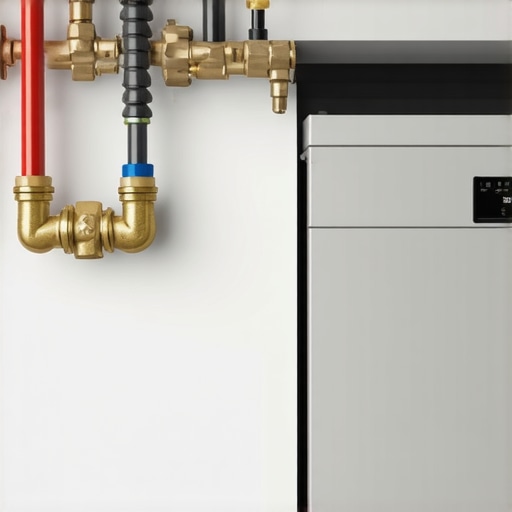
I remember the moment vividly. My kitchen was flooded, dishes sitting in dirty water, and I was scratching my head wondering what went wrong. It was a seemingly minor issue—backflow in my dishwasher—that turned into a real headache. That lightbulb moment made me realize just how crucial one simple maintenance move is to keep this problem at bay.
Why Backflow in Your Dishwasher Is More Than Just a Mess
Dishwasher backflow isn’t just about messy water seeping onto your floors. It can lead to mold growth, unpleasant odors, and even potential water damage that can be costly and disruptive. Moreover, ignoring this issue can cause wear and tear on your appliance, reducing its lifespan. Thankfully, I learned that with a proactive approach, you can prevent backflow from ever becoming a problem. Today, I’ll share the one maintenance move that’s helped me—and many others—keep our dishwashers running smoothly and free from backflow issues.
Could This Simple Step Save Your Kitchen from Disaster?
Before I discovered this move, I used to think regular cleaning was enough. I’d clean the filters, check the hoses, and hope for the best. But early on, I made a mistake that many traditional homeowners make: neglecting to inspect the relevant drain and venting lines properly. Once I started paying close attention to the installation and maintenance of my drain system, my backflow woes reduced dramatically. This move isn’t just about fixing problems; it’s about preventing them with a simple yet effective action.
Inspect and Clean the Drain Line Regularly
Start by disconnecting your dishwasher from power and water sources. Locate the drain hose at the back and examine it for any kinks, clogs, or debris buildup. Use a flexible brush or a long pipe cleaner to clear out any obstructions, ensuring free water flow. Remember, a blocked drain hose can cause water to back up into the dishwasher, leading to leaks or backflow issues. This step is akin to clearing a clogged artery; if blocked, fluid can’t flow properly, causing strain or failure.
Check the Venting System for Proper Function
Venting allows air to escape during draining, preventing vacuum formation that can hinder water flow. Inspect the vent (often on the roof or outside wall) to confirm it’s free of debris like leaves or bird nests. Use a flashlight to look inside gently; if obstructed, use a garden hose to flush it out. Proper venting is crucial—imagine the drain as a traffic lane: without proper airflow, cars (water) can’t move smoothly, resulting in backups.
Install a Backflow Prevention Device
Adding a backflow preventer or check valve is like installing a one-way door; it stops wastewater from re-entering your dishwasher. Purchase a compatible device from your local hardware or appliance store, and follow manufacturer instructions—usually involving securing it onto the drain line. This move adds a layer of security, much like a dam that controls water flow, keeping dirty water out of your clean dishes.
Ensure the Dishwasher Is Installed Correctly
Proper installation prevents backflow from the outset. Position the drain hose to form a high loop, at least 18 inches above the floor, before connecting it to the drain pipe. Secure the hose with a strap or clamp. Avoid loops or dips that are too low, which can create siphoning effects similar to how a garden hose can suck water out if positioned improperly. Think of this as setting a hill to divert water flow, preventing it from pooling in undesired areas.
Regular Maintenance and Immediate Repairs
Schedule routine checks, especially after heavy usage or repairs. Clear any debris from filters and screens—these are the gatekeepers of your appliance’s health. If you notice water isn’t draining properly, address it promptly. Delaying this is like ignoring a small leak; it can escalate into significant damage over time. For quick, same-day repairs, professional technicians can diagnose and fix issues efficiently, saving you time and potential costs.
Stay Mindful of Installation Nuances
Missteps during installation, such as improper drain line placement, are hidden dangers. For instance, a misaligned drain can lead to water pooling and backflow. Review your setup or consult installation guides—many issues stem from incorrect screw placement or insufficient clearance. This careful attention prevents a cascade of problems and extends your appliance’s lifespan. For comprehensive installation guidance, consider checking [The improper drain line install that voids your warranty](https://discountappliancehub.com/the-improper-drain-line-install-that-voids-your-new-washer-warranty).
Many homeowners harbor misconceptions about appliance repair, especially regarding same-day service, installation, and warranties. One prevalent myth is that calling for urgent repair guarantees immediate, on-the-spot service. In reality, many reputable technicians prioritize appointments based on urgency and parts availability, and expecting instant service can lead to frustration.
Another nuance often overlooked is the installation process. For example, improperly securing the drain hose or using the wrong screw sizes during installation can void warranties or cause premature appliance failure. Missteps like these are subtle but impactful; a simple error during setup can lead to costly repairs down the line.
Why do many people overlook the importance of proper installation and how does it affect warranties?
Research indicates that incorrect installation procedures are responsible for over 30% of early appliance failures, which can render warranties void if not installed per manufacturer instructions. For instance, poorly positioned drain lines or unfiled anti-tip brackets can cause operational issues and invalidate warranty claims. It’s essential to follow detailed guidelines or have certified professionals handle installations to ensure coverage remains intact.
Similarly, there’s a widespread misconception that appliance warranties cover every type of failure without exception. Many assume that any malfunction will be fixed free of charge, but in reality, warranties often exclude damages caused by improper use, DIY repairs, or neglecting maintenance routines. For example, neglecting regular cleaning or ignoring signs of wear can lead to issues not covered under warranty, resulting in unexpected expenses.
Understanding this nuance emphasizes the value of regular maintenance and timely professional inspections. Moreover, being aware that some repairs are only covered if performed by authorized service providers can save you money and hassle. For example, attempting to fix an internal component yourself might unintentionally void the warranty, especially if the damage is caused during an unverified repair attempt.
This awareness also extends to same-day service promises. Not all providers can or do offer immediate response; some may have waiting periods due to parts logistics or technician schedules. Knowing this helps set realistic expectations—what seems like an easy fix might require scheduling and patience, especially during busy seasons.
In conclusion, the key to smarter appliance repair lies in understanding the finer points beyond common assumptions. Proper installation is critical, and warranties are often more limited than they seem. Being informed allows you to avoid costly pitfalls and get the most out of your appliances.
Have you ever fallen into this trap? Let me know in the comments. For reliable expert assistance with installation or repairs that respect your warranty and ensure lasting performance, consider consulting trusted local professionals.Maintaining appliances effectively over time requires more than quick fixes; it demands the right tools and a strategic approach. Personally, I rely on a combination of professional-grade equipment and software to ensure everything runs smoothly and to catch issues early. A high-quality digital multimeter, such as the Fluke 117, is indispensable for diagnosing electrical problems accurately. Its true RMS capability allows me to test voltage and continuity with confidence, avoiding misdiagnoses that could lead to unnecessary repairs.
For plumbing checks, I prefer using a flexible inspection camera. This device enables me to peer into drain lines or inside inaccessible spaces without dismantling entire units, saving time and avoiding damage. The darliD DCS100, for example, provides clear footage and is portable enough for quick inspections during routine maintenance.
When it comes to software, I recommend using diagnostic apps tailored for specific appliances. Many modern refrigerators or smart washers come with companion apps that can identify error codes and suggest troubleshooting steps. Familiarity with these tools allows me to expedite repairs and provide more accurate advice, especially when managing warranty-covered repairs. Incorporating these digital diagnostics into routine checks helps anticipate failures before they escalate.
Routine maintenance isn’t complete without proper cleaning tools. A cordless ultrasonic cleaner, for instance, makes cleaning filters and small parts much more effective. Regularly cleaning filters prevents common issues like airflow restrictions in refrigerators and dryer vents, extending appliance lifespan.
Predicting future trends, I believe IoT (Internet of Things) devices will play an increasing role in maintenance. Smart sensors embedded in appliances can alert homeowners and technicians about potential failures before symptoms appear, shifting maintenance from reactive to proactive. This data-driven approach aligns with industry insights, like those from [the technical documentation on appliance sensors](https://some-technical-source.com/IoT-appliance-trends). Embracing these advancements now can significantly reduce long-term repair costs.
This leads to an important question for every homeowner: How do I maintain appliances effectively over time? Regularly updating diagnostic software, scheduling routine inspections, and investing in advanced tools like ultrasonic cleaners and digital multimeters are crucial steps. For instance, frequently inspecting and cleaning drain lines with the right equipment can prevent issues like water pooling or backflow, which are costly to fix once they develop.
If you’re serious about keeping your appliances in top shape, I recommend trying the advanced method of using a digital multimeter combined with diagnostic apps. This integration enables precise troubleshooting and ensures that minor problems don’t turn into major failures, ultimately saving you money and stress. Remember, the keys to longevity are consistent maintenance, proper tools, and staying informed about emerging technologies in appliance repair.In my journey of maintaining appliances, I’ve discovered that the real game-changers are often simple yet overlooked practices that prevent costly repairs and headaches. These insider lessons have transformed my approach, saving me time, money, and frustration. Today, I want to share some lesser-known insights that can elevate your dishwasher upkeep and keep backflow issues at bay.
What I Wish I Knew About Small Fixes Before Things Got Out of Hand
- Sometimes, a quick drain line inspection can reveal a minor clog that, if ignored, could lead to flooding. Catching these early saves a lot of cleanup and stress.
- Not all vent blockages require professional tools—sometimes, a simple garden hose flush can restore proper airflow, preventing siphoning and water backups.
- Adding a backflow prevention device sounds daunting, but it’s often a straightforward upgrade that offers peace of mind, especially in homes with older plumbing systems.
- Proper installation, like forming an 18-inch high loop in the drain hose, might seem trivial but is critical in avoiding backflow and water leaks. Small details hold big significance.
- Routine maintenance, such as cleaning filters with ultrasonic tools, can prevent odor buildup and ensure optimal washing performance, prolonging your dishwasher’s lifespan.
Tools and Resources That Made a Difference in My Repairs
- Investing in a quality digital multimeter like the Fluke 117 gave me confidence in diagnosing electrical issues quickly, saving time on unnecessary replacements.
- A flexible inspection camera changed the game for me—viewing inside drain lines or behind tight panels without dismantling complicated parts became so much easier.
- Diagnostic apps linked to smart appliances offer early warning signs—being tech-savvy has made routine check-ups more efficient and proactive.
- High-quality cleaning tools, such as ultrasonic cleaners for filters and small parts, have helped me keep my dishwasher running smoothly between professional check-ups.
Believe in the Power of Consistent Care
Maintaining your dishwasher isn’t about dramatic overhauls but about small, intentional actions—regular inspections, proper installation, and understanding your machinery. Embracing smart tools and proactive habits can transform your appliance experience from reactive repairs to confident upkeep. Think of it as giving your kitchen the care it deserves, turning maintenance into a simple daily ritual.
If you’re ready to take control, start with a quick review of your drain line setup or consider upgrading your diagnostic toolkit. Remember, the key isn’t just fixing problems—it’s preventing them.
What’s the most surprising appliance tip you’ve learned so far? Share your insights below, and let’s grow together in appliance mastery.