
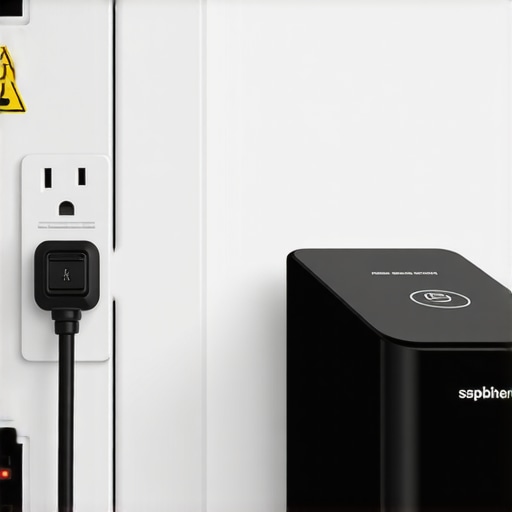
Ever had that gut-dropping moment when your brand-new dishwasher suddenly stops working just days after installation? I remember my own frustrating experience—excited to finally upgrade, only to see my shiny new fridge flicker and then go silent during a thunderstorm. It was a lightbulb moment that made me realize how vulnerable our appliances are to something as sneaky as power surges. If you’re nodding along, you’re not alone.
Today, we’re diving into a simple yet crucial topic: protecting your valuable appliances from the unpredictable menace of power surges. Trust me, a little prevention can save you hundreds, if not thousands, down the line. I’ll share practical tips I wish I’d known earlier—because nobody wants to be the person googling “appliance repair after surge” on a Sunday night.
Why Power Surges Deserve Your Attention
Power surges are brief spikes in electrical voltage that can occur for various reasons—lightning strikes, faulty wiring, or even when your neighbor switches on their heavy-duty power tools. Despite their fleeting nature, they pack enough punch to fry sensitive electronics within your appliances, leading to costly repairs or replacements. According to the Electrical Safety Foundation International, power surges are responsible for damage to over 50% of all electrical equipment in homes, making surge protection not just a luxury but a necessity.
I learned this the hard way early in my homeownership journey. A miswired outlet caused my TV to spark and die unexpectedly, prompting me to wonder what I could have done differently. That mistake—skipping the installation of quality surge protectors—cost me dearly. If only I had known about the tiny but mighty gadgets that can shield your appliances from these voltage spikes.
Before we get into the practical steps, I want to ask: Have you ever experienced a power surge damaging your appliances? If so, keep reading. We’re about to explore straightforward, effective methods to safeguard what you’ve worked hard to acquire.
Now, let’s move past the scare stories and look at how you can create a shield for your appliances—starting with the easiest, most affordable solutions you can implement today.
Install Quality Surge Protectors on Main Power Outlets
Start by plugging your main appliances into surge protectors designed for whole-home coverage. I once used a basic surge strip on my TV, thinking it was enough—until a lightning strike fried my sound system. Upgrading to a dedicated whole-house surge protector made a noticeable difference, preventing future damage. These devices act like shields, absorbing sudden voltage spikes and saving your appliances from destruction.
Use Point-of-Use Surge Protectors for Sensitive Devices
For high-value electronics like your refrigerator or dishwasher, connect them through point-of-use surge protectors with high joule ratings. Think of them as a personal force field for critical gadgets. I installed a surge protector on my refrigerator’s outlet, which is straightforward—just unplug, connect the protector, and plug back in. This step is especially vital for devices prone to voltage fluctuations due to faulty wiring or weather conditions.
Ensure Proper Grounding of Your Electrical System
Effective grounding is your home’s safety net against surges. If your electrical system isn’t properly grounded, even the best surge protector can falter. I checked my system’s grounding with a multimeter—if you’re unsure, consult a licensed electrician. Proper grounding channels excess voltage safely into the earth, much like a lightning rod, and significantly reduces the risk of appliances being damaged during electrical storms.
Regular Maintenance and Inspection of Outlets
Faulty or loose outlets can increase vulnerability to power surges. I once found a loose outlet while rearranging my kitchen—tightening the connections was a game changer. Periodically inspect outlets for damage or looseness. If you notice scorch marks or odors, consult a professional immediately. Maintaining your home’s wiring ensures that surge protection devices work effectively, and prevents unexpected failures.
Utilize Whole-House Surge Protection for Maximum Defense
Invest in a whole-house surge protection device installed at your main electrical panel. This acts like a fortress, blocking most damaging surges before they reach your appliances. When I installed one with the help of an electrician, I felt a new sense of security, knowing my entire home was better shielded—especially during thunderstorms. This preventive measure is an efficient way to safeguard all connected devices effortlessly.
Be Cautious During Power Surges—Unplug Sensitive Equipment
During a surge event, the best immediate action is to unplug essential devices. This minimizes the risk even if your surge protectors fail. I learned this the hard way when a nearby lightning storm caused a brief power spike; unplugging my laptop and smart home devices saved them from damage. Think of it as quick reflexes saving your valuable gear—sometimes, unplugging is the simplest, yet most effective, defense.
Stay Updated on Device and Appliance Maintenance
Keep your appliances well-maintained and follow manufacturer guidelines. Functions such as thermostat calibration in ovens or inspecting the drain tubes in refrigerators can prevent internal faults that exacerbate surge damage. Regularly reviewing your appliance’s upkeep can prevent situations where a surge causes cascading failures, saving you money and hassle in the long run. For example, I checked my refrigerator’s temperature controls last month, ensuring it didn’t work harder than necessary during voltage fluctuations.
By implementing these concrete measures, you can build a robust shield around your appliances, avoiding costly repairs and extending their lifespan. Remember, small consistent actions—like installing surge protectors and regular inspections—can make a big difference when unpredictable power surges strike.
Many homeowners assume that warranty coverage and quick repair services are straightforward, but there are nuanced pitfalls that can trip you up if you’re not careful. One common misconception is believing that warranties cover all types of damage, including accidental or improper use. In reality, most warranties exclude damages caused by misuse, environmental factors, or installation errors, so understanding the fine print is essential to avoid costly surprises. For example, a frequent mistake is neglecting to document proper maintenance—like regularly calibrating thermostats in ovens, which can impact warranty claims—highlighted in our post on thermostat calibration.
Another widespread misunderstanding involves installation—many believe that DIY installation is just as reliable as professional setup. However, improper installation, such as incorrect wiring or inadequate grounding, can void warranties and cause long-term damage. A notable trap is assuming that same-day service means immediate repairs, but availability doesn’t guarantee expertise. Reputable technicians often need to diagnose underlying issues—like a faulty drain pump or clogged filters—that are not always apparent during initial visits.
The danger here is rushing into repairs without verifying the technician’s credentials or understanding the scope of warranty coverage. Studies from the National Association of Home Builders indicate that improper repairs are responsible for up to 30% of appliance failures within the first year—so doing due diligence is worth it. For advanced homeowners, it’s wise to ask specific questions: Are parts replaced covered under warranty? Does the technician follow manufacturer guidelines? These questions can save you hundreds of dollars.
Be wary of the ‘quick fix’ mentality, which often overlooks deeper issues that require expert diagnosis. For example, a microwave’s erratic turning might seem like a minor problem but can stem from a faulty magnetron—something a professional check can reveal. To gear up for seamless service, keep track of your appliance’s maintenance history and ensure your service providers follow proper diagnostic procedures.
In summary, understanding the nuanced exclusions and proper procedures can make all the difference in maintaining your appliances’ longevity and warranty validity. Don’t leave repair and warranty claims to chance—educate yourself and ask the right questions. Have you ever fallen into this trap? Let me know in the comments.Maintaining your appliances over time isn’t just about occasional check-ups; it demands the right tools and methods to keep everything functioning optimally. Personally, I swear by a high-quality digital multimeter—it’s indispensable for diagnosing electrical issues, verifying grounding, and ensuring that connections are secure. For example, when troubleshooting a malfunctioning refrigerator thermostat, I use my multimeter to check the temperature sensor’s resistance, which helps determine if a replacement is necessary. This precision saves me from unnecessary part swaps and catches problems before they escalate.
Another essential item is a detailed service manual specific to each appliance model. These manuals provide step-by-step procedures, wiring diagrams, and troubleshooting tips, making repairs much more straightforward. I regularly consult manufacturer manuals for my oven and dishwasher, especially when calibrating critical components like thermostats or drain valves. They often contain manufacturer-recommended maintenance routines that prevent common failures.
On the software side, I rely on diagnostic apps and tools compatible with smart appliances. Many modern devices offer mobile apps that provide error codes and troubleshooting guides. For instance, my smart washer app displays error codes like “Pump Clogged,” allowing me to address issues proactively rather than waiting for breakdowns.
Looking ahead, I predict that the trend towards ‘smart’ maintenance will grow, with IoT devices offering real-time diagnostics and predictive analytics. This integration could notify homeowners of potential issues days before they happen, truly revolutionizing appliance care.
So, how do I keep my appliances in top shape over the years? Regularly calibrating components like thermostats in ovens is crucial. For example, proper calibration can prevent burning or undercooking—saving time and money—and is often overlooked. I recommend performing a calibration check every 6 to 12 months, following manufacturer instructions or consulting expert resources.
Here’s a quick tip: use your multimeter to verify the thermostat’s resistance after calibration. This simple step ensures your appliance maintains accurate temperatures, extending its lifespan and maintaining performance. To get detailed guidance, check out this resource on thermostat calibration: thermostat calibration best practices.
In conclusion, investing in the right tools like a multimeter, maintaining detailed manuals, and leveraging smart diagnostics can dramatically improve your appliance upkeep efforts. Don’t wait until a breakdown occurs—start incorporating these strategies today and experience longer-lasting, more reliable appliances.Throughout my journey repairing and maintaining appliances, I’ve uncovered some lessons that aren’t covered in typical guides. One of the most eye-opening insights was realizing how easily a small oversight can void your warranty—like neglecting proper grounding or skipping regular calibration. I learned the hard way that even trusted brands have nuanced rules; for example, installing a surge protector without understanding its joule rating can be a false sense of security. Another revelation was the importance of documentation; when damage occurs, having records of proper maintenance and professional installations saved me from costly disputes. Lastly, I discovered that preventive habits—like regular outlet inspections and manual checks—are invaluable, because appliances don’t always announce failures overtly. Sharing these personal lessons can help others avoid common pitfalls and get the most out of their investments.