
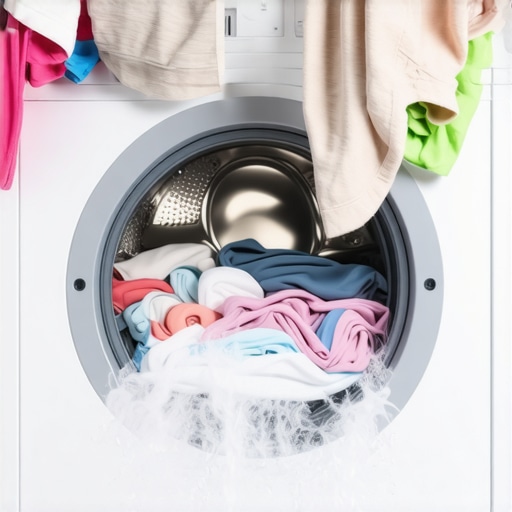
There was a morning when I opened my laundry room door to a flooded floor. Turns out, I had overloaded my washing machine again—despite knowing better. That lightbulb moment, realizing my mistake, was frustrating but also eye-opening. It made me question: are we really aware of what overloading our machines does behind the scenes?
The hidden risks of stuffing too much into your washer
Most of us think that jam-packing the drum saves time and effort, but the truth is, it could be harming your appliance—and costing you more in the long run. Overloading can cause excessive strain on vital parts, leading to premature wear or even complete failure. I learned this the hard way when my machine started emitting strange noises and eventually stopped spinning altogether. After some research, I found out that overloading can damage the suspension system and cause unbalanced loads, which can deteriorate components faster. According to appliance repair experts, consistently exceeding the recommended load capacity can reduce your washer’s lifespan significantly. Understanding error codes can help spot these issues early before costly repairs are needed. If you’ve faced similar woes or suspect your machine isn’t performing like it used to, you’re not alone. Today, I’ll share practical insights to help you avoid this common mistake and keep your washer running smoothly for years to come.
Is overloading your washer actually worth the hype?
I used to believe that cramming all my laundry in one go was efficient. However, I made a rookie mistake early on—ignoring the load capacity and packing it tight. That mistake led to unbalanced cycles and increased wear. Learning the proper load sizes and following manufacturer guidelines can make a huge difference. Want to know the simple steps to extend your appliance’s life? Keep reading, and I’ll show you how to avoid the pitfalls I encountered—and save yourself from headaches and costly replacements.
Inspect and Level Your Appliances Regularly
Start by ensuring your refrigerator, washer, or dishwasher are perfectly level. An uneven appliance can cause vibrations, leading to premature wear. When I moved into my new apartment, I noticed my dishwasher was noisy. I used a carpenter’s level and adjusted the leveling feet, which drastically reduced vibrations and noise. Use a level and tighten or adjust the feet accordingly. Remember, proper leveling also enhances appliance efficiency and longevity. For refrigerators, especially after moving, leveling your fridge is crucial to prevent door misalignment and leaks.
Clean Filters and Vents to Prevent Blockages
Clogged filters reduce efficiency and can cause overheating or damage. For example, I once neglected to clean my dishwasher’s filter, which led to poor cleaning results and eventually a spoilage odor. Remove and clean filters monthly with warm water and a brush. Also, clear vents and drainage loops, especially in dryers and washing machines, to prevent water backup or fire risk. Regular cleaning maintains proper airflow and drainage. Check out this guide for detailed filter cleaning instructions.
Test and Replace Vulnerable Components
Identify parts prone to failure, such as belts, door seals, or small plastic components. During a repair I performed, I replaced a worn gasket in my freezer, which prevented frost buildup. Use a screwdriver to access internal parts; a magnetic screwdriver is a versatile tool. Regular inspections reveal cracks, tears, or looseness. Replacing these components before complete failure avoids costly repairs. Familiarize yourself with common wear parts for your appliance model by consulting manufacturer diagrams or parts guides.
Maintain Proper Connections and Installations
Ensure water lines, electrical cords, and drainage hoses are properly connected and free of kinks. When installing my new refrigerator, I used a level to confirm it was perfectly aligned and connected the water supply securely to avoid leaks. Check water filters and valves periodically; a clogged valve can cause slow water dispenser flow, as discussed here. Also, verify that drainage hoses are Loop-free and securely attached to prevent leaks or flooding—similar to techniques detailed here.
Schedule Professional Maintenance When Needed
While many tasks are DIY, some issues require expert intervention. For example, diagnosing a faulty pump on your washer or replacing a heating element in your oven. Regular professional check-ups can catch problems early, saving money and prolonging appliance lifespan. If your appliance exhibits signs like unusual noises, recurring error codes read more here, or inconsistent performance, don’t hesitate to seek professional advice. Proper maintenance ensures your appliances stay efficient and dependable over the years.When it comes to appliance repairs, many homeowners operate under misconceptions that can cost them time and money. Everyone seems to rave about the benefits of same-day service, but in my experience, there’s a nuance many overlook: not all ‘fast’ repairs are equally reliable. A common myth is that a quick fix equals quality, but sometimes, hurried services compromise the long-term integrity of your appliances. For example, a technician rushing through a repair might skip essential diagnostics, leading to recurring issues and additional costs down the line. Understanding this can save you from a cycle of short-lived fixes.
Does Faster Always Mean Better When It Comes to Appliance Repairs?
It turns out that prioritizing speed can sometimes overshadow thoroughness. A 2021 study by Consumer Reports highlights that appliance warranties often exclude coverage if improper installation or shortcuts during repair are identified as causes of failure. This means that a service appointment claiming to be ‘same-day’ but lacking meticulous attention to detail can jeopardize your warranty coverage. Moreover, installers or repairers who rush might omit critical steps, such as leveling your refrigerator or replacing safety valves, which are vital for optimal function. Always question the technician’s process—are they just rushing through, or are they executing a comprehensive repair? A slip-up in this area could lead to unexpected breakdowns, voiding your warranty or incurring costly fixes later. For instance, improper installation of water lines can cause leaks, which often aren’t covered if deemed negligent. Be sure to verify that your service provider follows manufacturer guidelines, like checking the importance of leveling your refrigerator, to prevent future issues. Staying aware of these nuances ensures you’re not caught off guard. Remember, a meticulous repair might take a bit longer but will safeguard your appliance’s longevity and warranty. If you’re unsure about your current repair process, I recommend conducting a follow-up inspection or consulting a trusted professional. Have you ever fallen into this trap? Let me know in the comments.
Mastering Maintenance with Precision Tools
Staying proactive with your appliances requires the right equipment. I personally swear by a magnetic screwdriver when working on small screws that often get lost—like the ones in control panels or door hinges. This helps me avoid frustration and ensures I don’t strip delicate screws, especially in tight spots. For leveling your refrigerator or washing machine, a laser level provides unmatched accuracy. It’s a tool I use regularly after repositioning appliances to ensure stability, which can significantly reduce vibration-related wear. In my experience, these tools save hours of troubleshooting and prevent unnecessary repairs.
Effective Techniques for Consistent Results
One method I rely on is regularly inspecting and cleaning critical components like filters and vents. Using a small brush and compressed air, I clean the hidden filters in my washer monthly. This routine prevents buildup that could cause overheating or malfunction. Additionally, I always double-check water lines and drainage hoses for kinks or leaks—something I learned the hard way when a tiny misalignment caused water damage in my kitchen. The key is detailed, scheduled maintenance, which extends appliance lifespan and maintains efficiency.
Why Regular Maintenance Pays Off
Investing in the right tools and techniques has allowed me to perform most repairs myself, avoiding costly service calls. For instance, lubricating door seals with a silicone-based spray using a plastic applicator maintains flexibility and prevents tearing—saves money and reduces downtime. Looking ahead, I predict the trend will shift towards smart diagnostic devices that connect to smartphones, offering instant diagnostics and maintenance alerts. For now, having a multimeter is invaluable for troubleshooting electrical issues properly. Always remember to consult your manufacturer’s guidelines or expert resources—like the comprehensive screwdriver guide—before diving in to avoid damage.
How do I maintain appliance performance over time?
Begin with routine inspections, like checking levelness and cleaning filters, as these simple steps prevent bigger problems. Use appropriate tools—such as a precision screwdriver or laser level—to ensure accuracy. Keep detailed records of repairs and part replacements, which can be helpful for warranty claims and future maintenance planning. Don’t forget to document any unusual noises or performance drops and consult trusted resources to troubleshoot early. Regular professional check-ups are also wise for complex systems, especially when warranty coverage is involved. Embracing these practices ensures your appliances remain reliable and efficient long-term.
Ready to elevate your maintenance game? Try using a magnetic screwdriver for your next repair—it’s a small investment that offers big returns in convenience and precision. If you want to get even more technical, consider integrating a digital multimeter into your toolkit to troubleshoot electrical issues more effectively. Achieving long-term appliance performance doesn’t have to be complicated; it’s about consistent, informed care. Dive into these tools and techniques, and you’ll find maintenance becomes less of a chore and more of a rewarding routine.
The Unexpected Wisdom Behind Fast Fixes: What I Learned
One of my biggest mistakes was trusting quick repairs without understanding the true cause. I once had a technician come in, fix a squeaky dryer belt, and leave in less than 30 minutes. A week later, the same noise returned, costing me more time and money. This experience taught me the importance of thorough diagnostics over speed. Rushing can overlook underlying issues that, if left unchecked, lead to bigger problems down the line. Patience and asking the right questions have made a world of difference in my maintenance routine.
Tools and Resources That Transformed My Maintenance Approach
Investing in a quality magnetic screwdriver, a laser level, and a multimeter has empowered me to troubleshoot effectively. These tools have helped me identify issues early, saving costly professional visits. Additionally, following detailed repair guides and manufacturer diagrams ensures I don’t miss crucial steps or damage delicate parts. Trustworthy resources and the right equipment turn complex repairs into manageable tasks, extending the life of my appliances.
Embracing the Power of Proactive Maintenance
Scheduling regular inspections and cleaning might seem tedious, but it’s a game-changer. I make it a habit to check my filters, sanitize water lines, and level appliances every few months. Doing so prevents unexpected breakdowns and keeps everything running efficiently. This proactive approach has not only saved me money but also provided peace of mind. Sometimes, a little effort goes a long way—think of it as preventive medicine for your appliances. Remember, small habits today can avoid big expenses tomorrow.
Discover Worthwhile Resources to Keep You Ahead
Here are some tools I personally vouch for:
- Magnetic screwdriver: Essential for tiny screws and hard-to-reach spots. It prevents stripping and drops, making repairs smoother.
- Laser level: Ensures your appliances are perfectly aligned, reducing wear caused by vibrations.
- Multimeter: Critical for electrical troubleshooting, helping you pinpoint faulty wiring or sensors.
- Reliable repair guides: Trusted websites like Appliance Repair Solutions provide step-by-step instructions that match manufacturer standards.
These resources have saved me countless hours and headaches, providing confidence in my DIY repairs.
Your Next Step Toward Smarter Repairs
Taking control of appliance maintenance isn’t about becoming an expert overnight; it’s about making informed choices and investing in the right tools. Whether it’s a quick fix or a complex repair, patience and knowledge pay off. The future holds exciting innovations, like smart diagnostics, but for now, mastering basic techniques ensures your appliances serve you reliably for years. Remember, proactive care now means fewer emergencies later—so don’t wait for that unexpected breakdown to prioritize your appliance health.
Have you ever tried a DIY repair that turned out better than expected? Share your success stories or questions below—I’d love to hear how you’re taking charge of appliance maintenance!
,