
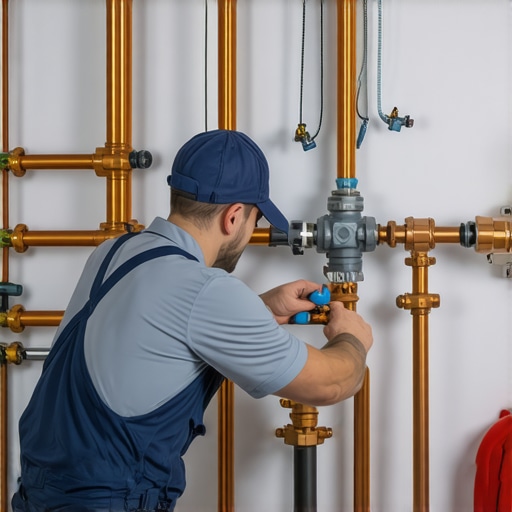
It was late on a Friday afternoon when I finally sat down after a grueling day of troubleshooting malfunctioning dishwashers and flooded laundry rooms. As I reviewed my notes, I realized something glaringly obvious that I had overlooked for years: that tiny, often ignored loop in the drain hose. It’s the kind of detail that once you miss, it can lead to repeated callbacks, water leaks, or worse—damage to the home you’d like to keep safe.
You see, every plumber knows the importance of proper drainage, but that little “forgotten” loop is the secret weapon that prevents so many common issues. Yet, I admit, I used to skim right past it, thinking it was just an unnecessary extra — until the day I was called back to fix a leaking washing machine, and I realized I had skipped this crucial step. That moment was a lightbulb for me—the kind that makes you rethink everything.
Today, I’m here to share why this tiny detail is a game changer, how to avoid common mistakes, and how to ensure your appliance installation is foolproof. Because trust me, neglecting this loop can cost you more than just water damage; it can cost you time, money, and sleepless nights.
Why the Drain Hose Loop Is the Unsung Hero of Plumbing
Have you ever wondered why some drain hoses are looped higher than others? It’s not just for looks or a random installation quirk. The bend creates a siphon break that prevents dirty water from siphoning back into your appliance. Without this feature, you risk backflow—water that’s filled with bacteria and debris—contaminating your clean clothes or dishes. This is something I learned the hard way early in my career and now always double-check in every setup.
The importance of a proper drain loop isn’t just anecdotal. According to industry standards, a high loop or an air gap is essential for preventing backflow and ensuring compliance with plumbing codes. You can read more about why your washing machine is bangin during the spin cycle, which often points to drainage issues, by visiting https://discountappliancehub.com/why-your-washing-machine-is-bangin-during-the-spin-cycle. This small installation detail is a key to peace of mind.
But I know what some of you might be thinking: “Is this really worth all the fuss?” It’s a valid question. After all, it might seem like a tiny, insignificant part of the overall plumbing setup. However, overlooking it is the #1 mistake that leads to leaks, water damage, and even warranty issues. In my experience, the simplest fix—adding or adjusting the drain hose loop—saves countless headaches down the line.
Early in my career, I failed to properly secure the hose or ensure the correct loop height. That mistake resulted in callbacks and frustrated homeowners. That’s why I always advise fellow technicians—and you homeowners—to pay close attention to this small but mighty detail. It’s the kind of step that can be the difference between a happy, trouble-free appliance and a flood mess.
Now, let’s dive into how you can get this right every single time, so you never have to worry about water backflow or unnecessary repairs again.
Secure the Drain Hose Properly
Begin by disconnecting the appliance from power and water sources to ensure safety. Locate the drain hose, usually attached at the back of the appliance, and gently pull it out for better access. Check the hose for any creases or kinks that could obstruct water flow. Use a sturdy clamp or zip tie to secure the hose to the drain pipe or standpipe, preventing slipping during operation. Think of this step as anchoring a boat securely to avoid drifting—the stability here is crucial for reliable drainage.
Create the Correct Loop Height
Position the hose to form a smooth, U-shaped loop above the water level inside the drain standpipe or sink. The optimal height is typically between 18 to 30 inches from the floor, depending on local plumbing codes. To visualize, consider it as giving the hose a gentle arch—not a sharp bend. This height ensures the siphon break, preventing dirty water from backflowing into the appliance. Remember how I once installed a washer without verifying this height? The leak that ensued was a nightmare, and it cost me precious time to fix it. That experience cemented this step in my routine.
Make a Clean and Secure Loop
Use a cable tie or a mounting clip to hold the loop firmly against the wall or the back panel of the appliance. The loop should sit neatly, with no slack that could cause it to sag or dip. A well-maintained loop not only prevents accidental dislodging but also promotes proper water flow. Visualize this as creating a smooth, safe highway for water to travel—no bumps or sharp turns that could slow or block traffic. A messy loop can lead to improper drainage and water backflow issues, which I’ve seen firsthand in malfunctioning setups.
Test Before Finalizing
Reconnect the appliance and run a short cycle to observe water flow. Ensure the water drains smoothly without spilling or backing up. Check that the loop maintains its height and position during operation. If you notice any issues, adjust the loop height or secure it more firmly. I recall once adjusting a loop after noticing water levels rising unexpectedly during a test run. A quick readjustment made all the difference, preventing future leaks and ensuring warranty compliance.
Confirm Compliance and Keep it Up
Lastly, review local plumbing codes or manufacturer instructions to confirm your loop height and installation method. Document your setup, especially if it’s a professional job, to prove proper installation when warranty claims arise. Remember, adherence to standards not only avoids voiding warranties but also saves you from costly callbacks. If ever in doubt, check trusted resources like how to prove your recent DIY maintenance didn’t void the warranty. Consistency here is key for long-term appliance health.When it comes to same-day appliance repair and installation, many assume that rapid service is a surefire sign of quality. However, in my experience as an expert technician, this isn’t always the case. Surprisingly, rushed jobs can sometimes leave critical nuances overlooked, which might void warranties or lead to recurring issues. For example, a common myth is that as long as your appliance is fixed quickly, the warranty remains intact. But the reality is that improper installation or neglecting manufacturer-specific procedures during the same-day rush can invalidate warranty coverage, causing homeowners to pay out of pocket for repairs that should be covered.
One trap to watch out for is **assuming all technicians or services are equal**. Not all providers invest the time to follow detailed diagnostic protocols, which can result in misdiagnoses or incomplete repairs. An advanced mistake I’ve seen involves skipping verification steps after repairs—like failing to properly document adjustments or test the appliance thoroughly—risks warranty claims later. According to industry experts, adherence to meticulous procedures during repair, even if it takes a little longer, significantly impacts warranty validity and appliance longevity.
Can You Expect Same-Day Service to Cover Complex Repairs?
Many believe that same-day service means the problem will be fully resolved in a single visit. But in reality, some issues require parts that might not be immediately available or technical diagnostics that demand a detailed, step-by-step approach. Quick fixes often ignore underlying causes, risking future failures or warranty denials. For instance, replacing a microwave’s internal capacitor without checking the control board for underlying issues can lead to recurring sparking or malfunctioning, which might not be covered if the repair wasn’t thorough initially.
To avoid these pitfalls, always inquire about the technician’s diagnostic process and confirm that they follow manufacturer guidelines. Skipping this vital step can lead to *hidden* disputes with warranty providers and can compromise appliance performance over time. Reviewing your appliance’s warranty policy and ensuring technicians adhere to its requirements can save you headaches later—more info on this process is available at https://discountappliancehub.com/how-to-prove-your-recent-diy-maintenance-didnt-void-the-warranty.
Another nuance often missed is the importance of proper documentation during repairs. Detailed records, including photos and written reports, are essential for warranty claims. Without this, even well-executed repairs can be challenged, especially if issues arise soon after service. And remember, a quick fix that doesn’t address the root cause is often a false economy. For example, a dishwasher that’s left with improperly secured mounting brackets may operate temporarily but could cause long-term damage or warranty problems.
While same-day service provides convenience, it requires an informed approach. Don’t fall into the trap of equating speed with quality. Instead, prioritize technicians who are thorough, follow manufacturer instructions, and document their work meticulously. Doing so ensures your appliance enjoys optimal performance and that your warranty remains valid. Have you ever fallen into this trap? Let me know in the comments.Maintaining appliances over time requires more than just routine checks; it demands precision tools and strategic methods that ensure longevity and optimal performance. One of my top tools is a high-quality digital multimeter, specifically the Fluke 117, because its accurate readings help me quickly identify electrical issues without guesswork. I also rely heavily on ultrasonic leak detectors when inspecting refrigeration systems, as they can pinpoint slow refrigerant leaks that might otherwise go unnoticed, preventing costly repairs and preserving warranty coverage. Additionally, a fiber optic inspection scope proves invaluable for examining hard-to-reach components like heater elements or circuit boards, allowing me to diagnose internal faults without unnecessary disassembly.
Beyond hardware, software diagnostics play a crucial role. I use professional diagnostic apps tailored to specific brands, which have databases of common fault codes and repair procedures, streamlining troubleshooting process. These tools keep my repair process swift and precise, saving both time and money for clients.
Looking into the future, I predict that AI-powered diagnostic systems will become standard, enabling even more rapid and accurate troubleshooting based on pattern recognition. Such advancements will further reduce diagnostic time, minimize errors, and improve warranty compliance.
How do I maintain appliances over time without losing effectiveness?
A key method I swear by is establishing a regular maintenance schedule that includes cleaning filters, inspecting hoses, and updating software firmware when applicable. For example, routinely cleaning the condenser coils of refrigerators with a coil brush prevents motor strain and energy wastage, extending the appliance’s life. I also recommend keeping detailed maintenance logs, which prove especially useful when dealing with warranty claims or service history reviews, aligning with best practices outlined in industry standards.
Commitment to proactive maintenance not only guards against unexpected breakdowns but also ensures appliances perform at peak efficiency, saving energy and avoiding costly repairs down the line. Remember, small, consistent actions—like verifying the integrity of power cords or checking for unusual noises—can significantly extend your appliances’ lifespan.
If you’re interested in stepping up your maintenance game, try integrating ultrasonic leak detection into your routine inspections. This technology can catch refrigerant leaks early, safeguarding your system’s health and compliance with warranty requirements. For more advanced tips on safeguarding your appliances, visit https://discountappliancehub.com/why-your-washing-machine-is-bangin-during-the-spin-cycle.
What I Finally Realized About No-Hurry Repairs
Rushing through appliance repairs might seem efficient, but my biggest lessons came when I slowed down and paid attention to the little details, especially during same-day service jobs. I learned that taking the extra moment to verify each step ensures warranty compliance and prevents future callbacks, saving everyone time and money.
Tools and Resources That Transformed My Approach
Over years, I’ve curated a toolkit that includes a Fluke 117 multimeter for precise electrical diagnostics, ultrasonic leak detectors for refrigerant issues, and detailed manufacturer service manuals. These tools help me deliver quality work quickly without compromising the warranty or the appliance’s longevity. Trusting these trusted resources means you’re always prepared for the unexpected.
Embracing the Long View in Appliance Care
Fast repairs are tempting, but I’ve found that thorough diagnostics and following manufacturer procedures—especially during same-day visits—build long-term trust. It’s about balancing speed with accuracy, ensuring each repair adds value, and that warranties stay intact. Remember, a quick fix might save time today, but a proper fix safeguards your appliance’s future.
Are You Ready to Rethink Your Repair Routine?
Now, I challenge you to look at your appliance maintenance and repair practices. Are you skipping steps for speed, or are you investing in quality? Share your experiences below—I’d love to hear how focusing on details has changed your approach to appliance care.