

It happened on a stressful Saturday when I finally got around to reinstalling my refrigerator after a recent move. I pushed it back into place, plugged it in, and immediately noticed something was off. The door seal wasn’t sealing properly, and the fridge wasn’t cooling as it should. That lightbulb moment made me realize — I forgot one crucial step. I had neglected to level the appliance. Suddenly, I was knee-deep in troubleshooting, and I wished I’d known sooner how vital that simple step really is.
Why Leveling Your Refrigerator Can Save You From Costly Repairs
Most folks overlook the importance of proper leveling when installing a refrigerator. But in reality, this small task can prevent a host of issues, from door misalignment and excessive noise to more severe problems like compressor failure. When a fridge isn’t level, door gaskets don’t seal correctly, leading to air leaks, increased energy bills, and even frost buildup inside the appliance. I learned this the hard way, and I’d bet others have too. Anecdotal evidence suggests that improper leveling accounts for many common complaints—like uneven cooling or strange vibrations—that sometimes result in expensive repairs. According to appliance experts, ensuring your fridge is perfectly level is one of the simplest yet most effective ways to extend its lifespan and keep it running smoothly.
Is It Really That Important? My Early Mistake
Looking back, my first attempt at moving my fridge was a rookie mistake. I didn’t bother with a level—assuming just pushing it into place was enough. It wasn’t. This oversight nearly cost me a new compressor. Reflecting on that, I realize that taking the extra five minutes to level the appliance could have saved me a lot of headache and money. And, if you’re like me, you might be skeptical about whether something so simple can make such a difference. That’s why I want to walk you through the process of leveling your fridge properly, backed by real-world experience and solid advice from professionals. For instance, did you know that improper leveling can even cause water to leak from ice makers or push the compressor to work overtime, risking early burnout? You can read more about this issue in our detailed guide on refrigerator maintenance.
Ready to stop problems before they start? Let’s dive into how to make sure your fridge sits perfectly and functions at its best.
Preparing for the Leveling Process
Start by unplugging your refrigerator to ensure safety while working. Clear the area around your appliance, removing any obstacles that might hinder access to the leveling feet. Next, gather a reliable spirit level or a digital leveling tool—these are your best friends in achieving perfect balance. Remember, this step is crucial; a misaligned fridge can lead to inefficient cooling and increased energy bills.
Positioning and Initial Checks
Gently move the refrigerator away from the wall if possible, giving yourself room to access the leveling legs. Check the current tilt by placing the level on top of the door or inside the fridge to see if it’s leaning forward, backward, or sideways. An unlevel fridge can cause door gaskets to seal improperly or even cause doors to swing open unexpectedly, leading to spoilage or leaks. During my recent DIY project, I used a simple carpenter’s level on the top edge of my fridge, which revealed a slight tilt forward—something I had previously overlooked.
Adjusting the Leveling Feet
Locate the adjustable leveling legs at the front and sometimes the back of the appliance. Using a wrench or the specific screwdriver recommended by your refrigerator’s manual—often a specific screwdriver found here—turn the feet clockwise to raise the fridge or counterclockwise to lower it. Think of these feet as tiny jacks—like adjusting the height on a table to prevent wobbling. Carefully make small turns, then recheck your level after each adjustment. It’s a bit like tuning a musical instrument: patience ensures harmony.
Rechecking and Fine-Tuning
Place the level on the top again, or inside the fridge if necessary, and verify the tilt is correct. The goal is for the refrigerator to sit with a slight tilt backward—about 1/4 inch—to ensure doors close automatically without sagging, but not so much that it affects cooling performance. Remember that this isn’t a one-and-done task; you may need to readjust the feet multiple times. During my last adjustment, I found that tightening the front legs slightly more improved the door seal and reduced vibrations, which also helped my refrigerator operate more quietly.
Final Stabilization and Testing
Once satisfied with the level, ensure the legs are securely tightened and the fridge is stable. Push the appliance gently to check for wobbling—if it moves, revisit your adjustments. Now, reconnect the power and listen for any unusual noises or vibrations. Close the doors and observe whether they seal properly. Proper leveling can prevent frost buildup inside the freezer and reduce energy consumption, just like making sure your bed is perfectly made prevents restless sleep.
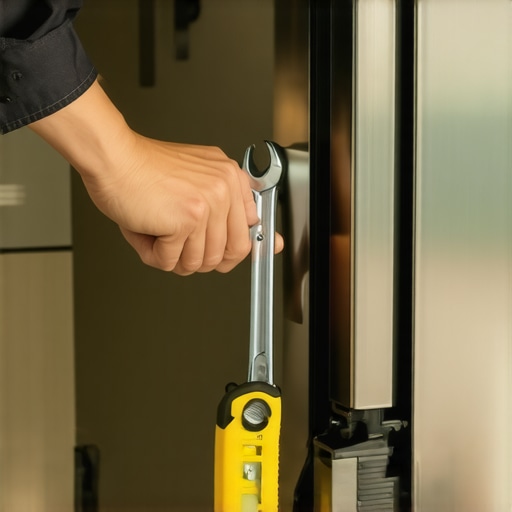
Use a spirit level placed on top of the refrigerator to check its tilt; adjust the feet accordingly for even leveling.
Many homeowners operate under misconceptions about appliance repair, installation, warranties, and same-day service. While it’s tempting to believe in quick fixes or feel confident with DIY solutions, the reality is often more nuanced. One prevalent myth is that all repairs are straightforward and that warranties cover every issue—however, many warranties exclude accidental damage or improper installation, leading consumers to false conclusions about coverage. According to industry experts, understanding the fine print can save you from costly disappointment and unintended voids in your warranty.
Another common mistake involves assuming that appliance replacement is always faster and cheaper than repair. But in many cases, a timely repair, especially when guided by an experienced technician, preserves your appliance’s lifespan and cost savings in the long run. For example, neglecting minor issues like gasket wear can escalate into major failures, such as compressor burnout, which is far more expensive to fix. Regular maintenance and understanding how components work together—like the simple drain pump in dishwashers—can prevent downtime and extend your appliance’s life.
**How do you know if a repair is worth it or if a service provider is trustworthy?** This question is critical for advanced users who seek optimal performance and value. I recommend researching the technician’s experience level, verifying their licensing and reviews, and understanding the scope of their service warranty. Remember: a reputable repair person will explain what they’re fixing and why, helping you learn about hidden issues that could cause future failure.
Be cautious of the trap many fall into: relying solely on same-day services because they seem convenient. While quick repairs are useful, they may overlook underlying problems if not thoroughly diagnosed—leading to recurring issues. For instance, a rushed installation of a microwave turntable may seem fixed, but if the belt isn’t aligned properly, it will keep jerking, significantly shortening the appliance’s lifespan. Check out our guide on why your microwave is jerking for more details.
Understanding the details behind warranty exclusions and repair nuances empowers you to make informed decisions. Don’t be tempted by shiny promises—invest a little time researching the components, service reviews, and common pitfalls. For example, improper level adjustments can cause unnecessary wear on your fridge’s compressor, which in turn can be costly to replace. Learning the subtle signs of faulty installation prevents many headaches before they start.
Finally, remember that proactive maintenance can obviate many repair needs. Regularly cleaning filters, checking door seals, or inspecting water lines can prevent failures and costly breakdowns. For instance, a simple gasket wipe can prevent freezer frost buildup, saving energy and preventing ice damage. Check out our post on stopping freezer frost for more insights.
Have you ever fallen into this trap? Let me know in the comments. Awareness of these hidden nuances saves you money and stress, ensuring your appliances serve you well for years to come.
Investing in Quality Tools Makes a Difference
When it comes to maintaining your appliances, having the right tools at hand is critical for ensuring long-term performance and safety. I personally recommend a high-quality precision screwdriver set, specifically one with magnetic tips and a variety of Phillips and flathead bits. This choice allows you to tackle a wide range of repair tasks, from replacing door seals to adjusting leveling legs, without risking stripped screws or tool slippage.
Additionally, a digital multimeter is invaluable for diagnosing electrical issues in appliances. I trust the Fluke multimeter for its accuracy and durability, which helps me verify components like thermostats and sensors before replacing them. For delicate or hard-to-reach areas, a flexible inspection mirror paired with a bright LED flashlight ensures I don’t misshidden problems behind panels or beneath appliances.
Adopting Smart Maintenance Methods
Beyond tools, adopting specific maintenance techniques can extend your appliance’s lifespan significantly. Regularly checking door seals for cracks and dirt buildup—using the simple gasket cleaning method—prevents cold air leaks that cause increased energy bills and frost buildup. I make it a routine to inspect and clean these seals monthly, which has kept my freezer running efficiently and avoided unexpected defrost cycles.
Another crucial practice involves verifying the calibration of internal components, such as thermostats and sensors. Using a reliable digital thermometer, I compare the actual temperature to the appliance’s display, ensuring it’s within the optimal range. If discrepancies are detected, a quick recalibration following the manufacturer’s instructions can save you from premature component failure.
How do I keep my appliances running smoothly over time?
Implementing a scheduled maintenance plan is vital. This includes routine cleaning of filters, inspecting water lines for leaks, and checking for loose screws or panels. For example, a minor gasket wipe as discussed in our gasket maintenance guide can prevent frost issues and improve cooling efficiency, which ultimately saves money and prolongs the life of your refrigerator.
As technology advances, more appliances now incorporate smart diagnostics. I suggest leveraging these features whenever available—many models can send fault codes directly to your smartphone or app. This allows for proactive maintenance and eliminates the guesswork, reducing repair costs and downtime.
Finally, keep a detailed maintenance log including dates, parts replaced, and issues encountered. This historical data becomes invaluable when troubleshooting recurring problems or discussing warranty coverage with technicians. Remember, staying ahead with regular checks and utilizing the right tools can make all the difference in keeping your appliances reliable for years to come.
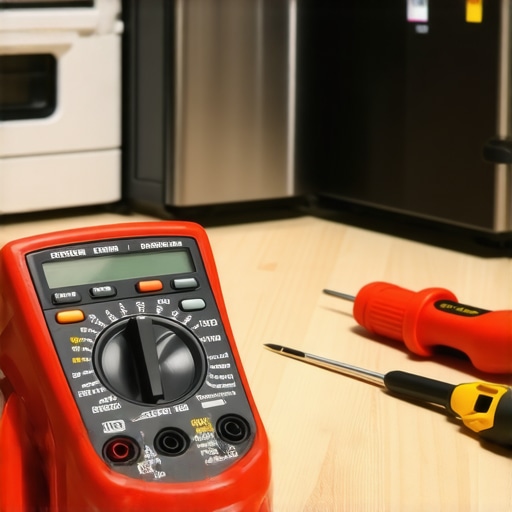
High-quality digital multimeter and precision screwdriver set sitting on a workbench with appliances in the background—tools designed for DIY repairs.
Keep experimenting with these advanced techniques and tools—your appliances will thank you with long, trouble-free service. For instance, regularly verifying sensor calibration, as recommended in industry expert guidelines, can significantly prevent unexpected failures and optimize performance.
The Hidden Cost of Overlooking Small Details
One of the most valuable lessons I learned was that seemingly minor steps, like leveling your refrigerator, can make a world of difference. Ignoring these may lead to recurring issues, costing you more in repairs and energy bills. Trust me, investing time upfront saves headaches later.
Why I Now Swear by Professional Consultations
Initially, I believed DIY was the way to go. But after a few missteps—like improperly installing a water line—I realized expert advice can prevent costly mistakes. Reading reviews and asking questions before choosing a service can dramatically improve your repair experience.
The Power of the Right Tools in Your Toolbox
Having quality tools like a high-precision screwdriver and a reliable multimeter transformed my approach. They not only made repairs easier but also boosted my confidence. Check out trusted brands and resources—your future self will thank you.
Embracing Routine Maintenance As a Mindset
Cleaning seals and checking internal components became almost meditative for me. Routine checks ward off bigger problems and extend appliance lifespan. Incorporate simple habits, like gasket wiping, into your schedule, and notice the difference over time.
Your Turn to Try
If you’re ready to take control of your appliance care, start small. From leveling to tool selection, every step counts in preventing emergencies. Remember, knowledge turns DIY from a gamble into a rewarding journey—so go ahead and give it a shot!