
Have you ever opened your freezer, only to be greeted by a thick layer of frost that seems to have taken over overnight? I remember the first time I faced this icy invasion—my frozen foods were getting buried under chunks of ice, and I couldn’t figure out how it all happened so fast. At first, I thought it was a malfunction, maybe a broken thermostat or an inefficient defrost cycle. But after digging deeper, I realized the culprit was something surprisingly simple—yet often overlooked: the gasket.
Many of us don’t give a second thought to this rubber seal around the door, assuming it’s just for keeping the cold in or out. But in reality, it plays a crucial role in maintaining your freezer’s efficiency and preventing frost buildup. When the gasket isn’t sealing properly, warm air sneaks in every time you open the door, leading to excess moisture and, eventually, the frost that can make your freezer less effective and more energy-consuming.
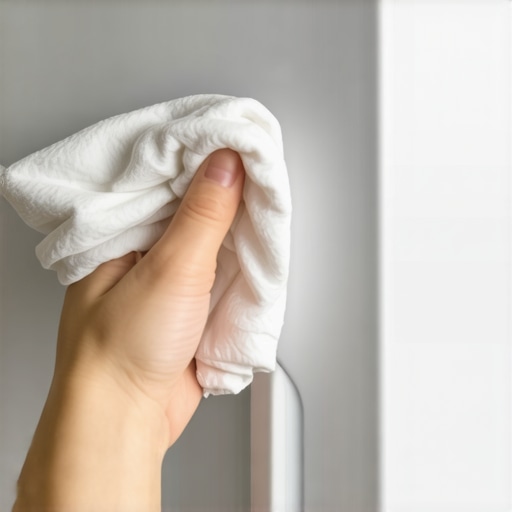
Today, we’re going to explore a straightforward yet game-changing solution: the simple gasket wipe. Yes, a quick, regular cleaning of this rubber seal can save you hours of defrosting and reduce your energy bills. I’ll share the step-by-step method I use, which has kept my freezer frost-free for months now, and trust me, it’s easier than you think.
Why a Dirty Gasket Causes Frost and How a Wipe Can Stop It
Imagine the gasket as your freezer’s first line of defense against warm air. When dirt, grime, or food residue accumulate on it, the seal can become compromised. This allows moisture-laden air to enter every time the door is opened, and that’s what turns into frost and ice over time. It’s like leaving the door slightly ajar—unintentional but deadly for frost buildup.
Early in my own experience, I made a common mistake—ignoring the gasket entirely or just giving it a quick wipe with a damp cloth without paying attention to its condition. Turns out, a worn or sticky gasket needs a thorough cleaning. Regular maintenance can make a huge difference. If you want to avoid the hassle of manual defrosting and keep your freezer running efficiently, paying attention to this rubber seal is a smart move.
Wiping it down isn’t just about cleanliness; it’s about making sure your gasket maintains that tight seal. For a more detailed guide on maintaining your appliances and avoiding common issues, check out how to prevent water leaks in dishwashers or how to clear clogged drain hoses—small steps that save big headaches. But for today, let’s focus on this simple gasket trick that can save your freezer from freezing over.
Have you ever faced persistent frost issues that just wouldn’t go away? If so, this gasket wipe might be just what you need to turn things around. Stay tuned—I’ll walk you through the essential steps to keep your freezer frost-free and energy-efficient, starting with how to identify a gasket in need of cleaning.
Get Your Supplies Ready
Begin by gathering a few simple items: a mild dish soap, warm water, a soft cloth or sponge, and a toothbrush or small brush. Having these ready ensures a quick, organized cleaning process.
Remember to disconnect the power
For safety, unplug your freezer before starting. Think of this as turning off the main to prevent electrical shocks—it’s a vital first step to protect yourself during cleaning.
Inspect the Gasket’s Condition
Open the freezer door and carefully examine the rubber seal around the perimeter. Look for cracks, tears, or areas that feel sticky or grimy. In my experience, noticing a sticky or torn gasket means you might need to replace it soon, but cleaning can often restore a lot of its sealant power.
Clean the Gasket Thoroughly
Mix a small amount of mild soap with warm water. Dip your cloth or sponge into the solution, then gently wipe along the entire gasket, paying close attention to edges and folds. Use a toothbrush to scrub in tight corners where dirt or grime tends to hide. Think of it like cleaning a car’s door seals—precision and patience make all the difference.
Pay special attention to the folds
Folds can trap mold and debris. Carefully scrape out any debris with the toothbrush, being cautious not to damage the rubber. I once spent extra minutes here, and it paid off with a noticeably better seal afterward.
Rinse and Dry
Wipe down the gasket again with a clean, damp cloth to remove soap residue. Then, dry thoroughly with a towel. Ensuring the gasket is dry prevents mold growth and helps it re-adapt to sealing tightly.
Test the Seal
After reassembling the components and plugging the freezer back in, close the door and gently try to pull it open. A good gasket should create a slight resistance, sealing tightly without being impossible to open. If the door feels loose or you notice frost still forming, consider replacing the gasket.
Maintain Regularly to Prevent Frost Buildup
Make it a habit to clean the gasket every 3-6 months. Just like checking your drain hose loop, routine maintenance prevents bigger issues down the line. A clean gasket keeps warm air out and frost away, saving energy and reducing manual defrosting chores.
 Many homeowners believe that appliance warranties are a foolproof safety net against unexpected breakdowns, but this misconception can lead to costly mistakes. The common myth is that warranty coverage automatically extends to all repair costs and that contractors are always reliable or unbiased. In reality, understanding the fine print and the nuances of service agreements can save you from surprises. For example, some warranties only cover specific parts or exclude certain conditions, like improper installation or user damage, which many overlook. As an expert, I’ve seen clients bemused when a seemingly straightforward repair is denied coverage because of a missed clause.
Additionally, many assume that professional installation guarantees long-term appliance performance, but without proper maintenance, even the best setup can falter. For example, incorrect drain loop installation—often overlooked—can lead to frequent drainage issues, voiding your warranty unexpectedly. You can check out detailed guidance on such installation pitfalls and how to avoid them.
A critical area where novices err involves repair timing and service quality. Many think same-day service is universally available, but the truth is, scheduling constraints, parts availability, or contractor expertise can delay repairs or lead to subpar work. Investing in authorized or highly-rated technicians ensures quality and maintains warranty validity. Beware of the trap where quick fixes by unqualified helpers seem tempting but can void your warranty or cause further damage.
A lesser-known nuance involves understanding the warranty’s scope concerning parts versus labor. Some warranties cover only parts replacement but not the labor, leading to unexpected out-of-pocket expenses. Being aware of this helps plan better. For example, high-end dishwashers may require specialized salt replacements to prevent longer-term damage—skipping this maintenance can sometimes void warranty coverage, an issue often misunderstood.
Moreover, Advanced repair mistakes often stem from neglecting detailed troubleshooting protocols. Modern appliances include smart diagnostics, but many service providers ignore these signals, leading to ineffective repairs. A valuable tip is to always ask for diagnostic reports or detailed invoices that specify the problem source, ensuring the repair addresses the root cause. This aligns with expert recommendations on precise troubleshooting: for example, a faulty thermostat in an oven can cause inconsistent temperatures, yet many technicians misdiagnose it, leading to repeat calls and wasted money.
Critical to these issues is the awareness that warranties are legal documents with specific requirements. Ignoring manufacturer instructions or failing to document repairs thoroughly can jeopardize your rights. For example, keeping records of all service calls and parts used can help validate warranty claims later.
In summary, the key to truly benefiting from warranty and repair services is to read the fine print, choose qualified technicians, and stay informed about the appliance’s specific needs. Don’t fall into the trap of assuming everything is straightforward—because the devil is in the details. Want to avoid common pitfalls? Dive deeper into related topics such as the right drain hose loop or proper dryer vent installation by visiting our blog. Have you ever fallen into this trap? Let me know in the comments.
Invest in Quality Tools for Long-Term Performance
Having the right equipment is essential for effective appliance care. I personally rely on a high-quality cordless screwdriver with a precision chrome bit set; this combo allows me to quickly disassemble and reassemble parts without damaging sensitive components. Investing in a digital multimeter grants accurate readings of electrical current and resistance, which is critical when troubleshooting issues like faulty thermostats or sensor errors. Remember, using inexpensive or generic tools can lead to stripped screws or incorrect diagnostics, ultimately costing more in the long run.
Mastering Diagnostic Software for Appliance Issues
Modern appliances often come with smart diagnostic capabilities. I utilize manufacturer-specific apps that connect via Wi-Fi or Bluetooth, providing real-time error logs and troubleshooting suggestions. For example, Samsung’s Smart Internet app helps quickly identify issues with refrigerators or washers, saving time and preventing unnecessary parts replacements. These tools are becoming more affordable and user-friendly, and embracing them is a smart move for both DIY enthusiasts and professional technicians.
The Power of Routine Maintenance Checks
Regular inspections can extend the lifespan of your appliances. I recommend setting quarterly reminders to examine critical components—like door seals, filters, and venting systems. For instance, maintaining the drain loop in dishwashers by checking for and removing blockages prevents issues like water leaks and poor cleaning results. A tip I swear by is cleaning the filter screens located inside hoses; this simple step can improve efficiency and reduce the risk of breakdowns. For detailed guidance, check out how to manage your drain hose properly.
Embracing Advanced Tools for Better Outcomes
As technology advances, tools like infrared temperature guns help identify uneven cooling or heating problems in appliances. I use an infrared thermometer to check the precise temperature around seals and vents, so I can spot issues before they escalate. Looking ahead, I predict that smart diagnostic devices and AI-powered troubleshooting apps will become standard, making appliance repair more accessible and reliable for everyone.
How do I maintain my appliance tools over time?
To keep tools like multimeters and screwdrivers in top shape, I store them in a dedicated, dry toolbox and periodically calibrate digital devices following manufacturer instructions. Proper storage prevents damage, and regular calibration ensures accuracy. Well-maintained tools lead to more precise diagnoses, saving you time and money.
Now that you understand the importance of quality tools and routine checks, I encourage you to try upgrading your diagnostic setup. For example, integrating an infrared temperature gun can reveal unseen leaks or hot spots that compromise appliance performance. Remember, investing in your tools today can prevent costly repairs tomorrow. Want to delve deeper? Explore how proper vent maintenance can boost energy efficiency and longevity.
What I Wish I’d Known About Warranties Early On
One of my biggest lightbulb moments was discovering how crucial thoroughly reading the fine print in appliance warranties truly is. I once assumed that a warranty covered everything, only to find later that many repairs, especially those requiring specialist parts or labor, weren’t included. This taught me to document all service interactions and to understand exactly what my coverage entailed, which saved me money and disappointment in the long run.
Another lesson was realizing that warranties often have strict requirements about installation and maintenance routines. For example, neglecting proper drain loop configuration can void warranty coverage unexpectedly. Learning to adhere to manufacturer guidelines—like ensuring your drain hose loop is correctly installed—can make all the difference when dealing with warranty claims or troubleshooting issues.
Lastly, I’ve come to appreciate that prompt, qualified repairs help preserve warranty validity. Temporary fixes from unverified technicians might seem convenient but can cause more damage and complicate warranty coverage. Investing in reputable, authorized service providers ensures both peace of mind and longevity for your appliances.
My Arsenal of Trusted Tools and How They Make a Difference
Having the right set of tools has revolutionized how I approach appliance repair. My cordless screwdriver with a precision chrome bit set allows quick disassembly without damaging sensitive parts. I swear by a digital multimeter, which provides accurate diagnostics—an invaluable asset for testing thermostats or sensors. Trust me, using quality tools prevents further damage and gives you confidence in your repairs.
When troubleshooting issues like uneven heating or unexpected cycling, I rely on infrared temperature guns to spot hidden problems early. These tools, combined with detailed diagnostic apps from manufacturers, have made DIY repairs highly effective. For example, being able to quickly identify a faulty thermostat in my oven using these devices saved me hours and unnecessary replacements.
To keep my toolkit in top shape, I store everything in a dedicated, dry toolbox and perform regular calibrations. Properly maintained tools ensure precise diagnostics, reducing guesswork and costly mistakes. If you’re serious about taking control of your appliance maintenance, investing in these tools is a game changer.
Stepping Into the Future of Appliance Care
The landscape of appliance repair and maintenance is rapidly evolving, with smart diagnostic devices and AI-powered troubleshooting on the horizon. These innovations will make it easier for homeowners and technicians alike to identify issues quickly and accurately. Embracing technology now can save you time, money, and frustration in the long run.
For instance, integrating an infrared temperature gun or smart diagnostic apps into your routine can preempt major breakdowns. As these tools become more accessible, becoming familiar with their use today positions you for smoother, more reliable appliance care tomorrow. Think of it as investing in your skillset to stay ahead of problems—because when your appliances run efficiently, everyone benefits.
What I Hope You’ll Take From This Journey
One of the most valuable lessons I’ve learned is that proactive maintenance and informed decisions prevent most appliance headaches. Whether it’s a simple gasket wipe or understanding warranty nuances, these small steps make a significant difference. Remember, you don’t have to be an expert—just being attentive and investing in the right tools can turn you into your own best appliance advocate.
So, I invite you to take action today: review your warranties, check your tools, and be proactive with routine maintenance. Doing so will help keep your appliances running smoothly and save you valuable time and money down the line. And if you’re eager to deepen your knowledge, exploring topics like preventing dishwasher rack corrosion or gasket maintenance tips can provide further assurance and mastery in appliance care.