
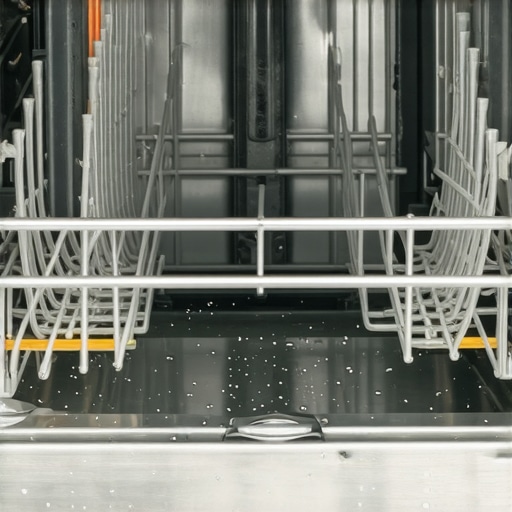
I remember the moment vividly—loading my dishwasher, happy to finally tackle that mountain of dirty dishes, only to notice rust spots creeping up on the racks. It was like a punch to the gut. I thought, “Did I do something wrong? Is my brand-new dishwasher already giving out?” That lightbulb moment prompted me to dig deeper, transforming my frustration into a determined quest for answers.
How Rust Sneaks Into Your Dishwasher Racks and Why It’s a Major Headache
Dishwasher racks are exposed to water, detergent, and regular wear-and-tear—perfect conditions for rust if you’re not careful. But why do some racks start rusting so quickly, even in new appliances? It turns out, many homeowners overlook the importance of proper maintenance and the quality of materials used. Cheap or poorly coated racks can develop rust spots within just a few months, leading to uneven loading, damage to your dishes, and the costly need for replacement. Trust me; I learned this the hard way.
If rust gets a foothold, it can quickly spread and cause further deterioration. The good news? There are simple, effective ways to prevent this. For example, checking if your dishwasher’s water hardness level is compatible with your appliance’s specifications can make a huge difference. Hard water can accelerate metal corrosion, but adjusting your water softener settings can protect your racks and extend their lifespan. Curious? You can find out more about this critical setting here.
Is Rust Prevention Overhyped or Worth the Effort?
Early in my own journey, I made a rookie mistake—ignoring my dishwasher’s maintenance routine, thinking it’s just a rinse-and-repeat kind of job. That little oversight cost me more than I’d like to admit, as rust started to appear earlier than expected. Like any appliance-related issue, the key is understanding that prevention doesn’t have to be complicated or expensive. A little knowledge and regular check-ups can save you from unnecessary expenses and a headache down the line.
Have you faced the same problem with rusty dishwasher racks? If so, stay tuned. In the next section, I’ll guide you through practical steps to protect your racks and make your dishwasher last longer, saving you money and frustration. Let’s turn that rust nightmare into a thing of the past.
Inspect and Replace Damaged Racks Promptly
Regularly examine your dishwasher racks for signs of rust or coating damage, especially in high-use areas. During a routine cleaning, I noticed a small rust spot on my top rack. To prevent it from spreading, I removed the rack and applied a rust-inhibiting spray designed for appliance parts. If rust is extensive or on the structural metal, consider replacing the rack with an OEM part. Visiting a reputable appliance parts supplier or your manufacturer’s website ensures compatibility and durability. Remember, cheap aftermarket racks might seem tempting but often lack the protective coatings necessary to resist rust over time.
Adjust Water Softener Settings to Combat Hard Water Damage
Hard water accelerates rust formation on metal components. To set your water softener correctly, first test your water’s hardness using a test strip or kit. Then, consult your appliance’s manual or the link here to find the optimal softening level. I once adjusted my system from medium to soft, which significantly reduced mineral deposits on my dishes and slowed rack corrosion. Making these adjustments is straightforward: typically, you’ll set the softener to a specific grain capacity based on your water test results. Proper softening preserves your racks and extends the lifespan of all dishwasher components.
Use Protective Measures and Maintain Regular Cleaning Routines
Apply a thin layer of appliance-safe corrosion inhibitor or a household petroleum jelly on racks prone to rust. This creates a barrier against water and oxygen. After coating my racks, I ran a hot cycle to distribute the protector. Additionally, keep the dishwasher clean by regularly running a descaling cycle with vinegar or dishwasher cleaner, especially if you notice mineral buildup. Regular maintenance prevents rust from taking hold in the first place.
Avoid Harsh Detergents and High Temperatures
Choose gentle, high-quality dishwasher detergents that do not contain harsh chemicals or abrasives, as these can strip protective coatings. Also, avoid running the dishwasher at excessively high temperatures unless necessary; high heat can weaken coatings and promote rust formation. Instead, opt for a sanitized cycle at a moderate temperature. In my experience, switching to a eco-friendly detergent and using eco mode reduced wear on my racks, keeping rust at bay. For further insights into appliance longevity, explore this advice.
Schedule Professional Inspections for Long-Term Peace of Mind
Annual or semi-annual inspections by appliance repair professionals can catch early signs of rust or other issues. During my last appointment, the technician examined my dishwasher’s racks, identified minor coating deterioration, and applied a professional-grade rust-resistant sealant. These inspections are also an opportunity to verify water hardness levels, filters, and other vulnerable parts. Routine check-ups save money by preventing costly repairs or premature replacements and ensure your dishwasher runs smoothly for years to come.
Many homeowners assume that appliance warranties guarantee coverage for all kinds of issues, but the truth is more nuanced than most realize. For instance, a common misconception is that simply registering your product ensures you’re protected; however, if installation errors or neglecting maintenance requirements occur, your warranty might be voided. Experts emphasize the importance of understanding the fine print—some warranties exclude damage caused by improper installation or failure to follow maintenance protocols. According to appliance repair specialists, many claim repairs fail because owners overlook specific conditions, leading to rejected claims and unexpected costs. Furthermore, there’s a widespread myth that same-day service always means immediate, on-site repairs, but in reality, providers often prioritize cases based on urgency, parts availability, and technician schedules, making quick turnarounds less predictable. Avoid falling into these traps by thoroughly reviewing warranty terms and understanding service limitations prior to scheduling repairs. Additionally, many misjudge the complexity of professional installation, which can impact device longevity and warranty validity. For example, improper leveling or incorrect power connections are common pitfalls that invalidate coverage, despite many assuming installation is a simple task. It’s crucial to verify that technicians follow manufacturer guidelines—skipping these steps may not only cause premature failure but also void your warranty. To prevent costly mistakes, consult professional resources or directly contact your appliance’s manufacturer about installation and maintenance requirements. Remember, neglecting these details can significantly diminish your protection and increase repair costs later. Want to ensure you’re covered properly? Always double-check the terms of your extended warranties and ensure that installation and maintenance are compliant—it’s a small step that saves big trouble. Have you ever fallen into this trap? Let me know in the comments.Maintaining your appliances over time requires more than just routine cleaning; it involves using the right tools and adopting systematic approaches that ensure longevity and reliable operation. One of my go-to devices is a digital multimeter, which I use to check power continuity and voltage levels in appliances like dishwashers and refrigerators. This tool helps me diagnose electrical issues quickly, saving time and preventing unnecessary repairs. I also highly recommend a high-quality ultrasonic cleaner for small parts, such as water inlet valves or pump assemblies, which can accumulate mineral deposits over time. Using ultrasonic cleaning periodically can restore component performance and extend their lifespan.
In addition to physical tools, staying current with industry-specific software aids in predictive maintenance. For example, I utilize appliance diagnostic apps that interpret error codes from compatible modern appliances, enabling me to pinpoint issues faster. These apps often integrate with smart diagnostic tools compatible with Wi-Fi-enabled units, giving real-time feedback and reducing service calls. As appliance technology advances, adopting digital diagnostics will become even more crucial.
Looking ahead, I believe the trend toward smart diagnostics and IoT integration will shape maintenance practices significantly. Appliances will increasingly alert homeowners or technicians about potential failures before they happen, allowing for scheduled preventive care rather than reactive repairs.
How do I maintain appliance performance over time?
One effective method is implementing regular ‘health checks’ using torque wrenches and calibration tools—especially for appliances like ovens and washing machines where tension and calibration are critical. Ensuring that doors, seals, and moving parts are properly aligned prevents issues that can cause inefficiency or breakdowns. For example, routinely verifying door seal integrity prevents leaks and reduces strain on compressors or motors, contributing to long-term reliability. Resources such as professional calibration kits or OEM-specific diagnostic tools are invaluable for precise adjustment.
Don’t forget the importance of keeping detailed maintenance logs. Documenting repairs, part replacements, and calibration dates helps identify patterns that could indicate emerging problems. This long-term data accumulation empowers more accurate troubleshooting and creates a foundation for predictive upkeep. Combining these practices with your regular maintenance routines will optimize performance and safeguard your appliance investments.
If you haven’t yet, try investing in a multimeter and some calibration devices suited for your most-used appliances. These tools provide immediate insights and help you stay proactive, potentially avoiding costly repairs down the line. For instance, calibrating your stove’s temperature sensors annually can prevent uneven cooking and extend the lifespan of heating elements. Remember, a little investment in proper diagnostics and preventive care today pays off through improved efficiency and durability tomorrow. For advanced maintenance tips and trusted tools, visit the detailed guides here, and start taking control of your appliance health today.
What I Wish I Knew When I Started Fixing My Dishwasher
The biggest lesson I learned is that preventing rust on dishwasher racks is a game-changer. Investing in proper maintenance routines, like adjusting water softness levels and applying protective coatings, saved me hundreds in replacements. Additionally, understanding that DIY fixes have their limits taught me to rely on professionals when rust or damage becomes extensive, ensuring my appliance stays in top shape longer.
Another insight was how small adjustments, such as setting the right water hardness and avoiding harsh detergents, can dramatically delay rust formation. It’s almost like a secret weapon for appliance longevity, which most homeowners overlook. If you want to keep rust at bay, these proactive steps are worth the effort.
A Toolbox of My Trusted Resources for Appliance Care
First, I swear by a good digital multimeter—it helps me troubleshoot electrical issues swiftly. Then there’s the ultrasonic cleaner I use to refresh small components like inlet valves, and it’s a lifesaver. For understanding water hardness, I consult water testing kits that give accurate readings—knowing your water profile is essential. Lastly, professional diagnostic apps have been invaluable; they interpret error codes and guide me through repairs effectively. These tools collectively boost my confidence and keep my dishwasher—and my wallet—healthy.
Take Charge and Keep Your Appliance Running Smoothly
Remember, a little knowledge and regular maintenance are your best allies against rust and premature wear. Don’t wait for visible damage to act—be proactive, stay informed, and seek professional help when needed. Your dishwasher’s lifespan depends on the care you give today. Ready to take the reins? Share your stories or ask questions below—let’s keep those appliances humming longer!