
Have you ever pulled out a batch of cookies, only to realize they were undercooked or burned on the edges? I used to think my oven was just unpredictable—until I had that lightbulb moment that changed my baking game altogether. One day, I decided to finally check whether my oven’s temperature was actually correct, and what I uncovered was a revelation that transformed my baking experience.
The Hidden Issue Behind Your Baking Disasters
If you’re like me, you may assume that your oven’s internal temperature matches what you set on the dial. But the truth is, many ovens aren’t as accurate as we think. Over time, they can drift several degrees off, leading to inconsistent results. This means that your perfectly planned chocolate cake could turn out dense or dry, simply because the oven wasn’t heating properly. According to the Food Network, many home ovens can be off by as much as 20 degrees without any obvious signs—an easily overlooked detail that sabotages your baking.
Earlier in my baking journey, I made the mistake of assuming my oven was fine because it seemed to heat. It wasn’t until I used an oven thermometer—something I wish I had started doing sooner—that I realized my oven’s actual temperature was far from what the dial indicated. That mistake taught me a valuable lesson in trusting instruments rather than assumptions, which is why I encourage every home cook to verify their oven’s temperature with a simple, reliable tool.
Is Calibrating Worth the Hassle?
I used to think calibration was complicated or unnecessary, but the reality is, a quick calibration can save you hours of frustration. Think about it: if you bake regularly, an accurate oven means fewer burnt batches, perfect rise, and more consistent results. Plus, it’s an affordable fix that can extend your appliance’s lifespan. I’ll show you how to do it step-by-step, so you can enjoy baking like a pro without replacing your oven prematurely. Ready to take control of your baking results? Let’s get started with understanding how your oven’s temperature really works and how to make sure it’s dialed in correctly.
Prepare Your Tools and Workspace
Start by gathering a reliable oven thermometer, which is essential for accurate readings. Place the oven rack in the middle position to ensure consistent temperature distribution. Clear your workspace around the oven to access the controls easily and prevent accidents during calibration.
Identify the Calibration Method for Your Oven
Check your oven’s user manual or manufacturer’s website to determine if it allows manual temperature calibration. Many modern ovens have a calibration setting accessible via control panel menus. If your oven lacks this feature, you may need to adjust the calibration using external methods or consider professional service.
Set the Oven to a Known Temperature
Preheat your oven to 350°F (177°C), a common baseline for calibration. Allow the oven to fully preheat—give it at least 15-20 minutes—and then insert the oven thermometer in the center of the middle rack. Avoid opening the door unnecessarily to maintain temperature stability.
Note Your Temperature Reading
After 10-15 minutes, check the thermometer reading. If it matches the set temperature, your oven is properly calibrated. If not, note the deviation—say, 10°F below or above the target. This discrepancy indicates whether you need to adjust the oven’s calibration setting or seek professional repair.
Adjust the Oven Calibration
Consult your oven’s manual for specific calibration procedures. Typically, you can enter the control panel’s calibration mode—often by pressing and holding certain buttons. Adjust the temperature up or down in small increments, usually 5°F or 10°F, based on the deviation noted earlier. For example, if your oven reads 340°F while set to 350°F, adjust the calibration by +10°F.
Confirm the Adjustment
After making the adjustment, re-preheat the oven to 350°F and recheck with the thermometer after 15 minutes. Repeat the process if necessary until the oven’s internal temperature aligns with the target. Keep a log of your calibration adjustments for future reference.
Address Persistent Discrepancies
If repeated calibration attempts don’t yield accurate temperatures, your oven may have a malfunction or sensor issue. At this point, consider contacting a professional appliance repair technician. Look for a same-day service provider with good reviews—an expert can diagnose and fix any underlying problems, ensuring your oven heats correctly and saves your baking efforts.
Knowing how to calibrate your oven empowers you to produce consistent, perfectly baked goods. Remember, even small deviations can cause big differences in your baking results—so take the time to verify and adjust regularly, especially after major appliance repairs or power surges. For more related troubleshooting tips, visit this guide on resetting your oven after a power surge.
When it comes to appliance installation, same-day service, or warranties, many homeowners operate under misconceptions that can lead to costly mistakes. One common myth is that once an appliance is installed, it’s set for years without issues; in reality, proper setup—like correct electrical grounding and ventilation—is critical to prevent future breakdowns. Many assume that scheduling same-day service means an expert will arrive prepared with all necessary tools, but often, technicians face unexpected hurdles due to incomplete diagnostics or overlooked details, highlighting the importance of thorough pre-service assessments. Regarding warranties, a widespread misunderstanding is that they cover everything; however, many warranties exclude issues caused by improper installation or accidental damage, which homeowners can unknowingly invalidate by neglecting proper care or skip reading the fine print. Let’s dig deeper into a lesser-known aspect: the nuance behind scheduling repairs or service calls. While rapid response promises convenience, it can sometimes lead to superficial fixes, leaving underlying problems unaddressed, ultimately causing recurring issues and additional costs. An advanced mistake homeowners make is assuming that warranty claims are straightforward; in truth, they often require meticulous documentation and adherence to maintenance schedules, which many overlook. Experts emphasize that understanding these nuances ensures long-term appliance reliability and informs smarter decisions—like verifying that service providers are certified or that warranties are genuinely comprehensive. According to a 2022 Consumer Reports survey, nearly 40% of appliance failures stem from incorrect installation practices or neglecting maintenance guidelines, underscoring the importance of knowledge in prevention. Have you ever fallen into this trap? Let me know in the comments. Remember, being aware of these subtle details can save you time, money, and frustration, so stay vigilant and informed about your appliance care.
Invest in Quality Diagnostic Tools for Peace of Mind
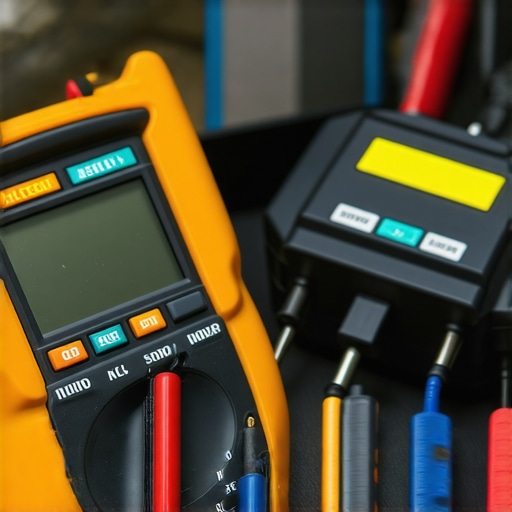
As someone deeply immersed in appliance care, I can’t emphasize enough the value of having precise diagnostic equipment. A high-quality digital multimeter, for example, has become my go-to tool for checking voltage and continuity. I personally use the Fluke 117, renowned for its accuracy and durability. This device helps me quickly identify faulty thermal fuses or broken heating elements in ovens and dryers, saving time and preventing unnecessary parts replacement. For more complex systems, I rely on an advanced appliance-specific diagnostic scanner like the Amprobe AM-570, which connects via Bluetooth to analyze smart appliance errors in real-time.
Streamline Maintenance with Professional-Grade Software
Keeping appliances running smoothly over years involves more than just tools; it requires reliable software solutions. I recommend the Home Appliance Expert app, which provides detailed repair guides, calibration routines, and firmware update alerts. This software ensures you’re following manufacturer standards, like those outlined in the official Frigidaire repair manual, which is instrumental in calibration procedures for their models. Regular software updates keep your diagnostic abilities current, supporting long-term appliance health and minimizing downtime.
Scheduled Checks and Preventive Care
Performing routine inspections and cleanings extends your appliance’s lifespan significantly. I set quarterly reminders on my digital calendar to check water filters, clean lint traps, and inspect door seals. For refrigerator maintenance, I focus on keeping door gaskets clean and ensuring the correct temperature settings, which is detailed in this guide on faulty door seals. Consistent attention prevents issues like leaks or cooling failures, ultimately saving costly repairs.
How do I maintain appliances over time without breaking the bank?
To ensure your appliances keep working efficiently, invest in proper tools and routine maintenance. Use calibrated multimeters to diagnose electrical issues accurately, and employ software programs to track maintenance schedules and updates. Regular cleaning routines, like checking filters or door seals, prevent failures before they happen. Looking ahead, I believe the trend will shift toward smarter maintenance systems, integrating IoT sensors that alert homeowners about potential issues instantly. Adopting these technologies now can give you a head start toward truly maintenance-free appliances.
Don’t forget, if you encounter persistent problems or doubts, professional repair services with same-day capabilities can help you avoid prolonged downtime. Remember, maintaining your appliances isn’t a one-time effort but an ongoing process that pays dividends in efficiency and longevity. For example, regularly resetting your smart oven using the method I shared in this guide keeps it functioning optimally long-term. Try implementing a routine calibrating your oven or refrigerator today and see the difference it makes!
The Hardest Lesson I Learned About installation,same-day service,warranty,appliance repair
- Perfection starts with knowing your equipment inside out; I once blamed my appliances for failures that were actually caused by improper setup, which taught me to double-check installation details first.
- Rushing into repairs without understanding the warranty’s fine print cost me dearly; now, I always read and record warranty conditions to avoid invalidating coverage during urgent fixes.
- Too many homeowners rely solely on quick-solution services, forgetting that consistent maintenance and proper calibration prevent recurring issues, saving time and money in the long run.
- Investment in quality diagnostic tools transformed my repair approach—being able to identify problems quickly often means the difference between a temporary fix and a lasting solution.
- Understanding the nuances of appliance warranties, including what they cover and common pitfalls, can empower you to make informed decisions that protect your investment effectively.
Tools and Wisdom That Changed My Approach
- High-grade diagnostic gear like the Fluke 117 multimeter has been a game-changer; I trust it for accurate electrical readings, preventing unnecessary part replacements.
- My go-to resource remains manufacturer manuals, which often include hidden calibration tips that aren’t widely known but are invaluable for ensuring appliances function optimally.
- The Home Appliance Expert app offers tailored repair guides and firmware updates, keeping me ahead of evolving appliance technology and troubleshooting more efficiently.
- Routine maintenance routines, such as cleaning door seals and checking filters, have extended appliance lifespans and minimized costly breakdowns.
Embrace Your Power to Keep Appliances Running Smoothly
Taking control of your appliance maintenance journey is empowering and can save you significant stress and expense. Remember, a little knowledge combined with the right tools can turn water leaks, uneven temperatures, or unexpected shutdowns into simple fixes. Don’t hesitate to implement calibration routines or double-check your warranty coverage—these small steps build confidence and ensure your appliances serve you better for years to come. Ready to transform your approach? Start today, and let your home appliances work as hard as you do! Have you ever encountered a repair that taught you a valuable lesson about installation or warranty oversight? Share your story below!