
I stood there, barefoot in two inches of lukewarm, sudsy water, staring at my expensive front-loader while it let out a final, pathetic death rattle. It was only four years old. At that moment, I realized I’d been sold a lie—or rather, I’d been living one. I thought ‘modern’ meant ‘indestructible,’ but the truth is that our appliances are more like high-maintenance sports cars than the cast-iron tanks our grandparents owned. I spent the rest of that afternoon searching for same-day appliance repair, feeling absolutely defeated. But that failure was the best thing that ever happened to my utility bill. Since that day, I haven’t had to replace a single unit. I’ve learned the hard way that the secret to a 15-year lifespan isn’t luck; it’s a few weirdly simple habits that most people ignore until their floor is flooded. Today, I’m going to show you how to stop the cycle of planned obsolescence in your own home.
Stop Treating Your Laundry Room Like a Disposable Expense
My biggest mistake was thinking that more soap meant cleaner clothes. I used to fill that detergent cap to the brim, blissfully unaware that I was essentially choking my machine’s internal sensors. If you have a high-efficiency unit, you absolutely must understand the maintenance step that extends the life of your HE washer. When I finally opened up my old machine, the gunk was everywhere. It’s why so many people struggle with that front-load washer smell that just won’t go away. I also ignored the smaller signs, like the vibrating floor, until I realized I needed anti-vibration pads to keep the drum from shaking itself to pieces. It’s a $20 fix that saves a $1,000 investment. We are going to dive into the specific drainage rules and filter cleanings that the manufacturers don’t emphasize in the manual because, let’s be honest, they’d rather you buy a new model in 2029.
Is 15 Years Actually Realistic for Modern Appliances?
You might be skeptical. We’ve all heard that ‘they don’t make ’em like they used to.’ While it’s true that electronics are more sensitive now, the mechanical bones of most washers are still capable of a long life if you don’t let hairpins and coins destroy the pump. According to Consumer Reports, while the average lifespan is around 10 years, proactive maintenance can easily push that number toward two decades. I’m living proof of it. Have you ever had an appliance die just weeks after the manufacturer’s protection ended? I’d love to hear your horror stories in the comments below! Before you give up on your current machine, make sure you’ve checked the hidden coin trap; it’s usually the culprit behind those scary grinding noises.The pump guard is your first line of defense, yet it is the most neglected part of any laundry room. Most people do not even know it exists until the machine stops draining and leaves a puddle on the floor. I once found a literal bobby pin and a Lego lightsaber in mine that were causing a horrific grinding sound during the spin cycle. I was seconds away from calling for same-day appliance repair, but five minutes of digging through gray sludge saved me a massive service fee. If you do not perform the pump guard cleaning that fixes your washer drainage issues every few months, you are essentially asking for a mechanical burnout. 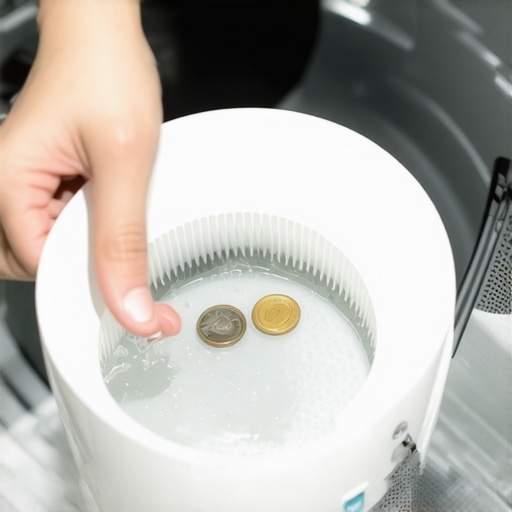
Clear Out the Debris in Your Pump Guard
Locate the small access door at the bottom front of your machine. Place a shallow tray underneath because water will spill out—it is inevitable. Twist the filter cap counter-clockwise and pull it out slowly. You will likely find a collection of lint, hair, and maybe a stray button. This simple act keeps the drain motor from overworking. If the motor has to fight through a wall of hair every time it tries to eject water, it will eventually seize up, forcing you to find an expert guide to appliance repair and installation to fix the preventable damage. This tiny habit is what separates the people who buy new machines every five years from those who keep them for twenty.
Prevent Backflow with the High Loop Rule
I spent an entire Saturday trying to figure out why my dishwasher always had two inches of stinky water at the bottom after a cycle. I almost paid for a fast, trustworthy appliance installation for a new unit before a friend pointed out my drain hose was sagging. You must follow the drain hose height rule to prevent dirty sink water from siphoning back into your clean appliances. For dishwashers, this means securing the hose as high as possible under the countertop before it connects to the disposal. It is a 30-second fix with a zip tie that prevents foul odors and bacterial growth. Similarly, use the leveling secret for a silent dishwasher cycle by adjusting the front legs until the bubble on your spirit level stays dead center. A tilted machine puts uneven pressure on the motor bearings, cutting its life in half.
Fix the Brain After a Power Surge
When the digital screen on your smart fridge goes blank or starts flashing cryptic codes, do not assume the worst. Modern control boards are incredibly sensitive to grid fluctuations. One summer night, after a brief brownout, my fridge started making a rhythmic clicking sound every few minutes. I was terrified I would need a warranty-backed appliance service for a compressor failure. Instead, I learned how to reset the control board on your smart fridge by cutting the power at the breaker for exactly ten minutes. This hard reset clears the memory and often fixes sensor glitches. If the surge affected your HVAC too, you should also check how to reset your smart thermostat to restore communication between your devices. If you do end up needing a pro, make sure you have the document every technician needs to see ready to go, as it proves you have performed the basic maintenance required by your contract.Most people assume that ‘same-day’ means a guaranteed fix by dinner time. In reality, same-day service is a race against the clock where you are the lead navigator. If you do not provide the exact model and serial number when scheduling your appliance repair for same-day service in 2025, the technician is walking in blind. The ‘oops’ factor here is huge: if they have to order a proprietary part, your ‘same-day’ fix becomes a ‘same-week’ headache. I have seen countless homeowners get frustrated because they expected a miracle, but they did not do the legwork to ensure the pro had the right components in the van. To avoid this, always look for affordable same-day appliance fixes with warranty benefits that specifically ask for your unit’s technical data upfront.
Can Your Home Warranty Actually Cost You More in the Long Run?
The common wisdom says that if you pay for a home warranty, you are protected from any catastrophic failure. But here is the contrarian truth: a warranty is often a ‘maintenance trap.’ If you have not kept impeccable records, many providers will use any excuse to deny the claim. There is a massive difference between a factory warranty and a service contract. According to a report by the National Home Service Warranty Association, claims are frequently denied because the homeowner cannot prove they performed the basic maintenance required in the fine print. This is why the fine print in your home warranty that denies every claim is the most important document in your kitchen drawer. If you find yourself facing a rejection, you must know how to claim your warranty when the manufacturer denies you by presenting a clear history of your DIY maintenance. Have you ever fallen into this trap? Let me know in the comments! 
Don’t Let Your New Oven Kill Your Kitchen’s Electrical
Everyone says you can just plug in a new stove and get cooking, but in my experience, the electrical foundation is where 90% of modern failures start. High-end modern appliances are essentially computers that cook or wash; they are incredibly sensitive to voltage fluctuations. A common mistake during a fast, trustworthy appliance installation is ignoring the existing wiring capacity. You must understand why your new smart oven needs a dedicated circuit to prevent the control board from frying during a power surge. Furthermore, skipping the proper way to ground your new smart stove during installation can lead to phantom error codes that even the best technicians struggle to diagnose. Before you commit to a new unit, ensure you are following an expert guide to appliance repair and installation that accounts for your home’s specific amperage limits. Think of your appliances as long-term investments; treating them with a little technical respect today prevents a very expensive ‘death rattle’ tomorrow.
Stop Guessing and Start Measuring with a Multimeter
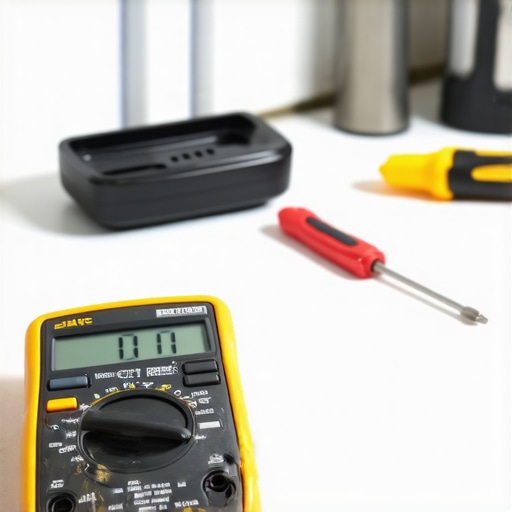
For the longest time, I thought appliance repair was mostly about expensive parts swapping. I would see a burner not working and immediately order a replacement unit. That is a massive waste of money. Now, my most-used tool isn’t a heavy wrench; it’s a digital multimeter. You need to know with absolute certainty if the problem is a burnt-out heating element or just a faulty switch behind the knob. If you find why your electric stove burners are only getting half hot, it is often a simple voltage drop you can only catch with a meter. I personally use the Klein Tools MM400 because it handles the ruggedness of a kitchen floor and offers auto-ranging features that make the job foolproof. Any expert guide to appliance repair and installation will tell you that a five-minute continuity test can save you a $300 service call.
How can I keep these smart systems running for decades?
The secret isn’t just cleaning filters; it is managing the fluids and the air that keep the machine’s ‘internal organs’ cool. We’ve talked about digital resets, but the physical health of your sensors depends on the quality of the water and air passing through them. For instance, if you have a high-end fridge with an internal dispenser, you must master the proper way to flush your refrigerator water line. Sediment buildup doesn’t just ruin the taste of your ice; it creates back-pressure on the intake valves that eventually causes them to snap. According to the Association of Home Appliance Manufacturers (AHAM), over 30% of service calls for ‘broken’ ice makers are actually caused by neglected filters or clogged lines. I also keep a can of compressed air handy to blow dust off the condenser coils every six months to ensure the compressor doesn’t run hot—a leading cause of early mechanical death.
The Future is Self-Diagnosing (And What It Means for You)
I predict that by 2030, we won’t be deciphering cryptic blinking lights anymore. We are moving toward a world where your dishwasher will send a diagnostic report directly to your phone before the floor even gets wet. However, this tech is a double-edged sword; more sensors mean more delicate points of failure. This is why you must how to verify your new appliance is covered under the original warranty the moment you unbox it. If a single sensor fails, your machine might think your laundry is soaking wet when it is actually bone dry. I’ve had to perform the sensor adjustment for a dryer that thinks the clothes are dry more times than I can count on modern ‘smart’ units. To stay ahead of the curve, take a moment this weekend to label your circuit breakers correctly; it’s the first step in managing your home’s electrical health. If a crisis does hit, knowing how to maximize your appliance warranty during emergency repairs will be the difference between a free professional fix and an out-of-pocket disaster.
The Hard Truth About My Five-Year Appliance Cycle
After years of frustration, I realized that I wasn’t just buying bad products; I was a bad owner. Here are the lightbulb moments that finally broke my cycle of constant replacements: First, the ‘Auto’ setting is often your enemy. Whether it’s a dishwasher or a dryer, sensor-heavy modes tend to run longer and hotter than necessary, wearing out the heating elements. Second, silence isn’t always golden; if your dishwasher is too quiet, check for the filter error that makes your modern dishwasher stop mid-cycle before it burns out the motor. Lastly, I learned that ‘expert’ doesn’t always mean ‘expensive.’ Knowing what to expect from same-day appliance repair experts helped me realize that most pros actually want you to succeed at home maintenance because it makes their jobs easier when a real crisis hits.
#IMAGE_PLACEHOLDER_E#
The Three Tools That Live Under My Kitchen Sink
I don’t keep a massive workshop, but I do keep three things that have saved my wallet more times than I can count. First is a digital multimeter; as I mentioned earlier, it’s the only way to stop guessing and start knowing. Second, I keep a dedicated maintenance log binder. This isn’t just for organization; knowing how to document appliance damage for a warranty payout is impossible if you don’t have your dates and photos in order. Finally, I swear by a long-reach flexible crevice tool for my vacuum to get the lint out of the back of the dryer—this prevents the overheating that leads to a thermal fuse location search in the middle of a laundry day.
Take Control of Your Home’s Heartbeat
You don’t have to be a mechanical engineer to double the life of your fridge or oven. It starts with small, intentional acts: a filter rinse here, a leveling check there, and a bit of skepticism when a salesman tells you a machine is ‘maintenance-free.’ By following these steps and ensuring how to ensure reliable appliance installation in 2025, you turn your home from a series of ticking time bombs into a well-oiled machine. You deserve a kitchen that works for you, not the other way around. If you ever find yourself in a pinch, remember that top tips for same-day service warranty coverage can turn a potential disaster into a minor speed bump. Have you ever managed to fix an appliance yourself that everyone told you to throw away? Let me know in the comments below!