
I stood there, barefoot in two inches of cold, gray laundry water, holding a basket of soaking wet towels that felt like they weighed a hundred pounds. It was 11:30 PM on a Sunday, the absolute worst time for a breakdown. My first instinct was to panic and search for same-day appliance repair because I just knew the motor was toast. I had visions of a massive repair bill and a week at the laundromat. But then I remembered a tip from an old neighbor about a ‘hidden’ filter. That one realization saved me from a massive headache and an even bigger bill. [image_placeholder_1]
Stop the Suds from Staying Put
We are going to solve your drainage nightmare today by tackling the one part most people ignore until it’s too late: the pump guard. If your machine is humming but not draining, or if you’re seeing error codes you’ve never seen before, this is likely the culprit. You don’t need a degree in engineering to fix this, just a little patience and a towel you don’t mind getting dirty. According to data from Consumer Reports, nearly one-fourth of all front-load washer owners deal with drainage issues, and the vast majority of these cases are caused by simple clogs in the pump system. My biggest mistake early on was assuming that because I used high-quality detergent, the machine would stay clean on its own. I was wrong. I once paid a professional $150 just to remove a single bobby pin from my filter. Don’t be like me. Checking the debris trap location is a five-minute job that keeps your machine running for years. If you’ve ever wondered why your clothes come out smelling slightly ‘off’ even after a long wash, this is your answer.
Does cleaning a tiny filter really make a difference?
I get it. You’re skeptical. How can a little plastic screen stop a 200-pound machine from working? The truth is that high-efficiency washers are precision instruments. Even a small obstruction can throw off the pressure sensors, leading to that dreaded standing water issue that ruins your day. If you follow this expert guide to appliance repair and installation, you’ll see that maintenance isn’t just about ‘cleaning’—it’s about ensuring the mechanical components aren’t fighting against physical barriers. Have you ever found yourself bailing water out of your washer drum with a coffee mug because the cycle just stopped? It’s a rite of passage I’d rather you skip. Today, I’m walking you through exactly how to clear that pump guard and get your laundry flow back on track without needing to call for professional help. The pump guard, often called a coin trap or debris filter, is the last line of defense for your washer’s drain pump. It catches everything from loose change and buttons to the inevitable build-up of hair and lint. When this gets blocked, the pump has to work twice as hard. Eventually, it just gives up. By the time you notice the water isn’t leaving the drum, the pump might already be under significant stress. This isn’t just about convenience; it’s about protecting the lifespan of your appliance. A little bit of grime might seem harmless, but it’s the number one cause of ‘mystery’ breakdowns that lead people to replace perfectly good machines. We are going to make sure that doesn’t happen to you. We’ll look at the specific steps to safely access the pump, drain the residual water, and clear out the gunk that’s been slowing you down. It’s messy, it’s a little gross, but it’s incredibly satisfying once you hear that pump kick in and the water disappear.
Find the Access Door Before the Flooding Starts
The first thing you need to do is locate the access panel. On most front-load machines, it’s a small rectangular door at the bottom right or left corner. If you have a top-loader, it might be behind a kickplate. I remember the first time I did this; I was terrified I’d snap the plastic door off because it felt so flimsy. A little tip: use a flathead screwdriver or even a butter knife to gently pop the latch if your fingers can’t get a grip. This is the starting point for the maintenance step that extends the life of your high-efficiency washer significantly. Think of this filter as the lint trap for your plumbing; if it’s full, the whole system suffocates.
The Controlled Drain Trick
Once that door is open, you’ll likely see a small black hose and a large circular knob. Do not unscrew that knob yet! If your machine is full of water, unscrewing it now will turn your laundry room into a swimming pool. I learned this the hard way during a rainy Tuesday when I ended up using every single dry towel in the house to soak up a gallon of gray water. Instead, pull out the small emergency drain hose, place it into a shallow tray or a Tupperware container, and pull the plug. It’s slow and tedious, but it’s the only way to avoid a mess. This is part of the drain pump trick that fixes a standing water issue in your washer without needing a wet-vac. If the water stops flowing but the drum is still heavy, you might have a clog further up the line, but usually, this gravity-fed drain clears the bulk of the disaster.
Digging Out the Treasure
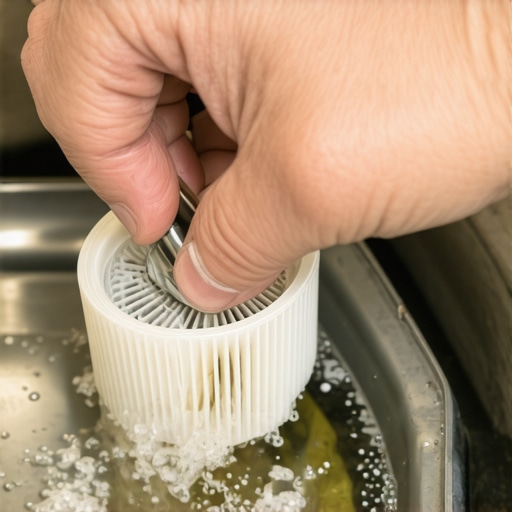
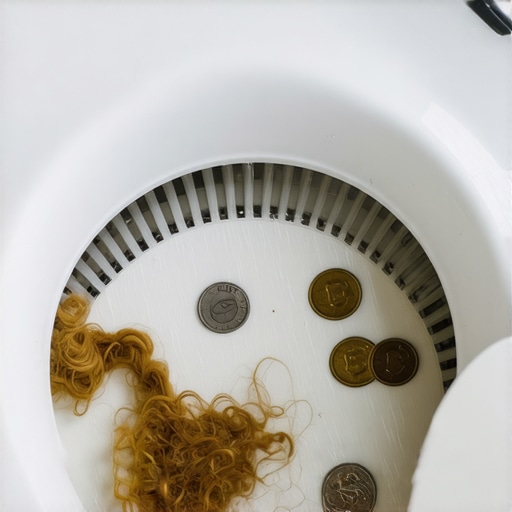
Now comes the satisfying (and slightly gross) part. Slowly unscrew the large circular filter cap. Have a towel underneath it because some residual water will always spill out. When I pulled mine out for the first time in two years, I found three dimes, a hair tie, and a piece of a LEGO set that had been missing for months. This debris acts like a dam, preventing the pump from pushing water out the drain hose. Clean the filter under a faucet with an old toothbrush until you can see through the mesh again. While you’re at it, check the cavity where the filter sits. Reach your finger in there (carefully!) and feel for any coins or bobby pins that didn’t come out with the filter. If you skip this, that rogue penny will just jam the pump again the next time you hit the spin cycle. This is a crucial element of how to ensure reliable appliance installation in 2025—knowing how to maintain the unit you just installed.
Look Closer at the Spinning Blades
Before you put everything back together, look into the hole where the filter was. You’ll see a small plastic fan—the impeller. Give it a gentle flick with your finger. It should spin freely or with a slight rhythmic ‘click’ if it’s a magnetic motor. If it feels stuck or crunchy, there is likely something wrapped around the shaft, like a stray thread or a piece of dental floss. You must how to check for a blocked impeller in your washer pump properly because a stuck impeller will eventually burn out the motor. This quick check saves you from needing to maximize your appliance warranty during emergency repairs because you caught the problem before the part actually failed. Screw the filter back in tight—make sure it’s seated correctly or it will leak—and close the access door. Your washer is now ready to breathe again.
Clearing that filter is the first step, but what happens when the problem is deeper? This is where most homeowners—and even some ‘pros’—get the whole repair process wrong. We often treat appliances like old-school mechanical devices, but today’s machines are essentially computers that happen to wash clothes or chill milk. Let’s dig deeper into the nuances that separate a temporary fix from a long-term solution.
Don’t Let Same-Day Urgency Cloud Your Judgment
Everyone wants their machine fixed now, but rushing into same-day appliance repair without a plan can actually cost you more in the long run. There is a common myth that the fastest technician is the best one. In my experience, the ‘speed trap’ often leads to what we call ‘parts cannon’ repairs—where a technician just starts swapping expensive control boards because they don’t want to spend the time on a proper electrical diagnosis. According to the National Association of Service Managers, nearly 25% of service calls require a second visit because the initial diagnosis was rushed to meet ‘same-day’ quotas. When you call for what to expect from same-day appliance repair experts, insist on a full diagnostic report, not just a guess. Have you ever fallen into this trap and paid for a part you didn’t actually need? Let me know in the comments.
The Maintenance Log Trap That Kills Warranties
Here is a harsh reality: your warranty is not a ‘get out of jail free’ card. One of the biggest mistakes I see is homeowners failing to document their own maintenance. If a technician finds a clogged pump, the first thing the manufacturer will ask for is proof of regular cleaning. This is why your extended warranty company keeps asking for service logs before they approve a major repair. Without them, they can claim ‘user neglect’ and leave you with the full bill. I always tell my friends to keep a digital folder with photos of every filter cleaning and a copy of the receipt from their how to ensure reliable appliance installation in 2025. It’s the only way to maximize your appliance warranty during emergency repairs when the stakes are high.
Is your technician just guessing with your money?
If a repair person walks in and doesn’t pull out a multimeter or a laptop to check error codes within the first ten minutes, be wary. Sophisticated readers know that high-end machines require precision. For example, a dishwasher that won’t drain might not have a bad pump; it might actually be a victim of why your new canton kitchen remodel might be choking the dishwasher drain due to a pinched hose behind the cabinetry. A ‘parts changer’ will replace the pump and leave, only for the problem to return in three days. Understanding the nuances of expert guide to appliance repair and installation today means looking at the environment around the appliance, not just the box itself. Learning how to avoid paying the service fee for a denied warranty claim starts with you being more informed than the person you hired. By knowing the common failure points we’ve discussed, you move from a frustrated bystander to an empowered homeowner.
Becoming an empowered homeowner isn’t just about knowing where the filter is; it’s about having the right gear when things go sideways. I used to think a standard screwdriver set was enough, but modern appliances demand a bit more finesse. If you want to move beyond the basics, you need to invest in a decent digital multimeter. I personally use a Fluke 115 because it’s rugged and handles the ‘ghost voltage’ that often confuses cheaper models. According to the Whirlpool Service Manual (W10131216), testing for exactly 120V +/- 10% at the control board is the only way to verify if your power issue is the house or the machine. Don’t guess when you can measure. Beyond electrical testing, you should keep the specific wrench you need to unjam a disposal in seconds in your kitchen drawer. It’s a five-dollar tool that saves a hundred-dollar service call. Having these tools ready is the secret to how to ensure reliable appliance installation in 2025 because you can verify the setup before the technician even leaves the driveway.
How do I maintain my high-efficiency appliances over time?
Consistency is more important than deep-cleaning once a year. I’ve found that the best results come from a monthly ‘Health Check’ that includes more than just the washer. For your refrigerator, use the condenser coil cleaning hack for pet owners with hairy dogs to keep the compressor from overheating—a top cause of early death for modern fridges. For your laundry room, the maintenance step that extends the life of your high-efficiency washer involves more than just the pump guard; you need to wipe down the gaskets with a 1:10 bleach-to-water solution to prevent the biofilm buildup that eats away at the rubber.
Your Smartphone is Now Your Best Mechanic
The future of appliance repair is moving toward augmented reality and integrated diagnostics. I predict that within the next three years, we won’t even look for paper manuals; we’ll point our phone cameras at the machine and see a 3D overlay of the failed part. Many high-end units already have this capability hidden in plain sight. If your stove is acting up, knowing how to read the error codes on your high-end induction cooktop via the manufacturer’s app can save you hours of searching. This shift makes warranty-backed appliance services you can rely on even more critical, as software-related glitches often require authorized technicians who have the specific proprietary cables to re-flash the control boards.
The Paper Trail for Future You
Finally, stop throwing away those installation receipts and service logs. If you ever need to file a claim, you must have the document every technician needs to see for a valid warranty visit. I keep a plastic sleeve taped to the back of my fridge with every piece of paper related to it. It’s not just about organization; it’s about leverage. If a repair fails, you have the proof to demand a replacement under your consumer protection rights. Try this today: Go to your dishwasher and run the ‘Diagnostic Mode’ (usually a combination of three buttons pressed in sequence)—if it returns a code, you’ve just done more than 90% of homeowners to protect their investment.
Lessons from the Laundry Room Trenches
Over the years, I’ve realized that 90% of appliance panic is actually just a lack of information. After years of wet floors and expensive service calls, I’ve distilled my experiences into a few hard truths that will change how you view your machines. First, the most expensive repairs usually start as the smallest clogs. A single bobby pin can destroy a drain pump if left long enough, which is why the maintenance step that extends the life of your high-efficiency washer is non-negotiable. Second, trust your ears; if your machine sounds different, it is different. Don’t wait for the error code to tell you what you already suspect. Lastly, the ‘service log’ isn’t just paperwork—it’s your defense. I’ve seen warranty claims denied for the simplest reasons, so learning how to avoid paying the service fee for a denied warranty claim is as much about your filing cabinet as it is about your toolkit.
The Gear That Saved My Sunday Nights
You don’t need a van full of parts to keep your house running, but you do need the right essentials. I personally swear by these few items to keep the ‘Same-Day’ panic at bay. I always keep the specific wrench you need to unjam a disposal in seconds right under the sink; it has saved me from a plumbing disaster more times than I can count. For the technical side, I rely on a high-quality multimeter to check for power issues before calling for same-day appliance repair. I also recommend bookmarking the digital manuals for your specific models, specifically focusing on how to read the error codes on your high-end induction cooktop or washer. Finally, for those annoying vibrations, a small set of anti-vibration pads and the leveling secret for a silent dishwasher cycle will keep your home feeling peaceful instead of like a construction zone.
Take Back Control of Your Home Maintenance
Maintenance shouldn’t feel like a chore; think of it as an investment in your own peace of mind. Every time you clear that pump guard or check a gasket, you’re preventing a future crisis and ensuring that how to ensure reliable appliance installation in 2025 stays a success story for your household. You have the tools, the knowledge, and now the confidence to handle the unexpected. Don’t be afraid to get your hands a little dirty to maximize your appliance warranty during emergency repairs. You’ve got this! What’s the strangest thing you’ve ever pulled out of your washer filter? Let me know below.