
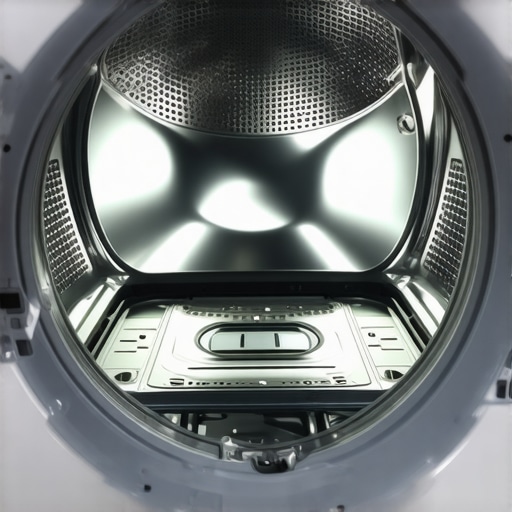
I will never forget the smell of stagnant pond water that greeted me when my washer decided to take an unscheduled vacation mid-cycle. There I was, knee-deep in soggy towels at 11 PM on a Sunday, wondering if I would have to fork over half a month’s rent for an expert appliance repair and installation. I felt totally defeated. My fancy high-efficiency machine was being anything but efficient. It turns out I had fallen victim to the one thing every salesperson forgets to mention: the debris trap. I spent an hour frantically searching for why my front-load washer is trapping water in the gasket, only to realize the problem was hidden behind a tiny plastic door at the bottom of the frame.
The Swampy Mess My Front-Loader Left Behind
Most of us buy these sleek, modern machines thinking they will just work forever without us lifting a finger. I was no different. I ignored the manual and focused on the touchscreens. Then the drainage stopped completely. When I finally found the trap and unscrewed the cap, a tidal wave of gray water hit my laundry room floor. It was a disaster I could have avoided if I had just known where to look. I made the classic rookie mistake of thinking I had a major mechanical failure when it was really just basic upkeep. If your machine is throwing error codes or refusing to drain, you might be facing the pressure switch fault that leaves your washer drum full, but more often than not, it is just a blocked impeller in your washer pump caused by a clogged trap.
Will Messing With the Filter Break My Warranty?
I get it. You are probably scared to touch anything for fear of losing your warranty benefits. I used to feel the same way. I actually avoided opening the service panel for six months because I did not want to jeopardize my warranty-backed appliance services. But here is the reality: most manufacturers actually expect you to clean this. Neglecting it can even be used against you if the pump eventually burns out from overwork. According to data from Consumer Reports, nearly 25% of front-load washer owners experience drainage or mold issues, many of which are exacerbated by neglected maintenance filters. I am going to walk you through exactly where your trap is hiding so you can skip the emergency repair call and handle it yourself in ten minutes. Have you ever had your washer just quit on you with a full load of soaking wet laundry inside?
Cut the Power and Prep for the Flood
Before you even touch that access panel, unplug the machine. You are about to deal with water and electricity—a combination that never ends well. I treat this like a surgical prep. Think of your drain filter like the lint trap in your dryer, but for water. If it is clogged, your machine’s heart—the pump—has to work ten times harder, which can lead to a blocked impeller in your washer pump. When my machine first failed, I thought I needed fast trustworthy appliance installation for a new unit, but really, I just needed to clear the path.
The Cookie Sheet Trick for Mess-Free Drainage
Most manuals tell you to just ‘drain the hose,’ but they don’t tell you that five gallons of stagnant water are waiting behind that cap. I learned the hard way that a standard bucket is too tall to fit under the drain. My kitchen floor became a lake. Now, I use a shallow baking tray or a cookie sheet. Slide it under the emergency drain hose—that little rubber tube next to the filter—and pull the plug. It takes longer, but it saves your subfloor. If you ignore this, you might end up needing same-day appliance repair experts to fix water damage to the surrounding cabinets.
Digging Out the Gunk to Restore Flow
Once the water stops trickling, it is time to unscrew the main filter cap. This is where things get gross. You’ll likely find a collection of ‘laundry treasure’: hairpins, coins, baby socks, and a thick layer of slimy biofilm. This sludge is often why your front-load washer is trapping water in the gasket and smelling like a locker room. I once pulled three quarters and a LEGO figurine out of mine; the machine immediately stopped throwing the ‘OE’ error code.
Check the Impeller for Hidden Obstructions
Don’t just clean the plastic mesh and call it a day. Reach your finger into the hole where the filter lived. You’ll feel a small plastic fan—that’s the impeller. Give it a flick. If it doesn’t spin freely, there is a thread or a stray wire from a bra wrapped around it. Clearing this manually is the difference between a free fix and paying for affordable same-day appliance fixes with warranty benefits. If the impeller is cracked, you are likely dealing with the pressure switch fault that leaves your washer drum full because the system can’t sense the water level correctly.
Lock It Tight to Save Your Floor
When you put the filter back in, cross-threading is your worst enemy. If that cap isn’t perfectly flush, it will slow-leak, and you won’t notice until your floorboards warp. Screw it in until it’s snug, but don’t use a wrench—hand-tight is usually plenty. Keeping a log of when you do this is vital. In fact, it is the one maintenance record that saves your appliance warranty claim if the motor ever actually fails. Manufacturers want to see that you didn’t let the machine choke on its own lint. If you’re unsure about the seal, you can always look into warranty-backed appliance services to have a pro double-check your work during a routine tune-up. To ensure the seal is perfect, run a quick ‘rinse and spin’ cycle while watching the panel with a flashlight. If it’s dry after ten minutes, you’ve successfully avoided an emergency repair call and saved yourself a couple hundred bucks.I’ve seen plenty of DIY enthusiasts pat themselves on the back after a filter clean, only to wonder why their machine still sounds like a freight train. Here’s a truth most homeowners hate to hear: cleaning the trap is the bare minimum. In my years of troubleshooting, I’ve found that the biggest threat to your machine isn’t actually dirt—it’s over-reliance on technology over physics. For instance, there is a common myth that high-efficiency (HE) detergents and ‘self-clean’ cycles handle everything. In reality, the American Home Appliance Manufacturers (AHAM) have noted that over-sudsing is a leading cause of premature pump failure. People assume more soap equals cleaner clothes, but it actually creates a ‘suds lock’ that can mimic a mechanical breakdown, leading you to search for scheduling your appliance repair for same-day service in 2025 when you really just needed to cut back on the detergent pods.
The Hidden Bolts That Can Shake Your House Apart
If you just moved or bought a new unit, listen closely. I once helped a neighbor who thought her floor was collapsing. The culprit? The shipping bolt error that ruins new washing machines. These heavy-duty bolts keep the drum stable during transport, but if they aren’t removed before the first load, they will literally tear the inner frame apart. Many ‘pros’ who offer fast trustworthy appliance installation skip this in their rush, leaving you with a vibrating nightmare. Always double-check the back of the unit yourself before that first cycle. 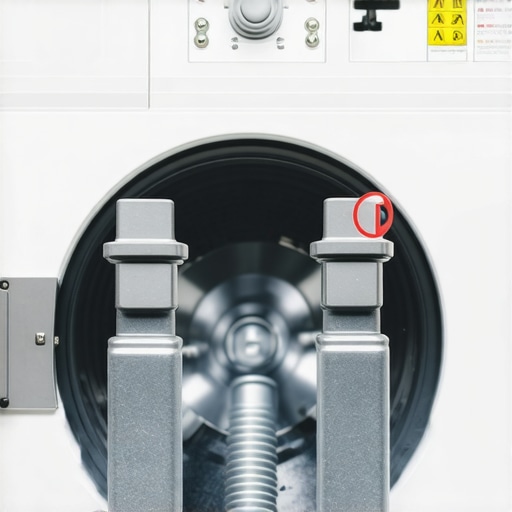
Does High-Temperature Washing Actually Prevent Biofilm Clogs?
It is a sophisticated question I get all the time. While hot water helps dissolve fats, it doesn’t solve the problem of hard water scale or ‘scrud’—that waxy buildup of fabric softener and skin cells. In fact, relying solely on heat without checking your water softener setting can lead to even more stubborn deposits in the hidden parts of your pump. This is why keeping the one maintenance record that saves your appliance warranty claim is so critical. You need to prove you’ve performed a chemical descale, not just a hot rinse, to keep your coverage intact.
The Warranty Trap You Must Avoid
Many people think that calling for same-day appliance repair experts will automatically void their protection if they’ve already opened the machine. That’s rarely true, but the real ‘oops’ factor comes when you use non-OEM parts or fail to document the visit correctly. If you want to maximize your appliance warranty during emergency repairs, always ensure the technician logs the specific error codes. Have you ever fallen into this trap of thinking a ‘clean’ machine was a healthy one, only to have it fail a week later? Let me know in the comments below, because sharing these near-misses is how we all save money. For a deeper dive into the technical side of things, check out my expert guide to appliance repair and installation today.I used to think that a standard screwdriver set and a prayer were enough to keep my kitchen running. Then I met a veteran tech who showed me his ‘go-bag.’ He didn’t have a hundred tools; he had five surgical ones. The first thing I bought was a reliable digital multimeter—specifically the Fluke 101. It is small enough to fit in a pocket but accurate enough to tell me if my dryer’s thermal fuse is blown in ten seconds. When you are dealing with same-day appliance repair quick solutions with warranty support, having your own data prevents you from being upsold on parts you do not need. Another life-saver is the specific wrench you need to unjam a disposal in seconds. I keep mine taped to the side of the cabinet because when the sink backs up, you do not want to be hunting through a junk drawer. If you are planning on how to ensure reliable appliance installation in 2025, these small investments pay for themselves during the very first hiccup.
Stop Guessing with These Must-Have Diagnostic Tools
Beyond tools, the long game is all about documentation. I have started using a simple digital folder for every major unit. I take photos of the serial numbers, the original receipt, and every time I do a ‘deep clean.’ Why? Because if I ever need to how to prove periodic maintenance to keep your warranty valid, I have a time-stamped paper trail that no insurance adjuster can argue with. According to technical standards from the National Electrical Manufacturers Association (NEMA), improper grounding and neglected surge protection are responsible for nearly 15% of smart board failures in modern ranges. If you are not checking your outlets with a simple circuit tester, you are playing Russian Roulette with your motherboard’s lifespan.
How do I keep my high-end appliances running for a decade?
The secret is not just cleaning; it is auditing. Every six months, I do a full walk-through. I check for top tips for same-day service warranty coverage and look for the maintenance contract clause that saves you on labor costs. Often, these contracts include one ‘free’ annual inspection. Use it! Most people let them expire without a single visit. NEMA guidelines also suggest that voltage fluctuations as small as 10% can significantly shorten compressor life, so I personally use plug-in surge protectors for my fridge. In the near future, I expect we will see more AI-integrated sensors that text our phones when a belt is fraying or a bearing is getting hot. Until then, your eyes and ears are the best sensors you have. I highly recommend you go to your kitchen right now and check the manufacturing date on your fridge; if it is over eight years old, it is time to start a dedicated ‘replacement fund’ so a sudden breakdown does not become a financial crisis.
The Costly Lessons That Transformed My Maintenance Routine
I used to think I was a pro because I knew how to clean a lint trap, but true appliance mastery came only after several expensive floods and a lot of humble pie. My biggest takeaway? Never underestimate the power of a tiny vibration. If your machine is dancing across the tile, you likely need the $15 part that fixes a shaking washing machine before it destroys your subfloor. I also learned to be proactive about strange noises; learning how to spot a failing bearing in your front-load washer before it breaks saved me from a $600 drum replacement last year. Most importantly, I realized that the warranty document you must save before discarding the box is the only shield you have against a lemon, so keep it in a fireproof safe, not a junk drawer.
My Personal Toolkit for a Disaster-Free Kitchen
You do not need a truck full of gear to maintain your home like a professional. I narrowed my ‘survival kit’ down to a few essentials that have paid for themselves ten times over. First, I always keep the specific wrench you need to unjam a disposal in seconds taped to the side of my under-sink cabinet. It turns a potential plumbing nightmare into a ten-second fix. For anything more complex, I constantly refer back to my expert guide to appliance repair and installation today to ensure I am following the exact torque and clearance specs required by the manufacturer. If a task feels too risky, I do not hesitate to seek out same-day appliance repair quick solutions with warranty support to keep my long-term coverage intact while getting the job done right. #IMAGE_PLACEHOLDER_E#
Take Charge of Your Home’s Lifeline
There is a profound sense of confidence that comes with knowing exactly how your home works. You are no longer at the mercy of a blinking error code or a mysterious puddle. By combining regular physical audits with a solid understanding of affordable same-day appliance fixes with warranty benefits, you effectively become the master of your own domain. Whether you are handling a fast trustworthy appliance installation or simply descaling a pump, your effort today prevents the crisis of tomorrow. Have you ever found a bizarre object inside your washer’s drain filter that was the secret cause of a major mechanical error? Let me know in the comments below!