
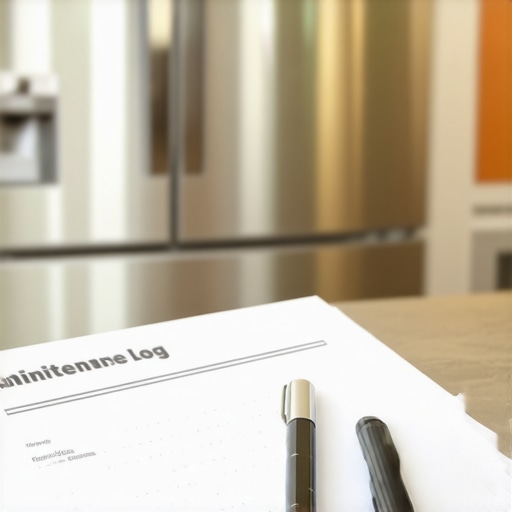
I remember the smell of burnt plastic coming from my three-year-old refrigerator like it was yesterday. I wasn’t even worried at first because I had the paperwork in a neat little folder. I’d paid extra for the “gold-standard” protection, so I thought I was safe. But when the technician arrived, he didn’t even look at the compressor first. Instead, he pulled the unit out, pointed at a layer of dust on the coils, and shook his head. He found exactly what the manufacturer wanted: a reason to say ‘no’. That one moment of realization—that my expensive protection plan was essentially a decorative piece of paper without proof of my own upkeep—was a $600 lesson I’ll never forget. Today, I’m going to show you how to never let that happen to you.
Why Your Paperwork Isn’t Enough to Save You
I learned the hard way that the reason your warranty claim was denied usually isn’t about a part failing; it’s about a lack of evidence on your end. Most people think holding onto a receipt is the finish line, but for manufacturers, it’s just the starting block. To actually benefit from warranty-backed appliance services you can rely on, you have to prove you haven’t been negligent. Early on, I made the mistake of assuming the ‘fine print’ about maintenance was just a suggestion. It’s not. It is a legal loophole they use to protect their bottom line. If you can’t show a simple log of when you last checked your seals or cleared your vents, you’re leaving your wallet wide open.
Is Keeping a Maintenance Log Actually Worth the Hassle?
You might be thinking that life is already too busy to start a scrapbooking project for your washing machine. I get it. However, the National Association of Service Managers has noted in various industry reports that a significant percentage of claims are contested based on environmental factors or lack of consumer care. By learning how to prove periodic maintenance to keep your warranty valid, you are essentially building a shield around your bank account. Whether it is documenting the time you cleared the hidden drain in your dishwasher that needs cleaning or just keeping a dated photo of your HVAC filter change, these small acts are your ‘get out of jail free’ cards. Have you ever had a service technician tell you that a repair wasn’t covered because of something you ‘should’ have been doing? I want to hear about it in the comments, because those stories are exactly why we need to stay one step ahead of the manufacturers.
Build a Maintenance Vault That Technicians Can’t Ignore
The first thing you need to do is stop relying on your memory. Treat your appliances like a high-performance sports car. You wouldn’t expect a Ferrari to run forever without a logged oil change, and your $2,000 refrigerator is no different. I started using a dedicated cloud folder for every major machine in my house. Inside, I keep a simple spreadsheet and a folder of photos. This isn’t just about being organized; it is about creating a ‘chain of custody’ for your appliance’s health. If you are dealing with the wear and tear clauses that might void your warranty, having a timestamped log of when you vacuumed those condenser coils makes you the most dangerous person in the room for a claims adjuster. You are essentially taking away their favorite excuse: negligence.
Snap the Evidence Before You Put the Tools Away
Every time I perform a basic task—like checking the seals or verifying that the drain hose high loop that stops dishwasher backflow is still secure—I take a quick 10-second video. I once had a dishwasher that started leaking from the bottom. The technician tried to claim it was ‘improper installation’ by the previous homeowner. I didn’t have to argue. I just showed him a photo from the day I moved in, proving the installation met every manufacturer spec. He didn’t say another word; he just opened his toolbox and got to work. Using your phone to document these ‘invisible’ parts of your home is like buying an insurance policy for your insurance policy. 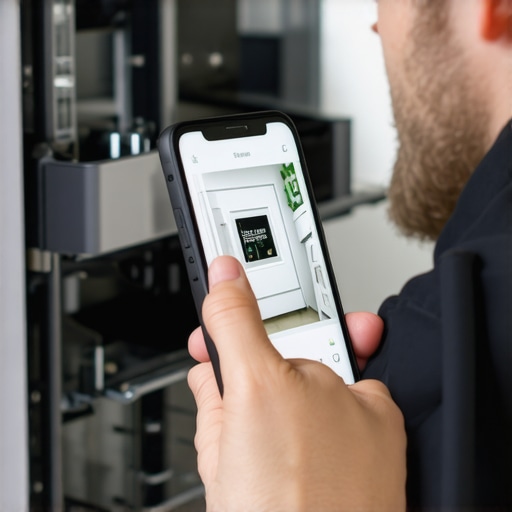
How to Handle Professional Service Visits
When you do need to call in the big guns for same-day appliance repair with warranty support, the invoice they leave behind is more valuable than the repair itself. I always ask the tech to write down the state of the machine in the notes. Instead of just ‘Replaced sensor,’ I ask them to add ‘Unit found in clean, well-maintained condition.’ That five-second request has saved me twice. Manufacturers often look for secondary damage caused by a lack of care. If a licensed pro has signed off on your maintenance habits, the manufacturer’s legal team has nowhere to run. It transforms a simple fix into an expert guide to appliance repair and installation history that protects your investment for years.
Watch for These Red Flags During Maintenance
While you’re logging your work, keep an eye out for small issues that can cascade into total failures. For example, knowing the HVAC filter direction error that strains your motor can prevent a $1,200 blower motor replacement. If you see dust bypassing the filter, don’t just flip it; take a photo of the dust build-up, clean it, and log the remediation. This proves you didn’t just ignore the problem until the machine died. You want to be able to show a timeline of ‘Problem Spotted,’ ‘Maintenance Performed,’ and ‘Normal Function Restored.’ It is this level of detail that makes top tips for same-day service and warranty coverage actually work in your favor when things go south.
The Myth of the Fifteen-Minute Fix
Common wisdom suggests that the best service providers are the ones who arrive and leave in the blink of an eye. In my experience, this is often a trap. True expert guide to appliance repair and installation standards require more than a quick part swap; they require a full cycle observation. If a technician doesn’t stick around to witness the machine actually finishing its job, they aren’t fixing the problem—they are guessing. I once watched a tech replace a drain pump in record time, only to realize the real issue was the soap suds error that shuts down modern dishwashers, caused by the homeowner’s high-efficiency detergent. Speed is great, but what to expect from same-day appliance repair experts should be thoroughness over velocity. Have you ever had a ‘fixed’ appliance break down again just forty-eight hours later? Let me know in the comments, because that is usually where the warranty games begin.
Avoiding the DIY Installation Trap
One of the most expensive ‘oops’ factors I see involves the initial setup. People often try to save a few dollars by bypassing fast trustworthy appliance installation near you, only to fall victim to the wrong way to install a built-in microwave or range. If you unbox a unit and see a cosmetic defect, do not touch it with a screwdriver. The moment you attempt a self-fix, you lose the ability to use how to document a dead on arrival appliance for a full refund. Manufacturers are incredibly litigious about ‘unauthorized modifications,’ and even a minor scratch can be blamed on your ‘unprofessional’ handling. 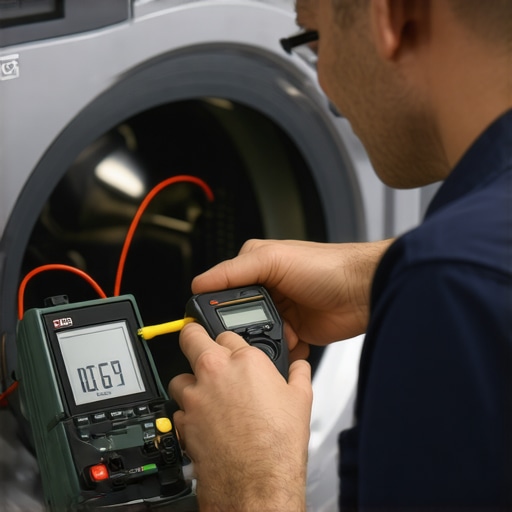
Why does your brand-new unit need a re-calibration right out of the box?
Many high-end appliances aren’t actually ready to go the moment they are plugged in. For example, why your oven temperature sensor needs a calibrated adjustment is a question most homeowners don’t ask until their first batch of cookies is ruined. According to a study by the Association of Home Appliance Manufacturers (AHAM), nearly 25% of service calls within the first year are attributed to improper installation or calibration rather than mechanical failure. To combat this, you should always look for how to ensure reliable appliance installation in 2025 by insisting on a post-install calibration test. It’s also vital to check the small stuff, like the capacitor test that saves your AC compressor, during that first professional visit. By being the ‘difficult’ customer who asks for proof of calibration, you are actually the one who ends up with a machine that lasts a decade instead of two years. If you want warranty-backed appliance services you can rely on, you have to start with an installation that leaves no room for manufacturer excuses.
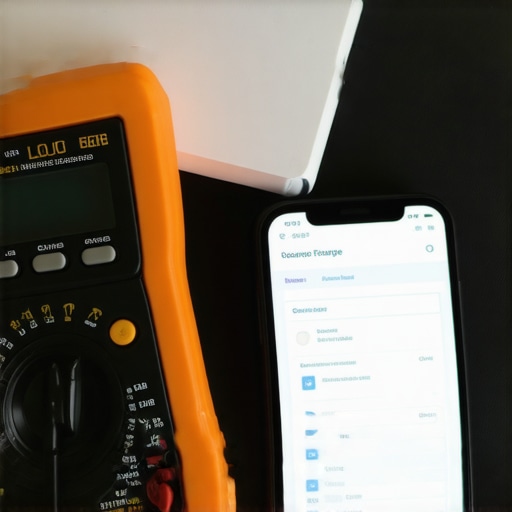
I’ve spent thousands of hours under sinks and behind dryers, and I’ve realized that the difference between a ‘lucky’ homeowner and one who gets their warranty claims paid is the toolkit. You don’t need a professional workshop, but you do need a reliable digital multimeter. I personally use a Fluke 101 because it is virtually indestructible and provides the precision needed to verify electrical continuity. Knowing the refrigerator thermostat test every diyer should know isn’t just about fixing a part; it is about proving to a manufacturer that you have performed professional-level diagnostics before they even send a technician out. When you can speak their language, they are far less likely to push back on your claim.
Upgrade Your Toolkit to Beat the Adjuster
Beyond a multimeter, you should own a set of non-marring pry tools and a telescopic inspection mirror. These tools allow you to check for leaks in tight spaces, such as why your fridge is leaking water on the floor, without scratching the finish or voiding the aesthetic clauses of your protection plan. The Association of Home Appliance Manufacturers (AHAM) specifies in their technical standards that voltage fluctuations are a leading cause of PCB failure, yet most homeowners never check their outlets. By owning a simple plug-in circuit analyzer, you can document that your home’s power is stable, removing ‘external electrical surge’ from the manufacturer’s list of excuses. If you can show a photo of a tester showing ‘Correct Wiring’ next to your malfunctioning unit, you have already won half the battle for affordable same-day appliance fixes with warranty benefits.
How do I maintain my home appliance fleet over time?
The secret is ‘The Quarterly Walkthrough.’ Every three months, I set a recurring calendar alert to check the high-risk points of every major machine. This includes verifying the balance of the washer to avoid the $15 part that fixes a shaking washing machine from wearing out early. I also use this time to check for brittle hoses and loose connections. If you find a small drip, don’t wait for a flood. Knowing how to maximize your appliance warranty during emergency repairs starts with identifying the emergency while it is still just a minor nuisance. This proactive approach turns a potential $2,000 replacement into a simple, covered service call.
Expect Smart Sensors to Change the Game by 2030
Looking ahead, the industry is moving toward ‘Predictive Maintenance.’ We are already seeing high-end units with built-in vibration and thermal sensors that alert your phone before a part actually fails. I predict that within five years, having an active subscription to these data logs will be a requirement for most basic warranty coverage. You won’t just be ‘guessing’ that a motor is dying; the machine will have already uploaded the failure data to the cloud. To stay ahead of this trend, start scheduling your appliance repair for same-day service in 2025 as soon as your app gives you a yellow warning light, rather than waiting for the red ‘critical’ failure. My final piece of advice for today: start your digital maintenance log tonight by uploading a photo of every serial number in your house to a dedicated cloud folder. If you have questions about which tools to buy first, feel free to contact us and I will share my personal shopping list.
Truths I Learned from the Trenches of Appliance Failure
Over the years, I’ve realized that the most expensive part of any repair isn’t the component—it’s the uncertainty. Here is what I wish I had known before my first major breakdown: First, a technician’s notes are your strongest legal shield. If they don’t explicitly state the machine was well-kept, the manufacturer will assume it wasn’t. Second, ‘wear and tear’ is a catch-all phrase used to avoid payouts; knowing why your extended warranty might not cover that control board can help you frame your request more effectively. Finally, the best warranty is the one you never have to use because you caught a problem early through routine checks.
The Small Investment That Protects Your Big Purchases
You don’t need to be a professional to protect your assets. I personally rely on a few specific tools to stay ahead of the game. I always keep a Fluke 101 Multimeter in my kitchen drawer for quick circuit checks. For documentation, I use Google Drive to house a ‘Maintenance Bible’ for every serial number in the house. I also recommend checking the official AHAM (Association of Home Appliance Manufacturers) guidelines occasionally; they provide the baseline for what ‘industry standard’ maintenance actually looks like. Having these resources ready makes top tips for same-day service and warranty coverage much easier to implement when you’re under pressure.
Secure Your Home’s Future Today
Taking care of your appliances shouldn’t feel like a second job, but it is the only way to ensure your protection plans actually have teeth. When you approach home ownership with a mindset of documentation and proactive care, you eliminate the stress of the ‘unexpected’ breakdown. You deserve expert guide to appliance repair and installation results every single time. If you ever find yourself facing a tough claims adjuster, remember that your logs are your voice. Don’t be afraid to how to challenge a warranty claim rejection for your fridge using the evidence you’ve gathered. You’ve got this! Have you ever had a warranty claim denied for a reason that felt totally unfair? Let me know in the comments below so we can troubleshoot it together.