
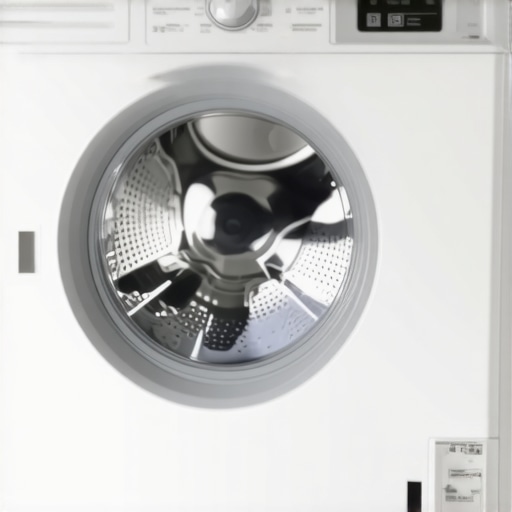
I remember standing in my laundry room last Tuesday, staring at a tub full of grey, soapy water that refused to budge. The timer said “0:00,” but my jeans were submerged like a sunken treasure. I did what any desperate person would do: I hit the “Drain & Spin” button three times. Nothing. Just a faint click and a whole lot of silence. It is that sinking feeling—literally—where you realize your evening just became a soggy mess of manual labor.
I Spent Three Hours Wringing Out Towels So You Don’t Have To
Let’s be real. When a washer doesn’t drain, most of us jump to the worst-case scenario. We assume the motor is toast or the pump has finally given up the ghost. I made that exact mistake years ago. I spent a fortune on a high-end pump, spent two hours installing it with bleeding knuckles, and the water stayed right there. It turns out, I was ignoring the tiny plastic “brain” that tells the machine how much water is inside: the pressure switch. It is a common frustration, much like a lid switch fault that prevents your washer from spinning.
Is This Tiny Part Really the Reason Your Clothes are Swimming?
It sounds ridiculous, doesn’t it? You have this 200-pound machine, and it is being held hostage by a small diaphragm and a thin rubber hose. But that is exactly how it works. If that switch fails, your washer thinks the tub is empty even when it is overflowing, or worse, it thinks it is full and refuses to start the spin cycle. Today, I am going to show you how to diagnose this specific pressure switch failure. We will talk about how to clear the “pressure chamber” and why your washer water levels might be acting weird before the machine eventually quits on you entirely. According to Consumer Reports, faulty sensors and switches are among the top reasons for mid-cycle failures in modern washing machines. This isn’t just bad luck; it is a byproduct of the high-efficiency sensors we rely on today. [image placeholder] Have you ever opened your washer only to find a swamp where your clean clothes should be? Let me know, because I have been there, and I know how much it ruins a Saturday.
The Secret Life of Your Washer’s Pressure Sensor
When you need same-day appliance repair, it is often because a small component has drifted out of calibration. The pressure switch works by air pressure. As water fills the tub, it pushes air up a small tube. That air pushes a diaphragm in the switch. Simple physics. But add a little detergent buildup or a tiny kink in the line, and the physics go sideways. I have seen folks try everything from leveling a rattling washer to replacing the entire control board, when all they really needed was a five-minute fix involving a bit of hot water and a steady hand.
Look for the Plastic Puck Under the Hood
First, unplug the machine. Safety isn’t just a suggestion; it is the rule when you are messing with components that live near water. To get to the switch, you usually need to remove the top panel or the back console. Think of the pressure switch as the machine’s barometer. It is a small, circular part with a few wires and one very important thin hose. If you are dealing with a new unit, remember that fast trustworthy appliance installation near you often includes ensuring this hose isn’t pinched against the cabinet frame during the initial setup.
Blow Through the Tube to Clear the Sludge
This is where things get a little “hands-on.” Disconnect the small rubber tube from the pressure switch—not the tub side. Now, take a deep breath and blow into the tube. You are looking for two things. First, you want to feel that the air is moving freely into the tub. If it feels like you are trying to blow air through a clogged straw, you have got a blockage of hair, lint, or “scrud”—that nasty mix of detergent and skin cells. I once did this and got a face full of gray water because I blew too hard and then inhaled—do not be like me. If you clear the line and the water starts moving, you just saved yourself from paying for affordable same-day appliance fixes with warranty benefits.
Listen for the Click That Saves Your Saturday
If the tube is clear, the problem is likely the switch itself. While the tube is still disconnected from the switch, blow gently into the nipple of the pressure switch assembly. You should hear a distinct “click”—or even two or three if it is a multi-level switch designed for different load sizes. This is the internal diaphragm engaging. If it is silent, the internal spring or contact is shot. This often happens if your washer water levels are always too low, causing the switch to cycle too frequently and wear out prematurely. If you are under a service plan, this is the time to maximize your appliance warranty during emergency repairs by showing the technician exactly what you found. Sometimes, even if you see the error code that means your washer pump is dead, it is actually just this thirty-dollar switch failing to tell the pump to turn on.
Clean Out the Pressure Chamber Gunk
If the tube and switch seem fine, the “pressure chamber” at the bottom of the tub might be the issue. This is the plastic port where the hose connects to the big outer tub. Over time, calcium and soap scum create a crust over the opening. It is like a clogged artery for your washer. Use a zip tie or a soft pipe cleaner to gently poke through the opening where the hose attaches to break up any sediment. This small bit of maintenance is a key part of any expert guide to appliance repair and installation today. I have seen this one-minute fix bring “dead” machines back to life in seconds without a single spare part being purchased.Most DIY enthusiasts assume that if a machine fails to drain, the mechanical pump must be physically broken or obstructed. In my years of troubleshooting, I have found that modern machines are far more likely to suffer from a communication breakdown between the sensor and the control board. Everyone says to replace the pump first, but I say check for ghost voltage at the sensor terminals. If the control board is sending a weak signal due to a corroded contact, the pump will never engage, no matter how brand new it is. This logic trap is why many people end up spending hundreds on parts when a simple contact cleaner would have sufficed.
Can Your Choice of Detergent Actually Void Your Warranty?
This is the sophisticated question every homeowner should consider before pouring in that extra-large scoop. We are constantly told to use HE detergent, but the hidden nuance is that these sensors are calibrated for specific surface tensions. Using the wrong soap creates micro-suds that can enter the pressure switch hose and dry into a crystalline plug. When a field technician discovers this residue, it is frequently cited as improper maintenance, which is often the reason your warranty claim was denied. According to a technical brief from the Association of Home Appliance Manufacturers (AHAM), digital pressure sensors have significantly tighter tolerances than older mechanical switches, meaning even microscopic buildup can trigger a false tub full error. One major oops factor I see during home repairs involves the routing of the pressure tube itself. If you have ever moved your washer to clean, you might have inadvertently pinched this line against the cabinet. A pinched line creates a pocket of trapped air that mimics a drainage failure. This is why learning how to ensure reliable appliance installation in 2025 is as much about internal layout as it is about the external plumbing. If the line is not perfectly clear, the machine’s brain gets confused, and you are left with a tub of water. When you are scouting for affordable same-day appliance fixes with warranty benefits, pay close attention to the definition of normal use. I have seen why third-party warranty companies deny legitimate claims: they often argue that a sensor clogged by hard water or detergent is not a mechanical failure but a maintenance lapse. To protect yourself, maximize your appliance warranty during emergency repairs by showing proof of regular drum cleaning cycles. This documentation proves you have not been negligent, forcing the provider to honor the wear and tear clauses that might void your warranty under normal conditions. Have you ever fallen into the trap of replacing a major component only to find a five-cent clog was the real culprit? Let me know in the comments, because sharing these oops moments is the best way to help others follow an expert guide to appliance repair and installation today.If you want to graduate from being a ‘parts-changer’ to a true ‘fixer,’ your toolbox needs one specific upgrade: a digital multimeter with a low-impedance (LoZ) setting. I personally rely on the Fluke 115 for this exact job. Why? Because modern control boards often leak a small amount of ‘ghost voltage’ that can make a dead circuit look alive on a cheap tester. When you are aiming for same-day appliance repair, you cannot afford to be lied to by your equipment. Testing for continuity at the pressure switch terminals while manually blowing into the tube tells you instantly if the electrical contacts are actually closing. If they are not, no amount of cleaning will save it, and you will need to look into affordable same-day appliance fixes with warranty benefits to get a replacement part fast.
How do I maintain my washer’s sensor accuracy over time?
The most effective thing I do in my own home is a monthly ‘pressure purge.’ It sounds fancy, but it just means running a dedicated cleaning cycle with an oxygen-based cleaner on the hottest setting available. According to technical studies by the National Institute of Standards and Technology (NIST), sensor drift in residential environments is most commonly caused by ‘media contamination’—which is just a scientist’s way of saying soap scum. By keeping the pressure chamber clear of film, you ensure the air pocket stays consistent. This simple habit is the cornerstone of how to prove periodic maintenance to keep your warranty valid. If a technician ever questions the state of your machine, showing them a clean, scum-free pressure port is your best defense against the reason your warranty claim was denied. Beyond the tools, I always keep a bottle of DeoxIT D5 contact cleaner in my kit. Whenever I pull a plug to test a sensor, I give the terminals a quick spray. It dissolves oxidation and improves the connection significantly. In an era where how to ensure reliable appliance installation in 2025 often involves complex digital handshakes between components, a clean electrical connection is worth its weight in gold. I predict that within the next five years, we will see ‘self-purging’ pressure lines that use a small burst of air at the start of every cycle to prevent clogs entirely, but until then, we are the ones who have to stay vigilant. If you are feeling bold, go ahead and pull the top off your washer tonight. Find that pressure tube, give it a quick inspection for kinks, and ensure it is secured tightly. It is the easiest way to follow an expert guide to appliance repair and installation today without actually needing to take the whole machine apart. You might just find a pinched line that has been waiting to ruin your next laundry day.
Why I Stopped Blaming the Pump and Started Blaming the Brain
After years of troubleshooting, the biggest lightbulb moment I ever had was realizing that modern washing machines are essentially computers that live in a swamp. I used to think that if water wasn’t moving, the motor must be dead. Now, I know better. Here is what I wish I’d understood sooner:
- Error codes are often decoys: Just because you see the error code that means your washer pump is dead doesn’t mean you should reach for your wallet. It often just means the sensor thinks the pump is failing because the pressure signal is blocked.
- Air is your best friend: Most drainage issues aren’t mechanical; they are pneumatic. If that air pocket in the tube is compromised by soap scum, the whole system logic collapses.
- Installation matters for longevity: Learning how to ensure reliable appliance installation in 2025 taught me that many sensor failures are actually just poorly routed or pinched hoses from day one.
The Precise Gear I Carry for Sensor Surgery
If you want to move beyond guessing, you need a few items that professional technicians swear by. I don’t leave for a job without these specific tools:
- A High-Impedance Multimeter: I trust the Fluke 115 because it filters out ghost voltage that confuses cheaper tools. It is the difference between a guess and a guarantee during same-day appliance repair.
- Contact Cleaner (DeoxIT D5): This is magic in a can for old, oxidized sensor terminals. It can save a control board that others would throw away.
- Nylon Pipe Cleaners: These are far better than metal wires for clearing out pressure chambers without scratching the delicate plastic, which is vital for an expert guide to appliance repair and installation today.
Your Move Toward a Stress-Free Laundry Day
Don’t let a tub of grey water intimidate you. Most of the time, the solution is hidden in a small plastic tube or a tiny bit of detergent residue. By taking these steps, you aren’t just fixing a machine; you are mastering the technology in your home. Whether you are doing it yourself or looking for warranty-backed appliance services you can rely on, knowing how your pressure switch works puts the power back in your hands. You’ve got this!
Have you ever replaced an expensive pump only to find a five-cent clog was the real culprit? Let me know your biggest repair oops moment in the comments below!