
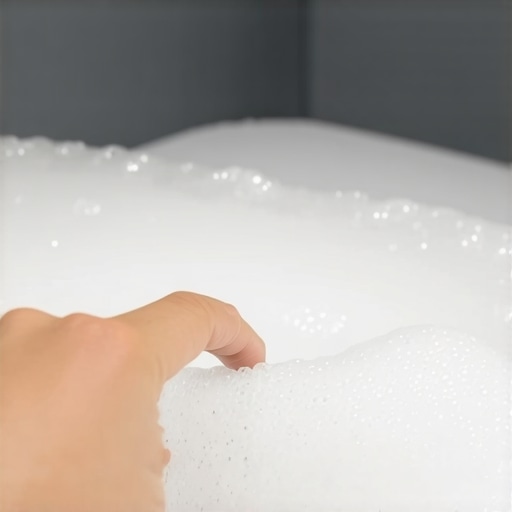
I stood there in my laundry room, socks damp from a rogue splash, staring at a tub of gray water that refused to move. My old top-loader had just stopped. No error code, no smoke, just a stubborn silence where the high-speed spin should have been. I’ll be honest; I panicked. I immediately started looking for same-day appliance repair for 2025 because I had three kids and zero clean uniforms for Wednesday morning. But before I hit call, I remembered a lesson I learned the hard way years ago during a DIY disaster. Today, we are going to dive into why that little click—or lack thereof—is the only thing standing between you and dry clothes.
That Tiny Click That Saves You a Fortune
Years back, I made a massive rookie mistake. My washer stopped spinning, and I assumed the motor had breathed its last. I went out, bought a new one, and spent a long Saturday sweating through the appliance repair and installation process only to find it still didn’t work. The culprit? A three-inch piece of plastic called the lid switch. I’d spent hundreds of dollars and a whole weekend because I didn’t check the simplest component first. If your machine fills up and agitates but then just sits there like a heavy, wet paperweight, you’re likely facing this exact same gatekeeper. I want to help you avoid that expensive pitfall.
Can a Small Plastic Tab Really Kill My Washer?
It seems almost insulting, doesn’t it? This massive, heavy machine that can handle ten pounds of towels is held hostage by a tiny electrical toggle. But it is a vital safety feature. If the machine thinks the lid is open, it won’t spin to prevent anyone from reaching into a high-speed drum. According to Consumer Reports, safety-related sensor failures, including lid switches, are a top reason for service calls on older top-load models. Sometimes, you might think you need a secret reset code, but no amount of button-mashing will fix a physical break in the circuit. The good news is that this is a fix you can often handle yourself without needing a degree in electrical engineering. We’re going to walk through how to test it and when to admit defeat and call for fast, trustworthy appliance installation near you if you decide a new unit is a better investment than a repair. Have you ever been betrayed by a finished cycle only to find a swamp inside your washer? It is a rite of passage for every homeowner. If you have also noticed that your washing machine bangs loudly before it quits, the lid switch might have actually been vibrated out of place over time. Let’s get our hands a little dirty and see if we can save you that service fee today.
Diagnose the Silence Without a Tool Belt
Before you start tearing panels off, we need to determine if the switch is actually broken or just being stubborn. Think of the lid switch as a hall monitor; if it doesn’t report that the door is closed, the motor simply won’t get the ‘go’ signal. You can often test this with nothing more than a pencil or the blunt end of a screwdriver. With the lid open, find the small hole where the lid tab usually inserts. Press down firmly with your tool. If you don’t hear a distinct ‘click,’ the mechanical arm inside is likely snapped. I once tried to ‘rig’ a failing switch with a piece of duct tape and a popsicle stick just to finish a load of towels. It worked for exactly twenty minutes before the vibration shook it loose, leaving me with a flooded floor and a deeper mess. Don’t be like me; if it doesn’t click, it’s time to replace it. 
Try the Pencil Trick Before Buying Parts
If you do hear a click but the machine still won’t spin, the electrical contacts inside the switch have probably scorched. This is common if your machine has been vibrating heavily, which is why you should check the one screwdriver turn that levels a rattling washer to prevent future failures. If you have a multimeter, you can check for continuity. Unplug the machine—safety first—and set your meter to the ohms setting. Touch the probes to the switch terminals. If the needle doesn’t jump when the switch is pressed, the circuit is dead. At this point, you might wonder if this falls under same-day service warranty coverage, but most manufacturer warranties exclude ‘wear and tear’ items like plastic switches unless the unit is brand new.
How to Crack Open the Console Safely
Most top-loaders are held together by just a few hidden screws. On older models, you’ll find them at the base of the control console or hidden under plastic end caps. Once those are out, the console usually flips up and back on hinges. This is where people get intimidated, but it’s just a few wires. If you find the wiring looks melted or charred, you are looking at a more serious electrical issue. In those cases, you’ll want to understand what to expect from same-day appliance repair experts before you start poking around live circuits.
Swapping the Part for a Permanent Fix
Once you have the console open, the lid switch is usually held in by two screws and a single wire harness. Disconnect the old one, screw the new one in, and plug the harness back together. It’s like a Lego set for adults. However, if you find that the plastic housing around the switch is cracked, you might need a more robust appliance repair and installation approach. Always double-check that the new switch aligns perfectly with the lid tab. If it’s even a millimeter off, the machine will think the door is open every time it hits a heavy spin cycle. This simple alignment saves you from the frustration of the reason your warranty claim was denied because of ‘improper self-repair’ later on.Most people see ‘same-day’ as a luxury or a marketing ploy, but in the appliance world, speed is actually a cost-saving measure. If you have a fridge full of $400 worth of groceries, paying a premium for what to expect from same-day appliance repair experts is significantly cheaper than losing your organic ribeyes. A study by the Association of Home Appliance Manufacturers suggests that food spoilage begins within four hours of power loss in a closed fridge. This is why I always tell my neighbors that ‘waiting it out’ is the most expensive mistake you can make. But here is the real trap: the ‘DIY vs. Warranty’ tug-of-war. We love the satisfaction of a quick fix, but there is a nuance most homeowners miss. Even if you successfully fix that lid switch yourself, you might be setting yourself up for failure later. Have you ever fallen into this trap? Let me know in the comments because I certainly have.
Does a Small DIY Fix Void Your Multi-Year Protection Plan?
This is the advanced question I get all the time. Technically, under the Magnuson-Moss Warranty Act, manufacturers cannot void your entire warranty just because you used a third-party part or performed a minor repair. However, they can—and will—deny a claim if they can prove your repair caused a secondary issue. If you didn’t how to ensure reliable appliance installation in 2025 or if your ‘fix’ led to a short on the main control board, you are out of luck. This is the reason your warranty claim was denied for thousands of frustrated owners every year. It is not just about the fix; it is about the paper trail. You need to know how to maximize your appliance warranty during emergency repairs by keeping every single scrap of paper. I cannot stress this enough: the maintenance receipt you must save for future claims is the only thing that stands between you and a massive replacement bill. If a pro comes out, even if it is just for a 15-minute diagnostic, that receipt proves the machine was maintained by a technician. Without it, you are just a person with a screwdriver and a dream, which does not hold much weight with insurance adjusters. 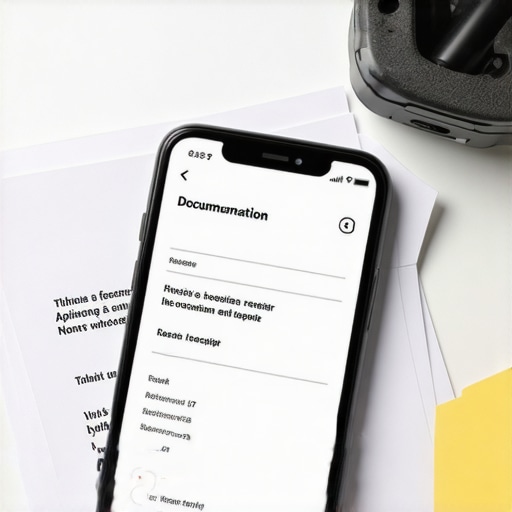 To truly stay ahead of the game, you should also look into top tips for same-day service warranty coverage so you know exactly what is included before the technician knocks. Don’t let the simplicity of a plastic switch blind you to the complexity of the contracts protecting your home.
I have spent a decade tinkering with machines, and if there is one thing I have learned, it is that a fifteen-dollar multimeter is often worth more than a two-thousand-dollar replacement unit. I personally swear by the Fluke 101 for my home kit because it is compact enough to fit in a kitchen drawer but precise enough to handle the high-voltage spikes of a dryer without frying its own internals. Most DIYers buy the cheapest generic tool at the hardware store, but those often lack the ‘True RMS’ reading capabilities required for modern inverter-driven motors. If you want to how to ensure reliable appliance installation in 2025, you need accurate data, not a cheap guess. Beyond the tools, the real secret to longevity is in the ‘invisible’ maintenance that most homeowners ignore until the machine stops mid-cycle. For instance, did you know the secret screen filter in your washer water inlet valve is the number one cause of ‘slow fill’ errors? Most people panic and call for scheduling your appliance repair for same-day service in 2025 when all they really needed was a toothbrush and some white vinegar to scrub a tiny mesh screen. This is the difference between a five-minute fix and a three-hundred-dollar service bill.
How do I maintain my laundry setup over time?
Maintenance is not about waiting for a sound; it is about scheduled observation. According to the technical bulletins on the Service Matters portal used by factory-certified technicians, improper leveling is the primary catalyst for premature bearing failure in front-load machines. I recommend checking your machine’s level every six months because floors settle and rubber feet wear down. If you ignore it, you will eventually find that your front load washer is shaking the whole house, which can literally vibrate solder joints loose on your expensive control board. I predict that within the next three years, we will see a massive shift toward ‘predictive diagnostics’ where smart sensors alert your phone to a failing pump before it actually leaks. Until then, you are the sensor. Make it a habit to feel the drain hose for sediment buildup and check the bellows for mold. If you find that the machine is already acting up, look into affordable same-day appliance fixes with warranty benefits so you can get a pro out before a minor vibration becomes a structural failure. 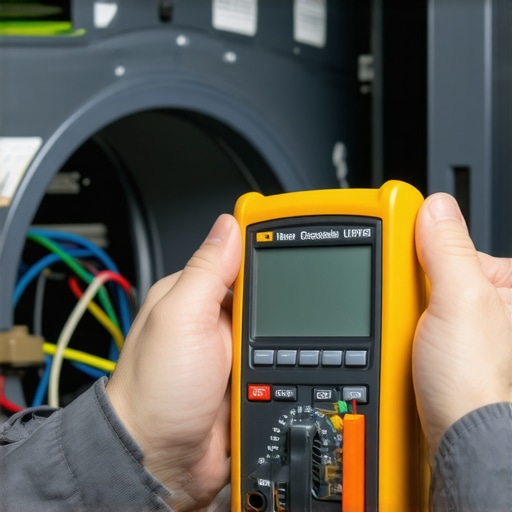
Scaling your home maintenance means moving from reactive repairs to proactive upgrades. One advanced tip I always give my friends is to swap out those factory-standard rubber hoses for braided stainless steel immediately. Rubber hoses have a shelf life and can burst without warning, leading to thousands in water damage. This simple ten-minute upgrade is part of a complete expert guide to appliance repair and installation today that every homeowner should follow. If you are already dealing with a machine that won’t cooperate, you might need to know what to expect from same-day appliance repair experts to ensure they are checking these high-wear items while they are on-site. Don’t just settle for a fix; ask for a full system health check. To truly protect your investment, you must maximize your appliance warranty during emergency repairs by insisting that every part replaced is an OEM (Original Equipment Manufacturer) component. This keeps your long-term warranty-backed appliance services you can rely on intact and ensures that your ‘fix’ does not become the reason for a future breakdown.
The Costly Lesson I Learned About Shortcuts
I used to think every machine problem was a DIY challenge, but I eventually realized that knowing when to step back is the real pro move. One mistake I see often is homeowners replacing parts with cheap knock-offs from auction sites, only to find that why third-party warranty companies deny legitimate claims usually comes down to these uncertified modifications. If you are in a pinch, it is always better to maximize your appliance warranty during emergency repairs by using OEM parts. This protects your investment and ensures that your machine doesn’t become a fire hazard later on. I’ve learned that a paper trail is just as important as a screwdriver when it comes to long-term machine health.
The Diagnostic Kit I Keep in My Kitchen Drawer
You don’t need a massive workshop to keep your appliances running. Aside from a reliable multimeter, I suggest every homeowner keep a copy of their expert guide to appliance repair and installation today bookmarked on their phone. I also swear by a simple torpedo level; it is shocking how often the one screwdriver turn that levels a rattling washer can solve a ‘won’t spin’ error before you ever have to open the cabinet. Finally, keep a small brush handy for cleaning sensors—dust is the silent killer of modern electronics. These small investments pay for themselves the first time you avoid a service call fee.
#IMAGE_PLACEHOLDER_E#
Take Back Control of Your Laundry Room
Fixing your own washer is about more than just saving money; it is about the peace of mind that comes with understanding the heart of your home. Whether you decide to tackle that lid switch yourself or choose scheduling your appliance repair for same-day service in 2025 to get it done right the first time, you are now equipped with the knowledge to make the smart call. Don’t let a small piece of plastic hold your household hostage. You have the tools, the data, and the plan to get your laundry moving again. Have you ever attempted a repair and realized you were way over your head, or did you have a ‘eureka’ moment that saved the day? Let me know in the comments below!