
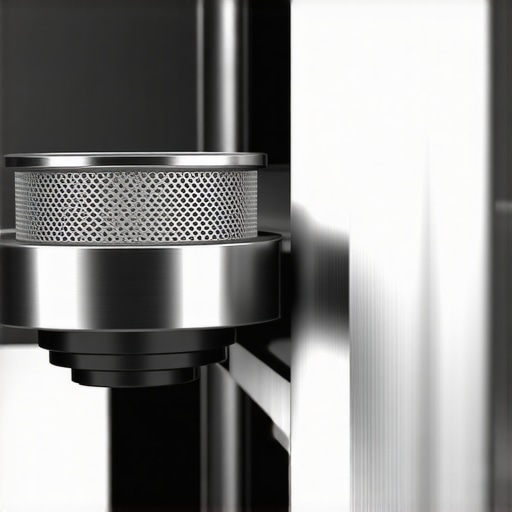
I was standing over my top-loader last Saturday, coffee in hand, watching a trickle of water that wouldn’t have been enough to fill a teacup, let alone a load of towels. The timer said forty minutes left, but the tub was bone dry. My first thought? ‘Great, there goes five hundred bucks on a new machine.’ I’ve been there before, and it’s never a good feeling. We rely so much on our appliances that the second they stutter, we panic. Today, I’m going to show you that your ‘broken’ washer might just be a victim of a dirty secret hiding right where the hoses connect. We are going to fix that slow-fill problem once and for all. [image placeholder]
My Washer Filled So Slowly I Thought the Pump Was Dead
For a long time, I assumed that if the water wasn’t coming in, the inlet valve was simply fried. I even once went as far as looking for affordable same-day appliance fixes with warranty benefits because I was convinced the electronics had given up the ghost. But then I realized I was overcomplicating things. I remembered a time early in my DIY journey when I replaced an entire valve assembly, spent eighty bucks, and wasted two hours on the floor, only to realize the new one didn’t work any better. Why? Because the problem wasn’t the valve itself; it was the sediment-choked screen inside. It’s a classic mistake that even seasoned homeowners make. You see, these screens are the unsung heroes of your laundry room, catching every bit of grit and rust before it can ruin the delicate internal components of your machine. If you’ve noticed why your washer water levels are always too low, it’s almost certainly this little mesh filter screaming for help.
Does Cleaning a Tiny Screen Really Save You a Repair Bill?
You might be skeptical. Can a piece of plastic the size of a fingernail really stop a heavy-duty appliance in its tracks? Absolutely. According to the Water Quality Association, micro-sediments and mineral scale are a primary cause of premature failures in water-using appliances. This isn’t just about speed; it’s about protection. When that screen is clogged, your valve has to work twice as hard, and that’s how you end up needing an expert guide to appliance repair and installation today sooner than you’d like. I want to save you that headache. We’re going to walk through how to safely pop those screens out without snapping them—and trust me, I’ve snapped a few in my time. We’ll also look at why your washing machine hose is a ticking time bomb if you don’t handle the disconnect properly. Have you ever noticed your washer taking longer and longer to finish a cycle, or have you just been ignoring that annoying hum while it struggles to fill? Let’s get your machine back to its former glory without spending a dime on parts.Think of your washer’s water inlet valves like the nostrils of the machine. If they’re plugged with dust—or in this case, calcium and rust—the machine simply can’t breathe. When that happens, your cycles take twice as long and you’re left wondering if you need a new appliance entirely.
Stop the Water Before You Start the Work
The first rule of DIY appliance work is simple: don’t make a bigger mess than you started with. I’ve seen people yank a hose off a pressurized line, and suddenly the laundry room is a water park. You need to turn off the hot and cold water spigots behind the machine first. If they’re stuck, don’t force them with a pipe wrench; you might need fast trustworthy appliance installation near you just to fix the plumbing. Once the water is off, unplug the power. It seems like overkill for a water issue, but water and electricity are a bad mix, especially when you’re leaning over the back of a metal box.
The Two-Minute Shutdown and Hose Disconnect
With the valves off, place a small bucket or a thick towel under the hose connections. Unscrew the hoses from the back of the washer. This is where I usually find the first sign of trouble. If the hose feels stiff or shows cracks, remember that why your washing machine hose is a ticking time bomb—this is the perfect time to replace them with braided stainless steel. Once the hoses are off, look into the holes on the back of the washer. You’ll see two small, usually brightly colored plastic screens.
How to Find the Gunk That’s Killing Your Pressure
These screens are often caked in what looks like wet sand or orange flakes of rust. That’s your culprit. If you’ve been getting the error code that means your washer pump is dead, check these first; sometimes the machine times out because it took too long to fill, and the computer throws a generic pump error in confusion. 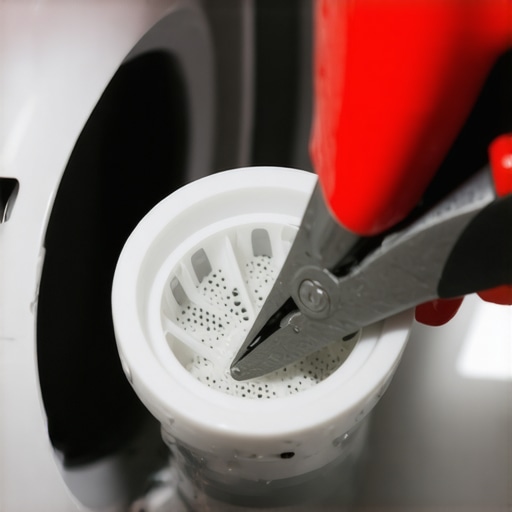
Pop Out the Screens Without Breaking the Plastic
Grab a pair of needle-nose pliers. Do not try to pry them out with a screwdriver. I learned this the hard way years ago. I was working on an old unit and used a flathead to ‘flick’ the screen out. It shattered, and half of it fell into the valve assembly. What should have been a free 10-minute fix turned into me searching for warranty-backed appliance services you can rely on because I couldn’t get the shards out. Instead, gently grasp the center tab of the screen with your pliers and pull straight back. Once they’re out, take them to the sink. A soft toothbrush and some warm water are all you need. You want to see daylight through every single tiny hole in that mesh. If the buildup is stubborn, soak them in white vinegar for ten minutes. This attention to detail is the difference between a temporary fix and an expert guide to appliance repair and installation today level of quality.Most people think that ‘same-day service’ is just a marketing buzzword designed to justify a higher service fee. In my experience, that’s a dangerous misconception. Waiting even a few days to address a slow-filling washer can lead to internal solenoid burnout, which is a much pricier fix than a simple screen cleaning. When you’re looking for what to expect from same-day appliance repair experts, you’re not just paying for speed; you’re paying for the prevention of cascading failures. I’ve seen small drips turn into flooded subfloors because a homeowner wanted to ‘wait until Monday’ to save a few bucks on a weekend call. 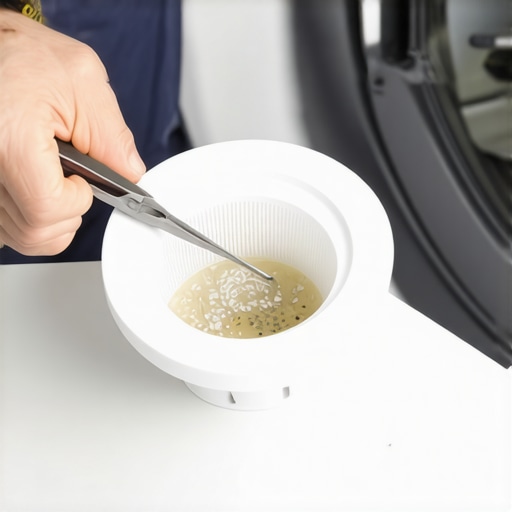
The Torque Trap That Cracks Plastic Valves
Here’s the ‘oops’ factor I promised. When you put those hoses back on, your instinct is to grab the pliers and crank them until they won’t budge. Don’t do it. Most modern washer intake valves are made of reinforced plastic, not brass. Over-tightening can hair-line crack the housing or crush the rubber gasket until it actually causes a leak rather than preventing one. Hand-tight plus a quarter turn with pliers is usually the sweet spot. If you ignore this, you’ll be searching for fast trustworthy appliance installation near you much sooner than you planned because you’ve snapped the most fragile part of the machine.
Why Does My Warranty Claim Get Denied Even When I Followed the Manual?
This is the nuance that separates the pros from the amateurs. You might think having a protection plan means you’re covered for everything, but the reason your warranty claim was denied often comes down to ‘lack of maintenance.’ According to a study by the Association of Home Appliance Manufacturers, nearly 25% of service calls for water-using appliances are linked to environmental factors like hard water or sediment—things the manufacturer considers ‘external’ to the machine’s build quality. If you don’t document that you’ve been cleaning these screens, a technician might flag the repair as ‘consumer negligence.’ This is why I always tell people to keep the maintenance receipt you must save for future claims, even if it’s just a receipt for the vinegar you used to soak the screens.
The Myth of the ‘Unfixable’ Error Code
Another common trap is trusting the error code on your screen blindly. Computers are smart, but they are literal. If the sensor doesn’t see water within a specific window, it might trigger a ‘pump failure’ code because the logic assumes the water should have been there. I’ve seen people spend hundreds on affordable same-day appliance fixes with warranty benefits for a pump they didn’t actually need. Before you call for an expert guide to appliance repair and installation today, always check the basics first. Have you ever fallen into this trap where you replaced a big part only to find it was a tiny filter? Let me know in the comments. Ensuring you have warranty-backed appliance services you can rely on is great, but knowing how to talk the talk with your technician can save you from being upsold on parts you don’t need.I don’t just fix things when they break; I prepare for the moment they might. People often ask me what is in my ‘oh no’ bag. It isn’t a mountain of expensive power tools; it is three specific items: a 6-in-1 screwdriver, a pair of bent needle-nose pliers for tight angles, and a basic digital multimeter. If you want to graduate from a weekend tinkerer to someone who achieves expert guide to appliance repair and installation today level results, you need that multimeter. It is the difference between guessing a part is dead and knowing it is. Whirlpool’s technical service manuals for top-load washers specifically state that testing the resistance of an inlet valve solenoid is the only definitive way to rule out electrical failure before checking for clogs. If the meter reads between 500 and 1500 ohms, your valve is electrically sound, and you are back to cleaning those screens we talked about.
How do I keep my washer running perfectly for a decade?
Maintenance is never a one-time event. I set a recurring reminder on my phone for every six months to pull those hoses and inspect the mesh. But there is more to long-term health than just the screens. You need to ensure you have followed how to ensure reliable appliance installation in 2025 standards, which includes checking for proper leveling. A washer that vibrates excessively doesn’t just make noise; it physically shakes internal plumbing connections loose. Over time, that vibration leads to the tiny, hidden leaks that rot out the bottom of your cabinet before you even see a puddle. I also recommend checking your drain line setup. If you don’t have a proper configuration, you might need to look into the drain hose high loop that stops dishwasher backflow, a concept that applies to many modern water-moving appliances to prevent stagnant, smelly water from sitting in the pump housing. 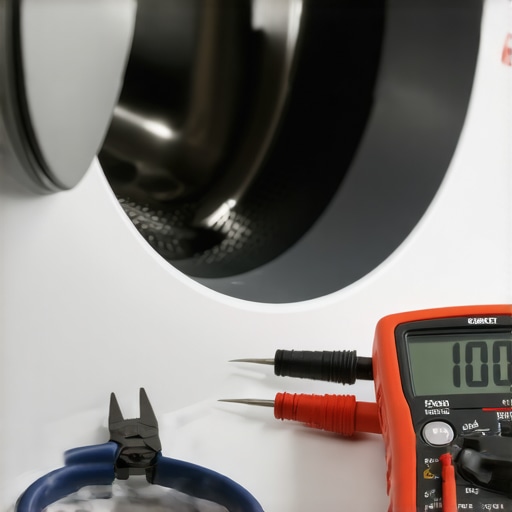
Keep the Teflon Tape Away from Your Hoses
Here is a tip that usually surprises people: stop using thread seal tape on your washer hoses. Those hoses rely on a rubber gasket to create a watertight seal against the face of the valve. When you wrap the threads in Teflon tape, you often prevent the hose from seating deeply enough to compress that gasket. This leads to slow drips that you won’t notice until the floor is soft. This kind of nuanced care is what helps you with top tips for same-day service warranty coverage, as it shows you are maintaining the unit correctly.
Your Next Repair Might Start with a Smartphone App
Beyond the physical tools, you need to be a documentation enthusiast. I keep a folder in my kitchen drawer specifically for the maintenance receipt you must save for future claims. Whenever I buy a pack of hose gaskets or a new stainless steel braided line, that receipt goes in the folder. Looking ahead, I predict that appliance brands will move toward predictive maintenance apps that tell you exactly when your filters are 80% clogged based on flow rate sensors. We are already seeing this in high-end smart models. This tech will make scheduling your appliance repair for same-day service in 2025 much more efficient because the technician will arrive knowing the exact resistance drop in your valves. For now, we have to be the smart ones. My challenge to you: go out and buy a $15 multimeter and learn how to use the continuity setting this weekend. It is the single best way to stop being intimidated by your own laundry room.
The Most Expensive Mistake I Made with a Pliers Set
Looking back at my years under various sinks, the biggest hurdle wasn’t technical knowledge; it was the ego. I used to think that if a little bit of tightening was good, a lot was better. I ended up cracking a perfectly good intake valve and needing expert guide to appliance repair and installation today level intervention because I didn’t respect the plastic. Another hard lesson? Ignoring the sediment. If you have hard water, that screen will clog again. It isn’t a failure of the machine; it is just the environment it lives in. Don’t take it personally when things slow down. Finally, I realized that the reason your warranty claim was denied often boils down to these simple 10-minute tasks that we just ‘forget’ to do. Stay proactive.
What I Keep in My Washer Repair Kit
You don’t need a truck full of gear to keep things running. I swear by these three things: first, a set of stainless steel braided hoses. If you are still using the black rubber ones that came with the machine, you are living on the edge. I always point people toward why your washing machine hose is a ticking time bomb to explain why this is my number one recommendation. Second, a basic digital multimeter. It turns ‘I think it’s broken’ into ‘I know it’s broken.’ Third, a simple maintenance log. Keeping the maintenance receipt you must save for future claims in a dedicated folder has saved me more money on warranty disputes than I care to admit.
Stop Fearing the Sound of Your Own Washer
It is easy to get intimidated by the humming and the flashing lights, but most of these machines are simpler than they look. By taking thirty minutes to clean those screens, you aren’t just fixing a fill issue; you are extending the life of the entire unit and mastering the basics of appliance repair. Whether you decide to do it yourself or eventually need fast trustworthy appliance installation near you, being an informed homeowner is your best defense against high costs. You have the tools and the knowledge now—go ahead and turn that water back on. Have you ever discovered a ‘broken’ appliance was actually just a $0 fix hiding in plain sight? Let me know in the comments below!