
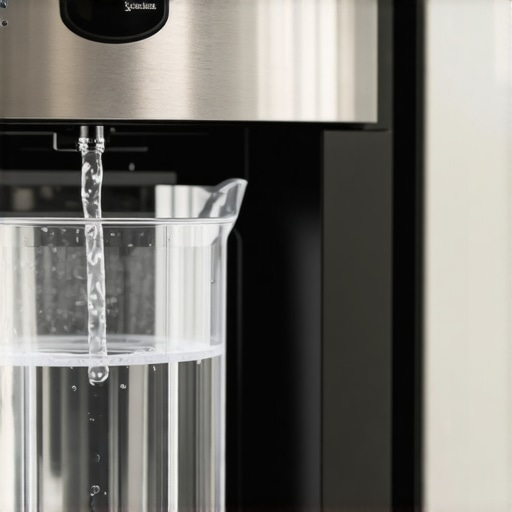
I remember the morning my brand-new French door refrigerator was finally installed. I had been eyeing that sleek stainless steel finish for months, and I couldn’t wait for that first crisp, cold glass of water. I pressed my glass against the lever, watched the clear liquid stream down, and took a massive, expectant gulp. It was disgusting. It tasted exactly like I was licking a dusty plastic pool float that had been sitting in a hot garage for three years. I panicked, thinking I had a lemon or that the installation had gone horribly wrong. I even considered calling for same-day appliance repair before I realized the mistake was entirely mine. I hadn’t flushed the water line properly. Today, I am going to save you from that chemical-tasting heartbreak by showing you how to purge those lines like a pro.
Why That First Glass of Water Always Tastes Like Chemical Soup
The reality is that your new refrigerator has been sitting in a warehouse or on a truck for a long time. The internal plastic tubing and the carbon filter itself contain manufacturing dust, carbon fines, and trapped air. If you do not clear these out, you aren’t just drinking bad-tasting water; you are potentially shortening the life of your internal components. Early in my DIY journey, I made the mistake of thinking three or four cups of water was plenty. I was impatient and didn’t want to stand there holding a pitcher. That laziness led to a clogged port in my ice maker just two weeks later because the carbon fines settled where they shouldn’t. You have to be thorough. When you ensure reliable appliance installation, the final step is always the purge. According to water quality experts at the NSF International, failing to flush a new carbon filter can result in ‘cloudy’ water and a heavy metallic aftertaste that lingers for weeks. We are going to fix that right now.
Is this just a giant waste of perfectly good water?
I get it. Standing there for ten minutes while gallons of water go down the drain feels wrong. You might think, ‘Surely the filter will just clean it as I go?’ But it doesn’t work that way. Those first few gallons carry the brunt of the sediment. If you skip this, that ‘plastic’ flavor will seep into your ice cubes, ruining every drink you make for the next month. Plus, trapped air in the line is the leading cause of that annoying dripping noise or the reason your fridge water dispenser is slow right after a filter change. Have you ever dealt with a brand-new appliance that tasted like a chemistry set on day one? I want to hear about your most frustrating ‘new fridge’ moments. Let’s look at the specific steps to get your water tasting like it actually came from a mountain spring instead of a factory floor.
Grab a Five Gallon Bucket and Get Comfortable
To get this done right, forget about using your standard dinner glasses. You are going to be here all day if you try to flush a brand-new system one cup at a time. I learned this the hard way during my first DIY renovation. I spent forty minutes shuffling back and forth from the fridge to the sink like a caffeinated waiter. Now, I just grab a large five-gallon bucket or a massive gallon-sized pitcher. Most manufacturers recommend flushing between three and five gallons. Think of your water line like a garden hose that has been sitting in the sun; you have to let the ‘stale’ water out before the cool, refreshing stuff can arrive. While you are back there, make sure you have checked your connections and know the location of the emergency water shut-off every homeowner needs to locate today just in case a fitting wasn’t tightened correctly.
Push Through the Sputter and Splash
When you first press that dispenser lever, it is going to sound like your refrigerator is coughing. This is totally normal. It is just air trapped in the lines being pushed out by the water pressure. However, do not just hold the lever down for five minutes straight. You want to use a ‘pulse’ method: hold it for thirty seconds, then let go for sixty seconds. This prevents the solenoid valve from overheating. If you just pin the lever back, you risk a hardware failure that might require same-day appliance repair before you even get to eat your first meal with the new unit. I remember the first time I saw the water turn a cloudy, dark grey. I nearly had a heart attack thinking the compressor was leaking oil into my drink. It wasn’t. It was just carbon fines from the new filter. Those tiny black specks are harmless, but they taste like charcoal. If you stop the flow the moment you see them, they will settle and eventually lead to a clogged port in your internal dispenser.
The Two Step Ice Maker Purge
Once the water from the dispenser is running crystal clear and tastes like actual water, you aren’t finished yet. The water line that feeds your ice maker is a separate branch. If you don’t purge that too, you will end up with ‘stink cubes’ that ruin your morning iced coffee. I usually let the ice maker run for a full 24 hours and dump every single cube it produces. It feels wasteful, but those first few batches are essentially sponges for any remaining manufacturing residue. If you hear a strange sound during this time, it is usually just air in the secondary line, but if it persists, you should check why your new freezer is making a loud grinding noise at night to ensure it is not a mechanical defect. Proper preparation is the bridge between a high-end appliance and a high-end experience. Skipping these steps is often why your fridge water dispenser is slow or why the flavor never seems quite right. Take the ten minutes now to do it properly so you don’t spend the next month wondering why your water tastes like a hardware store.
Now that your water is running clear, we need to talk about the ‘elephant in the kitchen’—the paperwork and protection you likely ignored while you were unboxing that shiny new toy. I see it all the time: a homeowner thinks they are being proactive by handling a minor vibration or a small leak themselves, but they unknowingly walk straight into a financial trap. Most people believe that if they can find a YouTube video for it, they should fix it. But in my years of maintaining high-end gear, I’ve learned that the most expensive tool in your shed is the one that accidentally voids your protection. For instance, the power cord error that voids your fridge warranty is a classic mistake where using an old cord on a new unit gives the manufacturer a ‘get out of jail free’ card for any future electrical claims.
The Warranty Trap Most DIYers Fall Into
Everyone tells you to save money by DIYing, but there is a nuance most ignore: manufacturers are looking for any excuse to deny a high-dollar claim. If you open up a panel to tighten a loose wire, you might be saving $100 today while risking a $1,500 control board replacement next year. This is the heart of the hidden costs of diy repairs on warranty-covered items. I once tried to ‘level’ my own dishwasher and ended up slightly bending a mounting bracket. When the motor failed six months later (a completely unrelated factory defect), the inspector saw my bent bracket and claimed ‘improper installation’ caused the motor strain. Claim denied. Have you ever fallen into this trap? Let me know in the comments because I suspect I’m not the only one who has paid the ‘education tax’ on a new appliance.
Is Same-Day Service Really Better for Your Wallet?
There is a common myth that ‘same-day’ means ‘rushed and expensive.’ In reality, waiting three days for a repair often leads to secondary damage—like a slow leak warping your subfloor or a failing compressor dragging down your entire electrical circuit. Opting for affordable same-day appliance fixes with warranty benefits is actually the more analytical choice. According to a study by the National Association of Home Builders, early intervention in appliance failure reduces long-term replacement costs by nearly 30%. When you act fast, you aren’t just fixing a machine; you are preserving the integrity of your home’s infrastructure. However, you must have your ducks in a row. You need to present the document every technician needs to see for a valid warranty visit the moment they walk through the door, or you might get stuck with the full bill anyway.
Check the Fine Print Before You Pick Up a Wrench
The Federal Trade Commission (FTC) has been cracking down on ‘warranty void if removed’ stickers under the Magnuson-Moss Warranty Act, stating that companies cannot generally void your entire warranty just because you performed your own maintenance. However, they *can* deny a claim if they can prove your DIY ‘fix’ caused the specific failure. This is why I always advocate for professional help when dealing with internal components. Even when you are trying to ensure reliable appliance installation in 2025, having a certified pro sign off on the final hookups provides a layer of legal and financial protection that no ‘how-to’ guide can offer. It’s about more than just getting the machine to turn on; it’s about making sure the manufacturer is the one on the hook when things go sideways two years down the road.
I used to think a standard household toolbox was enough for a modern kitchen, but I quickly realized that specialized gear is what separates a weekend warrior from someone who actually avoids massive appliance repair bills. For instance, if you own a garbage disposal, stop using a broom handle to try and unjam it. I swear by the specific wrench you need to unjam a disposal in seconds because it allows you to apply force directly to the flywheel without the torque damage that snaps motor seals. Similarly, for those with pets, a standard vacuum hose is a joke. You need a thin, flexible coil brush that can snake under the compressor. This is the condenser coil cleaning hack for pet owners with hairy dogs that I use every six months to keep my energy bills low and my compressor from burning out prematurely. If you don’t clear that hair, you are essentially suffocating your fridge.
Why a Standard Vacuum is Failing Your Refrigerator
Most people assume they can just ‘get the dust’ with an air compressor or a shop vac, but that often just pushes the debris deeper into the delicate fan assembly. I personally use a crevice tool combined with a dedicated coil brush to physically agitate the dust before suctioning it away. This mechanical cleaning is the only way to ensure the heat exchange happens efficiently. According to the Association of Home Appliance Manufacturers (AHAM), consistent maintenance like cleaning condenser coils can improve energy efficiency by as much as 30%. When your fridge isn’t struggling to breathe, the internal components don’t have to cycle as often, which significantly delays the day you need to call for warranty-backed appliance services you can rely on.
How can I ensure my appliances last a full decade?
It ultimately comes down to ‘preventative friction.’ Every time you run a load of laundry or wash dishes, you are wearing down bearings and seals. However, small, disciplined habits—like checking for the maintenance step that extends the life of your high efficiency washer—can literally double the machine’s lifespan. I make it a point to inspect my washer’s rubber bellows every month for stray coins or hairpins that can puncture the seal. If you ignore these tiny intruders, you’ll find yourself scheduling your appliance repair for same-day service in 2025 much sooner than you ever anticipated. The goal is to move from a reactive mindset to a proactive one where you are the master of your home’s infrastructure.
The Future of Home Repair is Already in Your Pocket
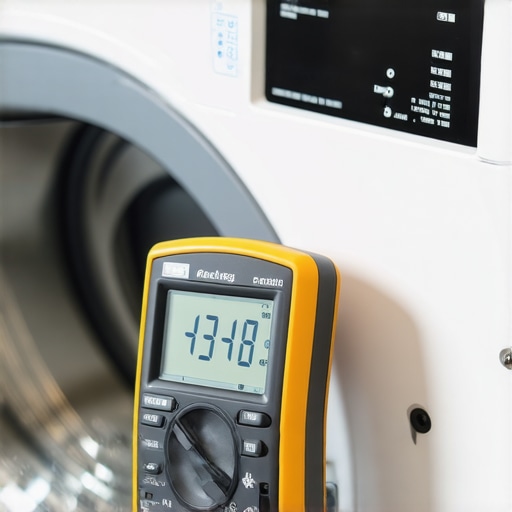
In the next few years, I predict we will see a massive shift toward ‘self-healing’ appliances equipped with AI-assisted diagnostic sensors. We are already seeing the beginnings of this with units that can alert your smartphone the second a water valve begins to weep. If your current unit doesn’t have these bells and whistles, you can still play the pro by learning how to check your hvac blower capacitor without a multimeter, though I always recommend owning a basic digital multimeter for true accuracy. As home tech becomes more integrated, the ability to read your own error codes will become a basic life skill. I highly encourage you to go pull off that bottom kickplate on your refrigerator right now and see if your service manual is still tucked away in its plastic sleeve. It is the single best piece of ‘free’ tech support you will ever own. Go find that manual today and take five minutes to read the ‘Error Code’ section—it could save you hundreds of dollars on your next service call.
The Hardest Lesson I Learned About Protecting My Kitchen Investments
After years of managing home repairs, I’ve realized that the biggest mistake isn’t a bad install—it’s losing the paper trail. Before you throw away that cardboard box, learning how to verify your new appliance is covered under the original warranty should be your first priority. I once lost out on a compressor replacement because I couldn’t prove the purchase date. Now, I tape a Ziploc bag with the receipt to the back of every machine. It sounds like overkill until you need to know how to avoid paying the service fee for a denied warranty claim during a crisis.
Another lightbulb moment was understanding the difference between a manufacturer warranty and a service contract. One protects against factory flaws, while the other is often just a prepaid repair plan. Knowing which one you are triggering dictates how you talk to the dispatcher. It’s the nuance that keeps your bank account from leaking as fast as a broken water valve.
#IMAGE_PLACEHOLDER_E#
My Essential Toolkit for Keeping the Gears Turning
I don’t believe in buying every gadget at the hardware store, but three things are non-negotiable for my maintenance routine. First, a high-quality digital multimeter is worth its weight in gold for diagnosing board issues before they become catastrophic failures. Second, the coil brush I mentioned earlier—specifically one with stiff nylon bristles—is the only way to truly clear pet dander. Finally, I always keep a copy of my expert guide to appliance repair and installation today bookmarked. Having a trusted source of truth prevents the ‘analysis paralysis’ that happens when three different YouTube videos give you conflicting advice.
Taking Full Control of Your Home’s Heartbeat
Your appliances are more than just metal boxes; they are the infrastructure of your daily life. When you take the time to flush a water line or clean a condenser, you aren’t just doing a chore—you are ensuring your home runs smoothly for years to come. If a situation ever feels over your head, don’t hesitate to look into scheduling your appliance repair for same-day service in 2025 to get a professional’s eyes on the problem. There is no shame in calling in the cavalry when your peace of mind is on the line. Have you ever found a weird spare part or an old manual hidden inside a new appliance? Let me know in the comments below!