
I was standing knee-deep in a lukewarm puddle of grey water from my dishwasher when I realized I was in deep trouble. I felt confident at first. I had my folder of ‘important papers’ and knew I had some kind of coverage. But when I called the manufacturer, they told me they only covered the parts, not the labor to actually swap them out. That is when the lightbulb finally went off. I had completely confused my manufacturer’s warranty with a service contract. That little misunderstanding almost cost me $400 in emergency labor fees on a Tuesday afternoon. It was a painful lesson in reading the fine print. Today, I am going to show you exactly how to tell these two apart so you never have to experience that sinking feeling in your stomach. We are going to clear up the jargon and make sure you know exactly who to call when things go sideways.
That Moment You Realize Your ‘Coverage’ Isn’t What You Thought
It happens to the best of us. You buy a shiny new range or a high-tech fridge, and the salesperson hands you a stack of papers. You toss them in a drawer and forget about them. I made a massive mistake early on by assuming my standard warranty would cover everything from a broken heating element to the technician’s travel time. I even tried a quick fix myself once, not realizing the hidden costs of diy repairs on warranty covered items can actually include voiding your entire protection plan. A manufacturer warranty is a promise from the people who built the machine that it will work for a set period, usually one year. If a part fails because they built it poorly, they replace it. A service contract, however, is more like an insurance policy you buy separately. It is often what people mean when they talk about warranty-backed appliance services you can rely on for long-term peace of mind. According to a study by Consumer Reports, nearly 20% of new appliances fail within the first five years, which makes knowing the difference between ‘parts-only’ and ‘full-service’ a high-stakes game for your wallet. Have you ever filed a claim only to be told it wasn’t covered? I want to hear your horror stories in the comments.
Is a Service Contract Just a Fancy Way to Waste Money?
It is the question everyone asks when they are standing at the checkout counter. Skepticism is healthy here. Some contracts are goldmines that include a maintenance contract clause that saves you on labor costs, while others are just fluff. The reality is that a manufacturer’s warranty is narrow and rigid. It doesn’t care if your fridge died because of a power surge or simple wear and tear. You need to know which document is which before the box even leaves your house. I always tell my neighbors to find the warranty document you must save before discarding the box and highlight the expiration date immediately. If you don’t know if you are paying for parts or the person fixing them, you are basically flying blind. In the next section, we will look at the specific triggers that make one better than the other depending on your specific appliance.
Stop Assuming and Start Auditing Your Coverage
To navigate the maze of appliance protection, you have to treat your documents like a legal defense. Think of a manufacturer’s warranty as a ‘defect shield’—it only protects you if the factory messed up. A service contract is more like a ‘usage shield’ that covers the wear and tear of daily life. The first step is to dig your papers out and look for the specific duration of labor coverage. Most factory warranties drop labor after the first 365 days, leaving you to pay for the technician’s travel and diagnostic fees. If you find yourself in a bind, knowing top tips for same-day service warranty coverage can save you from waiting a week for a repair while your food rots. I once spent three hours arguing with a call center about a dryer belt because I hadn’t realized my labor coverage had expired just two weeks prior. It was a $180 mistake that a simple calendar alert could have prevented.
Look for the Sneaky Labor Exclusions
When you are scanning your documents, highlight the phrase ‘Parts Only.’ This is the trap. If your fridge compressor fails under a five-year parts warranty, the part might be free, but the five hours of specialized labor to install it could cost more than a new fridge. You also need to be wary of the wear and tear clauses that might void your warranty. Manufacturers often exclude damage caused by ‘environmental factors’ like hard water or dust. If you have a service contract, these exclusions are usually much softer, which is why they cost extra upfront.
Build a Paper Trail That Wins Every Claim
You cannot win a warranty dispute with just a ‘feeling’ that you’re right. You need evidence. Most people don’t realize that a claim can be denied simply because you can’t prove you’ve maintained the machine. I recommend keeping a digital log of every time you clean a filter or de-scale a unit. Knowing how to prove periodic maintenance to keep your warranty valid is the difference between a free repair and a denied claim. I learned this the hard way when a dishwasher repair was rejected because the technician found excessive grease in the pump and I couldn’t prove I’d ever used a cleaner. 
Save Every Receipt and Proof of Purchase
The burden of proof is always on you. If you bought your appliance second-hand or moved into a house with existing machines, you need to understand the proof of purchase rule for transferring appliance warranties. Without that original receipt or a formal transfer document, the manufacturer will likely treat the ‘start date’ of the warranty as the date the machine was built, not the date it was installed in your home. This can shave months or even years off your protection. If they still push back, you should be prepared with the steps on how to challenge a warranty claim rejection for your fridge or any other major unit.
Pick the Right Pro for the Job
Once you know who is paying, you have to decide who is doing the work. If it’s a manufacturer’s claim, they will usually force you to use their ‘authorized’ technicians. If it’s a service contract, you often have more flexibility to choose someone who offers same-day appliance repair quick solutions with warranty support. Always ask the technician for a ‘detailed work order’ that breaks down the failure cause. If they write ‘part failed due to age,’ a manufacturer might deny it, but a service contract will likely cover it. This distinction in vocabulary is the key to keeping your money in your pocket.
Why Waiting a Week for Repair is a Warranty Death Trap
Most people treat ‘same-day service’ as a convenience, something you pay extra for just to avoid a trip to the laundromat. But here is the contrarian truth: in the world of modern appliances, speed is a technical requirement, not a luxury. If your refrigerator’s defrost cycle fails and you wait five days for a tech, the resulting ice buildup can warp plastic liners or stress the compressor beyond its design limits. When the technician finally arrives, they might see the secondary damage and claim it was ‘neglect’ rather than a factory defect. Securing affordable same-day appliance fixes with warranty benefits is actually a defensive strategy to prevent a small issue from cascading into a total loss that your provider refuses to cover. I have seen too many people lose their coverage because they let a minor leak turn into a major mold issue while waiting for a ‘standard’ appointment window.
Does Your Tech Actually Have the Power to Deny You?
This is the question that keeps most savvy homeowners up at night. The short answer is yes. In my years of dealing with various brands, I have learned that the field technician is often the judge, jury, and executioner of your claim. According to a report by the National Association of Service Managers, nearly 30% of warranty claims are flagged for ‘environmental or installation’ issues rather than mechanical failure. If a technician finds evidence of the shipping bolt error that ruins new washing machines, they are legally obligated to report it to the manufacturer, which will void your claim on the spot. They aren’t being mean; they just won’t get paid by the manufacturer if they fix a ‘user-error’ problem under a ‘defect’ warranty. This is why you must master the expert guide to appliance repair and installation today before you even plug the unit in.
The One Cord Mistake That Wipes Out Your Protection
The biggest ‘oops’ factor I see involves how the appliance is powered. You would be shocked how many people spend $2,000 on a smart fridge only to plug it into a cheap power strip or a worn-out outlet. I cannot stress this enough: the power cord error that voids your fridge warranty is the most common ‘gotcha’ used by inspectors. If there is a power surge and your board fries, the first thing a pro looks for is the quality of the connection. If it’s not a direct-to-wall, grounded connection, you are likely footing the bill for that $500 control board yourself. 
Proving Your Worth to the Claims Adjuster
When you are in the heat of a breakdown, you need to maximize your appliance warranty during emergency repairs by speaking the technician’s language. Don’t just say ‘it’s broken.’ Show them your maintenance logs. If you can show you have followed every step of how to ensure reliable appliance installation in 2025, you shift the burden of proof back onto the manufacturer. You are no longer a ‘clueless consumer’ but a diligent owner who did everything right. This makes it much harder for them to hide behind vague ‘wear and tear’ clauses. Have you ever had a tech walk into your house and tell you that your own installation work voided the warranty? Let me know in the comments—I want to know which brands are being the strictest lately.
Your Toolbox Needs a Specialized Upgrade
I’ve spent years poking around the guts of washing machines, and if there is one thing I’ve learned, it is that your eyes can lie to you, but a multimeter won’t. I personally keep a digital multimeter in my kitchen drawer—not because I’m an electrician, but because I refuse to be at the mercy of a vague diagnosis. When my dryer stopped heating last fall, I didn’t just call for service; I pulled the back panel and checked the thermal fuse for continuity. By the time I called for affordable same-day appliance fixes with warranty benefits, I could tell the dispatcher exactly what was wrong. This level of detail ensures the tech brings the right part on the first trip. According to technical guidelines from the Association of Home Appliance Manufacturers (AHAM), over 30% of service calls could be streamlined if owners understood basic electrical throughput. Using the expert guide to appliance repair and installation today as your manual, you can transform from a frustrated homeowner into a savvy manager of your own home’s mechanical health.
How can I maintain my machines so they actually last a decade?
Maintenance isn’t a ‘once-a-year’ event; it’s a series of small habits that protect your investment. I always recommend starting with a digital logbook. Every time you descale your dishwasher or vacuum the refrigerator coils, snap a photo and log it. This creates the one maintenance record that saves your appliance warranty claim when an adjuster tries to claim neglect. Beyond the paperwork, use specialized tools like a long-reach vent brush for your dryer and a high-quality level for your washer. A machine that isn’t level will vibrate itself to death, leading to a drum failure that your warranty might not cover if the installation was performed poorly. 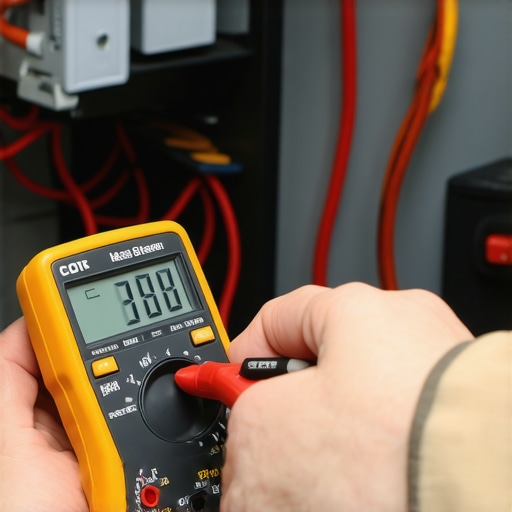
The Next Era of Repair Belongs to the Sensors
Looking ahead, I predict that the ‘dumb’ appliance is officially dead. By 2025, we are going to see a massive shift toward predictive diagnostics where your fridge tells the manufacturer it’s failing before you even notice the milk is warm. While this sounds convenient, it makes knowing how to ensure reliable appliance installation in 2025 even more critical because these sensors are incredibly sensitive to improper grounding. If your installation isn’t perfect, the software will lock you out of the machine entirely. To stay ahead of the curve, I challenge you today to pull out your dishwasher and verify you have maximize your appliance warranty during emergency repairs by checking for the ‘high loop’ in your drain line—it’s the single most common installation error that leads to motor failure.
Lessons I Had to Learn the Expensive Way
After years of navigating these fine-print minefields, I’ve realized that the most expensive part of a repair isn’t the broken circuit board—it’s the uncertainty. One of the biggest shifts in my thinking happened when I stopped viewing a service contract as a ‘scam’ and started seeing it as a pre-paid labor voucher. Most factory warranties are designed to protect the brand, not your schedule. If you want true peace of mind, you need to verify what to expect from same-day appliance repair experts before the emergency actually hits.
- Labor is the real killer: Even if a part is free, the diagnostic and travel fees for a technician can easily top $200.
- Timelines matter: A factory warranty might make you wait weeks for an ‘authorized’ tech, while a good service contract often allows for scheduling your appliance repair for same-day service in 2025.
- Maintenance is your shield: You can have the best contract in the world, but if you don’t keep the one maintenance record that saves your appliance warranty claim, you’re giving them a reason to say no.
My Personal Strategy for Total Protection
To keep my own kitchen running smoothly, I follow a three-step protocol. First, I digitize every receipt the moment the delivery truck leaves. Second, I perform a ‘stress test’ on the unit during the first 30 days to catch factory defects while the return window is still open. Finally, I always cross-reference the expert guide to appliance repair and installation today to ensure my setup won’t be flagged as ‘improper’ by an inspector later. I trust my digital logbook more than my memory, and you should too. These small habits turn a potential $500 repair into a simple phone call.
Taking the Fear Out of Your Next Breakdown
It is easy to feel powerless when a major machine starts making a grinding noise, but knowledge is your best tool. By distinguishing between your manufacturer’s defect shield and your service contract’s usage shield, you take control of the situation. You aren’t just waiting for help; you are managing a process. When you invest in warranty-backed appliance services you can rely on, you are buying your time back. Don’t let a simple mechanical failure turn into a financial crisis. Keep your records straight, stay proactive with your maintenance, and always ask about labor coverage before you sign on the dotted line. Have you ever had a service contract pay for itself in a single visit, or do you prefer to take your chances with the standard factory warranty? Let me know your experiences in the comments below.