
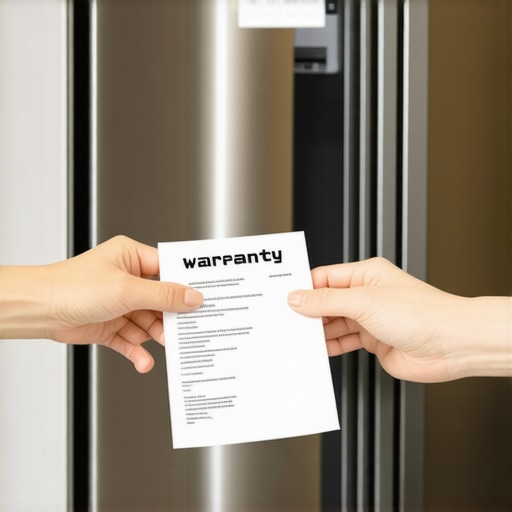
I stood in my kitchen last summer, staring at a dead control board on a ‘near-mint’ range I’d just bought secondhand from a guy moving across the country. He’d looked me in the eye and promised the three-year-old unit was still under the manufacturer’s protection. He was right—on paper. But when the technician arrived for what I hoped would be [same-day appliance repair](https://discountappliancehub.com/same-day-appliance-repair-quick-solutions-with-warranty-support), he asked for the original proof of purchase. I didn’t have it. That heavy silence cost me six hundred dollars in parts and labor. It was easily the most expensive ‘deal’ I have ever made. I learned the hard way that ‘transferable’ does not mean ‘automatic,’ and today, I’m going to make sure you never find yourself in that same sinking boat. We are going to break down the proof of purchase rule so you can actually [maximize your appliance warranty during emergency repairs](https://discountappliancehub.com/maximize-your-appliance-warranty-during-emergency-repairs) without a fight.
One Piece of Paper Stands Between You and Free Repairs
Early in my DIY journey, I made the amateur mistake of thinking a serial number was enough for a claim. I figured the manufacturer knew when the machine was built, so why did they need my paper trail? Here is the reality: the clock starts on the date of sale, not the date of manufacture. Without that receipt, the company might default to the ship date from the factory, which could be months—or even a year—before the first owner actually plugged it in. This is why [the reason your warranty claim was denied](https://discountappliancehub.com/the-reason-your-warranty-claim-was-denied) usually boils down to a lack of documentation. When you buy a used fridge or oven, you aren’t just buying the steel and the compressor; you are buying the right to their service. According to consumer protection guidelines from the Federal Trade Commission, manufacturers can strictly enforce these documentation requirements to verify the current status of a limited warranty. If you can’t prove when the original owner swiped their card, you’re basically flying blind. Have you ever been told your valid-looking warranty was actually a scrap of useless paper? Let me know in the comments—I’d love to hear how you handled it.
Does anyone actually keep receipts for five years?
It seems like a lot of work for a ‘maybe,’ but let’s be realistic: modern appliances are basically computers that happen to keep your milk cold. When a motherboard fried on my last dishwasher, having [the one maintenance record that saves your appliance warranty claim](https://discountappliancehub.com/the-one-maintenance-record-that-saves-your-appliance-warranty-claim) tucked in a kitchen drawer saved me from a $400 headache. You have to treat your appliance records like the title to your car. I now tell all my neighbors to take a digital photo of every receipt immediately because thermal paper fades faster than my interest in a ‘fixer-upper’ fridge. You need to know [how to prove periodic maintenance to keep your warranty valid](https://discountappliancehub.com/how-to-prove-periodic-maintenance-to-keep-your-warranty-valid) as well, because the proof of purchase is only the first hurdle. Once you clear that, you need to ensure the coverage actually follows the machine and not just the person.
Secure Your Paperwork Before the Machine Breaks Down
Applying for a repair shouldn’t feel like a court deposition, but that is exactly how manufacturers treat it. To get warranty-backed appliance services you can rely on, you need more than a handshake. I remember helping a friend move into her first condo; she’d bought the previous owner’s stackable washer-dryer. We didn’t just take the keys; I made her sit down and wait while we called the manufacturer right there in the empty living room. We spent twenty minutes on hold, but we successfully updated the owner profile in their database. Two months later, when the pump failed, the technician didn’t ask a single question because the system already showed her as the primary owner.
Create a Digital Archive That Never Fades
Thermal paper is the enemy of the homeowner. If you leave a receipt in a warm drawer, it becomes a blank slip of paper within a year. The moment you take possession of a machine—whether it’s a brand-new unit or a ‘new-to-you’ find—snap a high-resolution photo of the receipt and the model/serial plate. I store these in a dedicated folder in the cloud labeled ‘Home Assets.’ This ensures that even if you need scheduling your appliance repair for same-day service in 2025, you can email the proof to the service center before the van even pulls into your driveway. 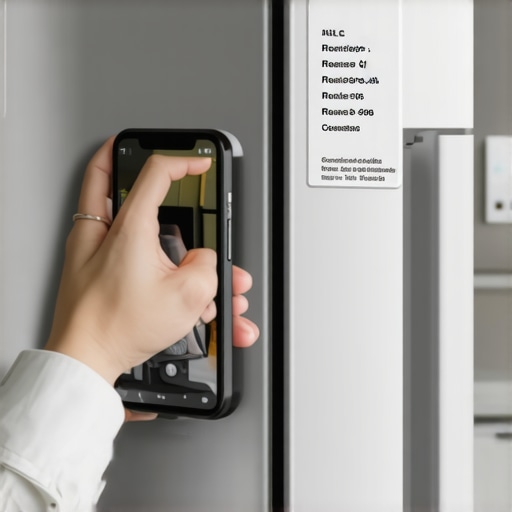
Master the Hand-Off to Keep Your Protection Active
When you are buying secondhand, the ‘transferable’ nature of a warranty is often a manual process, not an automatic one. Think of it like a car title; the manufacturer needs to know the ‘vehicle’ has changed hands. If you are looking at a high-end unit, check the expert guide to appliance repair and installation today to see if your specific brand requires a transfer fee. Some ‘premium’ brands charge fifty dollars to move the remainder of a five-year plan to a new name. It sounds like a racket, but paying that fifty dollars is much cheaper than paying for a full compressor replacement out of pocket.
Verify the Serial Number Match on Every Document
A common trap occurs when the original delivery was botched and the store swapped the unit for a different one without updating the invoice. I once saw a claim for the signs of a failing range control board get tossed out because the serial number on the stove was one digit off from the number on the receipt. The manufacturer claimed the ‘covered’ unit was never installed. Always double-check that the paper matches the metal. If you find a discrepancy, call the retailer immediately to get a corrected invoice. It’s much easier to fix a typo while the machine is working than when you’re staring at a puddle of water on the floor.
Force the Issue When the Claims Adjuster Digs in Their Heels
If you have the paper but they still deny you, don’t just hang up. You have the right to how to challenge a warranty claim rejection for your fridge or any other major appliance. Ask for the specific clause in the terms and conditions that justifies the denial. Often, a ‘denial’ is just a front-line customer service rep following a script. When you provide a clear PDF of the original sale and a photo of the how to ensure reliable appliance installation in 2025 certificate if applicable, you shift the burden of proof back onto them. Being the ‘squeaky wheel’ with a paper trail is the only way to ensure they honor the contract you—or the previous owner—paid for.Most people assume that ‘same-day service’ means the machine will be fully functional by dinner time, but that is a dangerous misconception. In reality, it often just means a technician will knock on your door today. I’ve seen homeowners get lured in by affordable same-day appliance fixes with warranty benefits only to find out the tech doesn’t carry the specific control board they need. The hidden nuance here is the first-time fix rate. According to industry data from the Service Council, the most efficient repair companies prioritize diagnostic accuracy over sheer speed. If you want the repair actually finished, you need to provide the full model and serial number during the initial call so the tech can check their inventory before leaving the shop. This is how you truly maximize your appliance warranty during emergency repairs without wasting money on multiple diagnostic fees.
Why are some extended warranty plans better than others?
It’s easy to get cynical and think all extra coverage is a waste of money, but that is a short-sighted generalization. The real divide isn’t the price; it’s the exclusion list. You have to scrutinize the wear and tear clauses that might void your warranty. A high-quality plan covers functional failures caused by normal use, while a cheaper plan might argue that a snapped belt or a worn-out gasket is preventable maintenance. I once dealt with a fridge where the company denied the claim because of the hidden costs of ignoring a slow fridge leak, claiming the owner’s negligence caused the secondary damage. When shopping, top tips for same-day service warranty coverage suggest focusing on no-lemon clauses that replace the machine entirely if the same part fails three times within a year. 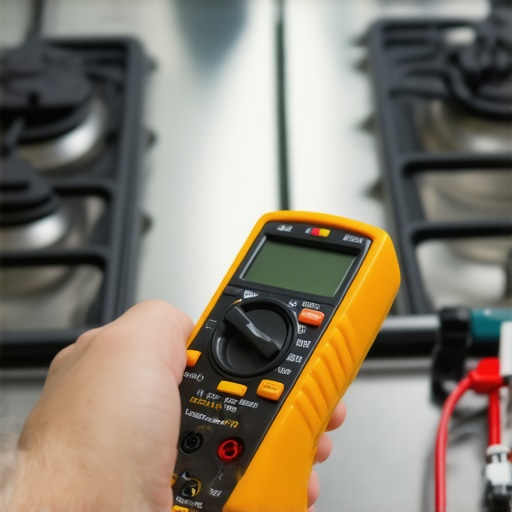
The Grounding Error That Destroys Smart Ranges
Here is a trap I see all the time: professional installers who skip the electrical basics. Many modern ranges are essentially giant computers with heating elements. If the installer doesn’t follow how to ensure reliable appliance installation in 2025, specifically regarding dedicated circuit grounding, you are headed for a disaster. I have witnessed the grounding error that makes your smart stove controls glitch lead to a completely fried mainboard within months. The manufacturer will blame the house’s wiring, and your homeowner’s insurance will blame the manufacturer. Before you sign off on a new install, verify that they’ve used the correct wire gauge for your new electric dryer or range and that the anti-tip bracket is actually bolted to the floor. Have you ever fallen into this trap where a ‘pro’ installation caused more problems than it solved? Let me know in the comments—I’m curious if I’m the only one who checks the installer’s work with a multimeter.
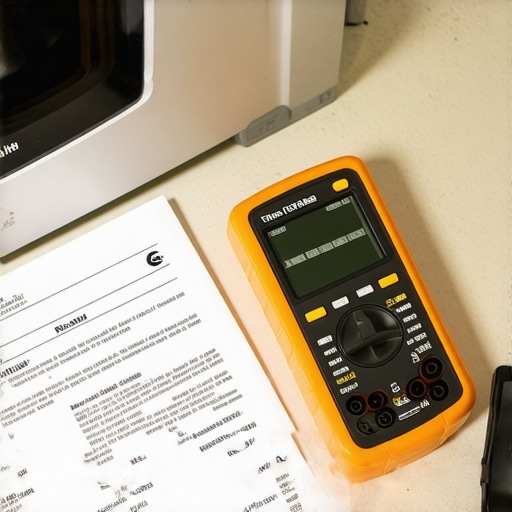
If you want to move from being a frustrated homeowner to a confident DIYer, you need to stop using the bargain-bin tools that came in a flat-pack furniture kit. I personally swear by a True RMS multimeter for any electrical diagnostic. Why? Because cheap meters often give ghost readings on modern smart boards that can lead you to buy a $300 part you don’t actually need. When you are looking for what to expect from same-day appliance repair experts, you will notice they don’t just guess; they use precision instruments to isolate the failure. Sometimes, the fix is as simple as the one screwdriver turn that levels a rattling washer, but you won’t know that unless your diagnostic game is tight.
Stop Using Cheap Tools If You Want Real Results
Beyond the meter, my most-used ‘tool’ is actually a high-pressure vacuum. Most people assume their dryer is fine as long as it gets hot, but restricted airflow is the number one killer of heating elements. I tell everyone I know that why your dryer vent needs a hard pipe upgrade isn’t just about efficiency—it’s about preventing a house fire. According to technical bulletins from Appliantology, a premier resource for professional appliance technicians, over 40% of control board ‘failures’ are actually triggered by peripheral sensor errors caused by poor maintenance rather than a faulty board itself. By keeping the internals clean, you are essentially buying yourself an extra five years of machine life.
Where Appliance Tech is Heading by 2030
Looking ahead, I predict that ‘Right to Repair’ will collide head-on with proprietary software. We are already seeing manufacturers lock diagnostic ports behind subscription firewalls. In the near future, affordable same-day appliance fixes with warranty benefits might require a digital ‘handshake’ between your phone and the machine before a tech can even open the casing. This makes documenting your own service history even more critical. If the machine’s internal log shows you neglected basic cleaning, they will use that data to auto-deny your claim before a human even reviews it.
How do I maintain these high-tech machines over time?
The secret isn’t a magic chemical; it’s geometry. For example, look under your kitchen sink. One of the most common service calls I see involves the drain hose high loop that stops dishwasher backflow. If that hose sags, dirty sink water siphons back into your ‘clean’ dishes, leading to smells and pump failures that no warranty will cover because it’s an ‘installation error.’ You should also regularly check for how to document a dead-on-arrival appliance for a full refund if you notice even a slight performance dip in the first 30 days. Never ‘wait and see’ with a new machine. If you want to stay ahead of the curve, go check your dishwasher’s drain hose right now—if it isn’t looped high against the cabinet wall, take five minutes to zip-tie it into place. It’s the easiest way to prevent a $200 plumbing bill next month.
The $600 Lesson I Will Never Forget
I used to think of a warranty as a safety net that would just ‘be there’ when things went south. The reality I learned in my own kitchen is that a warranty is a legal contract you have to actively defend. If you do not have your paper trail, you do not have a claim, regardless of how new the machine looks. I have realized that speed can often be a trap; when you are desperate and searching for how to get an emergency fridge repair before your food spoils, it is incredibly tempting to hire the first person who answers the phone. However, always take ten seconds to verify their warranty support first. I have also found that why some extended warranty plans are better than others usually comes down to the technician network—factory-authorized experts are always worth the extra effort because they have a direct line to the manufacturer’s parts department.
Tools That Actually Save Your Wallet
You do not need a garage full of heavy machinery to keep your home running, but you do need a few specific ‘digital’ and physical tools to avoid being overcharged. First, a dedicated cloud folder is non-negotiable. It is free, it does not fade like thermal paper, and it is accessible even when you are standing in the appliance aisle. Second, if you aren’t handling a repair yourself, you should prioritize finding fast trustworthy appliance installation near you. A professional install is often the only thing that prevents ‘improper setup’ from being used as a reason to deny your future claims. Finally, knowing what to expect from same-day appliance repair experts—specifically their first-time fix rate—will save you more money over time than any discount coupon ever could.
#IMAGE_PLACEHOLDER_E#
Your Home Deserves a Protection Plan That Works
At the end of the day, your appliances are the heartbeat of your home. Don’t let a missing piece of paper or a lazy installation job dictate whether your family eats a hot meal or has clean clothes this week. By taking five minutes today to organize your receipts and verify your registration, you are effectively buying yourself peace of mind for the next decade. Your appliance warranty is a valuable asset—treat it with the same respect you would a car title or a house deed. Have you ever lost out on a repair claim because of a missing receipt or a serial number typo? Let me know your story in the comments below!