
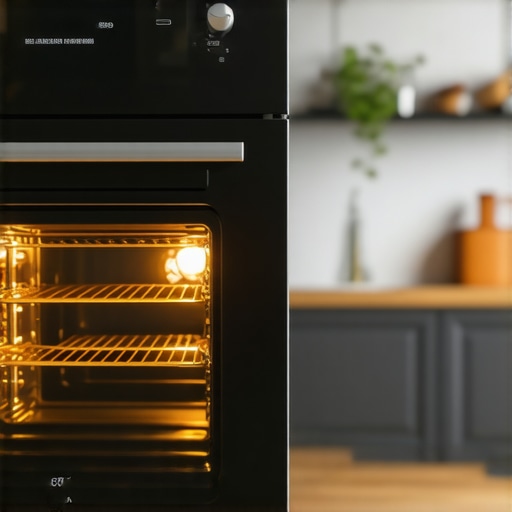
I remember standing in my kitchen last November, staring at the little red preheating light like it was a personal insult. I had a house full of guests and a prime rib that was destined to be a midnight snack at the rate we were going. I waited. I watched. The clock ticked past the thirty-minute mark, then forty. My oven was barely lukewarm. If you have ever felt that specific brand of kitchen rage, you are not alone. It is one of those subtle failures that makes you question your sanity before you question your appliance. Most modern units should hit 350°F in about 15 minutes, so if you are waiting 45, something is definitely wrong. Today, I am going to walk you through exactly why your stove has decided to take the scenic route and how we can get your dinner schedule back on track.
Your Oven Isn’t Just Slow It Might Be Struggling to Breathe
While it is easy to blame the whole machine, usually it is just one or two components giving up the ghost. I made the mistake early on of thinking I needed a whole new range, but I later realized I just needed an expert guide to appliance repair and installation today to spot the real culprit. Often, a failing bake element or a worn-out temperature sensor is the silent thief of your time. If you notice that your electric oven bakes one side faster than the other, that is a huge clue that your heating elements are unevenly distributed or failing.
Is this actually worth fixing or should I just buy a new one?
Many folks worry that a slow-to-heat oven is the first sign of total appliance death, but that is rarely the case. According to the Department of Energy, oven efficiency is heavily tied to seal integrity and sensor accuracy, both of which are relatively simple fixes. Have you ever stood there for an hour just waiting for the ‘beep’ that never comes? It is incredibly frustrating, but I promise we can narrow it down without you having to order takeout for the rest of the month. Sometimes it is as simple as checking the correct fuse or recalibrating a digital thermostat. Before you call a pro, let’s look at the most likely suspects that turn a quick preheat into a marathon. [image_placeholder]
Check the Element Before You Call the Cavalry
The most common reason for a slow-to-heat electric oven is a partially failed bake element. Think of your heating element like a giant lightbulb filament; it either works, or it doesn’t, but sometimes it develops ‘hot spots’ or thin areas before it snaps completely. I once spent three hours trying to cook a frozen pizza for a group of hungry teenagers only to realize the bottom element was barely warm while the top broiler was doing all the heavy lifting. If you see any blisters, cracks, or discoloration on that black coil at the bottom, it is time for a swap. You can often find affordable same-day appliance fixes with warranty benefits that cover the part and labor, saving you from a DIY disaster.
The multimeter test for total certainty
If the element looks fine visually, you need to check it for continuity. This is basically making sure electricity can actually flow through the part without hitting a dead end. I learned the hard way that a visual check is not enough. To do this, you will need to pull the oven away from the wall and disconnect the wires from the element. It sounds intimidating, but it is just like checking a battery. If the multimeter shows no continuity, the element is toast. Knowing this detail helps you how to avoid paying the service fee for a denied warranty claim by providing the tech with clear evidence of the failure before they even arrive. 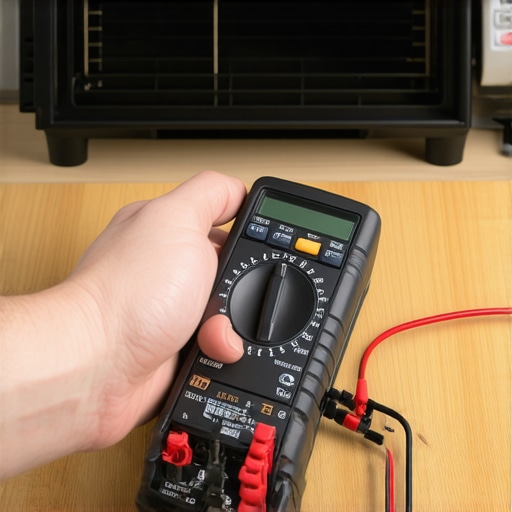
Why your gas igniter might be lying to you
Gas ovens are a different beast. Instead of a coil, you have an igniter that glows white-hot to open a gas valve. Here is the trick: just because it is glowing does not mean it is working. I recall a frantic Thanksgiving where my igniter was glowing a beautiful bright orange, yet the oven stayed cold for forty minutes. The igniter had weakened over time and was not drawing enough amperage to trigger the safety valve to release gas. If you notice why your new gas range smells like sulfur when preheating 2, it might be that the gas is flowing but the igniter is too weak to catch it quickly. In these cases, the igniter is the primary suspect and usually needs a straightforward replacement.
Recalibrating a sensor that has lost its mind
Sometimes the hardware is fine, but the ‘brain’ is confused. Your oven relies on a thin metal probe called a temperature sensor. If this sensor is touching the oven wall or is coated in years of burnt-on grease, it will give a false reading. In my first apartment, my oven was consistently 50 degrees off because a loose wire on the control board was causing interference. Checking for the one wire that always loose in your wall-oven control board can often solve erratic preheating times without replacing any expensive sensors. If the wiring is tight, you can check the sensor’s resistance with that same multimeter. It is a simple step, but much like expert guide to appliance repair and installation today, it requires a bit of patience to get the alignment exactly right.Common kitchen wisdom suggests that if your oven still works—even if it takes forty minutes to reach temp—you should save your money and wait for it to actually break. In my experience, that is the most expensive ‘savings’ plan you will ever have. When an oven struggles to preheat, the control board stays energized for double or triple its intended cycle time. This creates a massive amount of heat-stress on the sensitive electronics. A study by the Association of Home Appliance Manufacturers (AHAM) indicates that timely maintenance on heating components can extend the lifespan of an oven’s logic board by nearly 30%. By ignoring a slow element, you are effectively trading a cheap part replacement for a total control board failure later.
Stop treating same-day service like a luxury
Most homeowners view scheduling your appliance repair for same-day service in 2025 as a convenience for the impatient, but it is actually a critical preventative measure. If your gas igniter is weak, it is leaking a tiny, trace amount of gas before it finally catches. If your electric element has a hot spot, it is drawing irregular amperage that can trip breakers or, worse, melt wire nuts. Getting someone out immediately is not about being fancy; it is about stopping the ‘cascade effect’ where one failing $20 part kills a $400 component.
The hidden trap that voids your appliance protection
Here is the ‘oops’ factor that catches almost everyone: the DIY repair during the warranty period. I have seen countless homeowners try to swap a sensor themselves to save time, only to find they have accidentally voided their entire coverage. If you are under a plan, you must understand the difference between a manufacturer warranty and a service contract before you touch a single screw. Most manufacturer warranties are strictly contingent on certified labor. If a technician arrives and sees non-factory tool marks or a generic part, they are often required to flag the unit. This is exactly how to avoid paying the service fee for a denied warranty claim: keep your hands off the internal wiring until you have verified your coverage status. 
Why does your warranty provider keep asking for maintenance logs?
It feels like a stalling tactic, but there is a nuance most people miss. To how to verify your new appliance is covered under the original warranty, you often need to prove the failure was not due to ‘environmental neglect.’ For an oven, this means proving you didn’t let grease build up so thick it insulated the sensor. Always keep the document every technician needs to see for a valid warranty visit in a dedicated folder. This includes your original receipt and any previous service slips. Without this paper trail, even the most legitimate failure can be blamed on the owner, leaving you with a massive bill for something that should have been free. Beyond the paperwork, be wary of the hidden costs of diy repairs on warranty-covered items, such as losing the right to a full unit replacement if the repair fails. Have you ever fallen into this trap? Let me know in the comments.I have found that the difference between a successful fix and a weekend of frustration usually comes down to one tool: a high-quality digital multimeter. Personally, I never step into a kitchen without my Fluke 117. While cheaper models work, the accuracy of a professional-grade meter is essential when you are trying to determine if a temperature sensor is off by just a few ohms. This level of precision is exactly what separates a amateur guess from an expert guide to appliance repair and installation today. If you want to avoid the ‘parts cannon’—throwing random components at your oven hoping one works—you need to measure the resistance of your elements. For instance, most bake elements should read between 20 and 40 ohms. If yours is climbing into the hundreds, it is effectively a bottleneck for electricity, which is why your preheat time has doubled.
Grab a Multimeter and Stop Guessing
When you are dealing with a slow oven, I always recommend checking the terminal blocks for any signs of arcing or melting. I recently helped a neighbor whose oven took forty minutes to reach temp, and it turned out to be a charred wire nut that was barely hanging on. This is a fire hazard that no amount of ‘waiting it out’ will solve. If you find yourself in this situation, seeking same-day appliance repair quick solutions with warranty support is the safest move. It ensures that the repair isn’t just fast, but compliant with safety standards like those set by UL Solutions, which dictates the thermal endurance of internal appliance wiring. By using the right tools, you transition from a frustrated cook to a confident homeowner who knows exactly what’s happening behind the control panel. 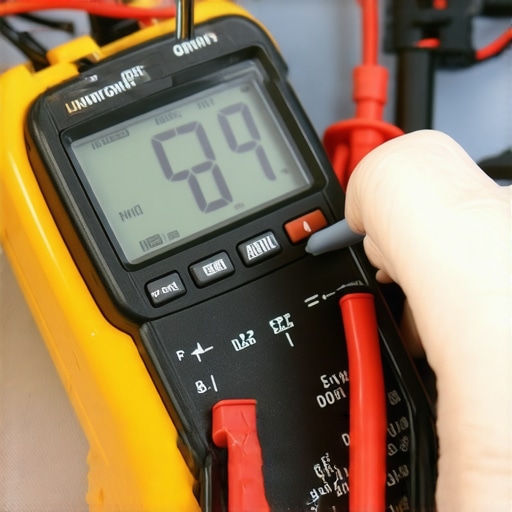
How do I maintain my oven’s heating speed over time?
Maintaining your oven isn’t just about cleaning the glass; it is about protecting the thermal envelope. Every time you open the door to ‘peek,’ you lose up to 25 degrees of heat, forcing the elements to work overtime. Over the long haul, this extra stress wears down the relays on your control board. I make it a habit to check my door gasket every six months. If you can slide a dollar bill through the door when it is closed, you are losing heat and money. Ensuring a tight seal is a foundational part of how to ensure reliable appliance installation in 2025. Additionally, keep an eye on your hinges. If they are sticking, applying the specific lubricant to use on squeaky oven door hinges can prevent the door from sagging, which is a hidden cause of slow preheating.
Your Next Range Might Repair Itself
Looking ahead, the world of appliance maintenance is shifting toward predictive diagnostics. We are already seeing high-end units that can send an alert to your phone if the igniter’s amperage draw drops below a certain threshold. In the near future, your oven won’t just be slow; it will tell you, ‘Hey, my bottom element is at 60% capacity, call for warranty-backed appliance services you can rely on now.’ This shift toward ‘smart’ maintenance will make scheduling your appliance repair for same-day service in 2025 much easier, as technicians will arrive already knowing which part failed. For now, we still have to do a little detective work ourselves. If you suspect your oven is lying to you about the temperature, I challenge you to try one thing today: go into your oven’s settings menu and look for the ‘Calibration’ or ‘Temp Offset’ feature. Most modern ovens allow you to adjust the displayed temperature by up to 35 degrees to match a manual thermometer. It is a five-minute fix that can save your next dinner party. If the offset is more than 35 degrees, it’s time to look into top-tips for same-day service warranty coverage and get a professional eyes on that sensor.
The Hardest Lesson I Learned About Procrastinating Appliance Repairs
I used to think that a slow-to-heat oven was just a minor quirk of an aging stove, but I learned the hard way that waiting for a part to fully break is a dangerous trap. My biggest lightbulb moment came when a technician explained that a weak bake element actually forces the control board to stay energized much longer than designed, eventually frying the expensive logic circuits. If you are noticing longer preheat times, seeking affordable same-day appliance fixes with warranty benefits is not just about convenience; it is a defensive move to save your stove’s computer. I also discovered that a glowing gas igniter is often a liar—it can glow bright orange and still fail to pull enough amperage to open the safety valve. Finally, I realized that many issues stem from the very beginning, which is why I now stress the importance of an expert guide to appliance repair and installation today to ensure everything is calibrated from day one. [image_placeholder]
My Go-To Resources for Keeping My Kitchen Running
When I am troubleshooting, I rely on a few specific tools and sources to keep things efficient. First, I never work without a professional-grade digital multimeter to test for continuity; it takes the guesswork out of the equation. For industry standards on appliance longevity, I look to UL Solutions and the Association of Home Appliance Manufacturers (AHAM). To protect my wallet, I always keep the document every technician needs to see for a valid warranty visit in a dedicated folder in my kitchen pantry. If I am dealing with a newer unit, I cross-reference top-tips for same-day service warranty coverage to ensure I am not accidentally voiding my protection by performing an unauthorized DIY repair.
Getting Your Dinner Schedule Back Under Control
You do not have to settle for lukewarm meals or the anxiety of a forty-minute preheat. Taking proactive steps to maintain your range ensures your kitchen remains the productive heart of your home rather than a source of frustration. Whether you decide to test the sensors yourself or opt for warranty-backed appliance services you can rely on, the key is to act before a slow preheat turns into a total failure. Reclaim your time and your cooking precision by addressing those small heating hiccups today. Have you ever had an oven fail on you right before a big holiday or dinner party? Let me know your survival story in the comments below!