
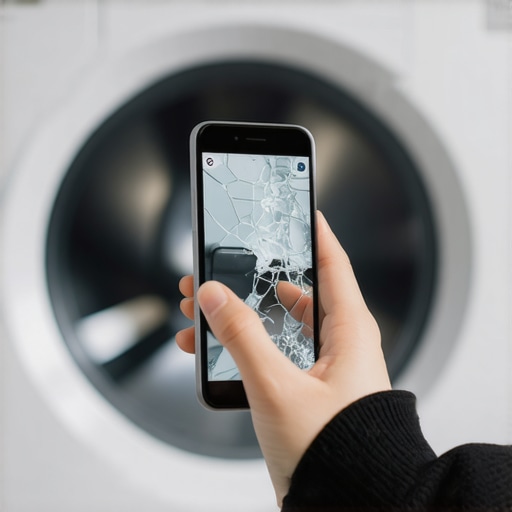
I stood there in my socks, staring at a cold, dark puddle of lukewarm milk leaking from the bottom of a three-month-old French door refrigerator. It had cost me three thousand dollars, but as I sat on hold for forty minutes, the manufacturer’s representative sounded like she was reading from a script for a robot. “Without specific proof of the initial defect,” she droned, “we cannot authorize a technician for a full replacement.” My heart sank. I had the paper receipt. I had the fancy user manual. But I had absolutely zero proof of what actually happened the moment that compressor died. That was the day I realized that owning a warranty and actually getting a payout are two very different sports. Most of us assume that a shiny plastic card in the junk drawer is enough to protect our investment, but it is not. You need a rock-solid strategy to claim your warranty when the manufacturer denies you, and that process starts with the very first click of your camera. Today, I am going to show you exactly how to build an airtight case so the insurance company or manufacturer cannot wiggle out of their obligations. We are going to turn your smartphone into a claim-winning machine.
Have you ever felt that sinking feeling when a customer service rep tells you that a clear mechanical failure is somehow not covered under your plan?
[IMAGE_PLACEHOLDER]
Stop Trusting Your Memory and Start Building a Dossier
I made a massive mistake early in my homeownership days. I let a technician come into my kitchen, take the back panel off my gas stove, and replace a control board without me taking a single photo of the visibly burnt wires. When that new board failed just two weeks later, the company claimed the original damage was caused by my home’s “faulty wiring,” not their defective part. Because I did not have the document every technician needs to see or photos of the actual failure, I was out another four hundred dollars. It was a painful, expensive lesson in why you must document your fridge failure or any appliance breakdown the second it happens. According to research by the Public Interest Research Group (PIRG), nearly one in three consumers report difficulties navigating the warranty process, often getting tripped up by a lack of evidence or specific technicalities. This isn’t just bad luck; it is a systemic hurdle designed to save corporations money. I remember my neighbor, Bill, telling me his dishwasher flooded his entire kitchen floor. He thought he was safe because he had a top-tier service contract. But when the adjuster showed up, Bill couldn’t prove the leak started before he tried to tighten the hose himself. They called it an unauthorized repair and denied him on the spot. Don’t be like Bill. Whether you are dealing with warranty-backed appliance services you can rely on or a brand-new factory unit, the burden of proof is always on you.
Does all this extra paperwork really make a difference?
You might think I am being paranoid. I get it. Life is busy, and who wants to spend an hour taking photos of a leaky dishwasher? But here is the reality: the person reviewing your claim is often looking for any excuse to hit the deny button. When you provide a dated, timestamped folder of evidence, you move from being a frustrated complainer to an informed claimant. You need to maximize your appliance warranty during emergency repairs by being the most prepared person in the room. This isn’t just about being right; it is about being undeniable. If you want that payout, you have to prove that the failure was not your fault, that it happened within the coverage window, and that you followed every maintenance rule in the book. It sounds exhausting, but once you have the system down, it takes less than five minutes. Let us get into the nitty-gritty of what those photos actually need to look like and why that boring model number plate is actually your golden ticket to a check.
Your Phone Is the Best Defense Against Denials
Treat your broken fridge like a crime scene. Before you even call for top tips for same-day service warranty coverage, you need a visual archive. I once had a microwave that would emit a terrifying grinding noise, but only for the first ten seconds of use. By the time a tech arrived, it would be as quiet as a library. Because I recorded a video showing the sparks and the sound, the manufacturer couldn’t claim “normal operation.” That 15-second clip saved me a $300 repair bill. You need wide shots of the appliance in its setting to prove you followed how to ensure reliable appliance installation in 2025 and didn’t shove it into a space without ventilation.
Grab the Serial Plate Details Immediately
This is your appliance’s birth certificate. Manufacturers often deny claims simply because a model number was entered incorrectly in the system. Take a crystal-clear, high-resolution photo of the sticker usually found inside the door frame or on the back. It is the first step in how to verify your new appliance is covered under the original warranty. If that sticker is faded or missing, you are in for a world of hurt, so protect it like gold.
Don’t Let Them Blame Your Home’s Wiring
One of the oldest tricks in the book is the “environmental factor” excuse. They will say your outlet is bad or your water pressure is too high. If you are dealing with a dead range, you need to know about the voltage issue that kills your new oven control board. I’ve seen adjusters walk into a house and blame a dishwasher failure on “hard water” without even testing the water. If you have a water softener or a pressure regulator, take a photo of it. Show them that you have met the water pressure requirement for your high-end coffee station or other appliances.
The Paper Trail That Manufacturers Can’t Ignore
Every phone call, every name of a representative, and every “case number” needs to go into a dedicated digital folder. When you speak to a tech during same-day appliance repair quick solutions with warranty support, ask them specifically what they are writing in their report. If they say “wear and tear,” challenge them immediately. Wear and tear is the “get out of jail free” card for insurance companies. You want them to document “component failure” or “mechanical defect.” Understanding the difference between a factory warranty and a service contract is vital here, as the rules for what constitutes a “failure” can shift depending on who is cutting the check.Most people think that getting a technician through the door as fast as possible is the ultimate win. I disagree. In my years of dealing with manufacturers, I’ve found that the obsession with affordable same-day appliance fixes with warranty benefits often results in a ‘band-aid’ repair. A tech under pressure to hit five more houses before 5 PM might miss the underlying cause of a failure. For example, if your fridge is warm, they might just de-ice it and leave, ignoring the fact that a faulty control board is the real culprit. This leads to the ‘Oops’ factor that kills your long-term coverage: accepting a partial fix without a documented root cause analysis. If the same part fails again outside the 90-day labor window, you’re paying full price. This is where the fine print in your home warranty that denies every claim really bites you.
Why is the first hour of a repair the most dangerous for your wallet?
It is during this initial window that a technician decides if the failure is ‘mechanical’ or ‘environmental.’ I’ve seen claims denied because a tech noted a dusty coil or a slightly unlevel floor. They will use any maintenance lapse as an excuse. This is why you must know how to prove you maintained your hvac for a warranty claim-2 or any major appliance. If you can’t show a record of cleaning those coils or changing filters, they’ll call it ‘consumer negligence.’ According to a study by the National Association of Home Builders (NAHB), lack of routine maintenance is the number one reason given for early appliance failure, and manufacturers use this statistic as a shield. #IMAGE_PLACE_HOLDER_C#
The Power Surge Trap Nobody Talks About
Here is a nuance most homeowners miss: power quality. You might think your home’s wiring is fine, but why your new smart oven needs a dedicated circuit is about more than just tripping breakers. It’s about protecting sensitive logic boards from micro-surges caused by other appliances. I once saw a $4,000 range die because it shared a circuit with a high-draw microwave. The manufacturer denied the claim, citing ‘unstable power supply,’ a common loophole. You have to ensure the voltage issue that kills your new oven control board isn’t present in your home before the tech arrives. If you’re planning a kitchen upgrade, don’t ignore the one installation move most canton kitchen remodels skip for new appliances: installing a whole-home surge protector. It’s a small price to pay to keep your warranty intact. Have you ever fallen into this ‘environmental factor’ trap? Let me know in the comments.
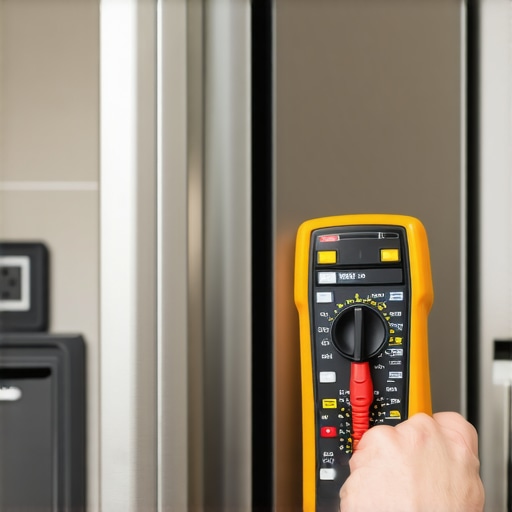
The tool I never leave the house without—and you shouldn’t either—is a simple digital multimeter. I personally use the Klein Tools MM320 because it is rugged and easy to read. I use it specifically to check the grounding and voltage of my outlets before a technician even steps through the door. If you can show a service pro that your outlet is providing a steady 120V with a solid ground, you immediately eliminate their ability to blame “home environment” issues for a blown control board. It’s about taking the “maybe” out of the conversation and securing your warranty-backed appliance services you can rely on. I also swear by a 24-inch flexible refrigerator coil brush. Most people just use a vacuum, but a brush actually breaks loose the oily dust that a vacuum misses. This prevents the heat buildup that leads to the evaporator fan move for a noisy refrigerator-2 which often signals the beginning of the end for your compressor.
Stop Smothering Your Fridge with Poor Ventilation
I’ve seen more warranty claims denied because of “improper installation” than for almost any other reason. People want that sleek, built-in look, so they shove a standard fridge into a tight custom cabinet. This is a recipe for disaster. According to the Association of Home Appliance Manufacturers (AHAM), inadequate airflow can increase energy consumption by 20% and cause the compressor to run twice as often as it should. If you don’t respect the critical airflow clearance your built-in fridge requires-2, the manufacturer will consider it consumer negligence. I always keep a laser thermometer in my junk drawer to check the ambient temperature around my appliances; if it’s consistently over 90 degrees behind the unit, I know I need to adjust the cabinetry before the hardware fails.
How do I maintain these complex machines over the long haul?
Consistency beats intensity every single time. You don’t need a full day of …scrubbing or specialized knowledge to keep your home running—you just need a system that outlasts the manufacturer’s excuses.
Why I Stopped Playing Nice with Warranty Claims
The hardest lesson I ever learned was that a warranty is not a promise; it is a legal contract with very specific exit ramps for the company. Once I realized that the person on the other end of the phone is trained to find ‘user error,’ I changed my entire approach. Now, I never report a failure without first checking my own records. This shift from being a frustrated victim to a prepared professional changed everything. I no longer wait for them to ask for proof; I lead with it. If you want to know how to claim your warranty after the store closes down or simply want to win a standard claim, you must understand that your evidence is your only currency. My lightbulb moment was realizing that a single photo of a clean filter can shut down a ‘lack of maintenance’ argument in three seconds.
[IMAGE_PLACEHOLDER_FINAL]
The Must-Have Tools for Every Homeowner’s Junk Drawer
I don’t just rely on luck; I rely on a few specific resources that have saved me thousands of dollars over the last decade. First, I always keep a digital copy of the expert guide to appliance repair and installation today on my phone for quick reference during service calls. Second, I swear by the Klein Tools MM320 multimeter to prove my home’s electricity isn’t the culprit. Third, I keep a close eye on the third-party warranty loophole that saves you hundreds on parts to ensure I’m never stuck with an unfair bill. These tools aren’t just for ‘handy’ people; they are for anyone who wants to ensure they aren’t being taken advantage of by a corporate script.
Start Protecting Your Investment Today
You’ve worked hard for your home and the appliances that keep it running. Don’t let a messy drawer or a missed photo be the reason you pay for a repair that should be free. By being proactive and documenting the small things, you are building a wall of protection around your bank account. You have the power to turn a denial into a check just by being the most organized person in the room. When you understand what to expect from same-day appliance repair experts and back it up with your own dossier, you become undeniable. Have you ever had a warranty claim denied for a reason that felt like a complete reach? Let me know your story in the comments below!