
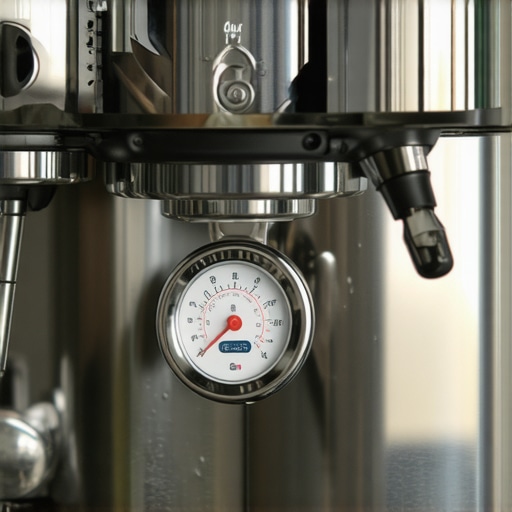
I stood in my kitchen, sweat beads on my forehead, clutching a fifteen-dollar bag of single-origin beans while my brand-new Italian espresso machine made a sound like a dying vacuum cleaner. It wasn’t the machine’s fault. It was mine. I had spent months researching portafilters and grinders but exactly zero minutes thinking about the water pressure behind my drywall. I learned the hard way that a high-end coffee station is only as good as the plumbing feeding it. If you’ve ever watched your dream appliance sputter and fail on day one, you know the heartbreak. Today, I am going to make sure that never happens to you by breaking down exactly what your home pipes need to handle.
Your Fancy Machine Needs More Than Just Beans
Most people assume that if water comes out of the faucet, it is good enough for a coffee maker. That is a trap. These prosumer machines are sensitive beasts. They require a precise flow to ensure the rotary pump does not cavitate—a fancy word for destroying itself while sucking air. When I first set mine up, I ignored the reliable appliance installation protocols I now swear by. I thought I could just T-off my sink line and call it a day. Instead, I ended up with a machine that could not reach the nine bars of pressure needed for a real shot. I actually caused a pressure valve error similar to what you might see in a dishwasher because the intake was so inconsistent. Getting the flow right is the difference between a golden espresso and a bitter, watery mess.
Is a dedicated water regulator actually worth the hassle?
You might be thinking this sounds like massive overkill for a cup of joe. I thought so too, until I realized that home water pressure fluctuates wildly depending on who else is using the shower or the washing machine. One minute it is fine, and the next, someone flushes a toilet and your three-thousand-dollar investment is screaming for help. According to the Specialty Coffee Association (SCA), the ideal static water pressure for brewing equipment should be between 30 and 50 PSI to prevent internal damage and ensure shot consistency. Early on, I made the mistake of using a cheap plastic connector that restricted the flow so much the machine’s sensors kept triggered a hard shutdown. You really need to follow an expert guide to appliance repair and installation today to understand how these small plumbing components impact the longevity of your gear. Have you ever had an appliance act up just because of a simple utility issue like this? It is incredibly frustrating, but fixing the water line is way cheaper than replacing a burned-out pump. Let’s look at the specific tools you need to get this right.Your first move is to identify the nearest cold water source, usually under the kitchen sink. Don’t just pierce a pipe; you want a solid T-junction. I remember the first time I tried a ‘self-piercing’ valve on a whim. It leaked within three days, and I spent my Saturday morning mopping up a lake instead of pulling shots. You need a real compression T-fitting to ensure a leak-proof seal. This is the foundation of fast trustworthy appliance installation near you that actually lasts. Once you have your tap, you absolutely must install a dedicated pressure regulator. Think of this as the ‘bouncer’ for your plumbing. City water pressure can spike at night, and without a regulator, that extra force will blow the internal seals of your coffee machine. I set mine to exactly 35 PSI. It’s a small detail that saves you from the same pressure valve error that causes your dishwasher to overflow when the intake becomes too aggressive.
Don’t skip the regulator unless you like buying new pumps
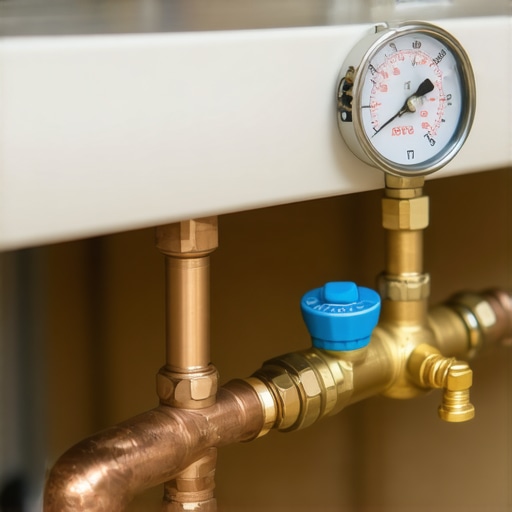
Install a dedicated shut-off within arm’s reach
Next, you have to talk about the ‘kill switch.’ You need to place the emergency water shut-off every homeowner needs to locate today right under the counter or behind an accessible panel. I once had a braided line develop a pinhole leak while I was in the middle of steaming milk. If I had to run to the basement to turn off the main, my hardwood floors would have been ruined. Having a local shut-off meant I could stop the flood in two seconds. It’s a basic safety step, but it’s one that distinguishes a hobbyist from someone following an expert guide to appliance repair and installation today.
Flush the lines to clear out construction debris
After the pipes are connected, do not—I repeat, DO NOT—connect the line to your machine yet. You need to perform a deep flush. I learned this when I ruined a $200 solenoid valve because a tiny flake of copper from a fresh cut got lodged in the seat. You should follow the proper way to flush your refrigerator water line by running at least two gallons into a bucket first. This clears out flux, solder bits, and dust. If you skip this, you’ll end up looking for the tiny screen inside your washer hose thats blocking the water, or in this case, the coffee machine’s intake, which is much harder to clean.
Use braided stainless steel for ultimate peace of mind
Finally, use braided stainless steel hoses instead of plastic poly-tubing. Plastic gets brittle over time, especially if it’s near a dishwasher or oven that puts off heat. I’ve seen poly-lines crack and spray water like a fountain. Braided steel is the gold standard for how to ensure reliable appliance installation in 2025. It’s flexible, burst-resistant, and won’t kink when you push the machine back into its final position on the counter. Taking these steps might take an extra hour, but it’s the only way to sleep soundly knowing your coffee station isn’t a ticking time bomb.Let’s dig deeper into the bureaucracy of keeping these machines alive. Everyone tells you that speed is king. If the fridge stops cooling, you want someone there before the milk spoils. But chasing the fastest clock is often a recipe for a ‘band-aid’ fix. In my years of tinkering, I’ve realized that ‘same-day’ is often a marketing buzzword rather than a quality metric. While scheduling your appliance repair for same-day service in 2025 is a great tool, you have to ensure you are getting same day appliance repair quick solutions with warranty support from a technician who actually carries a ‘first-strike’ kit for your specific brand. Otherwise, you’re just paying a service fee for a pro to tell you that he has to order a part from a warehouse three states away.
Why your factory warranty might actually be working against you?
It sounds cynical, but the standard one-year manufacturer warranty is designed to cover the period when the appliance is least likely to fail. According to data from the Association of Home Appliance Manufacturers (AHAM), mechanical failures typically spike either in the first 90 days or after the four-year mark. If you aren’t careful about how to verify your new appliance is covered under the original warranty, you might miss the window to transition into a more robust protection plan. I’ve seen homeowners lose thousands because they thought the ‘factory’ coverage was enough, only to find out it didn’t cover the labor for a compressor swap, which is where the real cost lies.  The ‘Oops’ factor that kills most claims is the lack of a paper trail. I once tried to claim a control board replacement on a high-end range, and the adjuster asked for my ‘annual cleaning and calibration logs.’ I laughed, thinking he was joking. He wasn’t. This is exactly why your extended warranty company keeps asking for service logs. If you can’t prove you’ve done the basic maintenance—like cleaning condenser coils or descaling—they will argue the failure was ‘user-neglect’ rather than a part defect. You absolutely must keep the document every technician needs to see for a valid warranty visit in a safe place. Have you ever fallen into this trap? Let me know in the comments. It’s a painful lesson to learn when you’re staring at a heavy bill for a ‘covered’ part. When you are looking for fast trustworthy appliance installation near you, ask if they provide a digital service log. This is the hallmark of how to ensure reliable appliance installation in 2025. It’s not just about getting the machine to turn on; it’s about creating a defensive wall of documentation that protects your investment for the next decade. Maximize your appliance warranty during emergency repairs by being the most organized person in the room. Your wallet will thank you when the inevitable ‘check engine’ light finally starts blinking.
Moving from the paperwork of warranties to the physical reality of your kitchen, the real secret to longevity isn’t just a good contract—it is the small, greasy-handed rituals you perform every few months. I’ve realized that being a proactive owner is about having the right kit. You don’t need a truck full of parts, but you do need the essentials. For instance, I keep a tube of high-temperature silicone in my drawer because I refuse to listen to a squeaky door. Knowing the specific lubricant to use on squeaky oven door hinges can stop physical wear before it turns into a snapped metal bracket. It is about catching the small friction before it becomes a structural failure.
How do I keep my high-end appliances from turning into expensive paperweights?
Maintenance is mostly about airflow and cleanliness. If you have pets, your refrigerator is essentially a giant vacuum cleaner for dog hair. I’ve seen compressors die three years early because they were suffocating behind a wall of fur. Implementing the condenser coil cleaning hack for pet owners with hairy dogs once a quarter is the difference between a quiet kitchen and a thousand-dollar repair bill. Similarly, your microwave isn’t just failing because it’s ‘old’; often, it is just blind. Grease builds up on the sensors, causing it to trip out. Simply performing the sensor cleaning that fixes a microwave that shuts off after 5 seconds can save you from a premature replacement.
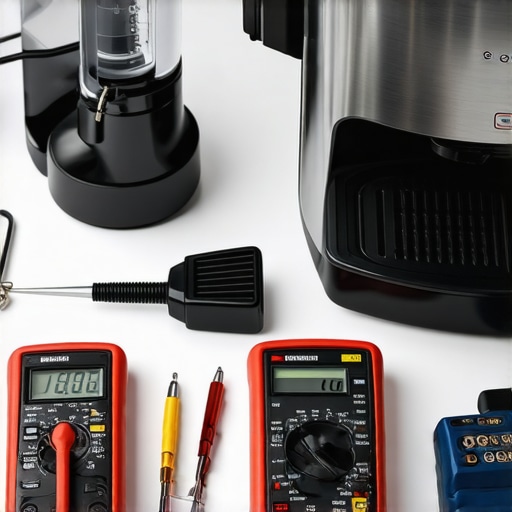
Looking forward, I predict we are entering an era of ‘Predictive Plumbing’ and smart diagnostics where your dishwasher will text you when its filter is 80% clogged. But until then, we have to rely on physics and good tools. According to technical standards from the American Society of Heating, Refrigerating and Air-Conditioning Engineers (ASHRAE), even a minor airflow obstruction can lead to critical component overheating, which is why I’m so obsessive about clearances. If your washer is vibrating like a jet engine, don’t just ‘live with it.’ Use the anti-vibration pads that save your laundry room floor to prevent the internal tub bearings from shaking themselves to death. When things do go south despite your best efforts, you want affordable same day appliance fixes with warranty benefits so you aren’t stuck without a machine for weeks.
My advice is to stop treating your appliances like furniture and start treating them like engines. Follow an expert guide to appliance repair and installation today to build your own maintenance schedule. Try this tonight: Pull your refrigerator out and spend ten minutes cleaning the coils. It is the single most effective way to lower your energy bill and avoid the panic of a warm fridge. If you stay organized and keep your tools handy, you’ll be the one homeowner who actually gets their money’s worth out of every machine.
The Hard Lessons My Puddled Kitchen Floor Taught Me
I used to think that buying the most expensive appliance was the finish line, but it is actually just the qualifying lap. The biggest lightbulb moment for me was realizing that appliances do not just fail—they are often murdered by bad utilities or neglected maintenance. If you want warranty-backed appliance services you can rely on, you have to be the first line of defense. I have learned that a simple $20 part, like a regulator, can protect a $3,000 investment from city water spikes. Another realization? Speed is not everything. It is better to wait an extra day for a specialist who knows your specific brand than to rush into a generic fix. You should always look for top tips for same day service warranty coverage to ensure your urgency does not accidentally void your long-term protection.
#IMAGE_PLACEHOLDER_E#
My Essential Maintenance Toolkit
Building a defense kit for your home is not about being a master plumber; it is about having the right specific items on hand. First, I always keep the specific wrench you need to unjam a disposal in seconds attached to the pipe under my sink. It is a absolute life-saver during holiday dinners. Second, invest in a digital pressure gauge to check your lines once a year. Third, do not just use any grease; I only use the specific lubricant to use on squeaky oven door hinges to prevent that annoying metal-on-metal grinding that leads to structural fatigue. Finally, I swear by a simple coil brush for the fridge—it is the cheapest insurance policy you will ever buy to keep your compressor from overheating.
Stop Reacting and Start Mastering Your Kitchen
You do not need to be an expert to have a reliable home, but you do need to be proactive. By mastering how to ensure reliable appliance installation in 2025, you shift the power back to yourself rather than being at the mercy of an unexpected breakdown. If you ever feel overwhelmed, just remember that every pro started exactly where you are: staring at a manual and hoping for the best. If you find yourself in a bind, knowing what to expect from same day appliance repair experts can turn a potential disaster into a minor speed bump. If you have any questions or need a hand with a specific setup, feel free to contact us anytime. You have got this.
Have you ever had a simple installation mistake turn into a major repair headache? Let me know your stories in the comments below!