
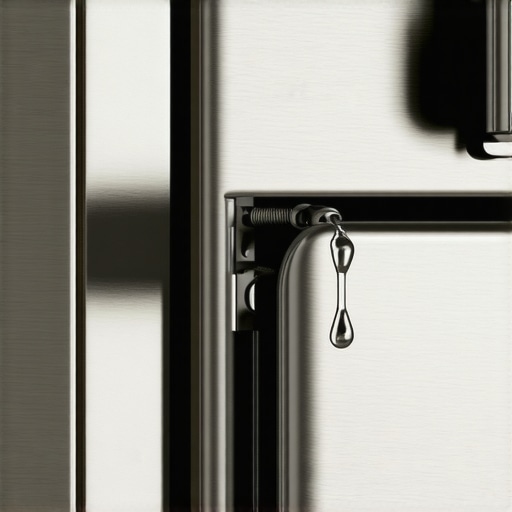
It started on a Tuesday night while I was trying to sneak a late-night snack. I pulled the handle of my range and it let out a screech so piercing I thought the neighbors would call the police. It sounded like a rusty barn door in a gale-force wind. My first instinct? I grabbed a can of standard WD-40 and went to town. Huge mistake. Not only did my kitchen smell like an auto repair shop for three days, but the moment I turned the oven on, the lubricant started smoking and turned into a sticky, black sludge. It was a classic case of me thinking I knew more than I did, and I nearly ruined the seals. If you are tired of that ear-splitting noise every time you roast a chicken, I have the answer. Today, we are going to fix that noise for good with the right food-safe, high-heat solutions that won’t leave your house smelling like burnt chemicals.
Stop That Screeching Door Without Ruining Your Kitchen
I have learned the hard way that appliances are incredibly temperamental. You might think a little squeak is just a nuisance, but it often points to metal-on-metal friction that is slowly eating away at your hinges. I remember when I ignored a simple rattle in my laundry room and ended up needing the 15 dollar part that fixes a shaking washing machine after months of neglect. The same logic applies to your kitchen. If you do not address the friction now, those hinges can bind or even snap, leading to a much more expensive door replacement. Before you start spraying random oils, you really should check your records to see if you are still covered. Sometimes scheduling your appliance repair for same-day service is a better move than risking your hands on a complex hinge assembly. Trust me, I have been there, and having a professional look at it can save you from a major headache later.
Is a little noise really worth the risk of a DIY fix?
I get it—you are probably worried about breaking something or accidentally voiding your protection plan. It is a valid fear. I once lost out on a claim because I did not keep the one maintenance record that saves your appliance warranty claim during a fridge repair. But lubricating a hinge is standard maintenance, provided you use the right stuff. According to safety experts at the National Sanitation Foundation (NSF), any lubricant used near food preparation surfaces must be H1 food-grade rated, especially since ovens can reach over 500 degrees Fahrenheit. Standard household oils will smoke and potentially ignite at those temperatures. Have you ever had a simple home repair turn into a smoky disaster in your own kitchen? Let me know, because I would love to hear I am not the only one. We are going to dive into the specific silicone-based and white lithium options that handle the heat without the drama.
Clean Off the Burnt Grease Before You Begin
Before you even touch a tube of grease, you have to get rid of the buildup. I remember once thinking I could just layer fresh oil over the old, crispy residue from a spilled casserole. It was a disaster; the new oil couldn’t reach the metal, and the heat turned the whole mess into a charcoal-like crust that eventually seized the hinge entirely. I spent two hours with a toothbrush and degreaser fixing that mistake. You need a sturdy brush and a mild, non-flammable cleaner to strip the pivot points bare. While you’re down there inspecting the hardware, it’s the perfect time to learn how to identify a genuine parts recall for your range because some hinges were actually designed poorly from the factory. If it is a design flaw, no amount of oil will fix the structural groaning.
Wipe Down the Tension Springs
When cleaning, pay close attention to the tension springs. These are often tucked just inside the frame, and they act like the muscles of your door. If they are caked in dust and pet hair, they will chew through any lubricant you apply in days. Wipe them down until the metal shines and feels smooth to the touch. If you see signs of rust or snapping metal coils, stop immediately. Attempting to force a bent hinge back into place can lead to the hidden costs of diy repairs on warranty covered items if you end up breaking the door glass or the frame mount. Sometimes, a quiet door isn’t worth the price of a full kitchen renovation because a DIY project went sideways.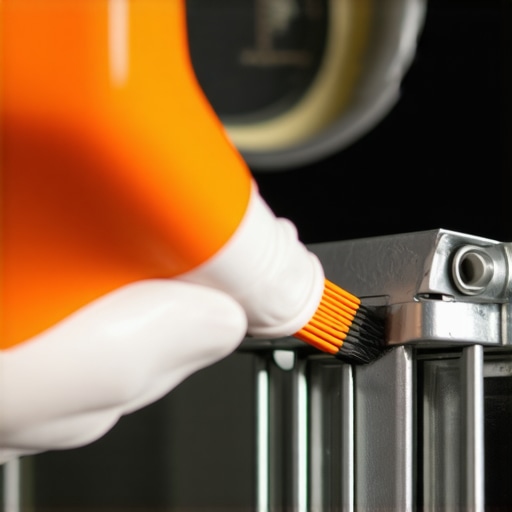
How to Tell if Your Lube Can Stand the Heat
Next, you need to be extremely picky about your lubricant. Most people reach for WD-40 or even olive oil, but both are recipes for smoke and potential fire in a kitchen environment. You need a food-grade, high-temperature silicone grease or a white lithium grease rated for at least 450 degrees Fahrenheit. If you use something that isn’t rated for high heat, you might find that why your electric oven bakes one side faster than the other is suddenly the least of your concerns as the acrid fumes from burning oil affect the flavor of your food. Look for the NSF H1 label on the packaging. This rating ensures that even if a tiny bit of the lubricant aerosolizes during a high-heat cycle, it isn’t going to contaminate your prep surfaces.
Hit the Pivot Points for a Silent Glide
The actual application is where the magic happens. You aren’t just slathering the whole door assembly. You want to target the ‘shoulder’ of the hinge and the specific points where the metal arms intersect. I found that using a syringe for the grease actually works best because it lets you get deep into the hinge housing where a brush can’t reach. It is like performing surgery on your stove, but the silence is worth the precision. Use a cotton swab to dab the grease exactly where the friction is highest. Once you have a thin layer applied, move the door up and down about ten times to work the lubricant into the tight spaces. If you accidentally bump the latch during this process and find yourself locked out, don’t panic; just remember the one button you must press to reset a locked oven door before you start prying things open. This careful, targeted approach ensures the door glides silently without dripping excess oil onto your floor. If you are still hearing a grinding sound, you might need to check your records and learn how to avoid paying the service fee for a denied warranty claim before calling in a professional technician to replace the assembly entirely.Let’s dig deeper into why simply greasing the wheel isn’t always the total victory it seems. Most people assume that scheduling your appliance repair for same-day service in 2025 is just a luxury for the impatient. But here is the contrarian truth: the longer you operate a range with a binding hinge, the more you risk a phenomenon called thermal creep in the sensor housing. Modern ovens use incredibly sensitive door-status switches that communicate directly with the main logic board. If the door does not seat perfectly on the first try because of mechanical friction, the heating element may cycle irregularly, leading to the control board essentially cooking its own capacitors. In my experience, catching this within 24 hours of that first ear-splitting screech is not about convenience; it is about preventing a cascading electronic failure. Have you ever fallen into this trap where a minor mechanical noise turned into a dead display screen? Let me know in the comments.
Don’t Let the Maintenance Label Trick You Into Voiding Your Protection
One of the biggest oops factors I see involves homeowners trying to be proactive with their DIY fixes. They perform what they think is standard maintenance, but they forget the one maintenance record that saves your appliance warranty claim. If you apply any lubricant—even a high-quality food-safe one—without documenting the specific product and the date, a technician from a third-party protection plan might flag the residue as consumer-induced damage. They are notoriously quick to claim that excess grease attracted kitchen grit, which then ground down the metal pivot. This is one of the hidden costs of diy repairs on warranty covered items that no one tells you about until the claim is denied. If you are doing your own work, take a photo of the NSF H1 label on your grease tube next to the oven’s serial number to prove you used the correct materials.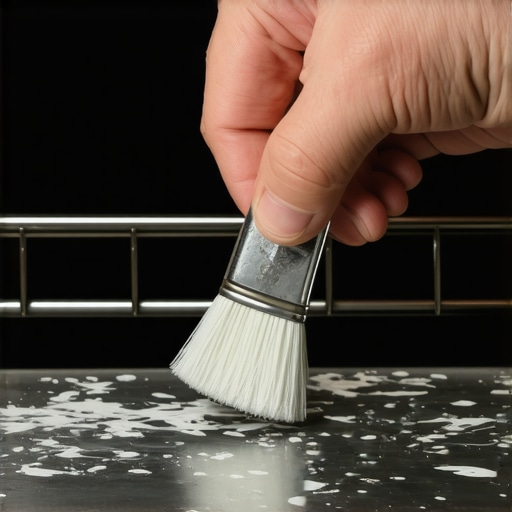
Why Does Your Door Still Feel Heavy After You Oiled It?
In many cases, the noise is just a symptom of a deeper structural issue. If you have lubricated the pivot points and the screech is gone but the door still requires significant muscle to close, your tension springs have likely lost their temper. This happens when the oven is frequently used at maximum temperature for long periods, causing the spring steel to anneal and lose its elastic memory. According to data from the Appliance Service Training Institute, high-tension springs can lose up to 15% of their effective pull over five years of heavy residential use. If you do not address the spring tension, you will eventually find that how to avoid paying the service fee for a denied warranty claim becomes a moot point because the oven frame itself can warp from the uneven pressure. If you recently inherited the appliance during a home sale, make sure you understand the proof of purchase rule for transferring appliance warranties so you can potentially get a full hinge kit replaced for free. Before you call it a day, review these top tips for same-day service warranty coverage to ensure your quiet kitchen stays that way without costing you a fortune in future repairs.The tool that changed my life for kitchen repairs wasn’t a fancy power drill; it was a simple 10ml medical-grade syringe and a flexible inspection mirror. When you are trying to see behind the frame of a built-in range, your eyes just cannot get to those awkward angles where the hinge spring connects to the chassis. I use the mirror to check for stress fractures in the metal—if I see a hairline crack, I stop immediately. Lubricating a cracked hinge is like putting a band-aid on a broken leg. Once I am sure the metal is sound, the syringe allows me to inject that H1 food-grade silicone grease exactly onto the pivot pin without getting it all over the door glass. It is about surgical precision, not just spraying and praying. If you are not comfortable poking around these sensitive components, consulting an expert guide to appliance repair and installation today or seeking affordable same-day appliance fixes with warranty benefits is a much smarter play than forcing a stuck door.
How do I keep my range door silent for years?
Consistency is the secret sauce here. I set a reminder on my phone every six months to do a ‘wipe and swipe’—wipe the dust off the springs and swipe a tiny bit of fresh grease on the pivot points. This prevents the old grease from drying out and becoming abrasive. According to technical standards from the Association of Home Appliance Manufacturers (AHAM), range hinges are typically tested for over 25,000 cycles, but that is in a clean, lab environment. In a real kitchen with grease and steam, that lifespan drops significantly without regular maintenance. You also want to keep an eye on other ignition issues while you are down there; for instance, knowing why your gas range is taking 10 seconds to ignite can help you catch a failing igniter before it leaves you without a hot meal. 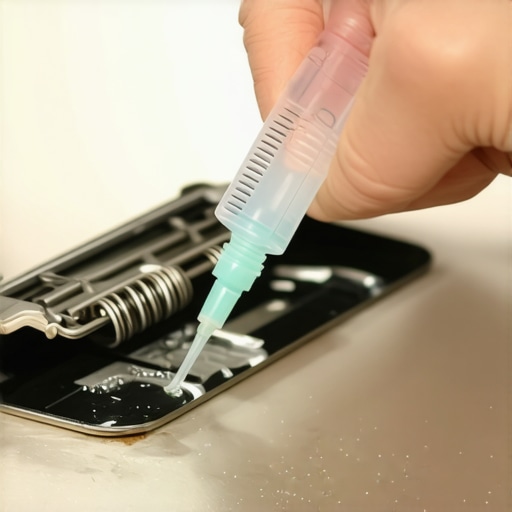 Looking ahead, I suspect we will start seeing ‘smart hinges’ in high-end appliances by 2026. These will use integrated strain gauges to alert your phone when friction levels rise or when a spring is nearing its failure point. Until then, we are the ones who have to listen for those early warnings. If you find that your DIY efforts are not cutting the noise, it might be time to lean on warranty-backed appliance services you can rely on to ensure the job is done to factory specs. Don’t wait until the door is physically hanging off the hinges. My best advice? Grab a flashlight today and look for any black metal dust beneath your hinges—that is your sign that the metal is grinding and needs help now.
The Hard Lessons My Screeching Oven Taught Me
Over the years, I have realized that appliance maintenance is more about foresight than muscle. Here are a few things that changed my approach to the kitchen forever:
- Heat changes the rules: Standard grease does not just melt; it creates carbon buildup that acts like sandpaper. Always stick to NSF H1 rated products to avoid chemical fumes.
- Documentation is your shield: I cannot stress enough how often people lose their protection because they didn’t keep the one maintenance record that saves your appliance warranty claim. Write down the brand of grease and the date you applied it.
- Listen to the first squeak: That noise is energy being lost as heat and friction, which eventually warps the hinge. If you are unsure about the structural integrity, learning how to avoid paying the service fee for a denied warranty claim can save you money before you call a pro.
#IMAGE_PLACEHOLDER_E#
The Gear That Makes Hinge Repair a Breeze
You do not need a massive toolbox to keep your kitchen quiet, but you do need the right precision instruments. I personally swear by these three items:
- 10ml Luer-Lock Syringe: This allows you to place the lubricant exactly on the pivot pin without getting it on the door gasket or glass.
- NSF H1 Food-Grade Silicone Grease: This is the gold standard for high-heat environments. It stays stable and will not smoke at roasting temperatures.
- Flexible Inspection Mirror: This helps you check the spring mounting points for rust or hairline cracks that you would otherwise miss.
If you are ever in doubt about the complex internal mechanics of your stove, checking an expert guide to appliance repair and installation today will give you the confidence to proceed or help you know when to seek professional assistance.
Silence is a Homeowners Best Friend
There is a specific kind of satisfaction that comes from a silent, smooth-gliding oven door. It makes the whole kitchen feel newer and more reliable. Do not let a minor squeak turn into a major repair bill that forces you into a replacement. By taking twenty minutes twice a year to inspect and lubricate your range, you are extending the life of your appliance and keeping your household running smoothly. If the task feels overwhelming, remember that scheduling your appliance repair for same-day service in 2025 is always a viable option to ensure your home stays functional and safe. Have you ever ignored a small appliance noise only to have it turn into a massive headache later? Let me know your story in the comments below!