
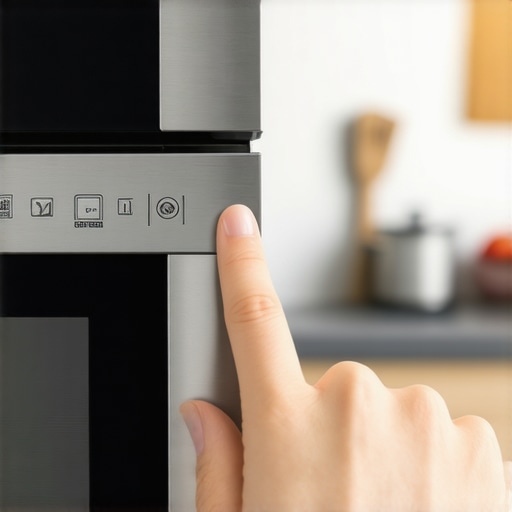
There I was, three years ago, with a prime rib roast trapped behind a glass door that refused to budge. The ‘Lock’ icon was glowing red like a tiny, mocking demon, and the kitchen was starting to smell faintly of things I didn’t want to smell. I panicked. I actually reached for a flathead screwdriver, ready to pry the door open like a bank robber. It was a massive mistake that nearly cost me a perfectly good door gasket. Thankfully, before I did any permanent damage, I realized that modern appliances are often just waiting for a specific ‘handshake’ to reset their brains. Today, I’m going to save you the repair bill and show you exactly how to bypass that digital deadbolt without breaking a sweat.
That Panic-Inducing Moment Your Oven Becomes a Vault
It usually happens right after a self-cleaning cycle or a weird power flicker. You pull the handle, and… nothing. It feels like the oven has decided it’s done for the year. My first time dealing with this, I didn’t even think to check for a control lock feature you might have accidentally turned on. Instead, I assumed the motor had died and I was looking at a five-hundred-dollar fix. But here is the secret: most of the time, the ‘Cancel’ or ‘Clear’ button is your best friend. Pressing and holding that one specific button for three to five seconds is usually the universal ‘let go’ command for the latch motor. It sounds too simple to be true, but it works more often than you’d think. This trick is a staple in any expert guide to appliance repair and installation today because it addresses the software glitch before you start tearing into the hardware.
Is it really just one button, or am I calling a repairman?
I get it. You’re skeptical. You’ve been pulling on that handle for twenty minutes and the ‘Lock’ light is still glaring at you. You might think your internal thermal fuse has blown or the motorized latch is physically snapped. While those things do happen, according to data from the Association of Home Appliance Manufacturers (AHAM), a significant percentage of service calls are resolved simply by performing a hard reset of the control board. If the ‘Cancel’ hold doesn’t work, there is a secondary sequence involving the ‘Self-Clean’ button that usually forces the motor to cycle back to the open position. Have you ever been stuck in a kitchen standoff with a locked door while your dinner was hostage inside? Tell me your story in the comments—I need to know I’m not the only one who almost resorted to power tools! Before you commit to same-day appliance repair, let’s walk through the exact reset sequences for the most common brands.The first rule of appliance ‘first aid’ is the power cycle. If the simple button-hold failed, you need to perform a hard reboot. Think of your oven’s control board like a smartphone that’s frozen on a weird screen. To fix it, you have to cut the power entirely. I remember a frantic Saturday evening when a neighbor’s oven locked with a lasagna inside just as guests were arriving. We didn’t reach for a pry bar; we went straight to the garage. By flipping the breaker and waiting exactly ten minutes, the residual electricity in the capacitors dissipated. When we flipped it back, the board went through its startup routine, checked the latch position, and realized it shouldn’t be locked. The ‘click’ of that motor releasing was the most beautiful sound in the world. This is basically the same logic as the reset sequence for a glitched microwave display after a power spike—sometimes the digital brain just needs a fresh start. 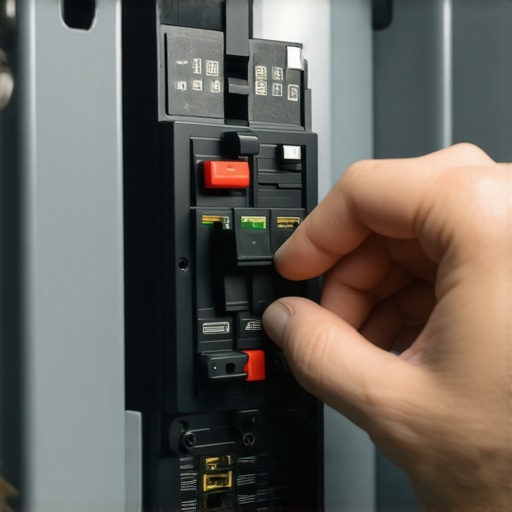
Trigger the latch with a double-command
Sometimes the computer knows it’s locked, but the motor is stuck halfway between the open and closed positions. In these cases, you need to trick the oven into finishing the cycle it started. Start a new ‘Self-Clean’ cycle. Wait about sixty seconds—just long enough for the motor to engage—and then hit ‘Cancel’ or ‘Clear.’ This force-stops the process and often triggers the return-to-home function for the latch assembly. If you are worried about the electronics during this process, keep in mind that how to ensure reliable appliance installation in 2025 often involves verifying these digital handshakes are working before a technician even leaves your house. If the door still won’t budge after this sequence, the issue might be thermal rather than digital.
Check the heat sensor if things stay stuck
High heat is the enemy of sensitive electronics. If your oven was in the middle of a high-temp roast or a cleaning cycle when it locked, a thermal fuse might have tripped to prevent a fire. This is a common safety feature designed to protect your home. If you have the proper clearance needed to prevent oven overheating, the unit usually cools down and resets the latch within an hour. However, if the sensor is faulty, the control board thinks the oven is still 500 degrees and will keep that door bolted for your own safety. Before you start unscrewing panels, check your paperwork. Understanding the hidden costs of diy repairs on warranty covered items is vital here; if you pop that back panel yourself and break a factory seal, you might void your coverage entirely. Instead, focus on checking if the ambient temperature around the unit is dropping. If it’s cool to the touch but still locked, the sensor likely needs a professional look to maximize your appliance warranty during emergency repairs and ensure a valid claim. The goal is to get your dinner out without turning a simple glitch into a permanent hardware failure.Everyone tells you that a digital reset is the ultimate ‘pro move’ to save cash, but in my experience, if you are resetting that latch every few weeks, you are actually masking a symptom of a failing control board. The biggest ‘oops’ factor I see with homeowners is the tendency to treat the symptoms rather than the disease. You might get the door open today, but failing to log these occurrences is a massive mistake. I always tell my clients that the one maintenance record that saves your appliance warranty claim is a simple log of every time you had to perform a hard reboot. Without it, when the board finally fries, the manufacturer can claim ‘neglect’ because you didn’t report the intermittent fault earlier. Have you ever fallen into this trap of ‘fixing’ the same problem over and over? Let me know in the comments—I’ve been there too!
Why Same-Day Service is a Diagnostic Tool, Not Just a Luxury
There is a common contrarian view that calling for affordable same-day appliance fixes with warranty benefits is just an expensive way to be impatient. I disagree. Speed in the appliance world is about diagnostic precision. According to data from the Association of Home Appliance Manufacturers (AHAM), many electrical failures are progressive; the longer a faulty sensor stays in the circuit, the higher the risk of it ‘shorting’ other expensive components like the UI display. When you see what to expect from same-day appliance repair experts, you realize they aren’t just there to turn a wrench—they are there to stop a chain reaction of failures. 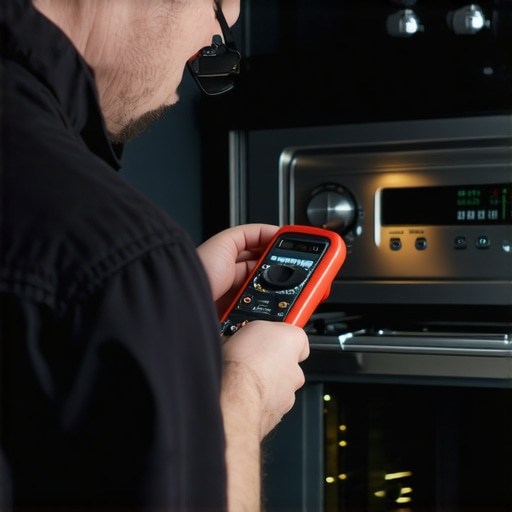
Should you trust a technician who fixes the problem in under twenty minutes?
You might feel cheated if a pro arrives and solves the mystery of the ‘vaulted oven’ in minutes. However, advanced technicians often find that the issue isn’t the latch at all, but a calibration drift. Sometimes why your oven temperature sensor needs a calibrated adjustment is the real reason the door won’t unlock; the sensor tells the computer the oven is at 600 degrees when it’s actually cold. A pro knows this nuance immediately. Furthermore, you need to be aware of the difference between a manufacturer warranty and a service contract before they start the work. A manufacturer warranty often covers the part but not the labor for ‘non-mechanical’ failures like calibration. Understanding this prevents those awkward billing surprises.
The Invisible Error During New Setup
Even if you manage to unlock the door yourself, the problem might have started months ago. I’ve found that how to ensure reliable appliance installation in 2025 often comes down to the quality of the electrical grounding. If the unit wasn’t grounded perfectly, static buildup on the control board can trigger the latch motor to fire randomly. This is the ultimate ‘hidden’ nuance. If you are struggling with a persistent lock-out, check your installation docs. Ignoring the electrical foundation while focusing on the mechanical door is like trying to fix a flat tire by repainting the car. Always look at the source of the power before you blame the metal latch.I’ve spent thousands of hours in kitchens, and if there is one thing I’ve learned, it’s that your eyes can lie to you, but a multimeter never does. I personally carry a Klein Tools MM400 in my junk drawer. Why? Because when your oven door is locked, you need to know if the solenoid is receiving 120 volts or if the control board has simply given up the ghost. Testing for continuity is the difference between a ten-minute DIY fix and waiting three days for scheduling your appliance repair for same-day service in 2025. If you aren’t testing the electrical path, you’re just guessing with your wallet.
How do I maintain my kitchen tech over the next decade?
Maintaining an appliance isn’t just about cleaning the crumbs out of the bottom. It’s about thermal management. According to the National Fire Protection Association (NFPA), nearly 10% of home fires involve cooking equipment where a lack of maintenance was a factor. This usually stems from grease buildup near high-heat components. Every six months, I pull my range out and check that the rear vent isn’t obstructed. This simple act ensures the proper clearance needed to prevent oven overheating. If you let heat build up, you aren’t just risking a locked door; you’re shortening the life of every capacitor on that expensive control board. This is where expert guide to appliance repair and installation today practices really pay off—by preventing the heat-soak that kills electronics.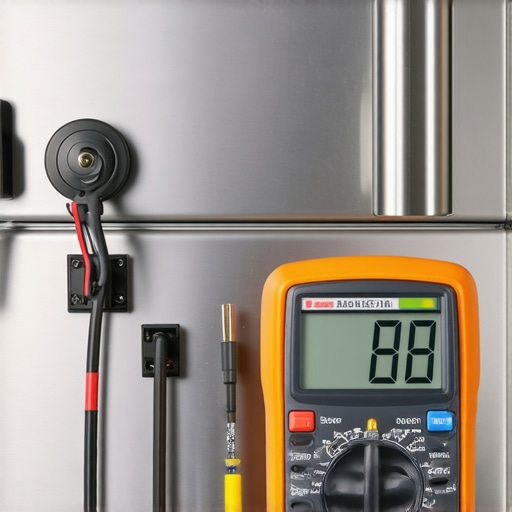 I’m also a huge advocate for digital record-keeping. I use a simple spreadsheet to track every cycle error or weird noise. This sounds overkill until you have to challenge a warranty claim rejection for your fridge or oven. Manufacturers love to say a failure is ‘normal wear and tear,’ but when you show them a log of three consecutive latch failures following a firmware update, they tend to sing a different tune. It’s all about having the one maintenance record that saves your appliance warranty claim ready to go. Looking ahead, I see a trend toward ‘Self-Healing’ appliances. In 2025 and beyond, how to ensure reliable appliance installation in 2025 will involve units that run their own daily diagnostic pings to the cloud. We are moving toward a world where your oven will email you a PDF of its own health report before a part even fails. Until that becomes the standard, you need to be proactive. If you’re still seeing ‘Lock’ errors after a reset, don’t wait for a total blackout. I highly recommend checking affordable same-day appliance fixes with warranty benefits to get a pro out there while the repair is still a ‘calibration’ and not a ‘replacement.’ Try this today: Pull your oven manual (or find it online) and look for the ‘Dealer Diagnostic Mode.’ Most modern units have a secret button combo that displays the last ten error codes. Write those codes down! Knowing your oven’s history is the first step to owning your kitchen’s future.
What Nobody Tells You About Those Stubborn Latch Motors
I’ve spent years troubleshooting these machines, and the biggest ‘aha’ moment for me wasn’t about the motor at all; it was about the electricity feeding it. I discovered that the grounding error that makes your smart stove controls glitch is often the culprit behind a door that locks and unlocks randomly at 2 AM. If the electrical foundation is shaky, the digital brain gets confused and defaults to ‘safe mode’—which usually means locking you out of your dinner.
Another hard truth: your ‘fix’ might be hurting you. While a hard reset works today, the hidden costs of diy repairs on warranty covered items can be staggering if you accidentally trip a tamper sensor while prying at a latch. If you are resetting that latch more than once a month, you aren’t fixing it; you’re just delaying the inevitable. This is why I always emphasize the one maintenance record that saves your appliance warranty claim; you need proof of these intermittent glitches to get a full replacement later if the board fails.
Three Tools That Saved My Wallet and My Sanity
When you’re staring down a locked door, you need more than just hope. These are the three things I never go without in my own kitchen:
- The Manufacturer’s Service Manual: Not the generic user guide, but the technician’s manual. It contains the ‘Dealer Diagnostic Mode’ codes that tell you exactly why the latch failed. Knowing this history is key to expert guide to appliance repair and installation today practices.
- A Reliable Multimeter: I personally carry a Klein Tools MM400. I use this to check for continuity. If the solenoid isn’t getting power, no amount of button-pressing will help. It’s the first step in what to expect from same-day appliance repair experts when they arrive at your door.
- A Digital Maintenance Log: Whether it’s an app or a simple spreadsheet, tracking error codes and power surges helps you maximize your appliance warranty during emergency repairs by providing an undeniable paper trail to the manufacturer.
Stop Being a Hostage to Your Own Kitchen
You don’t have to be a master electrician to take control of your appliances. By shifting from a reactive mindset to a proactive one—checking your seals, ensuring how to ensure reliable appliance installation in 2025, and listening for those early warning ‘clicks’—you can avoid the dinner-time panic entirely. If the digital vault won’t open even after a hard reset, don’t reach for the screwdriver and risk your safety. Instead, look into affordable same-day appliance fixes with warranty benefits to get a professional diagnostic before a small glitch becomes a dead control board. You’ve got the knowledge to handle this now!
Have you ever had a dinner guest wait while you tried to ‘hack’ your own oven open? Let me know your funniest (or most frustrating) kitchen lockout story in the comments below!