
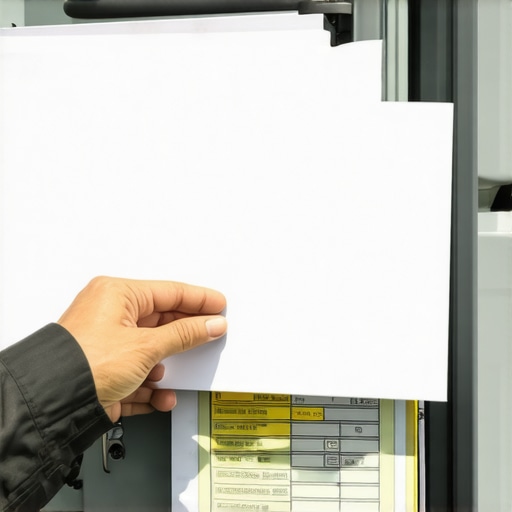
I remember standing in my driveway, sweating through my shirt, as the HVAC tech told me the compressor was shot. “No problem,” I thought, “it’s under warranty.” Then came the question that felt like a punch to the gut: “Do you have the maintenance logs for the last three years?” I didn’t. I had the unit, and I had the receipts for the initial install, but the proof of those yearly tune-ups? They were just vague memories of a guy named Dave coming over in the spring. That mistake almost cost me $4,000. I learned the hard way that a warranty isn’t a guarantee; it’s a contract, and you have to prove you held up your end of the bargain. Today, I’m going to show you how to build a bulletproof defense for your wallet.
Why the Paper Trail is Your Best Friend
Most people think that once the installation is done, the hard part is over. But manufacturers are looking for any reason to say “no” when an expensive part fails. If you can’t show you’ve been taking care of the system, they’ll claim neglect. That’s why why your extended warranty company keeps asking for service logs is such a common hurdle for homeowners. I used to be the guy who threw every manual and scrap of paper into a messy kitchen drawer and forgot about it. Now, I treat my HVAC records with the same respect I give my tax returns. According to the Air Conditioning, Heating, and Refrigeration Institute (AHRI), regular professional maintenance is almost always a mandatory condition for keeping a manufacturer’s parts warranty valid. Without proof, you are essentially flying blind without a parachute.
It isn’t just about having a piece of paper; it’s about having the right paper. You need to know the document every technician needs to see for a valid warranty visit to ensure your claim doesn’t get tossed in the trash before the repair even starts. I learned this when a technician told me my handwritten notes weren’t enough. They want professional invoices, date-stamped photos, and specific service descriptions. [image_placeholder]
Does my word really not count for anything?
It feels incredibly unfair, doesn’t it? You paid for the service, you know the work was done, and you expect the company to trust you. But in the cold world of warranty claims, if it isn’t documented, it simply never happened. You need the exact photo evidence needed for an hvac warranty claim to back up your story. I once tried to argue that my local tech “checked everything,” but without a formal invoice showing the model and serial number, the provider wouldn’t budge. We’re going to fix your filing system today so you never have to deal with that level of stress. Have you ever been denied a claim because you couldn’t find a specific receipt? I’d love to hear your story in the comments below—it happens to the best of us.
Getting organized now means you won’t be scrambling when the heat goes out in the middle of a blizzard. You want to be able to hand over a folder and say, “Here is everything you need.” It changes the whole dynamic of the service call. Instead of being at their mercy, you are the one in control. Let’s look at what counts as “proof” and how to store it so it’s ready at a moment’s notice.
The Paperwork That Actually Protects You
To start, you need more than a scribbled note on a calendar. Every time a technician steps into your home, you must ensure the invoice includes four non-negotiable items: the date of service, the technician’s license number, a detailed list of parts inspected (like the capacitor or blower motor), and, most importantly, the serial number of your unit. I once had a claim stalled for three weeks because the invoice just said “tuned up AC.” The warranty company argued that without the serial number on the receipt, I could have been service-logging my neighbor’s unit for all they knew. You should always how to verify your new appliance is covered under the original warranty before the tech even arrives to ensure you’re asking for the right documentation.
Keep a Digital Backup or Prepare to Pay Up
Physical receipts fade. Thermal paper, the kind used by most service trucks, becomes unreadable in about six months if it’s left in a hot drawer or a glove box. I learned this when I pulled out my ‘proof’ only to find a blank, white slip of paper. Now, I snap a photo of every invoice immediately and upload it to a dedicated folder in the cloud. This simple habit is what allows you to bypass the headache of why your extended warranty company keeps asking for service logs. When the adjuster calls, you aren’t digging through a junk drawer; you’re hitting ‘send’ on a PDF. 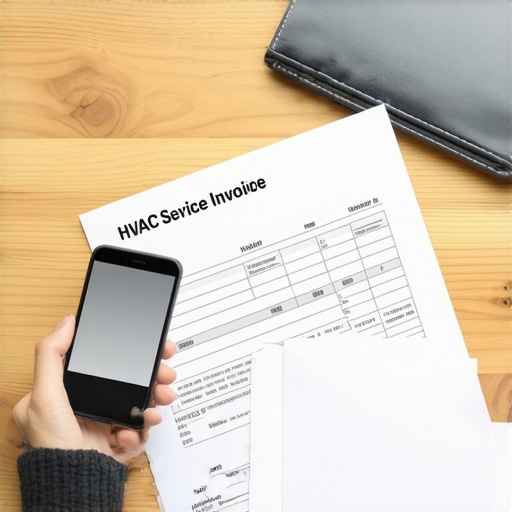
Don’t Let DIY Urges Kill Your Coverage
We all want to save a few bucks, and I’m the first person to grab a screwdriver when something rattles. However, there is a very thin line between routine cleaning and a repair that voids your contract. I remember trying to swap out a noisy fan motor myself on a three-year-old unit, thinking it was a simple fix. When the replacement part failed a month later, the manufacturer saw my non-professional wiring and denied the $600 claim instantly. You have to be aware of the hidden costs of diy repairs on warranty covered items. If a component requires more than a garden hose or a new filter to maintain, call a licensed pro. Their signature on that invoice is your insurance policy.
The Contract Clause You Probably Missed
Check your fine print for a “labor coverage” limitation. Most manufacturer warranties cover the part, but not the $150-per-hour technician who installs it. This is where people get blindsided by massive bills for “free” parts. I started looking specifically for the maintenance contract clause that saves you on labor costs when hiring a local HVAC company. If you sign up for their annual service plan, many companies will waive the diagnostic fee or discount the labor if a part fails under warranty. It’s a small upfront investment that prevents you from having to figure out how to avoid paying the service fee for a denied warranty claim later on.
When the technician arrives for a warranty-backed repair, hand them your folder of logs immediately. Don’t wait for them to ask. This signals that you are an informed homeowner who keeps meticulous records. It sets a professional tone for the entire visit and often makes the technician more willing to fight on your behalf if the warranty company tries to push back on a specific charge. You are transforming from a ‘customer with a problem’ into a ‘partner in the repair process’ by having your data ready to go.
Let’s dig deeper into a nuance that almost nobody talks about: the ‘Speed Trap.’ We’ve all been there—your fridge dies, and you’re frantically searching for affordable same-day appliance fixes with warranty benefits. But here is the contrarian truth: rushing the repair can sometimes be the quickest way to void your long-term coverage. While same-day appliance repair quick solutions with warranty support are fantastic for minor issues, complex electrical or compressor problems often require specific OEM (Original Equipment Manufacturer) parts that a technician might not have on their truck. If a tech offers a ‘universal’ work-around just to get you cooling again today, stop them. Using non-approved parts is the number one reason manufacturers deny future claims. I’ve seen homeowners trade a $200 ‘quick fix’ for a $2,000 denied claim six months later. Have you ever fallen into this trap? Let me know in the comments.
Why Fast Repairs Can Sometimes Be a Warranty Trap
The allure of speed is powerful, but precision is what saves your bank account. In my experience, the best techs are the ones who tell you, ‘I can patch it now, but your warranty requires the official part.’ This is especially true when you are looking for fast trustworthy appliance installation near you. A rushed install often leads to the most common ‘oops’ in the industry: the shipping bolt error that ruins new washing machines. If those bolts aren’t removed, your brand-new washer will literally shake itself to pieces during the first spin cycle, and guess what? The manufacturer will call it ‘improper installation’ and leave you with the bill.
#IMAGE_PLACE_HOLDER_C#
Does my protection plan travel with the appliance?
This is a question I get from savvy readers all the time, especially those planning a move. Most people assume the warranty is tied to their name, but it’s actually tied to the machine’s serial number. You need to know how to transfer your appliance protection plan to a new owner if you want to use it as a selling point for your home. According to a study by Consumer Reports, major appliances have a significantly higher failure rate in their first five years than they did a decade ago due to complex sensors. This makes the ability to transfer a plan a huge asset. However, if you move the appliance to a new house yourself and it breaks during the transition, the warranty rarely covers ‘transit damage.’ It’s a subtle distinction that catches people off guard every single time.
Avoid the Deductible Trap Before You Call
Another nuance that separates the pros from the amateurs is knowing about the deductible trap in most third-party appliance protection plans. You might think you have full coverage, but if your deductible is $125 and the repair only costs $150, you’re barely getting any benefit while risking a future premium hike. Before you even pick up the phone, check your paperwork. I always recommend checking top tips for same-day service warranty coverage to see if your specific failure is even worth a claim. Sometimes, paying out of pocket for a minor sensor tweak is smarter than flagging your policy for a tiny payout. It’s all about playing the long game with your home’s infrastructure.
Once you’ve got your paperwork in a digital fortress, the next step is actually keeping the hardware alive so you never have to open that folder. I’m a big believer in proactive maintenance over reactive panic. For example, I keep a dedicated long-reach vacuum attachment in my utility closet just for my refrigerator. Most people ignore the coils, but for us with pets, it’s a death sentence for the compressor. I found that the condenser coil cleaning hack for pet owners with hairy dogs can literally drop your energy bill by 10% while keeping your warranty intact. Manufacturers often cite ‘environmental neglect’—a fancy way of saying your dog’s fur killed the fridge—as a reason to deny service. I also swear by a few specific tools that save me from calling a tech for a ‘false alarm.’ If your AC stops, don’t panic. Check the hvac breaker reset that actually works when the unit trips before you spend $150 on a service call. For the kitchen, I never go without the specific wrench you need to unjam a disposal in seconds. It’s a $10 tool that has saved me at least three emergency plumbing visits. Being able to handle these minor hitches makes you more confident when you eventually do need an expert guide to appliance repair and installation today for the big stuff.
How do I maintain my home’s mechanical systems over time?
Consistency is the secret sauce. You don’t need to be a master mechanic; you just need a schedule. Every six months, I perform the maintenance step that extends the life of your high efficiency washer by running a dedicated cleaning cycle and checking the gasket. If you’re a heavy user, don’t forget the one maintenance move that stops your ac from smelling like mildew, which is basically just ensuring the condensate line is clear. According to the Mitsubishi Electric Service Manual for the MSZ-GL series, failing to clear these lines can lead to ‘slime’ buildup that triggers an emergency float switch, shutting down your cooling right when you need it most.  Looking ahead, I predict we are moving toward a world of ‘Predictive Warranty.’ Within the next five years, your appliances will likely use AI-driven vibration sensors to tell the manufacturer they are about to fail before they actually break. This will make how to ensure reliable appliance installation in 2025 more about data connectivity than just plumbing. We already see this with why your smart hub cant find your bluetooth mesh devices—the tech is getting smarter, but the setup is getting trickier. Before you go, I want you to try one thing this weekend: Locate your main water shut-off and your HVAC’s primary drain line. Knowing where these are can prevent a minor leak from becoming a total loss that your insurance might fight you on. If you find yourself in over your head, remember that warranty-backed appliance services you can rely on are just a call away, but being prepared makes the whole process smoother.I remember standing in my driveway, sweating through my shirt, as the HVAC tech told me the compressor was shot. “No problem,” I thought, “it’s under warranty.” Then came the question that felt like a punch to the gut: “Do you have the maintenance logs for the last three years?” I didn’t. I had the unit, and I had the receipts for the initial install, but the proof of those yearly tune-ups? They were just vague memories of a guy named Dave coming over in the spring. That mistake almost cost me $4,000. I learned the hard way that a warranty isn’t a guarantee; it’s a contract, and you have to prove you held up your end of the bargain. Today, I’m going to show you how to build a bulletproof defense for your wallet.
Why the Paper Trail is Your Best Friend
Most people think that once the installation is done, the hard part is over. But manufacturers are looking for any reason to say “no” when an expensive part fails. If you can’t show you’ve been taking care of the system, they’ll claim neglect. That’s why why your extended warranty company keeps asking for service logs is such a common hurdle for homeowners. I used to be the guy who threw every manual and scrap of paper into a messy kitchen drawer and forgot about it. Now, I treat my HVAC records with the same respect I give my tax returns. According to the Air Conditioning, Heating, and Refrigeration Institute (AHRI), regular professional maintenance is almost always a mandatory condition for keeping a manufacturer’s parts warranty valid. Without proof, you are essentially flying blind without a parachute.
It isn’t just about having a piece of paper; it’s about having the right paper. You need to know the document every technician needs to see for a valid warranty visit to ensure your claim doesn’t get tossed in the trash before the repair even starts. I learned this when a technician told me my handwritten notes weren’t enough. They want professional invoices, date-stamped photos, and specific service descriptions. [image_placeholder]
Does my word really not count for anything?
It feels incredibly unfair, doesn’t it? You paid for the service, you know the work was done, and you expect the company to trust you. But in the cold world of warranty claims, if it isn’t documented, it simply never happened. You need the exact photo evidence needed for an hvac warranty claim to back up your story. I once tried to argue that my local tech “checked everything,” but without a formal invoice showing the model and serial number, the provider wouldn’t budge. We’re going to fix your filing system today so you never have to deal with that level of stress. Have you ever been denied a claim because you couldn’t find a specific receipt? I’d love to hear your story in the comments below—it happens to the best of us.
Getting organized now means you won’t be scrambling when the heat goes out in the middle of a blizzard. You want to be able to hand over a folder and say, “Here is everything you need.” It changes the whole dynamic of the service call. Instead of being at their mercy, you are the one in control. Let’s look at what counts as “proof” and how to store it so it’s ready at a moment’s notice.
The Paperwork That Actually Protects You
To start, you need more than a scribbled note on a calendar. Every time a technician steps into your home, you must ensure the invoice includes four non-negotiable items: the date of service, the technician’s license number, a detailed list of parts inspected (like the capacitor or blower motor), and, most importantly, the serial number of your unit. I once had a claim stalled for three weeks because the invoice just said “tuned up AC.” The warranty company argued that without the serial number on the receipt, I could have been service-logging my neighbor’s unit for all they knew. You should always how to verify your new appliance is covered under the original warranty before the tech even arrives to ensure you’re asking for the right documentation.
Keep a Digital Backup or Prepare to Pay Up
Physical receipts fade. Thermal paper, the kind used by most service trucks, becomes unreadable in about six months if it’s left in a hot drawer or a glove box. I learned this when I pulled out my ‘proof’ only to find a blank, white slip of paper. Now, I snap a photo of every invoice immediately and upload it to a dedicated folder in the cloud. This simple habit is what allows you to bypass the headache of why your extended warranty company keeps asking for service logs. When the adjuster calls, you aren’t digging through a junk drawer; you’re hitting ‘send’ on a PDF.
Don’t Let DIY Urges Kill Your Coverage
We all want to save a few bucks, and I’m the first person to grab a screwdriver when something rattles. However, there is a very thin line between routine cleaning and a repair that voids your contract. I remember trying to swap out a noisy fan motor myself on a three-year-old unit, thinking it was a simple fix. When the replacement part failed a month later, the manufacturer saw my non-professional wiring and denied the $600 claim instantly. You have to be aware of the hidden costs of diy repairs on warranty covered items. If a component requires more than a garden hose or a new filter to maintain, call a licensed pro. Their signature on that invoice is your insurance policy.
The Contract Clause You Probably Missed
Check your fine print for a “labor coverage” limitation. Most manufacturer warranties cover the part, but not the $150-per-hour technician who installs it. This is where people get blindsided by massive bills for “free” parts. I started looking specifically for the maintenance contract clause that saves you on labor costs when hiring a local HVAC company. If you sign up for their annual service plan, many companies will waive the diagnostic fee or discount the labor if a part fails under warranty. It’s a small upfront investment that prevents you from having to figure out how to avoid paying the service fee for a denied warranty claim later on.
When the technician arrives for a warranty-backed repair, hand them your folder of logs immediately. Don’t wait for them to ask. This signals that you are an informed homeowner who keeps meticulous records. It sets a professional tone for the entire visit and often makes the technician more willing to fight on your behalf if the warranty company tries to push back on a specific charge. You are transforming from a ‘customer with a problem’ into a ‘partner in the repair process’ by having your data ready to go.
Let’s dig deeper into a nuance that almost nobody talks about: the ‘Speed Trap.’ We’ve all been there—your fridge dies, and you’re frantically searching for affordable same-day appliance fixes with warranty benefits. But here is the contrarian truth: rushing the repair can sometimes be the quickest way to void your long-term coverage. While same-day appliance repair quick solutions with warranty support are fantastic for minor issues, complex electrical or compressor problems often require specific OEM (Original Equipment Manufacturer) parts that a technician might not have on their truck. If a tech offers a ‘universal’ work-around just to get you cooling again today, stop them. Using non-approved parts is the number one reason manufacturers deny future claims. I’ve seen homeowners trade a $200 ‘quick fix’ for a $2,000 denied claim six months later. Have you ever fallen into this trap? Let me know in the comments.
Why Fast Repairs Can Sometimes Be a Warranty Trap
The allure of speed is powerful, but precision is what saves your bank account. In my experience, the best techs are the ones who tell you, ‘I can patch it now, but your warranty requires the official part.’ This is especially true when you are looking for fast trustworthy appliance installation near you. A rushed install often leads to the most common ‘oops’ in the industry: the shipping bolt error that ruins new washing machines. If those bolts aren’t removed, your brand-new washer will literally shake itself to pieces during the first spin cycle, and guess what? The manufacturer will call it ‘improper installation’ and leave you with the bill.
#IMAGE_PLACE_HOLDER_C#
Does my protection plan travel with the appliance?
This is a question I get from savvy readers all the time, especially those planning a move. Most people assume the warranty is tied to their name, but it’s actually tied to the machine’s serial number. You need to know how to transfer your appliance protection plan to a new owner if you want to use it as a selling point for your home. According to a study by Consumer Reports, major appliances have a significantly higher failure rate in their first five years than they did a decade ago due to complex sensors. This makes the ability to transfer a plan a huge asset. However, if you move the appliance to a new house yourself and it breaks during the transition, the warranty rarely covers ‘transit damage.’ It’s a subtle distinction that catches people off guard every single time.
Avoid the Deductible Trap Before You Call
Another nuance that separates the pros from the amateurs is knowing about the deductible trap in most third-party appliance protection plans. You might think you have full coverage, but if your deductible is $125 and the repair only costs $150, you’re barely getting any benefit while risking a future premium hike. Before you even pick up the phone, check your paperwork. I always recommend checking top tips for same-day service warranty coverage to see if your specific failure is even worth a claim. Sometimes, paying out of pocket for a minor sensor tweak is smarter than flagging your policy for a tiny payout. It’s all about playing the long game with your home’s infrastructure.
Once you’ve got your paperwork in a digital fortress, the next step is actually keeping the hardware alive so you never have to open that folder. I’m a big believer in proactive maintenance over reactive panic. For example, I keep a dedicated long-reach vacuum attachment in my utility closet just for my refrigerator. Most people ignore the coils, but for us with pets, it’s a death sentence for the compressor. I found that the condenser coil cleaning hack for pet owners with hairy dogs can literally drop your energy bill by 10% while keeping your warranty intact. Manufacturers often cite ‘environmental neglect’—a fancy way of saying your dog’s fur killed the fridge—as a reason to deny service. I also swear by a few specific tools that save me from calling a tech for a ‘false alarm.’ If your AC stops, don’t panic. Check the hvac breaker reset that actually works when the unit trips before you spend $150 on a service call. For the kitchen, I never go without the specific wrench you need to unjam a disposal in seconds. It’s a $10 tool that has saved me at least three emergency plumbing visits. Being able to handle these minor hitches makes you more confident when you eventually do need an expert guide to appliance repair and installation today for the big stuff.
How do I maintain my home’s mechanical systems over time?
Consistency is the secret sauce. You don’t need to be a master mechanic; you just need a schedule. Every six months, I perform the maintenance step that extends the life of your high efficiency washer by running a dedicated cleaning cycle and checking the gasket. If you’re a heavy user, don’t forget the one maintenance move that stops your ac from smelling like mildew, which is basically just ensuring the condensate line is clear. According to the Mitsubishi Electric Service Manual for the MSZ-GL series, failing to clear these lines can lead to ‘slime’ buildup that triggers an emergency float switch, shutting down your cooling right when you need it most. Looking ahead, I predict we are moving toward a world of ‘Predictive Warranty.’ Within the next five years, your appliances will likely use AI-driven vibration sensors to tell the manufacturer they are about to fail before they actually break. This will make how to ensure reliable appliance installation in 2025 more about data connectivity than just plumbing. We already see this with why your smart hub cant find your bluetooth mesh devices—the tech is getting smarter, but the setup is getting trickier. Before you go, I want you to try one thing this weekend: Locate your main water shut-off and your HVAC’s primary drain line. Knowing where these are can prevent a minor leak from becoming a total loss that your insurance might fight you on. If you find yourself in over your head, remember that warranty-backed appliance services you can rely on are just a call away, but being prepared makes the whole process smoother.
The Hardest Lesson I Learned About Manufacturer Logic
After years of navigating service calls, the most valuable piece of insider wisdom I can share is this: the manufacturer is essentially a professional auditor. They aren’t looking to help you; they are looking to see if you broke the contract. The moment I stopped viewing my furnace as a machine and started viewing it as a legal agreement, everything changed. One massive takeaway is understanding the third-party warranty loophole that saves you hundreds on parts when the official manufacturer’s stock is backordered. Additionally, always learn how to negotiate a repair instead of a replacement with your warranty provider. Sometimes a replacement is actually a downgrade in build quality, and keeping your current high-end unit alive with covered repairs is the smarter long-term play.
My Essential Toolbox for Warranty Defense
I don’t leave my home’s integrity to luck. My toolkit isn’t just wrenches; it’s information. I personally rely on a few specific resources and habits: first, a cloud-based scanning app dedicated strictly to home maintenance so I can maximize your appliance warranty during emergency repairs by having data ready at 2:00 AM. Second, I always read the technician’s notes before they leave to see if they’ve captured what to expect from same-day appliance repair experts in terms of formal documentation. Finally, I trust local HVAC associations over generic YouTube advice—professional standards are what keep your warranty valid, not clever hacks.
Taking Charge of Your Home’s Future Today
Organizing your home’s mechanical history is one of the most empowering things you can do as a homeowner. You are no longer at the mercy of a technician’s schedule or a warranty company’s denial letter. By staying proactive and keeping your records in a digital fortress, you ensure that you always have access to warranty-backed appliance services you can rely on when the unexpected happens. You’ve put in the work to understand the system—now go out there and enjoy the peace of mind that comes with being truly prepared. Have you ever had a warranty claim denied because of a missing receipt or a maintenance error? Let me know your story in the comments below!