
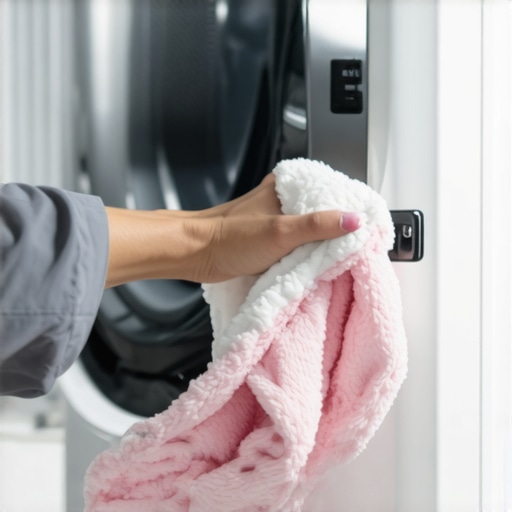
I remember the exact moment I realized I was failing my washing machine. It wasn’t because of a massive flood or a loud explosion. It was the smell. A damp, sour, “left-your-clothes-in-the-basement-for-three-days” kind of funk that wouldn’t go away no matter how much high-end detergent I used. I was actually on the verge of calling for expert appliance repair because the vibration during the spin cycle was getting so bad I thought the bearings were shot. I was convinced my expensive HE unit was a lemon. But before I spent a dime on a service call, I found the culprit. It was a tiny, plastic door at the bottom of the machine that I had ignored for three years. I’ve included a photo below [image placeholder] of exactly what I found inside.
The Debris Trap Is Your Washer’s Best Friend
When I finally twisted open the debris trap location in your high-efficiency washing machine, I found more than just lint. I found three quarters, a stray hair tie, and enough grey slime to film a low-budget horror movie. It was visceral. We buy these high-efficiency machines thinking they’ll last forever because they were expensive, but they are surprisingly delicate compared to the old top-loaders our parents had. Back when I first got this machine, I luckily avoided the shipping bolt error that ruins so many units, but I grew complacent. If you don’t clear that filter, your drain pump has to work twice as hard to push water out. Eventually, the water doesn’t drain properly, leading to that trapped water in the gasket that breeds mold and eats away at the seal. I made the classic mistake of thinking “self-cleaning” meant I didn’t have to lift a finger. I was wrong. According to a report by the Association of Home Appliance Manufacturers (AHAM), improper maintenance is one of the leading causes of premature appliance failure in the United States. Today, I’m going to show you how to avoid my $400 repair mistake and keep your machine humming for the next decade.
Is clearing a filter really worth the gross factor?
I get it. It’s slimy, it’s wet, and it usually involves a bit of a puddle on your laundry room floor. You’re probably wondering if you should just wait until it actually breaks and then lean on your warranty coverage. But here is the cold, hard truth: most warranties and service contracts specifically exclude damage caused by “user neglect” or “lack of routine maintenance.” If that pump burns out because it’s choking on a Lego or a heavy buildup of pet hair, you’re likely on the hook for the entire bill. When water sits in the drum because the filter is clogged, the machine can’t balance the load correctly, which leads to those violent shakes that eventually require a 15 dollar part or a whole new tub. Trust me, spending ten minutes every few months with a towel and a bucket is infinitely better than arguing with a technician about why your warranty is voided. Have you ever actually opened your washer’s maintenance door, or are you living in blissful, smelly ignorance like I was?
Start by Opening the Mystery Door
Lay down a thick towel because you are about to encounter the ‘Great Flood’ on a small scale. Most front-load washers have a small access panel at the bottom right or left. Once you pop that open, you will see a small hose and a large round knob. Don’t just unscrew the knob yet. Use that little hose to drain the standing water into a shallow bowl first. This simple drain pump trick that fixes a standing water issue in your washer saves your floor from a gallon of stinking, grey water. I learned this the hard way during my first attempt when I unscrewed the filter immediately and spent forty minutes mopping the hallway. Once the hose is empty, slowly twist the filter knob counter-clockwise. 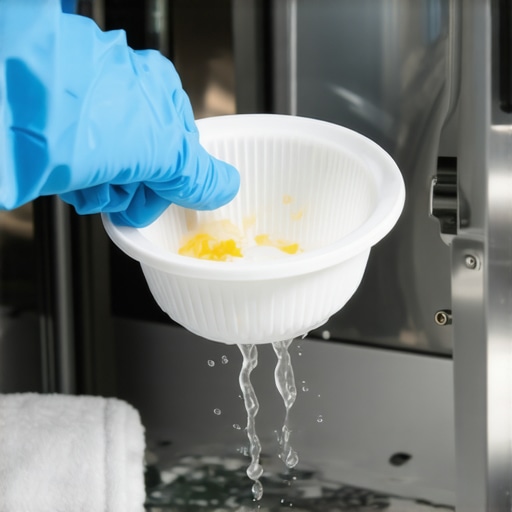
Check the Impeller for Hidden Obstructions
When the filter is out, look inside the dark cavity. This is where the magic (and the failure) happens. Use a flashlight to see the small plastic fan blade, which is the pump impeller. Reach in and flick it with your finger; it should spin freely. If it feels stuck or crunchy, you likely have a stray bobby pin or a shard of plastic wedged in there. Learning how to check for a blocked impeller in your washer pump is the difference between a free ten-minute fix and paying a technician a hundred dollars just to show up. Think of the impeller like a tiny jet engine; even a tiny piece of debris can ground the whole flight.
Keep Your Maintenance Logs Like Your Life Depends on Them
If you find that the pump is actually broken and not just clogged, you will need to call for expert appliance repair and installation today. This is where your paperwork becomes your shield. Warranty providers are notoriously picky. I once knew a guy who had his entire pump replacement denied because he couldn’t prove he had cleaned the filter in the last year. Creating the one maintenance record that saves your appliance warranty claim is as simple as taking a photo of the clean filter with a date stamp once every three months.
Understand Your Coverage Before the Repairman Arrives
A manufacturer warranty is a promise against factory defects, while a service contract is more like an insurance policy you buy separately. It is vital to know the difference between a manufacturer warranty and a service contract before you authorize a repair. If you are under a service contract, you might be required to use specific warranty-backed appliance services you can rely on to keep the coverage active. Neglecting the drain hose height rule that prevents washer backflow during a DIY move can also void these protections instantly, as it falls under improper installation. I once helped a neighbor move their machine and we almost skipped the hose loop; had we done that, the siphoning effect would have burnt out the new motor in weeks, and no warranty on earth would have covered it because it was a ‘setup error.’ Always double-check your plumbing alignment against the manual to ensure your machine isn’t fighting gravity every time it tries to drain.I’ve seen it a hundred times: a homeowner is so desperate for affordable same-day appliance fixes with warranty benefits that they overlook the most important factor—the diagnostic quality. Most people assume that “fast” means “efficient,” but in the world of modern circuitry, speed can lead to missed symptoms. If you rush the process, you might end up with a technician who just swaps a board without finding the short that caused the failure in the first place. This is why I always tell people to focus on what to expect from same-day appliance repair experts before they arrive. Are they bringing OEM parts, or are they slapping in a generic brand that will fail in six months? When you are scheduling your appliance repair for same-day service in 2025, don’t just ask when they can arrive; ask if they carry the specific diagnostic sensors for your model.
Can you really trust those ‘all-inclusive’ protection plans?
Here is the hard truth: most extended warranties are basically a bet you’re making against the manufacturer. While you think you’re covered, there’s often a “deductible trap” hidden in the fine print. I always recommend checking the deductible trap in most third-party appliance protection plans before signing. Sometimes the service fee for the visit is nearly as much as the repair itself. Furthermore, if you’ve already tried a “quick fix” and broke a plastic clip or used the wrong lubricant, they will use that as an excuse to deny the claim. According to a study by the National Association of Service Managers (NASM), nearly 30% of warranty claims are initially contested due to insufficient documentation or “non-professional intervention.” This is why the one maintenance record that saves your appliance warranty claim—a simple log of your filter cleanings and professional inspections—is so vital. 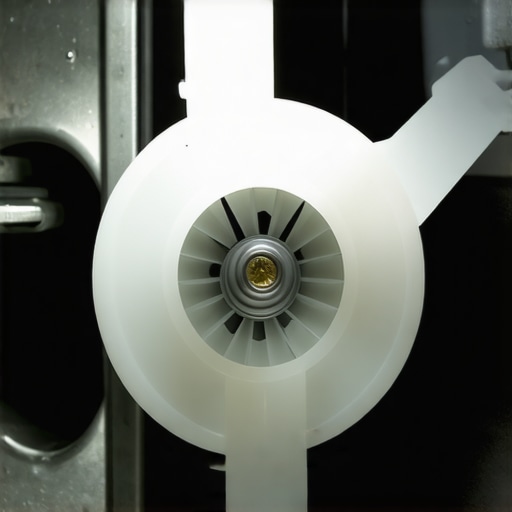
The Invisible Setup Errors That Kill New Machines
One of the biggest mistakes I see involves the “hidden” side of setup. I’ve seen perfectly good units die because someone ignored how to ensure reliable appliance installation in 2025 by leaving shipping bolts in or skipping the drain hose height rule that prevents washer backflow. If your machine is struggling to empty, check that hose before assuming the pump is toast. Most people install these too low, creating a siphoning effect that burns out the motor. Also, never assume that just because it’s a new home, the plumbing is right; sometimes a new kitchen remodel might be choking the drain simply because of a misaligned P-trap or a forgotten knockout plug. Before you call for expert appliance repair and installation today, take five minutes to verify your new appliance is covered under the original warranty. Don’t assume. And for heaven’s sake, if you’re moving house, remember the proof of purchase rule for transferring appliance warranties. I’ve seen buyers lose thousands in coverage because the seller lost a simple receipt. Have you ever fallen into this trap where a simple DIY “fix” actually ended up voiding your warranty? Let me know in the comments.
I didn’t realize that being a ‘responsible homeowner’ actually meant becoming a part-time detective. If you want to avoid the panic of scheduling your appliance repair for same-day service in 2025 every time a light blinks, you need a basic diagnostic kit. My go-to isn’t a massive toolbox; it’s a simple digital multimeter and a torpedo level. I used that level to realize my fridge wasn’t dying; it was just leaning. A quick turn of the feet using the leveling trick for a fridge that rattles your kitchen floor all night saved me a $150 service fee and a whole lot of lost sleep.
Stop Guessing and Start Testing with a Multimeter
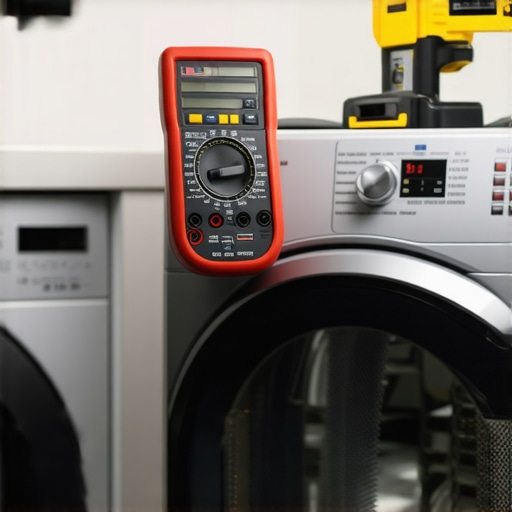
The most powerful tool in my arsenal is the multimeter. Most people think they are only for electricians, but they are vital for verifying if a part is actually dead or if you just have a loose connection. For instance, I keep a monthly check on my HVAC system. You’d be surprised how often a ‘broken’ AC is just a bad start component; I actually learned how to check your hvac blower capacitor without a multimeter by observing the startup hum, though having the meter makes the diagnosis foolproof. This kind of data is exactly what you need when discussing affordable same-day appliance fixes with warranty benefits with a provider, as it shows you’ve done your due diligence.
How do I maintain my home appliances over time?
Maintenance is about the micro-tasks you perform when things are working perfectly, not just when they start making noise. For example, I keep a tube of high-temp lithium grease specifically for the specific lubricant to use on squeaky oven door hinges because metal-on-metal friction is a silent killer of expensive range frames. The goal is to stay ahead of the ‘catastrophic failure’ curve. If you hear a rhythmic thumping in your laundry room, don’t ignore it. It could be the washer agitator bolt that always loosens over time or a sign that you need to learn how to spot a failing bearing in your front-load washer before it breaks. Catching a bearing early is the difference between a $50 DIY part and a $600 tub replacement.
Why the Future of Repair is Moving Toward Remote Diagnostics
I’m seeing a massive shift in how companies handle warranty-backed appliance services you can rely on. In the next few years, I predict that ‘same-day service’ won’t start with a truck roll, but with a remote sensor handshake. Manufacturers are already building in Wi-Fi modules that ping the server when a drain pump starts drawing too much current. This ‘predictive maintenance’ will eventually be the standard. However, even with all the tech in the world, the physical basics still apply. You can have the smartest fridge on the block, but if you don’t do the condenser coil cleaning hack for pet owners, the compressor will still overheat. According to technical documentation from The Repair Association, roughly 60% of appliance service calls could be avoided through routine mechanical checks that don’t even require opening the chassis. If you want to be part of the savvy group who keep their machines for 15+ years, my best advice is this: Tonight, go pull your dishwasher out just two inches and check if you have the critical drain hose loop you’re missing in your dishwasher setup. It’s the single most common installation error I see, and fixing it takes exactly one zip-tie and five minutes of your time.
The Expensive Truth Behind ‘User Error’ Labels
Reflecting on my own journey from a stinky laundry room to a perfectly humming machine, I realized that the biggest hurdle wasn’t the mechanical repair itself; it was the psychological shift from being a ‘user’ to being a ‘caretaker.’ I learned the hard way that knowing how to avoid paying the service fee for a denied warranty claim is about more than just reading the fine print—it’s about showing the technician that you actually care for the machine. One major lightbulb moment was discovering the hidden costs of diy repairs on warranty covered items; sometimes, my ‘helping’ actually made things worse. I now keep a digital folder of every filter cleaning, which acts as my ultimate shield against claims of neglect or improper maintenance during a service call.
A Small Toolkit to Save Your Saturday
You don’t need a garage full of gear to keep your appliances in top shape. If I could recommend just three items, they would be a high-lumen headlamp (to see deep into those dark debris traps), a digital multimeter for checking electrical continuity, and the specific wrench you need to unjam a disposal in seconds—because once you start maintaining one appliance, you’ll want to tackle them all. I also suggest bookmarking a guide on how to maximize your appliance warranty during emergency repairs. Having these resources ready means you aren’t panic-searching for answers while your laundry room floor is slowly turning into a lake.
#IMAGE_PLACE_HOLDER_E#
Stop Reacting and Start Preserving
Modern appliances are complex, but they aren’t your enemies. By taking these small steps—cleaning the traps, checking the levels, and keeping a basic log—you are extending the life of your home and saving thousands in the long run. If you find yourself in a situation where the DIY route is over your head, don’t hesitate to seek out same-day appliance repair quick solutions with warranty support. Professional help is an investment in your home’s future, not just a temporary fix for today’s problem. You’ve got the knowledge now; all that’s left is to go pop that mystery door and see what’s hiding inside. Have you ever opened your washing machine’s debris trap only to find something absolutely bizarre or valuable? Let me know your weirdest find in the comments below!