
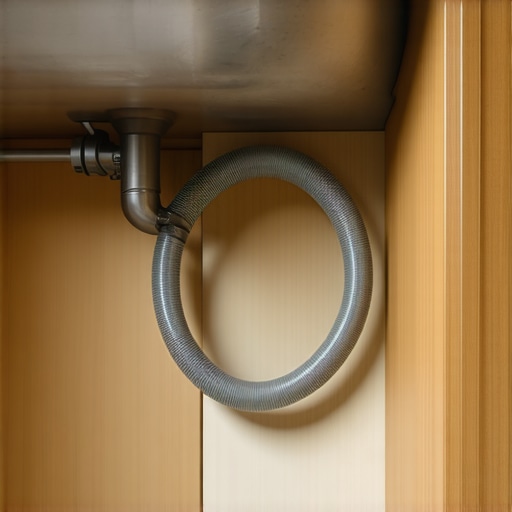
I was standing in my kitchen, staring at a puddle of murky, gray water sitting at the bottom of my brand-new dishwasher, and I honestly wanted to scream. I’d just spent three hours on the kitchen floor, skinning my knuckles and cursing the instruction manual, thinking I’d nailed the expert appliance installation. But every time I ran the kitchen sink, I heard this sickening glug-glug sound. My clean dishes didn’t smell clean; they smelled like yesterday’s leftovers and stagnant pond water. It was a classic rookie mistake, even for someone who pridefully DIYs everything. I had completely ignored the drain hose high loop that stops dishwasher backflow.
Stop Letting Dirty Sink Water Invade Your Dishwasher
It’s a tiny detail that most people—and even some rushed pro installers—completely overlook. When you connect your dishwasher to the garbage disposal or the sink drain, gravity is either your best friend or your worst nightmare. Without a proper high loop, the dirty water from your sink literally drains down into your dishwasher. I learned this the hard way after my wife threatened to start using paper plates permanently. I thought I needed affordable same-day appliance fixes or that I’d somehow bought a lemon. In reality, I just needed to secure a piece of plastic six inches higher than I had it. This one mistake is why so many people think their dishwasher sprays water but doesnt clean properly.
Does a simple hose loop really fix a smelly kitchen?
You might be skeptical. I was too. I figured if the machine was pumping water out, it shouldn’t be letting water back in. But physics doesn’t care about your logic. If that hose isn’t arched up toward the underside of your countertop, you’re creating a siphon effect. I’ve seen homeowners pay hundreds for warranty-backed appliance services only to find out the repair was just a single zip tie. It’s embarrassing, but it’s a mistake I see all the time. According to the International Association of Certified Home Inspectors (InterNACHI), a missing high loop or air gap is one of the most common plumbing defects found during home inspections, often leading to cross-contamination issues. Have you ever opened your dishwasher and been hit with that weird, swampy wet dog smell even though you just ran a cycle? If so, contact us and let me know—I bet you’re missing the loop. Setting this up correctly isn’t just about smell; it’s about making sure you don’t need same-day appliance repair for a pump failure caused by debris backflow.
Get Your Hands Dirty and Fix the Flow
To stop that swampy water from ruining your dishes, you need to physically change how gravity affects your plumbing. If you want to how to ensure reliable appliance installation in 2025, you cannot simply shove the machine into the cabinetry and hope for the best. You need to create a physical barrier against backflow. Start by clearing everything out from under your kitchen sink. You’re looking for the corrugated plastic hose that runs from your dishwasher to either your garbage disposal or the sink’s P-trap.
Check Your Current Configuration First
Most people find their drain hose lying flat on the floor of the cabinet or sagging deeply in the middle. This is a disaster waiting to happen. If the hose stays low, every time you run the faucet or empty a full sink of water, that dirty liquid has a direct, downhill path into your dishwasher basin. This is exactly why the secret drain loop every plumber knows but installers skip is so vital to your kitchen’s hygiene. If your hose is currently lower than the point where it connects to the drain, you’ve found your problem.
The Proper Way to Secure the Hose
The goal is to take that hose and pull it as high as possible under the countertop. It should form an upside-down ‘U’ shape. The top of this loop must be higher than the entry point into the drain or disposal. By doing this, you are forcing the dishwasher to pump water up over a ‘hill’ before it exits. More importantly, it prevents sink water from ever reaching that peak. I remember helping a friend who was convinced he needed affordable same-day appliance fixes because his brand-new unit smelled like a sewer. He was actually ready to pay a technician for warranty-backed appliance services just to tell him he was doing it wrong. We spent five minutes and exactly zero dollars fixing it ourselves. 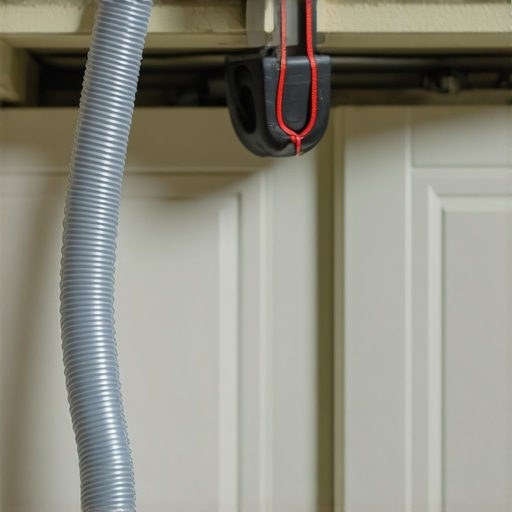
Why You Need a Simple Zip Tie
You don’t need a degree in mechanical engineering for this; you just need a sturdy zip tie or a specialized plastic bracket. I prefer the zip tie method because it’s flexible. Locate a solid point near the top of the cabinet—often a screw or a support brace for the countertop—and loop the zip tie around the hose. Don’t cinch it so tight that you crush the plastic, but make sure it’s high enough that the ‘arch’ is the highest point of the entire drainage run. This simple bit of expert appliance installation knowledge saves your pump from working overtime.
Connect to the Disposal Correcty
Once the loop is secured, lead the end of the hose down to the garbage disposal or drain tailpiece. Make sure the connection is tight with a metal worm-gear clamp. If you’re installing a brand-new dishwasher, don’t forget to knock out the plastic plug inside the disposal’s nipple; if you leave that in, you’ll be searching for same-day appliance repair before your first load even finishes. I once forgot to knock that plug out during a midnight install, and the resulting backup was a mess I never want to clean up again. Following the drain hose high loop that stops dishwasher backflow procedure ensures that your machine only deals with its own water, not your sink’s leftovers.Let’s dig deeper into the nuances that separate a successful DIYer from someone who accidentally voids a $1,000 investment. A common myth I hear is that if you fix a minor plumbing issue yourself, the manufacturer will never know. But here’s the contrarian truth: modern appliances are smarter than they look, and diagnostic logs can often pinpoint exactly when a system was tampered with or operated outside of manufacturer specifications. If a technician sees evidence of a ‘creative’ fix that doesn’t meet local codes, they can flag your entire unit as user-damaged. This is one of the many hidden costs of DIY repairs on warranty-covered items that people ignore until the bill arrives. I’ve spoken with homeowners who thought they were saving money by bypassing a sensor, only to find out their quick fix was the reason their $800 control board claim got denied.
The paperwork error that kills your coverage
You might think your original receipt is the only piece of paper that matters, but in the world of high-end appliances, you need to show proof of continuous care. Manufacturers often hide clauses in the fine print requiring professional maintenance or specific usage standards—like descaling your lines every six months in hard-water areas. If you can’t show how to prove periodic maintenance to keep your warranty valid, you’re essentially flying without a parachute during a breakdown. I always tell my clients that the one maintenance record that saves your appliance warranty claim is often just a simple logbook or a digital folder of service photos documenting your work. Have you ever fallen into this trap? Let me know in the comments. 
Why does your brand-new dishwasher feel like it’s failing already?
It’s a valid question for anyone who just dropped a paycheck on a new machine only to have it act up within months. According to a study by Consumer Reports, nearly 30% of new dishwashers develop a fault within the first five years, which is a staggering increase compared to the mechanical workhorses of the 1990s. This is largely due to the extreme sensitivity of digital sensors and energy-saving components. Sometimes, the problem isn’t the machine; it’s the environment you’ve placed it in. For example, the water softener setting that is ruining your dishwasher can lead to chemical etching and pump scale that looks like a mechanical failure but is actually an environmental settings error. When things do go wrong, people immediately scramble for top tips for same-day service warranty coverage. But here’s the ‘oops’ factor: most people assume same-day means the machine is fixed and running by dinner. In reality, what to expect from same-day appliance repair experts is an expert diagnosis and a logistical plan, not always a completed overhaul if the technician’s truck doesn’t carry your specific control board. Realizing this distinction helps you manage your kitchen workflow without losing your mind.If you want to move beyond the ‘guy with a zip tie’ phase of home ownership, you need to invest in a decent digital multimeter. I am not talking about the $10 bargain bin special at the local hardware store. I personally use a True-RMS meter because it provides an accurate reading on the ‘dirty’ power coming off a modern control board. When I am troubleshooting for friends or family, I often find that the capacitor test that saves your ac compressor is the difference between a $20 DIY fix and a $2,000 full-system replacement. A solid meter lets you see the invisible, like whether a heating element has continuity or if a motor is actually receiving the voltage it needs to spin. Sometimes, the one screwdriver turn that levels a rattling washer is all you need to stop a machine from vibrating itself to death, but you won’t know unless you have the right tools to diagnose the balance.
Ditch the cheap kit for precision tools
I have seen too many DIYers strip screws because they used a generic Phillips head on a specialized Torx bit. In how to ensure reliable appliance installation in 2025, having a calibrated torque driver is becoming non-negotiable for high-end brands. If you overtighten a terminal block on a new range, you risk cracking the ceramic housing. It is these tiny precision errors that lead people to search frantically for scheduling your appliance repair for same-day service in 2025. According to technical bulletins from the Association of Home Appliance Manufacturers (AHAM), modern eco-friendly cycles use up to 50% less water than models from twenty years ago, which means any minor obstruction or sensor inaccuracy is magnified significantly. Professional tools help you spot these tolerances before they trigger a system-wide lockout.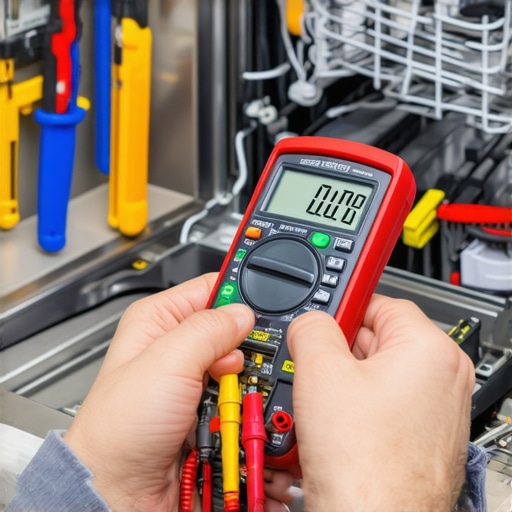
How do I maintain my high-end appliances over time?
Long-term success is 20% mechanics and 80% documentation. You need to treat your kitchen like a data center. I keep a dedicated folder on my cloud drive for every major unit. Inside, I save the PDF manual, a photo of the serial number tag, and every service receipt. If you are worried about the price of professional help, keep an eye out for the maintenance contract clause that saves you on labor costs. These clauses often provide a fixed rate for annual inspections, which is much cheaper than an emergency call on a holiday weekend. By staying ahead of the curve, you ensure that warranty-backed appliance services remain a safety net rather than a frequent necessity.
The future of repairs is probably in your phone
I predict that within the next three years, we will see a shift toward augmented reality (AR) diagnostics being built into every manufacturer’s app. You will point your camera at the blinking error code, and the app will overlay a 3D diagram showing you exactly which screw to turn. This will make expert appliance installation more accessible to everyone, but it also means manufacturers will have even more data on how you use (or abuse) your machines. To stay ahead of this trend, I highly recommend downloading your appliance’s official app today and running a ‘smart diagnostic’ check. It is a free way to catch a failing sensor before it causes a flood. Go ahead and run a diagnostic cycle on your dishwasher or washer tonight—it only takes five minutes and could save you from an expensive Monday morning surprise.
Hard Truths About Avoiding the Lemon Label
After years of fixing my own machines and helping neighbors, I’ve realized that 90% of ‘broken’ appliances are just victims of poor setup. First, never assume a new machine is a lemon until you’ve checked the drainage. Most ‘leaks’ are actually overflows caused by simple backflow from the sink. Second, the warranty document you must save before discarding the box is your most valuable asset if a real mechanical failure occurs. Finally, remember that affordable same-day appliance fixes often start with you identifying the problem before the tech arrives, which saves them time and saves you money on diagnostic fees.
The Toolkit That Saves Your Weekend
If you want to master how to ensure reliable appliance installation in 2025, you need more than a basic screwdriver. I personally swear by my True-RMS multimeter for testing circuits without getting false ‘ghost’ readings that lead to unnecessary parts replacement. I also keep a stash of heavy-duty, UV-resistant zip ties—they are the unsung heroes of the high-loop fix and don’t get brittle over time. Lastly, I recommend the ‘Appliance Service Manuals’ database online; it’s where I find the specific error code charts that aren’t in the user guide. These resources ensure that warranty-backed appliance services remain a last resort rather than a frequent necessity.
Claim Your Seat at the DIY Table
Don’t let a murky puddle of water or a complex manual intimidate you. Whether you’re securing a hose to stop a smell or learning what to expect from same-day appliance repair experts, you’re now equipped with the knowledge to keep your kitchen running smoothly on your own terms. Taking these small steps today prevents the massive, expensive headaches of tomorrow. Have you ever found a ‘quick fix’ that saved you from calling a plumber for a dishwasher problem? Let me know in the comments below!