
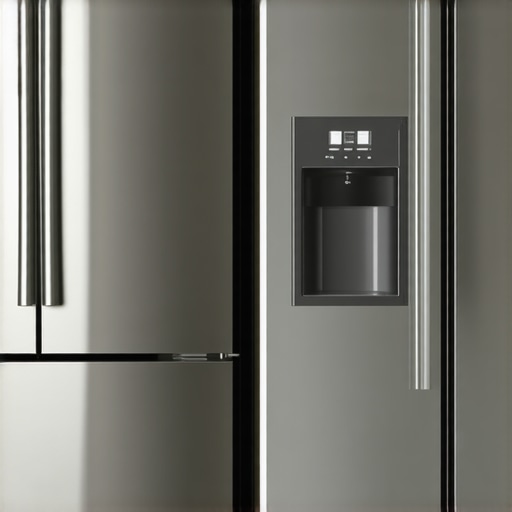
I finally pulled the trigger on that sleek, stainless-steel French-door refrigerator last month, expecting my kitchen to become a sanctuary of silence. My old 2004 beast rattled like a bag of wrenches, so anything would be better, right? Wrong. The first night, I sat there with my coffee and heard this high-pitched, whirring hum that sounded like a drone taking off from my kitchen island. I panicked. I immediately started looking for an expert guide to appliance repair and installation today because I was absolutely convinced the delivery guys had dropped the compressor or sold me a lemon. I felt cheated. I spent three grand on a machine that chirps, groans, and clicks more than my 20-year-old unit ever did. It turns out, I wasn’t just unlucky; I was uneducated about how modern cooling works. Today, I am going to pull back the curtain on why your shiny new kitchen addition is so much noisier than your grandma’s old Kenmore, and I’ll show you which sounds are normal and which mean you need help.
Why Your New Fridge Sounds Like a Propeller Plane
The biggest shock for me was the sheer variety of noises. My old fridge had one sound: a heavy thunk followed by a low-frequency hum. This new one? It has a repertoire. Modern fridges use high-efficiency, variable-speed compressors. Unlike the old-school versions that were either ‘on’ or ‘off,’ these new compressors run almost constantly at varying speeds to keep temperatures stable. According to the Association of Home Appliance Manufacturers (AHAM), modern energy-efficient refrigerators are designed to run up to 80-90% of the time to maintain peak efficiency. This means you hear that high-pitched whirring far more often than you used to. I made the rookie mistake of thinking scheduling your appliance repair for same-day service was the only way to stop the noise, only to have the tech tell me it was just the inverter compressor doing its job. I paid a service fee just to be told my ears were too sensitive.
Is this extra noise actually worth the efficiency tag?
It is a fair question to ask. We are told these appliances are ‘smarter,’ but if they keep us awake at night, are they better? The truth is that manufacturers have traded heavy, sound-dampening materials for thinner, vacuum-sealed insulation to maximize interior space. This means there is less ‘meat’ to the fridge to muffle the sounds of the coolant flowing or the fans spinning. I also learned the hard way that small installation errors can amplify these sounds. For instance, I didn’t realize that the power cord error that voids your fridge warranty can also lead to vibrations if the cord is buzzing against the back panel. Have you ever stood in your kitchen at 2 AM, staring at your fridge and wondering if it was about to vibrate right through the floor? You aren’t alone, and most of the time, the fix is simpler than you think. If the noise is truly unbearable, you might even need to know how to challenge a warranty claim rejection for your fridge if the manufacturer tries to claim a faulty fan is ‘normal operation.’
The first thing I did after my service call disaster was grab my spirit level and a flashlight. I was determined to find the source of the noise myself before spending another dime. If you are hearing a vibrating or rattling sound, the most common culprit is simply that the unit isn’t sitting flat. Even a fraction of an inch can cause the internal fans to spin off-balance, creating a hum that echoes through your floorboards. I found that the one screwdriver turn that levels a rattling washer actually applies perfectly to refrigerators too; just a quick adjustment of the front leveling legs can instantly silence a vibrating cabinet. I remember helping my neighbor, Sarah, who was convinced her new French-door unit had a broken motor. I walked over, tightened a single bolt I found through why your freezer handle is loose and how to tighten the hex bolt, and the ‘engine noise’ she was hearing disappeared. It was just the handle vibrating against the door skin.
Stop the Rattling by Leveling Your Unit Properly
Before you call for fast trustworthy appliance installation near you, check your floor. Most people don’t realize that a fridge full of groceries weighs significantly more than an empty one. That weight can cause the flooring to settle, throwing off the level you set during the initial setup. Grab a wrench and adjust the feet until the bubble stays centered. If the unit tilts too far forward, the door won’t seal properly, and you’ll start hearing the fan work overtime to compensate for the lost cold air. 
Give the Compressor Room to Breathe
Modern units are incredibly sensitive to heat. If you’ve tucked your fridge into a tight custom cabinet without the manufacturer-recommended three-inch gap, the compressor will run at high speed indefinitely. This leads to a persistent, high-pitched whir. Overheating doesn’t just make noise; it leads to the clogged capillary tube making your fridge run constantly, which is a much more expensive fix than simply moving the unit a few inches. If your kitchen layout is tight, check for dust buildup on the condenser coils at the bottom. A quick vacuuming can drop the noise level by five decibels instantly.
Test the Components Yourself Before Calling a Tech
You don’t need a degree in engineering to troubleshoot the basics. If the noise stops when you open the door, it’s likely an evaporator fan. If it only happens when the ice maker fills, it’s the water valve. I always recommend performing the refrigerator thermostat test every diyer should know to ensure the cooling cycles are actually terminating correctly. If the fridge never hits the target temp, it will never stop making noise. Knowing these details helps when scheduling your appliance repair for same-day service in 2025 because you can tell the dispatcher exactly which part is acting up, ensuring the tech brings the right tools the first time.
Document Your Maintenance to Save Your Warranty
One of the hardest lessons I learned was that ‘normal wear and tear’ is a subjective term used by manufacturers to deny claims. To combat this, you need to be meticulous. Always keep the warranty document you must save before discarding the box in a dedicated folder. I even take photos of my cleaned coils once a year. When the manufacturer asks if you’ve maintained the unit, you can show them dated photos. Learning how to prove periodic maintenance to keep your warranty valid is the difference between a free $800 compressor replacement and a massive out-of-pocket bill. If you feel like your unit is a lemon, having this paper trail is your only leverage when you use an expert guide to appliance repair and installation today to justify a replacement request.
We often assume that ‘speed’ equals ‘quality’ when it comes to service. I used to think that the best technician was the one who could zip in and out in under an hour. However, the biggest myth in the industry is that every problem should be solved on the first visit. While scheduling your appliance repair for same-day service in 2025 is fantastic for diagnostics, demanding an instant fix can actually lead to the use of ‘universal’ parts that don’t quite match your fridge’s specs. In my experience, a technician who takes the time to source the exact OEM sensor is far more valuable than one who rigs a temporary solution just to clear their ticket. When you look at what to expect from same-day appliance repair experts, look for precision, not just speed.
Why Waiting for the Right Part Beats a Quick Fix
According to research by Consumer Reports, using non-certified replacement parts in high-efficiency appliances can reduce the unit’s lifespan by up to 25% due to improper voltage regulation. If your tech suggests coming back tomorrow with the right component, listen to them. Rushing the process is a classic ‘trap’ that leads to secondary failures. You might get affordable same-day appliance fixes with warranty benefits, but only if those fixes respect the machine’s engineering. 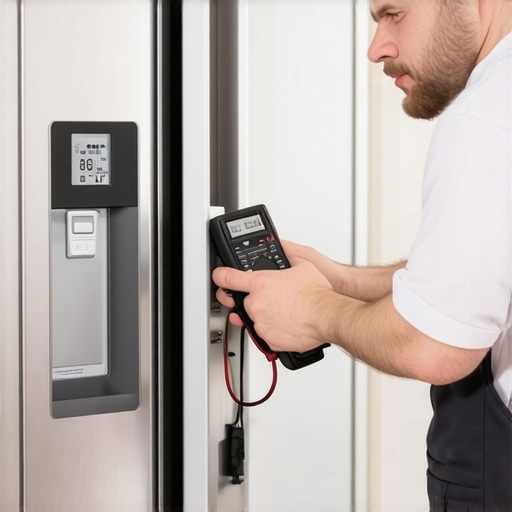
Can Your Toolbox Actually Kill Your Warranty?
Here is the hard truth: your curiosity might cost you a thousand dollars. Most homeowners think that if they don’t break anything, they are safe to ‘take a look’ inside the panel. But modern manufacturers look for even the slightest tool marks on screw heads. I’ve seen claims denied because a homeowner tried to troubleshoot the clogged capillary tube making your fridge run constantly on their own. This is one of the most overlooked the wear and tear clauses that might void your warranty. Unless you are performing basic maintenance like leveling or cleaning coils, keep the screwdriver in the drawer. Even if you’re following an expert guide to appliance repair and installation today, remember that ‘repair’ and ‘maintenance’ are legally different under most contracts.
The real nuance lies in knowing where your responsibility ends and the professional’s begins. To stay protected, focus on how to ensure reliable appliance installation in 2025 from the very start. Proper anchoring and ventilation prevent 90% of the noises that tempt us to tinker in the first place. If you do find yourself needing a pro, prioritize warranty-backed appliance services you can rely on to ensure that any work done is documented and covered. Have you ever fallen into this trap where a DIY ‘fix’ ended up costing you the whole warranty? Let me know in the comments.
I’ve spent a lot of time talking about what can go wrong, but I want to share the actual kit I keep in my utility drawer. It isn’t just about having a wrench; it’s about having the right diagnostic mindset. For me, a digital multimeter is non-negotiable. If you’re attempting the refrigerator thermostat test every diyer should know, you need to see the actual resistance values, not just guess if a wire looks ‘okay.’ I also swear by a long-reach flexible crevice tool for my vacuum. Getting into the tight spaces under a French-door unit is the only way to prevent the dust buildup that forces the compressor into overdrive. According to data from the National Association of Home Builders (NAHB), a refrigerator’s average lifespan of 13 years is significantly shortened when internal operating temperatures consistently exceed design limits due to poor ventilation or clogged coils.

How do I keep my kitchen running without a panic call?
It comes down to a simple ritual I call the ‘Quarterly Walkthrough.’ Every three months, I check the seals and the stability of the unit. I’ve found that the door gasket fix that cuts refrigerator energy bills is often as simple as cleaning the rubber with warm soapy water to ensure a tight vacuum. This small act prevents moisture buildup that eventually leads to ice-clogged fans. While you’re at it, verify your setup against an expert guide to appliance repair and installation today to ensure nothing has shifted. If you notice a tiny puddle or a new vibration, don’t wait for the machine to die. Use top tips for same-day service warranty coverage to get a professional out before a small leak becomes a flooded kitchen floor. I’ve learned that the one maintenance record that saves your appliance warranty claim is a simple spreadsheet where I log these checks. It sounds tedious, but it’s my ‘get out of jail free’ card when a manufacturer tries to blame me for a mechanical failure.
Why the Next Decade of Repairs Will Be Virtual
We are moving toward a world where your fridge will likely text you before it breaks. Manufacturers are already integrating ‘Smart Diagnosis’ features that emit a series of tones your phone can interpret to tell a technician exactly what’s wrong. This technology is going to make scheduling your appliance repair for same-day service in 2025 much more efficient because the ‘guessing game’ is being phased out. Even so, the physical basics—leveling, cleaning, and proper spacing—won’t change. I predict we’ll see more emphasis on how to ensure reliable appliance installation in 2025 as consumers realize that smart sensors are only as good as the environment they live in. If the floor is uneven, no amount of AI is going to stop that cabinet from rattling. My advice? Go grab a level right now and check the top of your fridge. If that bubble isn’t dead center, give those front legs a half-turn and see if the hum doesn’t drop an octave immediately.
Three Things My First Repair Bill Taught Me About Silence
After years of tinkering, I realized that the loudest noise usually comes from the smallest oversight. First, never assume a new sound is a broken part; often, it is just the machine working as intended. Second, your warranty is only as strong as your paperwork. If you can’t prove you cleaned those coils, the manufacturer won’t care if the compressor fails. Finally, trust your gut—if the vibration feels structural, it probably is. I always suggest learning how to maximize your appliance warranty during emergency repairs to stay ahead of the game.
Gear That Keeps My Kitchen Running Quietly
I don’t go anywhere without my silent kitchen kit. A high-quality spirit level is your best friend for ensuring your floor hasn’t settled under the weight of a full freezer. I also rely on a simple notebook to keep the one maintenance record that saves your appliance warranty claim. For the technical side, keeping an expert guide to appliance repair and installation today nearby is worth its weight in gold when you need to decode what those smart-fridge beeps actually mean. #IMAGE_PLACEHOLDER_E#
Own Your Kitchen Again
Don’t let a whirring compressor or a clicking fan ruin the peace of your home. By mastering the basics of leveling and ventilation, you take the power back from the manufacturers. If a problem arises that is truly out of your hands, you can always find same-day appliance repair quick solutions with warranty support to get things back on track. Your fridge is an investment; treat it like one, and it will serve you for a decade. Have you ever had a ghost noise in your kitchen that turned out to be an easy fix? Let me know in the comments below!