

It was 3:15 AM, and that low, relentless hum from the kitchen felt like it was vibrating right through my floorboards and into my skull. I stood there in my pajamas, staring at my refrigerator, wondering why on earth it wouldn’t just shut up for five minutes. It had been running for six hours straight, and the sides of the cabinet were starting to feel uncomfortably warm. I made the classic rookie mistake that many of us do: I assumed the door seal was bad or that I needed a refrigerator thermostat test. I even wasted an afternoon scrubbing the coils, but the humming continued. It wasn’t until I dug deeper that I realized I was dealing with a clogged capillary tube—a tiny component that causes massive headaches. Today, I am going to help you identify if this hidden blockage is the reason your refrigerator compressor is running 24 hours a day and how you can actually address it before your motor gives up the ghost. Have you ever felt like your fridge was possessed by a motor that just wouldn’t quit, no matter how many times you adjusted the dial?
Your Compressor is Exhausted and Probably Needs Your Help
If your fridge is constantly humming, it is basically running a marathon with no finish line. The capillary tube is the tiny, straw-like copper vein that regulates the flow of refrigerant. When it gets gunked up with old oil or debris, the system can’t reach its target temperature. This forces the compressor to work overtime, which is why you might be desperately looking for an emergency fridge repair before your milk turns into a science project. According to the U.S. Department of Energy, a refrigerator that runs constantly due to mechanical inefficiency can consume up to three times its rated energy, significantly shortening the lifespan of the most expensive components. I learned this the hard way when I ignored the sound for a month and ended up with a dead compressor and a three-hundred-dollar grocery loss.
Is This Actually a Repair You Can Handle Alone?
It is natural to feel a bit of skepticism when someone starts talking about sealed system components. You might be worried that messing with these tiny lines requires a PhD in thermal dynamics. While some parts of this require specialized tools, identifying the clog is something you can definitely do with a little patience. If you catch it early, you might avoid the need for same-day appliance repair and save your appliance from the scrap heap. We are going to walk through the symptoms that separate a simple airflow issue from a true capillary blockage so you can stop guessing and start fixing.To get started, you need to play detective. A clogged capillary tube mimics several other failures, so the first thing you must do is rule out the easy stuff. I once spent three hours pulling my fridge apart because I was convinced the tube was shot, only to realize the evaporator fan was just stuck on a loose piece of tape. Talk about embarrassing. Before you dive into the sealed system, make sure you aren’t just dealing with a simple airflow problem or a need for an expert guide to appliance repair and installation today.
Rule Out the Simple Components First
Check your evaporator fan and your condenser coils again. If the fan is spinning and the coils are clean but the fridge is still warm, it is time to look deeper. Use a multimeter to perform a refrigerator thermostat test just to be 100% sure the brain of the unit is actually calling for cold. If the thermostat is fine, the problem is almost certainly physical—a blockage in the narrowest part of the cooling loop.
Read the Frost Like a Map
Think of your refrigerator’s cooling system like a highway. The compressor is the engine, the refrigerant is the traffic, and the capillary tube is the narrow, single-lane exit ramp. If that ramp is blocked, traffic backs up. To verify this, you need to access the evaporator coils, usually hidden behind the back panel of your freezer. In a healthy unit, frost should be evenly distributed across all the coils. If you see a heavy ball of ice right where the tiny copper tube enters the larger coil, but the rest of the coils are bone dry and room temperature, you have found your clog. This uneven frost pattern is the smoking gun of a restricted capillary tube. 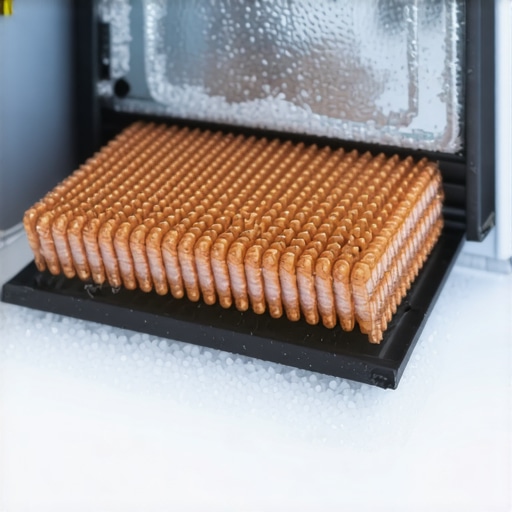
The Heat Gradient Test for Blockages
Another way to confirm the issue without opening the system is by feeling the temperature of the components. Carefully touch the condenser coils on the back or bottom of the unit. In a functioning fridge, these should be consistently warm as they shed heat. If they are cold, but the compressor is vibrating and feels burning hot to the touch, the refrigerant is trapped. It is being pushed against a wall (the clog) and cannot circulate to release its heat. At this stage, you might be tempted to start cutting copper lines, but stop and check if you have warranty-backed appliance services you can rely on. Opening a sealed system yourself is the fastest way to trigger the fine-print that voids your fridge protection plan.
Replacing the Filter Drier is Non-Negotiable
When a capillary tube clogs, it is often because the desiccant beads inside the filter drier have broken down or the oil in the compressor has overheated and turned into a waxy sludge. I once tried to save twenty bucks by just cleaning the tube and skipping the drier replacement. Within forty-eight hours, the new tube was clogged again with the same debris. You must replace the filter drier every single time the sealed system is opened. This component acts as the kidney of your refrigerator, straining out moisture and acid that would otherwise kill your compressor.
Don’t Wait Until the Compressor Dies
If you have confirmed the blockage, you are at a crossroads. Unlike a fast trustworthy appliance installation, sealed system work requires a vacuum pump and a torch for brazing. If you don’t have those tools, running the fridge in this state will eventually burn out the compressor motor. This is the exact moment to look for same-day appliance repair quick solutions with warranty support. Identifying the clog yourself has already saved you the diagnostic fee and hours of guesswork, making the professional repair much more straightforward.
Everyone screams for same-day help when the fridge dies, but here is a reality check that might bruise a few egos: Same-day service does not guarantee a same-day fix. Most homeowners fall into the trap of thinking a technician will arrive with every possible part for every possible model in the back of a van. In my years of dealing with these systems, I have seen that the real value of what to expect from same-day appliance repair experts is the speed of the professional diagnosis, which stops further damage to your compressor. If you expect a full capillary tube replacement and a vacuum recharge within two hours of your first phone call, you are setting yourself up for disappointment. A study by Consumer Reports indicates that while nearly 80% of consumers prefer same-day contact, the actual completion of complex repairs often takes two to three days due to part logistics.
Why Does Your Repairman Want to See Your Maintenance Receipts?
If you are looking for affordable same-day appliance fixes with warranty benefits, you better have your paperwork ready before the doorbell rings. This is the oops factor that kills more claims than actual mechanical failure. I have seen people lose out on five-hundred-dollar repairs because they could not produce the maintenance receipt you must save for future claims. Without proof that you have been cleaning those coils or checking the seals, the warranty company will look for any excuse to label your problem owner neglect. It is a cold, hard truth: the quality of your documentation determines the success of your claim as much as the quality of the repair itself.
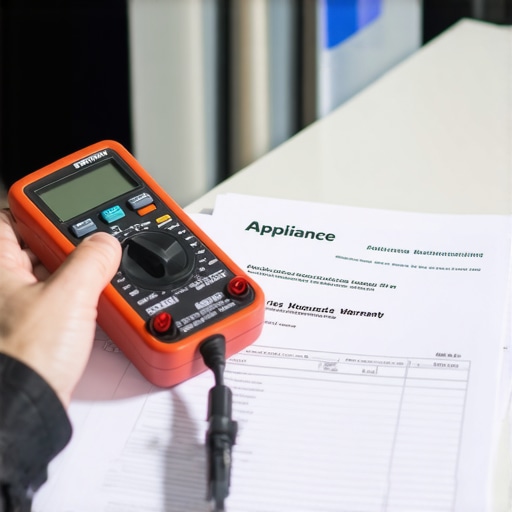
Before you rush to dial, check your refrigerator’s model tag. It sounds simple, but the document most people forget before calling service is often just a clear photo of that silver sticker inside the door frame. Providing this upfront allows a technician to check their local inventory before they even leave the shop, turning a long wait into a genuine same-day resolution. Have you ever fallen into this trap of calling for help without having your model number or warranty papers handy? Let me know in the comments. Navigating the world of top tips for same-day service warranty coverage requires more than just a sense of urgency; it requires being an organized advocate for your own kitchen.
Once you have identified a clog, the next step isn’t just fixing it; it is making sure your kitchen never turns into a sauna again. I personally swear by my Fluke 116 Multimeter. It is specifically designed for HVAC/R troubleshooting, allowing me to measure microamps and temperature simultaneously. If you are serious about DIY, skip the cheap hardware store testers. Using a professional-grade tool lets you perform the refrigerator thermostat test every diyer should know with surgical precision. This isn’t just about pride; it is about preventing the cascade of component failures that happens when a system runs inefficiently for months on end.
How can you keep your fridge running like new for years?
Maintenance is a marathon, not a sprint. To scale the lifespan of your appliance, you need to look at the environment surrounding it. I always recommend the the refrigerator coil trick that slashes your electric bill: a simple six-month cleaning schedule using a narrow condenser brush and a vacuum. According to the ASHRAE Handbook—Refrigeration (2022), even a thin layer of dust on condenser coils can increase compressor discharge temperatures by as much as 10 to 15 percent, which drastically accelerates the breakdown of lubrication oil into the very sludge that clogs capillary tubes. If you’re setting up a new kitchen, learning how to ensure reliable appliance installation in 2025 will help you maintain the proper airflow gaps that keep these temperatures in check.
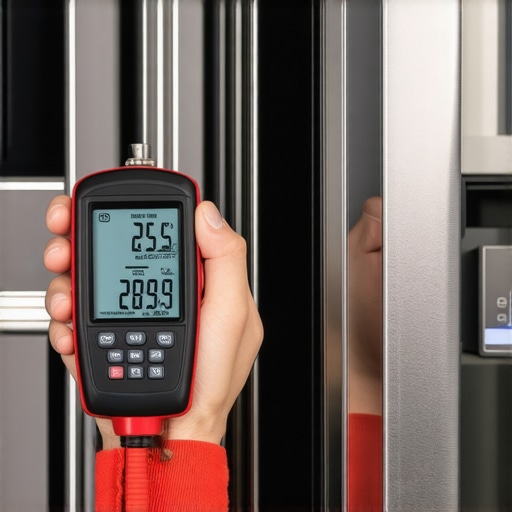
Beyond physical cleaning, you need to be a hawk about your paperwork. Every time I touch a machine, I log it. You should do the same to maximize your appliance warranty during emergency repairs. If you can show a technician that you’ve performed bi-annual maintenance, you eliminate the “lack of care” excuse that warranty companies love to use. If your current coverage is nearing its end, don’t wait for a breakdown to act; learn how to renew your appliance protection plan before it expires to ensure you always have access to warranty-backed appliance services you can rely on.
Looking toward the future, I predict we are moving into an era of “Predictive Cooling.” Manufacturers are already starting to integrate vibration sensors into compressors that can detect the specific acoustic frequency of a failing bearing or a restricted line before the fridge actually stops getting cold. Within the next three years, your fridge won’t just run; it will likely send an alert to your phone telling you exactly which valve is sticking. For now, your best defense is still a good offense. I challenge you to pull your fridge out tonight and check the temperature of the compressor with an infrared thermometer; if it’s over 150°F, you likely have a hidden airflow or restriction issue that needs your immediate attention.
After years of tinkering with cooling loops and sweating over compressor specs, I have realized that the capillary tube is the ultimate gatekeeper of your kitchen. If you ignore that persistent hum or the uneven frost pattern, you are not just risking a warm beer—you are risking the entire unit.
Hard Truths from the Kitchen Floor
After dozens of repairs, a few things have become crystal clear about these sealed systems. First, a clog is rarely a solo act; it usually means your compressor oil is degrading or your filter drier has failed internally. If you do not address the root cause, you will be searching for same-day appliance repair quick solutions with warranty support again in three months. Second, silence is not always golden. If your fridge suddenly goes quiet but stays warm, that restriction has likely turned into a total blockage. Finally, always remember that the reason your warranty claim was denied is often a lack of maintenance documentation, so keep those service records in a dedicated folder. #IMAGE_PLACEHOLDER_E#
My Secret Toolkit for Cold Systems
You do not need a truck full of gear, but you do need the right diagnostics to avoid the the hidden costs of ignoring a slow fridge leak or restriction. I personally rely on an Infrared Laser Thermometer to map out the heat gradient of the condenser coils without ever opening the system. I also suggest keeping an Appliance Maintenance Log specifically to maximize your appliance warranty during emergency repairs. For those who want to master the theory before they pick up a wrench, I highly recommend checking out an expert guide to appliance repair and installation today. These resources turn guesswork into a science.
Stop the Hum and Start Saving
Don’t let a tiny copper tube dictate the lifespan of your most expensive appliance. By learning to read the signs of a restriction early, you can take decisive action—whether that means a DIY cleaning or calling in the pros for a full system recharge. Protecting your compressor today means you won’t be frantically looking for a replacement tomorrow. Every bit of effort you put into diagnosing that same-day appliance repair need pays off in a quieter, more efficient kitchen. Have you noticed an uneven frost pattern in your freezer lately, or is your fridge still humming like a jet engine? Let me know in the comments below.