
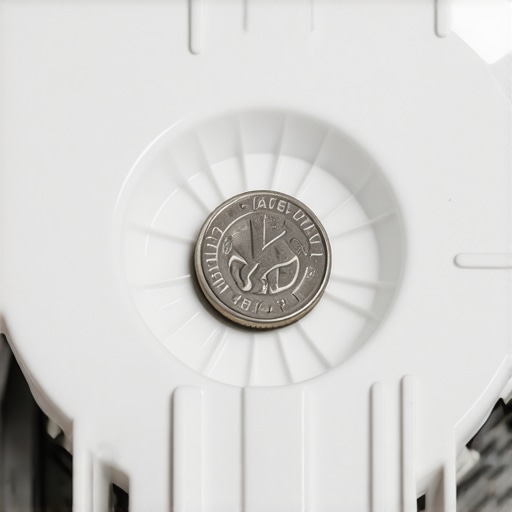
I was standing in two inches of lukewarm, soapy water last Tuesday night at 11 PM. The washer had just… stopped. No spinning, no draining, just a low, pathetic hum that vibrated through my floorboards. My favorite jeans were trapped in a murky soup of gray water, and my first instinct was to panic and start browsing for a replacement online. I felt defeated, thinking the motor had finally given up the ghost. But then I remembered a hard-learned lesson from years ago: never underestimate the destructive power of a single lost bobby pin. In my early DIY days, I actually replaced an entire machine because I didn’t know how to check the basics, a mistake that still makes my wallet hurt just thinking about it. Today, I am going to help you avoid that same expensive regret by showing you how to find that elusive blockage in your pump impeller.
Save Your Floor and Your Wallet by Checking the Pump First
Before you commit to buying a new appliance or even calling for affordable same-day appliance fixes with warranty benefits, you need to verify if the problem is mechanical or just a simple obstruction. When a washer fails to drain, the culprit is often something small—a coin, a stray sock, or a wad of pet hair—stuck right in the impeller of the drain pump. This little fan-like component is responsible for pushing water out of the drum and into the drain hose. If it can’t spin, the water stays put. Sometimes, the issue might actually be the pressure switch fault that leaves your washer drum full, but the pump is the first place a seasoned pro looks. It is a visceral feeling of relief when you pull a rusted dime out of that filter and hear the machine roar back to life. However, keep in mind that if your unit is still under a manufacturer’s protection, you should weigh the hidden costs of diy repairs on warranty-covered items before you start unscrewing panels.
Can a Total Beginner Really Fix This Without Breaking Something Else?
It is natural to be skeptical. You might worry about flooding your laundry room further or causing an electrical short. But honestly, most modern machines make this fairly accessible. On many front-loaders, you will find a small access door at the bottom. If you have a different style, you might need to hunt for the drain filter location in your european washer or even tilt the machine back to reach it from underneath. According to the repair experts at RepairClinic, nearly 30 percent of washing machine drain failures are caused by simple debris rather than a faulty part. This is why a little bravery goes a long way. If your washer is still refusing to move but the pump seems clear, you might want to look into the lid switch fault that prevents your washer from spinning, as it can mimic a pump failure. Have you ever opened your pump filter only to find something bizarre like a toy car or a literal handful of gravel? I would love to hear your ‘found in the filter’ horror stories in the comments below! We are just getting started, and in the next section, I will walk you through the exact steps to drain that tub manually without making a mess.
Taming the Flood Before You Open the Filter
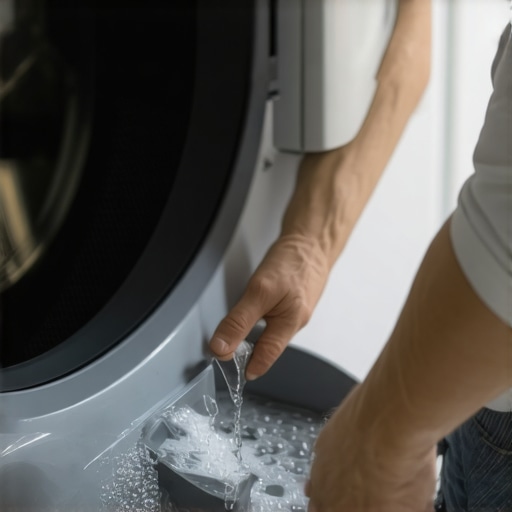
Draining a full drum is like trying to give a cat a bath—it is going to be messy if you are not prepared. Most people just unscrew the filter and hope for the best, which results in a literal indoor lake. Instead, look for the tiny black emergency drain hose tucked next to the filter cap. Pull that little plug out and let the water trickle into a shallow tray. I once tried to shortcut this by using a dinner plate during a late-night repair. Within thirty seconds, gray water was rushing toward my hallway carpet, and I was frantically scooping it back into the machine with a coffee mug while my wife watched in silent judgment. To avoid this, use a baking sheet or a dedicated drain pan. If the water is not coming out of that hose at all, you might be dealing with a total blockage higher up in the tub.
Reach the Heart of the Drain System
Once the bulk of the water is out, you can unscrew the large circular filter. This is where you find the treasures. If you have a European model, you might need to check the drain filter location in your european washer as they can be tucked behind kick-plates or lower panels. As you pull the filter out, keep a towel handy for the remaining splashes. You are looking for the impeller—the small plastic fan blades behind the filter. Reach in there with your finger—making sure the power is OFF—and try to flick the blades. They should spin with a slight springy resistance. If they are locked solid, you have found your culprit. This is a much better outcome than needing same-day appliance repair quick solutions with warranty support because you can usually just pluck the obstruction out yourself.
Dealing with Stubborn Objects and Hidden Damage
Sometimes, the object is wedged so deep you cannot see it. This is where a pair of needle-nose pliers becomes your best friend. I have pulled out everything from bra wires to LEGO swords and even a whole house key. If the impeller spins freely but you still see the pressure switch fault that leaves your washer drum full, the problem might be electrical or sensor-based rather than a simple clog. In those cases, you will want to check the one maintenance record that saves your appliance warranty claim before calling for professional help. If the pump housing itself is cracked, you will need to learn the right way to fix a noisy dishwasher pump without replacing it, as the mechanical principles are very similar for washing machines. Understanding what to expect from same day appliance repair experts can also help if you decide the job is too big for your tool kit.
Avoid Future Clogs with Better Installation Habits
Prevention is about more than just checking your pockets for loose change. Proper setup prevents debris from settling where it should not. If your machine is vibrating like crazy, it could be the 15 part that fixes a shaking washing machine or simply an unlevel machine. An unlevel washer causes water to pool unevenly, which lets sediment build up in the pump. When setting up a new unit, always ensure you follow the proper way to secure a stacked laundry unit to keep everything stable. Even the best expert guide to appliance repair and installation today will tell you that a steady machine is a long-lasting machine. If you find yourself frequently clearing the pump, it might be time for affordable same-day appliance fixes with warranty benefits to ensure there is not a more serious internal drainage issue.
Most homeowners believe that ‘same-day service’ is a luxury reserved for those with too much money and not enough patience. In my years of tinkering with appliances, I have found the exact opposite to be true: waiting even forty-eight hours to address a drainage issue can turn a simple $100 pump clearing into a $500 motor replacement. When water sits in the pump housing, it does more than just smell bad; it begins to corrode the seals and can even lead to electrical shorts in the delicate sensor array. This is why scheduling your appliance repair for same-day service in 2025 is actually a savvy financial move rather than an impulsive one. Beyond just the speed of the fix, you need to understand what to expect from same day appliance repair experts so you don’t end up paying for a ‘quick fix’ that doesn’t address the root cause of the blockage.
The expensive myth of ‘saving it for later’
The biggest trap I see people fall into is assuming that if the machine eventually drains after a few restarts, the problem has ‘fixed itself.’ It hasn’t. It is just a ticking time bomb. A common ‘oops’ factor involves the installation process itself. Many DIYers and even some rushed pros forget one critical step: the shipping bolt error that ruins new washing machines. If those bolts aren’t removed, the resulting vibration can physically shake the drain pump loose from its mounts, leading to a slow leak you won’t notice until your floorboards start to buckle. Have you ever ignored a weird noise only for it to turn into a major flood? Let me know in the comments—I’ve been there, and the cleanup is never fun.
Why is the error code still there if the pump is clean?
This is where the ‘advanced’ level of troubleshooting comes in. You have pulled the coins out, the impeller spins freely, but the machine still refuses to enter the spin cycle. This often points to a sensor calibration issue or a failure in the communication between the pump and the control board. According to a technical study by the Association of Home Appliance Manufacturers (AHAM), modern high-efficiency washers rely on precise ‘pressure signals’ to confirm the tub is empty. If your drain hose is shoved too far into the standpipe, it creates a siphoning effect that tricks the sensors. This is why how to ensure reliable appliance installation in 2025 involves more than just plugging it in; it requires a deep understanding of physics and plumbing logic.
Your warranty is probably more fragile than you think
People often treat their warranty like an all-access pass to free repairs, but manufacturers are incredibly strict about ‘user-caused’ failures. If a technician pulls a bra wire or a handful of loose change out of your pump, that service call is likely coming out of your pocket. To avoid a rejected claim, you must know how to prove periodic maintenance to keep your warranty valid. This includes keeping a log of when you last cleaned the filter. Furthermore, there is a massive gap between different types of coverage; understanding the difference between a manufacturer warranty and a service contract can save you from a nasty surprise when the bill arrives. Before you take a screwdriver to your machine again, remember that some brands will void your entire coverage if they see evidence of ‘unauthorized’ entry into the pump housing.
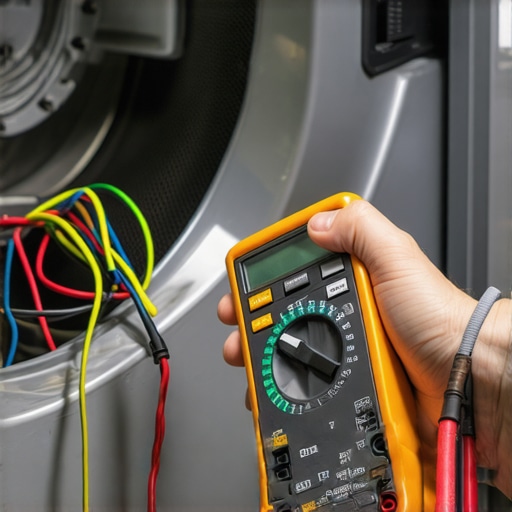
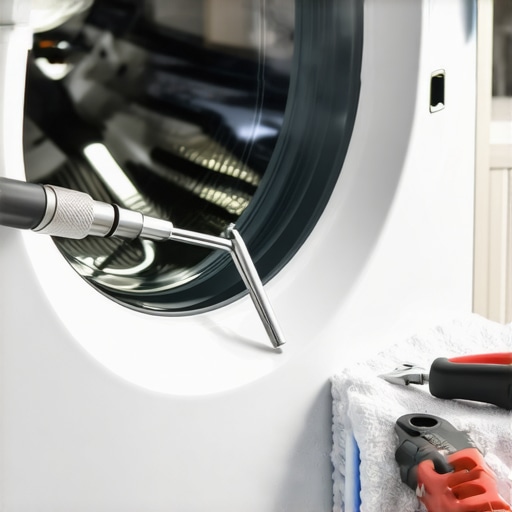
Beyond just having the right attitude, you need a physical toolkit that does not let you down during a late-night repair. I never approach a machine without my telescoping inspection mirror. It allows me to see the back of the pump housing without actually pulling the unit out of its alcove—a move that often risks tearing your linoleum or scratching a hardwood floor. I also swear by a non-contact voltage tester; before I touch a single wire, I want absolute certainty that the power is truly killed at the breaker. If you are dealing with a different kind of clog, perhaps in the kitchen sink, you might need the specific wrench you need to unjam a disposal in seconds. For the washing machine, however, it is all about reach, visibility, and safety. I have found that a pair of long-reach needle-nose pliers is the only way to grab those stubborn hair ties that wrap around the impeller shaft, preventing a costly call for same-day appliance repair quick solutions with warranty support.
How do I keep my washer from clogging up again?
The secret to longevity is not a fancy chemical or a subscription service; it is a simple monthly habit. Once every thirty days, run a ‘clean’ cycle with a dedicated descaler. Hard water is the silent partner of every pump-clogging coin or bobby pin, acting as a glue that binds debris together. According to data from the International Association of Certified Home Inspectors (InterNACHI), a standard drain pump should last about 10 years, but mineral buildup and heavy debris can cut that life expectancy in half. This is why I always check the critical drain hose loop you’re missing in your dishwasher setup or its equivalent in your laundry room; if your hose is sagging without a proper high loop, it creates a stagnant pool where sediment hardens. Ensure your initial setup follows the modern guidelines for how to ensure reliable appliance installation in 2025 to keep the gravity-fed portions of the system working in your favor.
As we look toward the next few years, I predict we will see the rise of ‘smart’ drain pumps equipped with AI-driven vibration analysis. These units will be able to detect a single coin entering the housing and will automatically reverse their rotation or vibrate at ultrasonic frequencies to dislodge debris before it can jam the impeller. Until that technology becomes standard, we are the first line of defense. If your pump is already damaged beyond saving and you need a full replacement, do not just wing the wiring. Seek out fast trustworthy appliance installation near you to ensure the electrical connections are seated perfectly. A loose wire on a new pump is a recipe for a ‘no-drain’ encore you definitely do not want to attend next weekend. One thing I have learned the hard way: always keep your old pump for at least twenty-four hours after a replacement. Sometimes the issue is actually a faulty wiring harness or a control board glitch, and you do not want to throw away a perfectly good $80 part until you have verified the new one actually clears the error code under a full load. If the noise persists even after the pump is replaced, it might not be a drainage issue at all; you could be hearing the drum roller wear that makes your dryer sound like a train if your units are stacked. Take five minutes right now to check your drain filter—seriously, go do it. You might just save yourself a $300 service call tomorrow morning by plucking out a single stray button today.
I was standing in two inches of lukewarm, soapy water last Tuesday night at 11 PM. The washer had just… stopped. No spinning, no draining, just a low, pathetic hum that vibrated through my floorboards. My favorite jeans were trapped in a murky soup of gray water, and my first instinct was to panic and start browsing for a replacement online. I felt defeated, thinking the motor had finally given up the ghost. But then I remembered a hard-learned lesson from years ago: never underestimate the destructive power of a single lost bobby pin. In my early DIY days, I actually replaced an entire machine because I didn’t know how to check the basics, a mistake that still makes my wallet hurt just thinking about it. Today, I am going to help you avoid that same expensive regret by showing you how to find that elusive blockage in your pump impeller.
Save Your Floor and Your Wallet by Checking the Pump First
Before you commit to buying a new appliance or even calling for affordable same-day appliance fixes with warranty benefits, you need to verify if the problem is mechanical or just a simple obstruction. When a washer fails to drain, the culprit is often something small—a coin, a stray sock, or a wad of pet hair—stuck right in the impeller of the drain pump. This little fan-like component is responsible for pushing water out of the drum and into the drain hose. If it can’t spin, the water stays put. Sometimes, the issue might actually be the pressure switch fault that leaves your washer drum full, but the pump is the first place a seasoned pro looks. It is a visceral feeling of relief when you pull a rusted dime out of that filter and hear the machine roar back to life. However, keep in mind that if your unit is still under a manufacturer’s protection, you should weigh the hidden costs of diy repairs on warranty-covered items before you start unscrewing panels.
Can a Total Beginner Really Fix This Without Breaking Something Else?
It is natural to be skeptical. You might worry about flooding your laundry room further or causing an electrical short. But honestly, most modern machines make this fairly accessible. On many front-loaders, you will find a small access door at the bottom. If you have a different style, you might need to hunt for the drain filter location in your european washer or even tilt the machine back to reach it from underneath. According to the repair experts at RepairClinic, nearly 30 percent of washing machine drain failures are caused by simple debris rather than a faulty part. This is why a little bravery goes a long way. If your washer is still refusing to move but the pump seems clear, you might want to look into the lid switch fault that prevents your washer from spinning, as it can mimic a pump failure. Have you ever opened your pump filter only to find something bizarre like a toy car or a literal handful of gravel? I would love to hear your ‘found in the filter’ horror stories in the comments below! We are just getting started, and in the next section, I will walk you through the exact steps to drain that tub manually without making a mess.
Taming the Flood Before You Open the Filter
Draining a full drum is like trying to give a cat a bath—it is going to be messy if you are not prepared. Most people just unscrew the filter and hope for the best, which results in a literal indoor lake. Instead, look for the tiny black emergency drain hose tucked next to the filter cap. Pull that little plug out and let the water trickle into a shallow tray. I once tried to shortcut this by using a dinner plate during a late-night repair. Within thirty seconds, gray water was rushing toward my hallway carpet, and I was frantically scooping it back into the machine with a coffee mug while my wife watched in silent judgment. To avoid this, use a baking sheet or a dedicated drain pan. If the water is not coming out of that hose at all, you might be dealing with a total blockage higher up in the tub.
Reach the Heart of the Drain System
Once the bulk of the water is out, you can unscrew the large circular filter. This is where you find the treasures. If you have a European model, you might need to check the drain filter location in your european washer as they can be tucked behind kick-plates or lower panels. As you pull the filter out, keep a towel handy for the remaining splashes. You are looking for the impeller—the small plastic fan blades behind the filter. Reach in there with your finger—making sure the power is OFF—and try to flick the blades. They should spin with a slight springy resistance. If they are locked solid, you have found your culprit. This is a much better outcome than needing same-day appliance repair quick solutions with warranty support because you can usually just pluck the obstruction out yourself.
Dealing with Stubborn Objects and Hidden Damage
Sometimes, the object is wedged so deep you cannot see it. This is where a pair of needle-nose pliers becomes your best friend. I have pulled out everything from bra wires to LEGO swords and even a whole house key. If the impeller spins freely but you still see the pressure switch fault that leaves your washer drum full, the problem might be electrical or sensor-based rather than a simple clog. In those cases, you will want to check the one maintenance record that saves your appliance warranty claim before calling for professional help. If the pump housing itself is cracked, you will need to learn the right way to fix a noisy dishwasher pump without replacing it, as the mechanical principles are very similar for washing machines. Understanding what to expect from same day appliance repair experts can also help if you decide the job is too big for your tool kit.
Avoid Future Clogs with Better Installation Habits
Prevention is about more than just checking your pockets for loose change. Proper setup prevents debris from settling where it should not. If your machine is vibrating like crazy, it could be the 15 part that fixes a shaking washing machine or simply an unlevel machine. An unlevel washer causes water to pool unevenly, which lets sediment build up in the pump. When setting up a new unit, always ensure you follow the proper way to secure a stacked laundry unit to keep everything stable. Even the best expert guide to appliance repair and installation today will tell you that a steady machine is a long-lasting machine. If you find yourself frequently clearing the pump, it might be time for affordable same-day appliance fixes with warranty benefits to ensure there is not a more serious internal drainage issue.
Most homeowners believe that ‘same-day service’ is a luxury reserved for those with too much money and not enough patience. In my years of tinkering with appliances, I have found the exact opposite to be true: waiting even forty-eight hours to address a drainage issue can turn a simple $100 pump clearing into a $500 motor replacement. When water sits in the pump housing, it does more than just smell bad; it begins to corrode the seals and can even lead to electrical shorts in the delicate sensor array. This is why scheduling your appliance repair for same-day service in 2025 is actually a savvy financial move rather than an impulsive one. Beyond just the speed of the fix, you need to understand what to expect from same day appliance repair experts so you don’t end up paying for a ‘quick fix’ that doesn’t address the root cause of the blockage.
The expensive myth of ‘saving it for later’
The biggest trap I see people fall into is assuming that if the machine eventually drains after a few restarts, the problem has ‘fixed itself.’ It hasn’t. It is just a ticking time bomb. A common ‘oops’ factor involves the installation process itself. Many DIYers and even some rushed pros forget one critical step: the shipping bolt error that ruins new washing machines. If those bolts aren’t removed, the resulting vibration can physically shake the drain pump loose from its mounts, leading to a slow leak you won’t notice until your floorboards start to buckle. Have you ever ignored a weird noise only for it to turn into a major flood? Let me know in the comments—I’ve been there, and the cleanup is never fun.
Why is the error code still there if the pump is clean?
This is where the ‘advanced’ level of troubleshooting comes in. You have pulled the coins out, the impeller spins freely, but the machine still refuses to enter the spin cycle. This often points to a sensor calibration issue or a failure in the communication between the pump and the control board. According to a technical study by the Association of Home Appliance Manufacturers (AHAM), modern high-efficiency washers rely on precise ‘pressure signals’ to confirm the tub is empty. If your drain hose is shoved too far into the standpipe, it creates a siphoning effect that tricks the sensors. This is why how to ensure reliable appliance installation in 2025 involves more than just plugging it in; it requires a deep understanding of physics and plumbing logic.
Your warranty is probably more fragile than you think
People often treat their warranty like an all-access pass to free repairs, but manufacturers are incredibly strict about ‘user-caused’ failures. If a technician pulls a bra wire or a handful of loose change out of your pump, that service call is likely coming out of your pocket. To avoid a rejected claim, you must know how to prove periodic maintenance to keep your warranty valid. This includes keeping a log of when you last cleaned the filter. Furthermore, there is a massive gap between different types of coverage; understanding the difference between a manufacturer warranty and a service contract can save you from a nasty surprise when the bill arrives. Before you take a screwdriver to your machine again, remember that some brands will void your entire coverage if they see evidence of ‘unauthorized’ entry into the pump housing.
Beyond just having the right attitude, you need a physical toolkit that does not let you down during a late-night repair. I never approach a machine without my telescoping inspection mirror. It allows me to see the back of the pump housing without actually pulling the unit out of its alcove—a move that often risks tearing your linoleum or scratching a hardwood floor. I also swear by a non-contact voltage tester; before I touch a single wire, I want absolute certainty that the power is truly killed at the breaker. If you are dealing with a different kind of clog, perhaps in the kitchen sink, you might need the specific wrench you need to unjam a disposal in seconds. For the washing machine, however, it is all about reach, visibility, and safety. I have found that a pair of long-reach needle-nose pliers is the only way to grab those stubborn hair ties that wrap around the impeller shaft, preventing a costly call for same-day appliance repair quick solutions with warranty support.
How do I keep my washer from clogging up again?
The secret to longevity is not a fancy chemical or a subscription service; it is a simple monthly habit. Once every thirty days, run a ‘clean’ cycle with a dedicated descaler. Hard water is the silent partner of every pump-clogging coin or bobby pin, acting as a glue that binds debris together. According to data from the International Association of Certified Home Inspectors (InterNACHI), a standard drain pump should last about 10 years, but mineral buildup and heavy debris can cut that life expectancy in half. This is why I always check the critical drain hose loop you’re missing in your dishwasher setup or its equivalent in your laundry room; if your hose is sagging without a proper high loop, it creates a stagnant pool where sediment hardens. Ensure your initial setup follows the modern guidelines for how to ensure reliable appliance installation in 2025 to keep the gravity-fed portions of the system working in your favor.
As we look toward the next few years, I predict we will see the rise of ‘smart’ drain pumps equipped with AI-driven vibration analysis. These units will be able to detect a single coin entering the housing and will automatically reverse their rotation or vibrate at ultrasonic frequencies to dislodge debris before it can jam the impeller. Until that technology becomes standard, we are the first line of defense. If your pump is already damaged beyond saving and you need a full replacement, do not just wing the wiring. Seek out fast trustworthy appliance installation near you to ensure the electrical connections are seated perfectly. A loose wire on a new pump is a recipe for a ‘no-drain’ encore you definitely do not want to attend next weekend. One thing I have learned the hard way: always keep your old pump for at least twenty-four hours after a replacement. Sometimes the issue is actually a faulty wiring harness or a control board glitch, and you do not want to throw away a perfectly good $80 part until you have verified the new one actually clears the error code under a full load. If the noise persists even after the pump is replaced, it might not be a drainage issue at all; you could be hearing the drum roller wear that makes your dryer sound like a train if your units are stacked. Take five minutes right now to check your drain filter—seriously, go do it. You might just save yourself a $300 service call tomorrow morning by plucking out a single stray button today.
The Hard Truths About Washer Clogs That Saved My Sanity
Reflecting on my early mistakes, I’ve realized that successful repair isn’t just about having a wrench; it’s about a shift in mindset. First, never assume a slow drain is a minor glitch; it is usually the machine screaming for help before the motor burns out. Second, I’ve learned that the cheapest part of any repair is the 10 minutes you spend checking the pockets of your jeans before they go in. Most importantly, I’ve discovered that you can maximize your appliance warranty during emergency repairs simply by being the person who actually reads the manual. Many people void their coverage because they don’t realize that routine pump clearing is often a user maintenance requirement, not a manufacturer defect.
Gear That Makes Every Repair a Lot Less Stressful
If you want to move from clueless to confident, you need a better support system than just a YouTube video. I personally rely on a few specific resources and tools to keep my household running. I always keep a high-quality shop vacuum nearby to suck water directly from the drain hose, which prevents those midnight floods. For technical guidance, I trust the Association of Home Appliance Manufacturers (AHAM) for their industry standards on appliance safety. When a DIY job feels a bit too daunting, I refer back to a comprehensive expert guide to appliance repair and installation today to make sure I am not missing a critical gasket or seal. Finally, keeping a digital copy of the maintenance contract clause that saves you on labor costs in my phone has saved me hundreds of dollars when a simple pump clog turned out to be a more complex electrical failure.
#IMAGE_PLACEHOLDER_E#
Take Back Control of Your Laundry Routine
You don’t have to be a mechanical genius to master your washing machine’s drain system. By taking these small steps now—checking the impeller, clearing the filter, and ensuring your machine is level—you are extending the life of your appliance by years. Whether you decide to handle the job yourself or opt for affordable same-day appliance fixes with warranty benefits, the key is to act quickly. Don’t let a tiny bobby pin dictate when you can wear your favorite outfit. Proper how to ensure reliable appliance installation in 2025 starts with the knowledge you’ve gained today. Have you ever found something completely unexpected inside your drain pump filter? Let me know in the comments below—I am still trying to figure out how a set of car keys made it past my drum seal!