
I stood there with a wet, gray slab of fiberglass in my hand, watching a single drop of water fall from the intake grate and land right on my forehead. It was the middle of a record-breaking July heatwave, and my HVAC system had decided to transform itself into an indoor rainmaker. I’d noticed the air felt a bit swampy for a few days—that heavy, thick feeling that makes your skin feel tacky—but I figured it was just the Michigan humidity winning the battle against my aging unit. I was dead wrong. That soaked filter wasn’t just a nuisance; it was a screaming red flag that I ignored until a nasty, tea-colored ring started blooming on my hallway ceiling like an unwanted piece of modern art.
Your Filter Isn’t Supposed to be a Water Feature
When you see water where there should only be air, your house is sending out an SOS. Most of the time, this isn’t some mysterious mechanical ghost; it’s a direct result of the internal plumbing of your AC system failing. I made the classic rookie mistake of thinking a little moisture was just par for the course during a humid summer. I even considered just tossing the wet filter, sliding in a dry one, and going back to my Netflix marathon. But a wet filter is the final warning shot. It means your primary condensate pan is already overflowing, or your evaporator coils are encased in a block of ice that is slowly weeping into the ductwork. If you don’t hit the kill switch now, you aren’t just looking at a simple service call; you’re looking at a full-scale ceiling collapse. This is the exact moment when same-day appliance repair stops being a convenience and starts being your home’s life raft. I learned the hard way that water travels in the most inconvenient paths possible. It doesn’t just sit there; it migrates along the joists, finding the weakest point in your drywall. In my case, I waited just twelve hours too long. By the time I climbed up the ladder, the drywall was so saturated it felt like wet oatmeal. I could have saved myself a week of repairs and a massive headache if I had just understood that a wet filter is never normal. It’s an emergency in disguise. To get ahead of it, you might even need to check your HVAC blower capacitor to ensure the fan is actually moving enough air to prevent that ice buildup in the first place.
Is a soggy filter really a sign of a disaster?
You might be sitting there thinking, “Maybe it’s just a one-time thing? Can’t I just dry it out and see what happens?” I’ve been in those shoes, and trust me, the answer is a hard no. A damp environment inside your HVAC cabinet is a literal five-star resort for things you absolutely do not want to breathe. According to the Environmental Protection Agency (EPA), mold and mildew can begin to colonize damp surfaces in as little as 24 to 48 hours. By the time that moisture is visible on your ceiling, you are already on a very short ticking clock. I remember trying to use a standard shop-vac on the external lines myself, only to realize I didn’t know the drain line vacuum secret for clearing those stubborn, gelatinous algae clogs properly. We are going to walk through why this happens, how to stop the drip before your ceiling ends up on your floor, and how to handle the situation like a pro. Have you ever found a wet surprise when changing your air filter? If you’re already seeing those dreaded stains, start taking pictures immediately. I lost out on a potential warranty payout years ago because I didn’t have the right documentation. I didn’t know the exact photo evidence needed to prove the leak was caused by a cracked drain pan rather than neglect. We’re going to fix this together, save your drywall, and get your home’s air feeling crisp and dry again. Let’s dive into the common culprits and how to tackle them without losing your mind.
Cut the power before you drown your furnace
The very first thing you must do—before you even grab a towel—is turn the entire system off at the thermostat and the breaker. I once tried to ‘troubleshoot’ a leaking unit while it was still running, thinking I could see the leak in action. Instead, the blower fan just kept spraying droplets deeper into the electrical compartment. By shutting it down, you stop the evaporator coil from producing more condensate and prevent a short circuit. If your unit is in the attic, this is critical; a heavy, water-logged secondary pan can actually bend the supports, leading to a structural disaster. Once the power is off, pull that soggy filter out. If it’s dripping, it’s already trash. I recommend placing a plastic bin under the unit immediately to catch any secondary drips while you work. This is the moment to decide if you can handle the DIY or if you need to call for same-day appliance repair to save your ceiling.
Sucking out the sludge with a shop-vac
The most common reason for a wet filter is a clogged primary condensate line. Over time, a thick, jelly-like algae builds up inside the PVC pipe until it’s as blocked as a frozen artery. I remember a humid Tuesday in August when I tried to blow through the line with a garden hose—don’t do that. You’ll just create a back-pressure mess inside your house. Instead, take a wet-dry shop vacuum to the exterior exit of the drain line. The key is creating an airtight seal. I use a damp rag wrapped tightly around the vacuum nozzle where it meets the PVC. Turn the vacuum on and let it run for a full two minutes. You want to see a ‘slug’ of gray or green gunk hit the vacuum canister. This is the core of the drain line vacuum secret for fixing ac drip leaks that most pros won’t tell you. If the water starts flowing freely into the vacuum, you’ve just saved yourself a few hundred dollars.
Melt the ice without flooding the hallway
If you clear the drain line and the water keeps coming, you likely have a frozen evaporator coil. When the coil turns into a block of ice, it blocks the normal drainage channels, causing water to bypass the pan and hit your filter instead. I once made the mistake of trying to chip the ice off with a screwdriver—never do this, as you will puncture the delicate aluminum fins and ruin the unit. The only safe way to thaw it is to turn the ‘Cool’ setting off but keep the ‘Fan’ setting on ‘On.’ This blows warm house air over the ice to melt it. However, keep a close eye on the unit. As that ice melts, it can overwhelm a partially blocked pan, which is exactly why your ac is spitting water from the vents inside your home. If the melting process looks like a monsoon, you might have a cracked drain pan, a common issue that requires an expert guide to appliance repair and installation today to replace properly.
Professional installation keeps the water outside
Long-term, you have to look at the slope of your unit. A friend of mine had a new system put in that leaked from day one because the installers didn’t follow the 1/4-inch-per-foot slope rule for the drain line. Water is lazy; if the pipe isn’t slanted correctly, it just sits there and grows mold. If you find that your unit is perfectly level or leaning the wrong way, you’re fighting gravity and you will lose. Ensuring reliable appliance installation means checking that the secondary emergency pan has its own dedicated drain or a float switch that kills the power if water rises. While you’re at it, document everything. I can’t stress this enough: keep your receipts and photos of the leak. Having the one maintenance record that saves your appliance warranty claim can be the difference between a free repair and a $1,200 bill. Always check your coverage to maximize your appliance warranty during emergency repairs before you start buying expensive replacement parts.
Stop treating same-day service like a luxury
Most homeowners think calling for same-day appliance repair is just about personal comfort. They think they can sweat for a day to save the emergency dispatch fee, but this is a massive mistake. In the world of HVAC, a wet filter means water is already escaping the designated drainage system and finding a path of least resistance. Every hour you wait, that water is wicking into your insulation and wood framing. I’ve seen small drips turn into $5,000 mold remediation projects simply because the owner waited for a Monday morning appointment. The real nuance here is that speed is actually a form of damage mitigation. If you don’t act immediately, you’re not just paying for a repair; you’re paying for a structural renovation. This is where an expert guide to appliance repair and installation today becomes essential to triage the situation before it spirals into a total home insurance claim.
The hidden paperwork trap that ruins your claim
Here is the contrarian truth: Your warranty isn’t a safety net; it’s a legal contract with a lot of out clauses for the manufacturer. Everyone assumes that if a part fails, it’s automatically covered. But in my experience, the biggest hurdle isn’t the mechanical failure—it’s the lack of maintenance loophole. According to the Air-Conditioning, Heating, and Refrigeration Institute (AHRI), a significant percentage of premature system failures are blamed on environmental factors or poor upkeep, which conveniently voids your coverage. If you can’t produce the one maintenance record that saves your appliance warranty claim, you’re footing the bill. You need to treat your HVAC service like a flight log. Every filter change and every drain line flush needs a date and a photo. I learned this the hard way when a claim for a cracked pan was denied because I couldn’t prove I had the lines professionally cleared. Now, I always capture the exact photo evidence needed for an hvac warranty claim before I even touch a wrench. 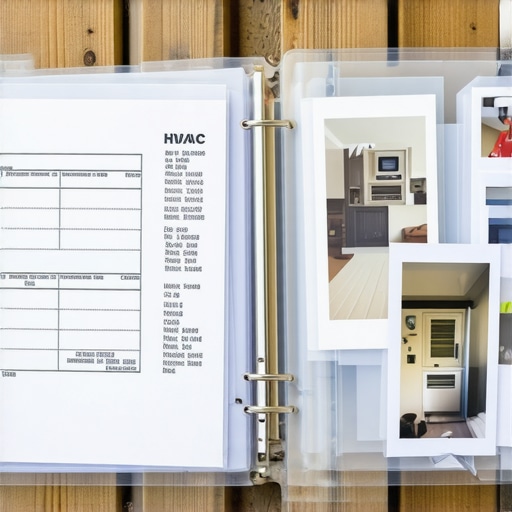
Will my warranty cover a flood I caused?
This is the question that keeps people up at night when they see a wet ceiling. The short answer is: usually not if the damage is deemed consequential. Your HVAC warranty covers the evaporator coil if it leaks, but it rarely covers the expensive drywall it destroyed. This is why it is vital to maximize your appliance warranty during emergency repairs by involving a pro who knows how to code the repair correctly for the claims adjuster. There is a huge difference between a manufacturer warranty and a service contract, and knowing which one to pull from can save you thousands. If the manufacturer says no, you need to know how to negotiate a repair instead of a replacement with your warranty provider. They are looking for reasons to replace the whole unit on your dime, but often, a fifteen-dollar part and some expert documentation can get you back on track. Have you ever had a warranty claim denied for a silly reason? Let me know in the comments—I’ve probably fought that same battle. Don’t let a soggy filter be the end of your peace of mind; get ahead of the paperwork and how to ensure reliable appliance installation in 2025 to prevent these drainage disasters from ever starting.
I stopped carrying around a plastic bucket and started carrying a Klein Tools ET140 Pinless Moisture Meter. It might sound like overkill, but when you are staring at a wet ceiling, you need to know if the damage is getting worse or if your DIY fix actually worked. I use this specific meter because it doesn’t leave pinpricks in the drywall, and it gives me a clear percentage of the moisture content. If that number isn’t dropping daily, I know the ‘fix’ I attempted didn’t touch the root cause. This level of detail is exactly what you need to provide when maximizing your appliance warranty during emergency repairs. Most adjusters will ignore a ‘it felt wet’ claim, but they can’t ignore a documented log of moisture percentages alongside a professional repair receipt.
The tools that keep the water where it belongs
Beyond the moisture meter, I always keep a specialized flexible brush for my condensate pan. Most people forget that the pan itself can grow a layer of ‘bio-slime’ that acts like a dam, forcing water over the edge even if the drain line is technically clear. According to technical documentation from the Air Conditioning Contractors of America (ACCA) in their Manual S guidelines, proper maintenance of these drainage pathways is vital to maintaining the static pressure required for efficient cooling. If you’re not comfortable poking around the delicate evaporator fins, this is the time to look for fast trustworthy appliance installation near you or a maintenance pro who can do a deep clean without bending your coils. A bent coil is a death sentence for airflow, and once that airflow dies, the ice starts growing again.
How do I maintain my HVAC drainage over time?
The secret isn’t a one-time fix; it’s a quarterly ritual. Every three months, I pour a cup of plain white vinegar down the condensate drain. Avoid bleach—it can react with the plastic in some drain pans and lead to cracks, which is a nightmare you don’t want to deal with. This simple habit keeps the algae at bay and ensures how to ensure reliable appliance installation in 2025 stays a reality for your home. If you start hearing a gurgling sound from your sink while the AC is running, that is your early warning. It means the air pressure is fighting the water, and you likely need to revisit the drainage trick for a kitchen sink that gurgles to ensure your P-trap is vented correctly. I’ve found that being proactive with these small checks prevents the panic of needing same-day appliance repair during the hottest week of the year.
The future of cooling is predictive and smart
We are moving toward a world where your HVAC system will tell you it’s going to leak before the first drop even forms. I’m already seeing high-end units with built-in moisture sensors in the secondary pan that can send a push notification to your phone and automatically shut off the compressor. This is the ultimate way to top tips for same-day service warranty coverage because the system logs the exact moment the error occurred. For those of us with older units, adding a simple $20 ‘puck’ water alarm in the emergency pan is the best low-tech insurance you can buy. It’s loud, it’s annoying, and it will save your ceiling. If you haven’t done it yet, I challenge you to go out to your unit right now, find the exterior drain line, and try the shop-vac trick I mentioned earlier. Clearing that line today could be the difference between a cool night’s sleep and a call to scheduling your appliance repair for same-day service in 2025 while water pours through your light fixtures. Don’t wait for the puddle; find the sludge now.
The Expensive Lessons I Learned While Mopping My Hallway
Reflecting on that soggy July afternoon, I realized that most HVAC disasters are just small problems that were ignored for three days too long. First, I learned that a high-MERV filter is great for allergies but can be terrible for an aging system; it restricts airflow just enough to turn your coils into an ice block. Second, the “it’s just condensation” excuse is a trap; water inside the ductwork is never normal. Finally, I discovered that the true cost of a leak isn’t the HVAC tech’s fee—it’s the restoration company that has to come in and cut out your moldy drywall. If you suspect your system is failing, looking into what to expect from same-day appliance repair experts can help you triage the situation before your ceiling gives way.
My Personal Survival Kit for AC Drainage Disasters
You don’t need a van full of expensive gear to prevent a flood, but you do need these three items. I never go into a summer season without a high-capacity wet-dry vacuum—essential for pulling those heavy algae “slugs” through the PVC lines. I also swear by a simple digital hygrometer kept near the return vent; if the humidity stays above 60% inside, your system isn’t doing its job. Lastly, keep a digital folder of every maintenance receipt. Having the one maintenance record that saves your appliance warranty claim ready to go is your best defense against a denied payout. If you are planning a system upgrade, make sure you know how to ensure reliable appliance installation in 2025 to avoid drainage errors from day one. #IMAGE_PLACEHOLDER_E#
Take Control of Your Home’s Climate Before It Takes Control of Your Wallet
A wet filter is a wake-up call, but it doesn’t have to lead to a renovation project. By acting fast and clearing those lines, you’re protecting your home’s air quality and its structural integrity. Remember that you can maximize your appliance warranty during emergency repairs if you document the failure properly. Don’t let the fear of a service fee stop you from saving your flooring. Whether you need same-day appliance repair or you’re confident enough to try the shop-vac trick yourself, the key is to move before the water does. Have you ever found a puddle under your indoor unit after a long heatwave? Let me know how you handled it in the comments below!