
I’ll never forget the sharp, singed smell that drifted into my kitchen last October. I was midway through a double batch of cookies, but the scent wasn’t chocolate—it was definitely coming from the laundry room. Like many of you, I figured my older dryer was just tired. I even joked to my spouse that the machine was just ‘adding character’ to our clothes. That mistake almost cost me my house. I ignored the signs until the top of the machine felt hot enough to fry an egg. What I didn’t realize back then was that the dangerous lint build-up your dryer filter always misses isn’t just an efficiency killer; it is a legitimate fire hazard sitting inches from your wall. Today, I am stripping away the mystery so you can stop guessing and start feeling safe again. We are going to look at the visceral warning signs of a clogged vent and why you need to act the moment you see them.
Your Laundry Room Shouldn’t Feel Like a Sauna
If your laundry room is humid enough to curl your hair every time you run a load, you have a problem. Dryers are engineered to push that hot, moist air outside, not circulate it inside your home. When that vent gets obstructed, the heat stays trapped, and that’s where the danger begins. I once made the classic error of thinking a little extra heat was normal for a heavy load. It’s not. According to data from the National Fire Protection Association, nearly 30% of dryer fires are caused simply by a failure to clean the equipment. If you notice your dryer is taking three cycles to finish a load of towels, you should check out the real reason your new dryer takes three cycles to dry jeans before you press start again.
Is a clogged vent really a life-threatening risk?
I get the skepticism. We’ve all lived with finicky appliances for years without the world ending. But a dryer vent fire isn’t a slow burn; it is an flash-ignition of lint that acts like industrial-grade kindling. Have you ever noticed a strange burnt smell after a long cycle? That is often your first and final warning. If you are worried about the heat levels, it might be time to look into scheduling your appliance repair for same-day service in 2025 to get an expert eye on that hidden ductwork. Have you ever felt the top of your dryer and wondered why it was scorching to the touch? I want to know if you’ve seen these signs, because catching a blockage early is the only way to prevent a disaster. Let’s dive into the specific physical checks you can do right now to ensure your home stays safe.
Start With the Flap Outside
Before you start pulling your heavy appliances away from the wall, walk outside. Turn your dryer on a high-heat cycle and find where that air exits your house. If the vent flapper isn’t opening fully, or if you can barely feel a breeze, you are effectively asking your dryer to breathe through a straw filled with cotton. This back-pressure doesn’t just make the machine run hot; it strains the motor and can lead to a premature burnout. If the airflow feels weak even after you’ve cleared visible debris from the exterior, you likely have a deep-seated clog that requires a more aggressive approach. For those dealing with complex vent paths through roofs or crawlspaces, consulting an expert guide to appliance repair and installation today can help you identify if your ductwork was even installed correctly to begin with. 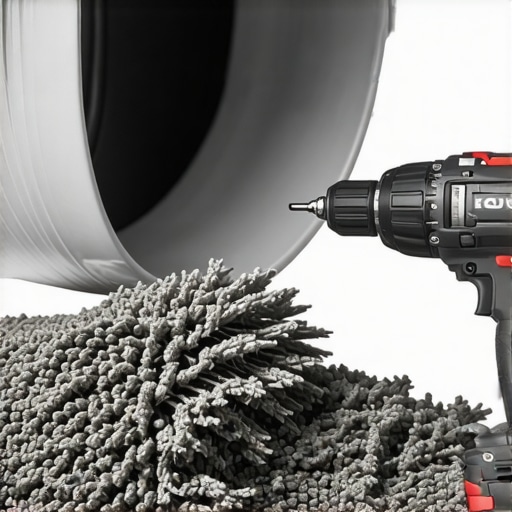
Clearing the Path Without Creating a Mess
Once you’ve confirmed the blockage, it is time to get hands-on. Unplug the unit and pull it about two feet from the wall. I remember a Saturday morning when I thought I was being a genius by using a leaf blower to clear my ducts from the inside out. I didn’t realize that the flexible foil transition duct had a small tear. Within seconds, my entire utility room was coated in a thick, grey ‘snow’ of flammable lint. It was a nightmare to clean and a massive safety oversight. The right way to do this is with a dedicated vent cleaning brush attached to a drill. You want to feed the brush in slowly, spinning it to loosen the lint while using a vacuum to suck up the debris as it comes out. If you find the internal components are also caked in dust, you might need to look into the sensor adjustment for a dryer that thinks the clothes are dry, as lint often coats the moisture sensors, tricking the machine into shutting off early or running forever.
Why You Should Double Check the Duct Connection
The most dangerous part of the whole system isn’t actually the lint inside the pipe; it’s where the pipe connects to the wall. If that connection is loose, your dryer is pumping hot, moist air directly into your wall cavity. This is a recipe for mold and, eventually, a fire that starts behind your drywall where you can’t see it. Ensure you are using the dryer vent seal that keeps hot air from escaping into your laundry room to maintain a vacuum-tight path. I always tell my friends that if you can smell laundry detergent in the hallway, your seal is failing.
When to Call in the Professionals
If you have gone through these steps and the machine is still scorching to the touch, the issue might be internal to the heating element or the thermostat. At that point, you are no longer looking at a simple cleaning job, but a mechanical repair. Don’t risk a DIY electrical fire. You can often find affordable same-day appliance fixes with warranty benefits that ensure the job is done to code. Taking care of this today means you won’t be waking up to a smoke alarm tomorrow.
But here is where the ‘pro’ advice usually ends and the expensive mistakes begin. Most people assume that as long as they have a piece of paper that says ‘Warranty,’ they are invincible. I’ve seen homeowners burst into tears because their expensive fridge repair was denied over a single missing filter change record. We often think of warranties as insurance against bad luck, but manufacturers view them as contracts for perfect maintenance. If you cannot prove you have done your part, the contract is null. This is exactly why your extended warranty company keeps asking for service logs—they are looking for a reason to deny the claim based on owner neglect.
Stop Assuming Your Warranty is a Magic Wand
The biggest contrarian truth in this industry is that an extended warranty is often only as good as your filing cabinet. Everyone tells you to buy the protection plan for peace of mind, but nobody mentions the deductible trap in most third-party appliance protection plans that can cost you a hundred dollars just for the technician to walk through your door. You need to be prepared with the document every technician needs to see for a valid warranty visit before the repair person even rings your doorbell. According to a 2023 survey by the United Appliance Servicers Association, technicians who are forced into high-volume ‘same-day’ quotas have a significantly higher callback rate compared to those who have adequate diagnostic windows. This means that while speed is great, ‘fast’ shouldn’t be your only metric for success.

Why Same-Day Speed Can Sometimes Backfire
The industry standard promotes same-day service as the ultimate luxury, but there is a hidden nuance here: the best specialists are often booked forty-eight hours out. Rushing a complex diagnostic just to hit a twenty-four-hour window often leads to ‘parts cannon’ repairs where a technician just swaps components until something finally sticks. If you want results that actually last, focus on top tips for same-day service warranty coverage to ensure that speed doesn’t compromise the quality of the work. I always warn my clients that if a company promises to be there in an hour but refuses to give you a flat-rate quote over the phone, you might be walking into a high-pressure sales situation rather than a repair.
Is Your Technician Actually Following Manufacturer Specs?
It is a question most homeowners are too polite to ask, but it is critical for your home’s safety. When you are looking for how to ensure reliable appliance installation in 2025, you aren’t just paying for someone to plug a cord into a socket. You are paying for calibrated torque settings, level checks, and static pressure tests. A study from Consumer Reports highlights that nearly 25% of appliance failures within the first year are linked directly to improper installation rather than manufacturing defects. If they skip the basics, like checking the ventilation clearance, your machine will fail years before its time. Have you ever fallen into this trap of prioritizing speed over precision? Let me know in the comments.
The One Tool I Never Walk Into a Kitchen Without
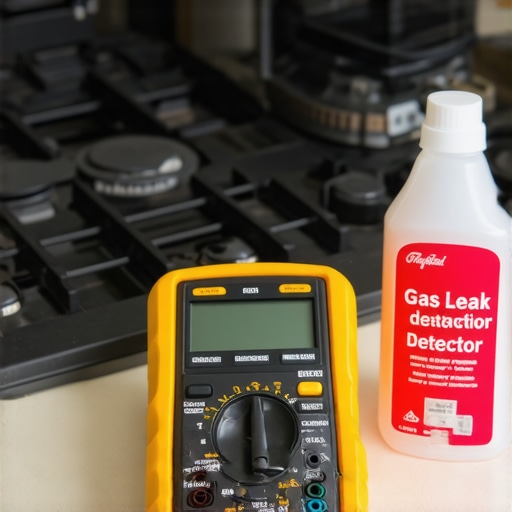
If you are serious about DIY maintenance, put down the adjustable wrench and buy a digital multimeter. I personally use a Klein Tools MM400 because it is rugged enough to survive a drop on a tile floor while providing the precision needed to diagnose a failing control board. Most homeowners waste hundreds of dollars replacing entire units when they really just needed a ten-dollar relay. For instance, if your stove is acting up, you should learn how to check if your oven igniter is too weak to light before you call for a full replacement. Testing for continuity isn’t rocket science, but it is the difference between a five-minute fix and a five-hundred-dollar invoice. I also swear by a non-corrosive leak detection solution. Applying it to the gas line connection that always fails a soap bubble test is a non-negotiable safety step I perform after every single gas range installation.
Your Ten-Minute Monthly Check That Saves Thousands
Maintenance isn’t a weekend-long project; it’s a series of micro-habits. Every thirty days, I run a dedicated cleaning cycle on my washing machine with a high-quality descaler. This is the maintenance step that extends the life of your high-efficiency washer by preventing the biofilm buildup that eats away at the rear drum bearing. If you let that gunk sit, the friction eventually snaps the drive belt or burns out the motor. According to the Association of Home Appliance Manufacturers (AHAM), consistent descaling can extend the life of a water-circulating appliance by up to 25%. I recommend setting a recurring calendar alert for this, alongside a quick check of your fridge coils. If you have pets, those coils are likely a fur-lined blanket right now, forcing your compressor to work double-time. Taking care of these small tasks ensures you can rely on warranty-backed appliance services you can rely on because you’ll actually have the service logs to prove you weren’t negligent.
How do I maintain these complex machines without losing my mind?
The secret is documentation. I keep a dedicated cloud folder for every major appliance in my house. Inside, there is a photo of the serial number, the original PDF manual, and a simple spreadsheet of every filter change or coil cleaning. You will need this level of detail to how to prove you maintained your hvac for a warranty claim-2. In the world of modern insurance and third-party protection plans, an undocumented repair is an unpaid repair. This trend toward data-driven maintenance is only accelerating; I predict that within five years, ‘Digital Twins’—virtual models of your specific home appliances—will be standard, allowing manufacturers to monitor your maintenance habits in real-time. If you haven’t started your digital paper trail yet, do it today. Go to your laundry room, take a photo of your dryer’s model plate, and start that folder. It is the single most effective way to protect your investment.
The Expensive Lessons I Had to Learn the Hard Way
I used to think that as long as the machine turned on, I was winning. I was wrong. The most painful realization I’ve had is that manufacturers don’t care about your good intentions; they care about your documentation. If you want a smooth experience during a claim, focus on having the document every technician needs to see for a valid warranty visit ready before they arrive. It turns a stressful debate into a simple ‘yes.’ I also learned that small sounds are actually screams for help. That slight rattle in your dryer or a faint squeak in your oven is your appliance telling you a part is failing before it causes a fire or a total breakdown. Lastly, don’t wait for an emergency to find help. Identifying warranty-backed appliance services you can rely on during a calm week is much better than frantically searching while your basement is flooding.
#IMAGE_PLACEHOLDER_E#
My Essential Kit for a Disaster-Free Laundry Room
If you want to move beyond basic cleaning and protect your home, you need a few specialized items in your toolkit. I personally never tackle a kitchen or laundry issue without my digital multimeter; it is the only way to accurately perform tasks like how to check if your oven igniter is too weak to light without guessing. I also recommend a high-quality vent brush kit—the kind that attaches to a power drill to reach deep into those ten-foot ducts where lint hides. For routine upkeep, I always keep a tube of the specific lubricant to use on squeaky oven door hinges or dryer pulleys on hand. These small investments prevent the friction that leads to motor burnout and expensive service calls.
Take Control of Your Household Safety Today
You don’t need to be a master mechanic to keep your home safe; you just need to be observant. Whether it is clearing out a vent or knowing the one button you must press to reset a locked oven door, these small acts of maintenance build a safer environment for your family. Don’t let the complexity of modern technology intimidate you. Every high-end machine is just a collection of parts that need a little breathing room and care. Start your digital maintenance folder today and take the first step toward a worry-free kitchen. What’s the one appliance in your house that’s been making a weird noise lately? Let me know in the comments below!