

I was halfway through signing the closing papers on my first bungalow when it hit me like a cold splash of water. That shiny, stainless steel French-door refrigerator I’d babied for two years? I’d spent nearly $400 on a top-tier protection plan for it, yet there I was, handing over the keys without ever mentioning it to the buyers. I felt like a total amateur. It wasn’t just about the money; it was about the fact that I could have used that warranty as a major selling point. Instead, I left the new owners in the dark and left my cash in the warranty company’s pocket. Selling a home is a whirlwind of stress and signatures, but leaving your appliance coverage behind is a mistake you don’t have to make. I’m going to show you exactly how to pass that protection along to make your home more attractive to buyers and ensure your hard-earned money doesn’t go to waste.
Handing Off Your Appliance Coverage to the Next Homeowner
If you’re prepping for an open house, you’re probably thinking about curb appeal and fresh paint. But let’s talk about the invisible value hidden in your kitchen and laundry room. When you transfer your appliance protection plan to a new owner, you aren’t just giving them a piece of paper. You’re giving them a shield against the exact moment a dishwasher decides to flood the kitchen on their first night in the house. It’s about providing security. According to the National Association of Realtors, high-quality, reliable appliances are a top priority for modern home buyers, and a warranty acts as a seal of approval for the home’s maintenance. Early in my DIY journey, I made the mistake of assuming the warranty just stayed with the machine automatically. I found out the hard way that warranty companies often demand specific service logs and a formal transfer process before they’ll even talk to a new owner. If you don’t have your ducks in a row, that transferable plan is essentially worthless. You need to verify your new appliance is covered under the original terms and have the document every technician needs to see ready to go for the new residents.
Is a transferred warranty actually worth the headache?
You might be wondering if a buyer even cares about a few extra years of coverage on a washing machine. In my experience, it’s one of the best ways to build immediate trust. It proves you were the kind of homeowner who took care of the property. Have you ever inherited an appliance that broke down a week after closing, only to find out there was no paperwork to help you fix it? Tell me your horror stories in the comments! Getting this right means your buyers feel confident, and you can walk away from the closing table knowing you didn’t leave any value behind. Let’s dig into the specific paperwork you need to pull from your files before the moving truck arrives.
Secure Your Paperwork Trail Immediately
The first step is a digital and physical sweep of your files. Warranty companies are notoriously picky; if you’re missing the original sales receipt, the transfer might die before it even begins. I remember selling my first condo and realizing I had tossed the receipt for the dishwasher because it was attached to a thermal paper slip that had faded to a blank white sheet. I had to beg the big-box retailer for a duplicate, which took three days I didn’t have. Now, I always take a high-resolution photo of the document every technician needs to see the moment I get home from the store. Digital copies don’t fade, and they’re much easier to email to a buyer’s agent. 
Navigate the Provider’s Red Tape
Once you have the documents, you need to look for the ‘Transfer of Ownership’ clause in your contract. Think of this like a title transfer for a car; it’s rarely automatic. Most major providers require a formal notification within 30 days of the home sale. When you call, be ready for them to ask for a small administrative fee, usually between $25 and $50. It might feel like a nuisance, but paying that small fee ensures the buyer can verify your new appliance is covered during their final walkthrough. If you skip this, the buyer might find themselves stuck with the third-party warranty loophole that saves you hundreds on parts but only if the name on the account matches the person living in the house.
Hand Over the Maintenance History
You can’t just give them a broken machine and a warranty; you have to prove the machine was cared for. I once had a claim denied for a buyer because I couldn’t prove I’d cleaned the condenser coils on the fridge annually. It felt like a trap, but it’s a standard requirement. This is why your extended warranty company keeps asking for service logs every time a repairman visits. By providing a neat folder of every service call and cleaning, you’re handing over a ‘clean bill of health’ for the home. It also helps the new owner know how to avoid paying the service fee for a denied warranty claim by staying on top of the manufacturer’s suggested upkeep.
Make the Coverage a Closing Day Win
On the day of closing, don’t just leave the manuals in a kitchen drawer. Create a simple ‘Warranty Cheat Sheet’ for the buyers. List the policy number, the expiration date, and the phone number for warranty-backed appliance services you can rely on. When I did this for my last sale, the buyers were so impressed by the organization that they stopped nitpicking small cosmetic issues during the inspection. It creates a psychological ‘safety net’ for them, knowing that if the oven fails during their first Thanksgiving, they aren’t on the hook for a thousand-dollar repair bill.
The common wisdom in the DIY community is that extended warranties are nothing more than a high-margin upsell for retailers. In my experience, that’s a narrow way to look at it, especially when you’re looking at a real estate transaction. When you are selling a house, you aren’t just selling a machine; you are selling the absence of risk. A transferred warranty is a psychological masterstroke that removes the fear of a post-closing disaster. Most homeowners think they are getting a raw deal, but have you ever considered that a protection plan is actually ‘negotiation insurance’?
Stop Calling Extended Warranties a Total Scam
Everyone says warranties are a waste of money, but I’ve seen them save a deal when a buyer gets cold feet about a ten-year-old furnace or a high-end range. However, here is the nuance most people miss: not everything is covered. You need to be aware of why most extended warranties dont cover cosmetic scratches or dents. If your buyer is expecting a brand-new-looking unit, a warranty won’t help you there. But for mechanical integrity, it’s gold. A 2023 survey by Consumer Reports highlights that repair costs for high-end refrigerators can easily exceed $500, which makes a $50 transfer fee a no-brainer for smart sellers. If you can show the buyer you’ve already handled the logistics, you’re three steps ahead of the competition.
Why do most repair claims fail in the first week of a new home?
The biggest ‘oops’ factor I see involves the timeline of the repair. New owners often rush to call the first person they find on Google because they want top tips for same day service warranty coverage. Here is the trap: if they don’t use the warranty company’s preferred provider, the claim is dead on arrival. You must warn the buyers that even if they are scheduling your appliance repair for same day service in 2025, they have to go through the portal first. I once saw a buyer lose $800 on a control board replacement because they didn’t wait four hours for the ‘authorized’ tech to call back. Don’t let your buyers fall into the deductible trap in most third party appliance protection plans where the service fee is nearly as much as the part itself.

The Secret to Winning a Repair Dispute
If a claim gets denied, most people just give up and pay the bill. An expert tip I’ve learned is knowing how to negotiate a repair instead of a replacement with your warranty provider. Sometimes the company wants to ‘total out’ the appliance for a fraction of its value. If you have those service logs we talked about, you can often push back and get the actual repair covered. This level of detail is what separates a prepared seller from a frustrated one. Have you ever fallen into this trap where a ‘covered’ repair turned into an out-of-pocket nightmare? Let me know in the comments! Getting these details right ensures you are seen as the expert in the room, and it provides a level of expert guide to appliance repair and installation today that most realtors don’t even know how to provide.
Beyond the paperwork, if you want to avoid the frantic search for top tips for same day service warranty coverage, you need a proactive maintenance kit. I don’t mean a massive rolling toolbox that takes up half your garage; I mean the three magic items I keep in my kitchen utility drawer for instant access. First is a non-contact voltage tester. Before you even think about how to ensure reliable appliance installation in 2025, you need to know if that outlet is hot without touching a single wire. Second is the specific wrench you need to unjam a disposal in seconds—it is an offset silver key that usually costs five dollars at the hardware store but saves a hundred-dollar plumber visit every time. Finally, a small tube of the specific lubricant to use on squeaky oven door hinges prevents the unnecessary mechanical strain that eventually snaps high-tension door springs. These tools aren’t just for repairs; they are for ensuring your house remains a well-oiled machine. 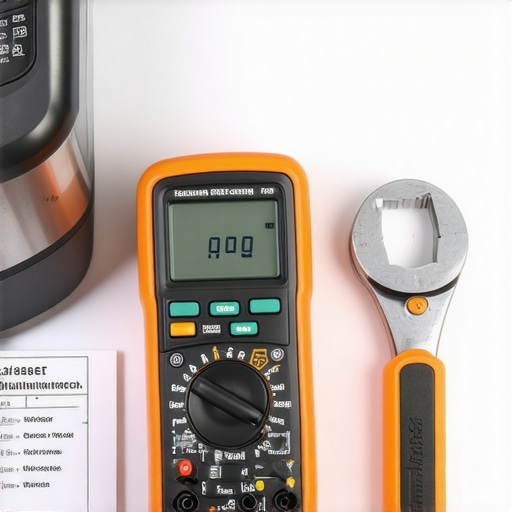
How do I keep these machines running like new for a decade?
Staying ahead of the breakdown curve comes down to the things you can’t see. Most people wait for a visible leak to check their hoses or wait for a clicking noise to call for scheduling your appliance repair for same day service in 2025. Instead, I suggest a Quarterly Component Audit. Check the sediment screens in your washer hoses and perform the maintenance step that extends the life of your high efficiency washer by running a dedicated cleaning cycle with a high-quality descaling agent. According to the Association of Home Appliance Manufacturers (AHAM), the average lifespan of a major kitchen appliance is roughly 10 to 13 years, but neglecting simple debris removal from intake valves can cut that by up to 40%. If you treat your appliances like a car that needs regular oil changes, you will rarely find yourself hunting for affordable same day appliance fixes with warranty benefits.
The Smart Future of Home Maintenance
Looking forward, we are entering the era of self-healing appliances and pervasive diagnostic data. By 2026, many high-end units will feature built-in vibration sensors and heat maps that alert your phone weeks before a bearing fails or a heating element burns out. This trend toward predictive maintenance will revolutionize how we handle warranty backed appliance services you can rely on, shifting the industry from reactive repairs to preemptive fixes. This means your warranty provider might call you to schedule a visit before you even know there is a problem. Until that tech becomes standard, you are the primary sensor. Try this today: pull your fridge out and vacuum the condenser coils. It is the single most effective way to drop your monthly energy bill and keep the compressor from overheating during a summer heatwave. If you are not sure where to start your DIY journey, check our expert guide to appliance repair and installation today to build your own custom maintenance schedule that protects your investment for the long haul.
The One Detail Most Sellers Forget Until It’s Too Late
If there is one thing I’ve learned from navigating multiple home sales, it’s that the ‘transferable’ label on a warranty is only as good as your record-keeping. The hardest lesson for me was discovering that most providers won’t honor a claim if the previous owner didn’t perform the maintenance step that extends the life of your high efficiency washer. It isn’t just about the machine; it is about the proof. I now tell every seller to keep a ‘maintenance diary’ for every unit. When you can show a buyer a physical log of every filter change and cleaning, you remove all their leverage for a price reduction during the inspection phase. It turns your appliances from a potential liability into a verified asset.
Where to Store Your Home’s Digital Legacy
I always recommend creating a ‘Homeowner Handover’ folder. Personally, I use a combination of digital and physical tools to make sure the value of a protection plan isn’t lost. First, use a dedicated cloud storage link for all PDFs of receipts and manuals. Second, always include the specific wrench you need to unjam a disposal in seconds right there under the sink; it is a five-dollar tool that prevents a hundred-dollar service call. Finally, provide the buyers with a vetted list of warranty backed appliance services you can rely on so they don’t have to scramble during an emergency. This level of organization is what separates a standard listing from a premium one.
#IMAGE_PLACEHOLDER_E#
Step Into Your Next Chapter with Confidence
Passing on a warranty is more than just a financial transaction; it’s a gesture of goodwill that makes your home stand out in the buyer’s mind. By ensuring the new owners know how to ensure reliable appliance installation in 2025, you are setting them up for success and protecting yourself from post-closing disputes. When you use an expert guide to appliance repair and installation today, you are building a reputation for quality that follows you to your next property. It’s about leaving nothing to chance and ensuring every dollar you spent on protection continues to work for you even after you’ve moved. What’s the one appliance in your house you’re most worried about breaking down right after you hand over the keys? Let me know in the comments below!