
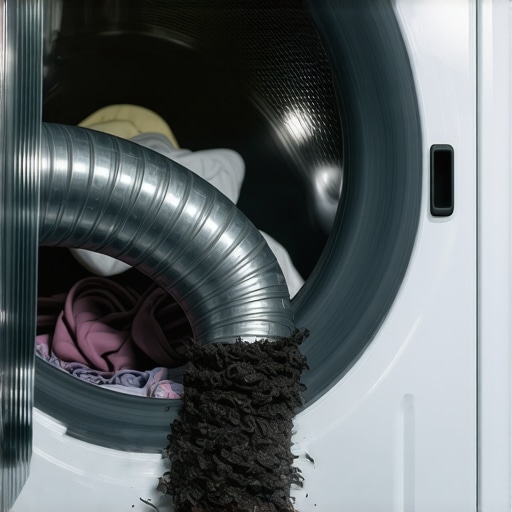
I was standing in my laundry room last Tuesday, staring at a pile of lukewarm, soggy towels that had just finished their second 60-minute cycle. My back ached, the utility bill was creeping up, and I was about two minutes away from kicking the machine. We’ve all been there, right? You buy a high-end appliance, expect it to work like magic, and instead, you’re stuck in a loop of ‘just ten more minutes’ that lasts all night. It’s frustrating. It’s expensive. And honestly, it’s a bit of a mystery until you realize that your dryer isn’t actually broken—it’s just suffocating.
Stop Blaming the Heating Element and Look Behind the Machine
Most folks assume the heating element gave up the ghost when the clothes come out damp. I did too, once. Early in my DIY journey, I actually spent eighty bucks on a replacement coil and tore apart a perfectly good machine, only to find the next load just as wet. Talk about a blow to the ego. The real culprit is almost always airflow. If you’ve been searching for fast trustworthy appliance installation near you, you know that a bad setup from day one can haunt you for years. Today, I’m going to show you exactly how to spot the venting blunders that turn a simple chore into a marathon. We are going to look at why the real reason your new dryer takes three cycles to dry jeans is rarely a mechanical failure and almost always a plumbing problem for air. I want you to save your money for something better than utility bills and unnecessary parts.
Does a Simple Cleaning Really Make a Difference?
You might be skeptical. I get it. It feels like ‘cleaning the vent’ is just one of those chores your dad nagged you about that doesn’t actually matter. But here is the cold, hard truth: according to the National Fire Protection Association (NFPA), nearly 16,000 home fires are caused by clothes dryers every year, with the leading cause being a failure to clean them. It’s not just about the time you’re losing; it’s about how to tell if your dryer vent is a fire hazard before things get dangerous. If you’ve noticed your laundry room getting unusually humid or smelling like burnt dust, that is your dryer screaming for help. Have you ever checked the back of your machine and found a crushed foil tube? I see it all the time. Sometimes the fix is as simple as the dryer vent seal that keeps hot air from escaping, which restores that vital backpressure. If you aren’t sure where to start, getting same-day appliance repair quick solutions can get you back on track before the weekend laundry mountain becomes insurmountable. Tell me in the comments—how many times have you had to restart a cycle this week just to get one load of towels dry? Let’s get into the step-by-step on how to fix this for good.The first thing I do is pull the dryer away from the wall. You need to inspect the transition duct for any obvious kinks. If you are using those cheap, flexible foil tubes, consider replacing them. They crush far too easily. I remember helping a neighbor who complained about her brand new dryer taking two hours for a load of T-shirts. We pulled it out and found the hose looked like an accordion that had been sat on. Upgrading to a rigid or semi-rigid duct is a key part of how to ensure reliable appliance installation in 2025. While you are back there, make sure you have the dryer vent seal that keeps hot air from escaping. Without a tight seal, that moist air just pumps back into your laundry room, forcing the machine to work twice as hard in a humid environment.
Deep Clean the Hidden Passageways
Most of us are good about swiping the lint off the screen after every load, but that is just the tip of the iceberg. Over time, fine particles get past the mesh and settle in the internal ducting. This is the dangerous lint build-up your dryer filter always misses. I recommend getting a long, flexible vacuum attachment and diving deep into the lint trap slot once a month. Last year, I pulled out a wad of lint the size of a squirrel from my own machine—and I consider myself an expert! This buildup does not just slow things down; it creates a friction point that can lead to the 10-minute fix for a squeaky dryer drum because the extra heat and resistance wear out the internal rollers faster. 
Check Your Sensors and Drum Belts
Sometimes the air is moving fine, but the machine is getting bad data. If your dryer shuts off while the jeans are still damp, you might need to look at the sensor adjustment for a dryer that thinks the clothes are dry. These moisture sensors are usually two metal strips inside the drum that can get coated in a thin film from dryer sheets. A quick wipe with rubbing alcohol usually restores their accuracy. However, if you hear a rhythmic thumping alongside your drying woes, you might be looking at the belt replacement guide for a thumping dryer. A slipping or worn belt can prevent the drum from spinning at the right speed, which ruins the airflow cycle entirely.
Keep Your Paperwork Ready for Professionals
If you have gone through these steps and the machine is still failing, it might be time to call for help. Before you pick up the phone, you need to maximize your appliance warranty during emergency repairs by having your model number and purchase date ready. Many people do not realize that a simple installation error could void their coverage, so finding fast trustworthy appliance installation near you can help verify that your setup meets manufacturer standards. Keeping a log of when you cleaned the vents is also vital, as knowing how to prove you maintained your hvac for a warranty claim often requires showing a pattern of care. This documentation makes the difference between a covered repair and a huge out-of-pocket bill.
A lot of people think that once the machine is plugged in and the lights come on, the job is done. That is the first big mistake. In my years of troubleshooting, I’ve found that the brand on the door matters far less than the hands that installed it. According to the Association of Home Appliance Manufacturers (AHAM), improper venting and electrical setups account for a staggering percentage of premature motor failures. You might think you are saving a hundred bucks by doing a quick DIY job, but you could be falling into the deductible trap in most third-party appliance protection plans. If a technician arrives and sees that your vent ducting violates local codes, your claim will likely be denied on the spot. Have you ever fallen into this trap? Let me know in the comments.
Your Warranty Is Only as Good as Your Paperwork
The most common myth I hear is that a warranty is a ‘get out of jail free’ card. It isn’t. It is a legal contract that requires you to uphold your end of the bargain. If you cannot provide the document every technician needs to see for a valid warranty visit, you are basically flying blind. I’ve seen homeowners get stuck with a $400 repair bill for a three-month-old machine because they lost the original installation receipt or couldn’t show that they had performed basic maintenance. This is why warranty-backed appliance services you can rely on are so vital; they keep the records so you don’t have to. You need to how to verify your new appliance is covered under the original warranty the moment it enters your home, not the moment it stops working. #IMAGE_PLACE_HOLDER_C#
Can a Bad Installation Actually Void Your Manufacturer Warranty?
The short answer is a resounding yes. If you didn’t follow how to ensure reliable appliance installation in 2025 standards—like using a rigid metal duct instead of that flimsy plastic stuff—the manufacturer can claim the machine was operated under ‘abnormal conditions.’ They’ll argue the backpressure caused the motor to overheat, which is a ‘user-error’ and not a ‘factory defect.’ It’s a harsh reality, but that is why I always recommend fast trustworthy appliance installation near you for anything more complex than a toaster. When you get a pro involved, you are essentially buying an insurance policy for your warranty.
The Truth About Same-Day Service Quality
People often worry that ‘same-day’ means ‘hurried’ or ‘low quality.’ In my experience, it’s actually the opposite. What to expect from same-day appliance repair experts is a technician who carries a massive inventory of common failure parts, like the 20-part that usually fixes a fridge that wont cool, right in their truck. They aren’t rushing to finish; they are optimized to solve the problem in one trip. This efficiency is why affordable same-day appliance fixes with warranty benefits have become the gold standard for modern homeowners. Before you book, make sure you know how to avoid paying the service fee for a denied warranty claim by double-checking your coverage limits first. Being prepared is the difference between a minor hiccup and a household disaster.
The Simple Gear I Carry for Every Home Visit
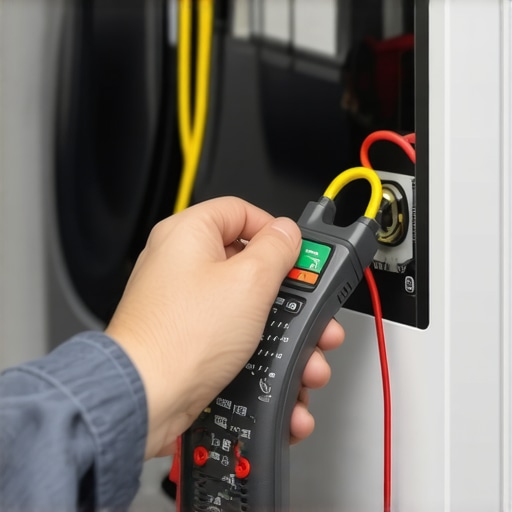
I’ve spent a lot of time under sinks and behind dryers, and I’ve learned that you don’t need a truck full of specialized equipment to keep things running. My go-to maintenance bag only has three non-negotiables: a reliable digital multimeter, a 24-inch flexible vacuum wand, and a pack of high-grade the anti-vibration pads that save your laundry room floor. I use the multimeter to test for continuity on heating elements before I even think about ordering a replacement. It’s a five-minute check that prevents the ‘parts cannon’ approach many DIYers take. According to the Journal of Reliability Engineering & System Safety, mechanical vibration is a primary driver of component fatigue in rotating appliances, often loosening internal connections before the parts actually wear out. By stabilizing the machine, you aren’t just dampening noise; you’re protecting the control board from micro-fractures. The flexible vacuum wand is another secret weapon. Most standard crevice tools are too thick to reach the bottom of the lint trap, but the flexible version snakes around the internal exhaust where the real fire hazards hide. I also keep isopropyl alcohol on hand; it’s the only way to clean moisture sensors without leaving a sticky residue.
How do I maintain my heavy-duty appliances over time?
Consistency beats intensity every single time. You don’t need a full-day ‘spring cleaning’ for your machines; you need five-minute habits. For front-loaders, the secret to deep cleaning a front load washer gasket is simply using a microfiber cloth and a diluted vinegar solution after your last load of the week to prevent mold buildup. If you have a high-efficiency machine, the maintenance step that extends the life of your high-efficiency washer involves running a monthly ‘clean’ cycle with a dedicated descaler. This prevents the mineral scale that eventually kills the drain pump. If you find yourself overwhelmed by a backlog of chores, scheduling your appliance repair for same day service in 2025 is easier than ever, but these small habits are what keep you off the technician’s schedule in the first place.
Why Your Next Washer Will Fix Itself Before It Breaks
We are entering an era where your fridge might tell you it’s broken before the ice even melts. Experts like Mike Gualtieri of Forrester Research have noted that AI-integrated edge computing is moving into home appliances to predict failure patterns using sound and vibration data. In the next few years, I expect we will see ‘self-healing’ diagnostics where the machine automatically optimizes its own motor torque to compensate for a slightly clogged drain or an unbalanced load. Until that happens, you still need to be the brain of the operation. Make sure you check top tips for same day service warranty coverage so you know exactly what is protected as technology gets more complex. This is why having an expert guide to appliance repair and installation today is more valuable than ever—you need to bridge the gap between old-school mechanical fixes and new-school digital sensors. My big advice for you this week: pull back the rubber gasket on your washer today. If it’s slimy or gray, wipe it down. It takes two minutes and saves you a $200 service call for ‘odors’ next month. Give it a shot and tell me what you find!
The Hardest Lesson I Learned While Crawling Behind Machines
After years of fixing everything from humming disposals to clicking fridges, I’ve realized that the biggest enemy of a long-lasting appliance isn’t age—it’s neglect. My ‘lightbulb moment’ came when I realized that most expensive repairs are just the cumulative result of small, ignored symptoms. If your dryer is struggling, it’s rarely just one part; it’s a system of airflow that has been compromised. I’ve seen homeowners spend hundreds on parts when all they really needed was to maximize your appliance warranty during emergency repairs by having a pro verify the installation. Don’t let a simple clog turn into a motor replacement. My biggest piece of advice? Listen to the sounds your machine makes today so you can recognize the ‘wrong’ sounds tomorrow. #IMAGE_PLACEHOLDER_E#
Tools You Will Actually Use More Than Once
You don’t need a massive workshop to keep your laundry room running like a Swiss watch. If you are serious about DIY maintenance, start building a small kit. I personally swear by a high-quality digital multimeter for testing continuity—it’s how you identify the 20-part that usually fixes a fridge that wont cool or a dryer that won’t heat without guessing. I also recommend a set of the anti-vibration pads that save your laundry room floor; they do more than just quiet the noise—they protect the sensitive electronics inside from literal bone-shaking wear. Finally, keep a bookmark for an expert guide to appliance repair and installation today to help you navigate the tricky balance between a quick fix and a professional necessity.
Ready to Take Back Your Laundry Room?
You don’t have to be a mechanical engineer to have a reliable home. By checking your vents twice a year and staying on top of your service records, you are already ahead of 90% of homeowners. If you ever feel like the mountain of wet towels is winning, remember that same-day appliance repair quick solutions with warranty support are there to catch you before the situation becomes a crisis. Taking care of your home is a marathon, not a sprint, and your future self will thank you for the two minutes you spent today cleaning that lint trap. Have you checked behind your dryer in the last six months, or are you afraid of what you might find back there? Let me know in the comments!