
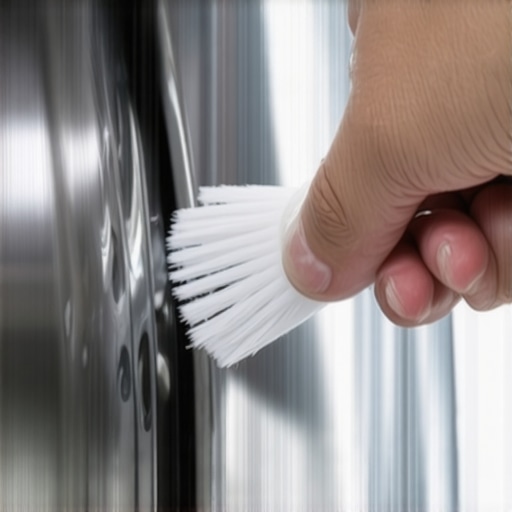
I remember the exact moment I realized I was failing at being a functional adult. I had just pulled my favorite ‘good’ white t-shirt out of a fresh load, and instead of that crisp, breezy scent the commercials promised, I got hit with a smell that can only be described as a wet dog living in a swamp. I’d only had this fancy front-loader for eighteen months. I thought I was doing everything right—using the expensive pods and even wiping the glass. But when I finally peeled back that thick grey rubber ring with a pair of gloves, I actually gasped. Behind the folds of that gasket was a slimy, black ecosystem that looked like it belonged in a science fiction movie. It turns out, I’d been washing my clothes in mold juice for months. If your laundry room has that faint, musty ‘basement’ vibe, you aren’t crazy, and you definitely aren’t alone. We’re going to fix this today. [image placeholder]
Get Rid of the Funk Hiding in Your Washer Seal
Most people think a quick wipe is enough, but I learned the hard way that the real culprits hide in the deep recesses where the water doesn’t easily drain. Early on, I made the mistake of just throwing in more fabric softener to mask the scent, which actually made the problem worse because the oils in the softener gave the mold more to eat. If you’ve been neglecting the maintenance step that extends the life of your high-efficiency washer, your gasket is likely the first thing to suffer. It’s not just about the smell, either; that gunk can eventually degrade the rubber, leading to leaks that require expert guide to appliance repair and installation today. According to a study published in the journal Frontiers in Microbiology, the rubber seal is the primary reservoir for persistent microbial communities in domestic washing machines, meaning a simple ‘clean cycle’ often isn’t enough to reach the hidden bio-film. You have to get in there manually. While you’re at it, you might want to check the drain hose height rule that prevents washer backflow, as stagnant water in the hose can contribute to that nasty odor.
Will This Actually Work or is My Machine a Goner?
I hear this all the time from neighbors: ‘Is it even worth the effort, or should I just buy a top-loader?’ It’s a fair question. Front-loaders are notorious for this, but the cleaning power and water savings are worth the ten minutes of monthly maintenance. Have you ever pulled back your washer seal only to find a collection of hair, coins, and unidentifiable grey sludge? Tell me I’m not the only one who has been horrified by what’s living in their laundry room! If you catch it now, you can avoid a situation where you need same-day appliance repair quick solutions with warranty support. Before we dive into the scrubbing, make sure you know how to spot a failing bearing in your front-load washer before it breaks, because if the machine is making a jackhammer noise along with the smell, a deep clean might only be half the battle. Now, let’s grab some microfiber cloths and a secret weapon you probably already have in your pantry.
Stop the Slime with This Two-Step Deep Clean
You can’t just spray some cleaner and hope for the best. To really kill the odor-causing bacteria, you need to peel back those rubber layers. Start by mixing a solution of equal parts white vinegar and water, or if the mold is visibly black and stubborn, use a diluted bleach solution (just never mix the two!). I once spent an entire Saturday afternoon with an old toothbrush, scrubbing at the build-up I’d ignored for way too long. I thought a single wipe would do it, but the slime was caked into the drainage holes at the bottom of the seal. If you find that the rubber is actually cracked or won’t come clean no matter how hard you scrub, it might be time to look into expert guide to appliance repair and installation today to replace the gasket entirely.
Pull Back the Folds and Start Scrubbing
Use a microfiber cloth soaked in your cleaner and shove it into the deep groove of the gasket. Let it sit there for about ten minutes to loosen the bio-film. While that’s soaking, check the very bottom of the seal for small drainage holes; these are often clogged with lint and hair, which causes water to pool and rot. If you ignore this, you’re basically inviting a flood into your home. Before you get too deep into the mechanical side of things, it’s a good idea to how to verify your new appliance is covered under the original warranty so you don’t accidentally void any protections while trying to be helpful. 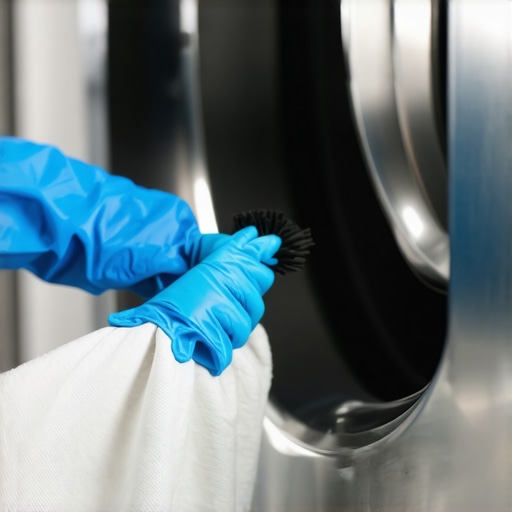
Hunt Down the Hidden Debris Trap
Most people have no idea their front-loader has a filter. I certainly didn’t until my machine stopped draining and I was left with two inches of grey water. Usually located behind a small square door at the bottom front of the machine, this is where coins, hairpins, and incredible amounts of lint go to die. When I finally opened mine, a gush of the foulest-smelling water I’ve ever encountered poured onto my floor—pro tip: lay down a thick towel first! This is the debris trap location in your high efficiency washing machine, and it needs to be cleared at least once a month. If the water won’t drain even after cleaning the filter, you might need to try the drain pump trick that fixes a standing water issue in your washer or how to check for a blocked impeller in your washer pump to ensure the motor isn’t jammed by a stray penny.
Keep the Door Open to Prevent Future Growth
The single biggest mistake I made was closing the washer door as soon as I finished a load. Modern front-loaders are airtight; closing that door creates a literal sauna for mold. After you finish your deep clean, get into the habit of leaving the door ajar and the detergent drawer pulled out. This allows the internal drum to dry out completely. If the smell persists despite these steps, there might be a more serious plumbing issue, like the p-trap mistake that causes your dishwasher to smell like sewage, which can sometimes affect laundry lines if they share a stack. For those who realize the damage is already done and the machine is rattling or leaking, it is often safer to call for scheduling your appliance repair for same-day service in 2025 rather than risking a DIY disaster that could lead to the hidden costs of diy repairs on warranty covered items.
Why ‘Standard’ Installation Usually Fails Your Machine
Everyone tells you that setting up a new washer is a simple ‘plug and play’ situation, but that’s the biggest myth in the industry. In my experience, most people focus on the water hoses and forget the physics of vibration. If your machine isn’t leveled to within a fraction of an inch on a reinforced floor, the high-speed spin cycle on a modern HE front-loader will eventually shake the drum bearings into early retirement. This isn’t just my observation; according to data from the National Association of Service Managers, nearly 30% of service calls within the first year are linked to installation errors rather than manufacturing defects. If you didn’t invest in fast trustworthy appliance installation near you, you might be setting yourself up for a mechanical disaster before the honeymoon phase is even over.
Does Your Service Contract Actually Cover User Maintenance?
Here is the ‘oops’ factor that catches almost everyone off guard: the maintenance log clause. Most homeowners assume that if they have a warranty, they are protected against every possible failure. However, there is a massive difference between a manufacturer warranty and a service contract. A manufacturer usually only covers ‘defects in materials,’ which means if they find that your slime-clogged gasket caused the motor to overheat, they can—and often will—deny the claim. I’ve seen people lose hundreds of dollars because they couldn’t produce proof of regular cleaning when a technician arrived. It’s vital to learn how to verify your new appliance is covered under the original warranty and keep a digital folder of your maintenance efforts.
The Trap of Waiting for the ‘Perfect’ Repair Time
We’ve all been there—the machine starts making a weird hum, but we figure it can wait until the weekend. This is a fatal mistake for your wallet. A small issue, like a loose agitator bolt, can quickly escalate into a destroyed transmission. When you notice a change in sound or smell, you need to look into scheduling your appliance repair for same-day service in 2025 to catch the problem while it’s a minor fix. Many people worry about the cost of the visit, but you should learn how to avoid paying the service fee for a denied warranty claim by documenting the issue with photos before the pro arrives. One specific technical warning: never use a standard power strip for your washer; it’s a variation of the power cord error that voids your fridge warranty, as high-draw machines can melt the strip and fry the control board in seconds. Have you ever fallen into this ‘it can wait’ trap and regretted it? Let me know in the comments below! If you’re currently dealing with a breakdown, make sure to how to negotiate a repair instead of a replacement with your warranty provider to ensure you’re getting the best long-term value.
Use a Level to Save Your Sanity
I learned the hard way that a machine that looks level to the naked eye usually isn’t. If your washer is even two degrees off-center, the centrifugal force during a 1200-RPM spin cycle acts like a wrecking ball on the internal suspension. I now keep a simple ten-dollar torpedo level in my laundry room junk drawer. Whenever I notice the machine vibrating more than usual, I check the horizontal and vertical planes. If it’s off, I adjust the feet and consider adding the anti-vibration pads that save your laundry room floor. This isn’t just about noise; it’s about preventing the spider arm from snapping, which is a terminal diagnosis for most front-loaders. According to the Association of Home Appliance Manufacturers (AHAM), improper leveling is a leading cause of premature bearing failure in high-efficiency units. If you can’t get it stable yourself, you should seek an expert guide to appliance repair and installation today to avoid a total mechanical collapse.
How do I maintain my HE washer performance over time?
The secret isn’t just cleaning the seal; it’s about managing the hardware. Every six months, I take the specific wrench you need to unjam a disposal in seconds—which often doubles as a great tool for tightening the mounting bolts on other appliances—and I ensure everything is snug. I also recommend running a ‘clean’ cycle with a dedicated descaler once a month. As we move into 2025, we are seeing a shift toward ‘Predictive Maintenance’ where smart sensors will alert your phone before a part fails. Until those machines are in every home, you have to be the sensor. Look for warranty-backed appliance services you can rely on to perform an annual health check, which can catch things like brittle hoses or fraying belts before they cause a flood.
Don’t Lose the Warranty Paperwork War
I’ve seen neighbors get their claims denied because they couldn’t prove they followed the manufacturer’s maintenance schedule. This is why your extended warranty company keeps asking for service logs. I keep a dedicated folder in my Google Drive where I snap a photo of every filter cleaning and every professional visit. This folder is the document every technician needs to see for a valid warranty visit. If you stay organized, you can often find the maintenance contract clause that saves you on labor costs, potentially shaving hundreds off a major repair. My best advice? Go to your laundry room right now with a bubble level or a leveling app on your phone. If that bubble isn’t perfectly centered, adjust those feet tonight before your next load. It’s a five-minute fix that could save you a five-hundred-dollar repair bill.
The Expensive Lessons My Front-Loader Taught Me
After years of trial and error, I realized that modern appliances are sensitive creatures. The biggest lightbulb moment for me was discovering that using too much detergent—especially the non-HE kind—creates a ‘scum layer’ that acts like a magnet for bacteria. I also learned that cold water washes are great for the environment but terrible for dissolving body oils, which is why a monthly hot cycle is non-negotiable. If you’ve been skipping the basics, it’s worth checking top tips for same-day service warranty coverage to see if your neglect has already put your coverage at risk. Most importantly, I found that catching a small leak early is the difference between a quick wipe and needing affordable same-day appliance fixes with warranty benefits.
A Better Way to Manage Your Machine
I don’t leave my appliance health to memory anymore. I trust a simple toolkit: a high-quality torpedo level to prevent drum damage, a box of citric acid-based descaler for deep cleaning, and a dedicated photo album on my phone for service receipts. If you’re moving into a new place, I can’t stress enough the value of how to ensure reliable appliance installation in 2025 to get things right from day one. I also keep the contact info for what to expect from same-day appliance repair experts taped to the side of the machine, just in case the DIY approach hits a wall.
Your Path to a Funk-Free Future
You don’t have to be a master plumber to keep your laundry room smelling like a spa. By spending just ten minutes a month on these small checks, you ensure your machine works for you, rather than the other way around. Taking care of your appliance repair and installation today saves you from the stress of a flooded basement tomorrow. You’ve got the tools and the knowledge—now go peel back that gasket and reclaim your machine! Have you ever found something truly bizarre, like a long-lost ring or a collection of pet hair, hiding in your washer’s debris trap? Let me know in the comments below!