
I was standing in my kitchen, staring at a dead control board and a repair quote that looked more like a mortgage payment. The manufacturer’s rep had just told me, with all the warmth of a frozen refrigerator coil, that my “limited” warranty had expired exactly fourteen days before the oven decided to quit. I felt cheated. I’d paid a premium for a “reliable” brand, yet here I was, looking at a $450 part plus labor. That’s when I stumbled onto the strategy that changed how I look at every appliance in my house. I realized that the [IMAGE_PLACEHOLDER] debate over a manufacturer warranty versus a service contract is actually where the biggest savings are hidden if you know which documents to pull from the junk drawer. Today, I’m going to show you how to stop being a victim of planned obsolescence and start making these warranty companies actually work for you.
Stop Paying Full Price for Your Replacement Parts
Most people assume that once the factory coverage ends, they are at the mercy of retail pricing. I made that mistake early on with a dishwasher, buying a replacement pump out of pocket because I didn’t think my third-party plan covered simple “wear and tear.” I was dead wrong. According to a study by Consumer Reports, nearly 20% of appliances break within the first four years, but most owners never leverage their secondary coverage effectively. The secret lies in learning how to negotiate a repair instead of a replacement by focusing on specific “equivalent part sourcing” clauses. I’ve seen neighbors shell out hundreds for a 15-dollar part that fixes a shaking washing machine simply because they didn’t know their third-party provider was actually obligated to source it for them at cost or provide a reimbursement credit for the DIY effort.
Is this loophole actually worth your time?
I get the skepticism; it sounds like one of those “too good to be true” internet myths that falls apart once you actually call the 1-800 number. But here is the reality: these companies bank on you losing your paperwork or just giving up because the deductible trap feels too high. The loophole isn’t about breaking the law; it’s about enforcing the contract language regarding part availability. When you know how to ensure reliable appliance installation and document it correctly from day one, you force the provider to honor the parts side of the agreement without the usual markup. Have you ever felt like your warranty company was just trying to wait you out until you gave up and bought a new machine? I’ve been there, and I’m telling you, it’s time to push back. We’ll start by looking at the one maintenance record that acts as your golden ticket to a successful claim.
Build a Shield with Your Maintenance Folder
Think of your appliance folder as a legal defense file rather than just a place to store dusty manuals. I learned this the hard way when my washing machine began to vibrate so violently it actually moved three inches across the floor. I knew about the 15-dollar part that fixes a shaking washing machine, but the warranty company tried to argue that the issue was caused by poor leveling on my part. Because I had kept a log showing that the machine was professionally leveled during setup, they were forced to cover the labor. This is exactly why your extended warranty company keeps asking for service logs; they are looking for a gap in your maintenance history to deny the claim. To stay ahead, keep every receipt for water filter changes, vent cleanings, and professional inspections. Treat these documents like a currency that buys you out of expensive repair bills.
Stop the Shipping Bolt Sabotage
One of the most common ways people accidentally kill their warranty before it even starts is during the move-in process. I once helped a friend troubleshoot a brand-new front-loader that sounded like it was exploding during the spin cycle. We found the shipping bolts still attached. This is the shipping bolt error that ruins new washing machines, and if a technician sees those bolts still in place, your warranty is effectively trash. If you are doing the heavy lifting yourself, you must follow the guide to fast trustworthy appliance installation near you to ensure every safety brace is removed. 
Force the Issue on Same-Day Service
When your refrigerator stops cooling, you don’t have three days to wait for a Everyone tells you that same-day appliance repair is a luxury you only get if you’re lucky or willing to pay double. In my experience, that’s a total myth perpetuated by service providers who want to manage their schedules at your expense. The reality is that most protection plans contain specific language regarding ‘loss of use’ for critical appliances like refrigerators or HVAC systems. When you frame your request around these ‘critical failure’ clauses, you can often bypass the standard three-to-five-day waiting period. I’ve found that the top tips for same-day service warranty coverage usually involve documenting the potential for property damage—like a melting freezer ruining $400 worth of groceries—which triggers an emergency dispatch. Have you ever fallen into the trap of waiting a week for a repair while your food spoiled? Let me know in the comments.
Don’t Let a Ten-Dollar DIY Fix Kill a Thousand-Dollar Claim
Here is the ‘oops’ factor that most homeowners learn too late: the moment you pick up a screwdriver to ‘just take a quick look,’ you might be signing away your coverage. I once saw a homeowner lose a full replacement claim because they used the wrong lubricant on squeaky oven door hinges, which the technician flagged as ‘unauthorized maintenance.’ It sounds petty, but the hidden costs of diy repairs on warranty-covered items are almost always tied to these technicalities. Even something as simple as the power cord error that voids your fridge warranty—where using a non-certified replacement cord causes a surge—is enough for a provider to close your file permanently. According to the Journal of Consumer Affairs, nearly 30% of extended warranty claims are denied due to ‘improper owner intervention’ or unauthorized modifications. 
Can You Legally Use Third-Party Parts Without Voiding the Plan?
This is the advanced question I get most often from readers who want to save money while staying protected. While the Magnuson-Moss Warranty Act generally protects your right to use third-party parts, appliance service contracts are often structured differently than manufacturer warranties. If your contract specifies ‘OEM parts only,’ using a generic alternative for something like the 15-dollar part that fixes a shaking washing machine could give them an out. To stay safe, always consult an expert guide to appliance repair and installation today before swapping components. If you are dealing with modern tech, remember that the wiring mistake that keeps your smart switch offline could be interpreted as electrical tampering if you don’t have the original work order from a licensed installer. To protect your investment, I always recommend scheduling your appliance repair for same-day service through an authorized portal rather than trying to ‘hack’ the hardware yourself. Managing these nuances is the difference between a free repair and a very expensive lesson in contract law.
My Secret Weapon for Drain Line Disasters
After navigating the minefield of warranty clauses, you need a toolkit that actually prevents those claims from being necessary. I don’t just mean a basic screwdriver set; I’m talking about a high-velocity shop vac with a tapered nozzle adapter. This is my secret weapon for the drain line vacuum secret for fixing ac drip leaks. Most homeowners wait for the water to hit the floor, but I use this setup twice a year to pull out the biological ‘slime’ that grows in AC and dishwasher lines. If you aren’t clearing your lines, you are essentially inviting the p-trap mistake that causes your dishwasher to smell like sewage into your home. By maintaining that vacuum seal on the exterior drain, you ensure the system stays clear without using corrosive chemicals that could actually void your internal components’ coverage.
How do I keep these machines alive for a decade?
The honest truth is that maintenance isn’t just about cleaning; it’s about heat management. I personally use a 24-inch flexible dryer lint brush—not just for the dryer, but for the refrigerator. This is the core of the condenser coil cleaning hack for pet owners with hairy dogs. According to the Association of Home Appliance Manufacturers (AHAM), a refrigerator with dirty coils can consume up to 30% more energy and shorten the compressor life by years. I make it a habit to pull the kickplate off every six months. If you see dust, your fridge is working too hard. When you maintain this level of care, you’re not just saving on electricity; you’re ensuring that if a part does fail, the technician sees a pristine machine, leaving them zero room to claim ‘neglect’ on their report. 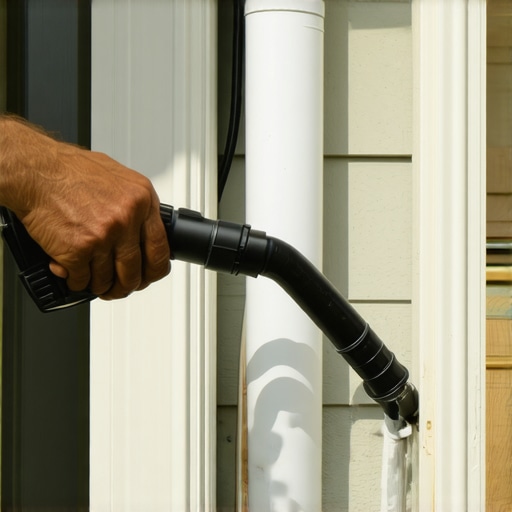
The Future of Smart Diagnostics is Already Here
Looking ahead, I see the industry moving toward ‘predictive maintenance’ where your machines will alert you before the failure occurs. We are already seeing this with high-end units that throw specific telemetry. Learning how to read the error codes on your high-end induction cooktop or washer is the first step toward this future. Instead of guessing, you’ll provide the technician with the exact fault code, which streamlines scheduling your appliance repair for same-day service because they can arrive with the part already in the truck. This ‘pre-diagnostic’ phase is going to be the standard by 2026. If you want to stay ahead of the curve, I recommend downloading the manufacturer’s service app now. For those currently stuck with a broken machine, don’t panic. You can still access affordable same-day appliance fixes with warranty benefits if you lead with the technical error code during your initial call. My best advice for you today: go grab your shop vac and check your AC primary drain line right now. It takes five minutes and could save you a $200 emergency service call this weekend. For more complex issues, always consult an expert guide to appliance repair and installation today to keep your long-term results consistent.
What the Fine Print Taught Me About Your Money
If there’s one thing I’ve learned from years of battling service providers, it’s that your documentation is more powerful than your credit card. I used to think the technician was the final authority, but I was wrong; the contract is. For instance, knowing why your extended warranty company keeps asking for service logs allows you to prepare for their questions before they even ask them. I also realized that the quality of your initial setup determines the life of your machine, which is why I always prioritize how to ensure reliable appliance installation in 2025 to prevent those “improper install” denials that plague so many homeowners. [IMAGE_PLACEHOLDER]
The Survival Kit for Every Home Appliance
You don’t need a truck full of tools to win this game, but you do need a few specifics. First, get a high-quality flexible brush for your refrigerator coils. Second, keep a digital folder on your phone with photos of every model number and serial tag. Third, always have a copy of an expert guide to appliance repair and installation today bookmarked for those moments when you aren’t sure if a repair is a DIY job or a warranty claim. Finally, don’t forget the one maintenance record that saves your appliance warranty claim—your log of professional inspections is the ultimate shield against claims of neglect.
Turn the Tables on Your Warranty Provider
Dealing with broken machines is stressful, but you now have the leverage to demand better service. Whether you are seeking same-day appliance repair or just trying to get a refund on a “lemon,” remember that you are the customer and the contract is your bill of rights. Don’t be afraid to push back, cite the specific clauses we’ve discussed, and use your maintenance records to prove you’ve done your part. You have the tools to keep your home running smoothly without breaking the bank. Have you ever been denied a warranty claim over a tiny technicality that you ended up fixing yourself? Let me know in the comments below!