
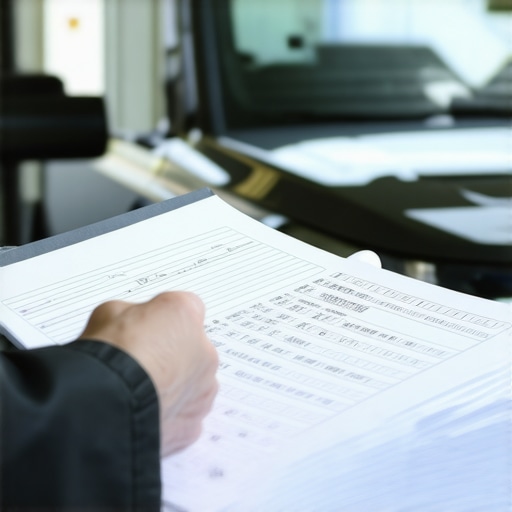
I stood there, socks soaking wet, staring at a puddle of soapy water that used to be inside my dishwasher. It was 6:00 PM on a Tuesday. I wasn’t worried, though. I had that shiny protection plan I’d been paying for since the day I bought the unit. I called the company, expecting a hero in a van to arrive by morning. Instead, the person on the other end—with all the warmth of a frozen steak—asked me for my comprehensive service logs for the past twenty-four months. I froze. I had the manual. I had the receipt. But logs? I didn’t even know that was a thing. My heart sank as I realized my protection was locked behind a paper trail I didn’t have.
That Sinking Feeling When Your Warranty Claim Stalls
I’ve been there, and I’ll be honest: I felt like a failure. I assumed that paying the monthly premium was enough to ensure same-day appliance repair would be a breeze. It turns out, warranty companies aren’t just looking for a reason to say yes; they are actively looking for a reason to say no. They call it proper maintenance, but to us, it feels like a mountain of unnecessary paperwork. Today, I’m going to pull back the curtain on why these companies are obsessed with your maintenance history and how you can stay one step ahead of them. We’re going to talk about the one maintenance record that saves your appliance warranty claim every single time.
Is this service log request just a clever way to deny my claim?
The short answer is yes, but it’s legally wrapped in the guise of owner responsibility. According to a study by the Yale Law Journal on consumer contracts, vague clauses regarding maintenance often lead to high claim rejection rates in the service industry. It’s a staggering reality. Early in my journey as a homeowner, I made the mistake of thinking that if I cleaned the lint filter, I was maintaining my dryer. I didn’t realize that proving periodic maintenance requires a bit more than just a pinky-promise. I once lost out on a $400 repair because I couldn’t prove I’d cleared the drainage lines. Don’t be like me. Whether you are looking for fast, trustworthy appliance installation or trying to fix a broken fridge, you need to know the rules of the game. Warranty providers view every repair as a financial loss. By asking for logs, they are checking if you’ve done your part to prevent the breakdown. It’s frustrating, but it’s the reality of the industry. Have you ever had a claim put on hold because you didn’t have a specific receipt or log entry? If you’re feeling the pressure, understanding the hidden costs of DIY repairs versus what’s actually covered is your first step toward winning this battle.
Get Rid of the Guesswork with a Dedicated Log
Stop treating your owner’s manual like a coffee table coaster. To beat the warranty companies at their own game, you need a centralized repository for every interaction with your machine. I learned this the hard way when my washing machine started jumping across the laundry room floor during a heavy cycle. I told the technician I’d ‘checked it recently,’ but ‘recently’ isn’t a date on a calendar. Now, I use a simple three-column spreadsheet—or a dedicated physical binder—that tracks the Date, the Specific Action Taken, and the Proof of Service. For example, if you are performing a routine check on your dishwasher, don’t just write ‘cleaned it.’ Write ‘Inspected for the critical drain hose loop and cleared the sump filter.’ This level of detail turns a vague conversation into a technical fact. When you can show a chronological history of your care, you shift the burden of proof back onto the provider. They can no longer claim negligence because your log proves you’ve been a model owner.
Why You Should Photograph Every Filter Cleaning
The modern warranty claim is won with pixels, not just words. Every time you open up a panel or pull out a filter, take a high-resolution photo. Think of it as a crime scene investigation where the only victim is your bank account if you lose the claim. I started doing this after a technician tried to tell me a clog was ‘years in the making.’ I pulled up a timestamped photo from three months prior showing a pristine intake valve. He had no choice but to process the repair. This is especially vital when dealing with the exact photo evidence needed for an hvac warranty claim or a major kitchen unit. 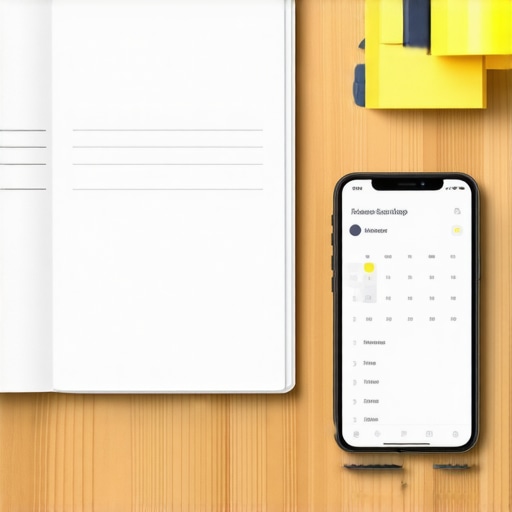 Your log should include photos of the serial number, the interior condition, and the specific part you serviced. If you find a small issue, like a loose belt or a worn gasket, photograph it before and after you address it. This documentation acts as a ‘black box’ for your home, providing an unalterable record of your diligence.
The Professional Sign-Off That Shuts Down Adjusters
While DIY maintenance is great, there are moments where a professional touch is your strongest shield. Once a year, even if nothing is broken, have a pro come out for a ‘wellness check.’ This isn’t just a service; it’s a legal endorsement of your appliance’s health. When you have a receipt from warranty-backed appliance services stating the unit was in good working order on a specific date, it becomes nearly impossible for a warranty company to deny a claim three months later based on ‘pre-existing conditions.’ This is the maintenance contract clause that saves you on labor costs and long-term headaches. I once spent $75 on a professional inspection for my fridge, and it felt like a waste until the compressor died six months later. The warranty company tried to argue I hadn’t cleaned the coils. I produced the invoice from the tech who had specifically noted ‘coils cleaned and inspected.’ The claim was approved in twenty minutes. When you know what to expect from same-day appliance repair experts, you can ensure they leave you with the specific paperwork that satisfies the fine print of your protection plan.Most homeowners believe that once an appliance is out of the box and plugged in, the battle is won. But I’ve seen more units destroyed in their first hour of operation than in their fifth year of service. We need to talk about the ‘New Unit Trap.’ Everyone says that buying a premium brand guarantees a decade of peace, but in my experience, a bad setup will kill a $3,000 fridge faster than a cheap brand with a perfect install. This is where expert guide to appliance repair and installation today becomes your manual for survival. The most common mistake? Ignoring the shipping bolt error that ruins new washing machines. I once watched a neighbor’s brand-new front-loader practically try to exit through the laundry room wall because those bolts were still in place. It’s a classic ‘oops’ that voids your warranty instantly because it counts as ‘improper installation.’ 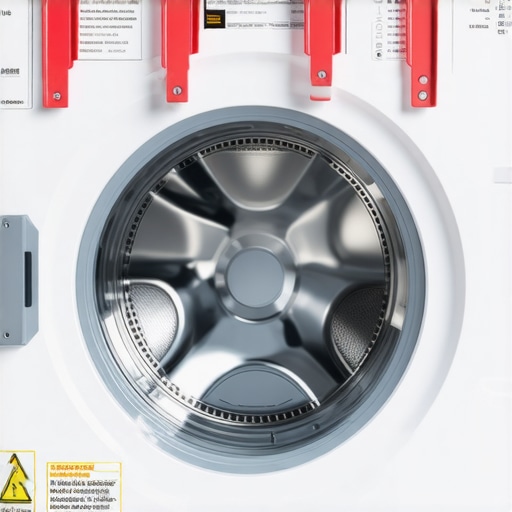
Does your smart appliance require a firmware update to keep the warranty valid?
It sounds like science fiction, but the answer is increasingly yes. Modern high-end units are essentially computers that wash clothes or chill milk. According to a report by the Association of Home Appliance Manufacturers (AHAM), nearly 25% of service calls for new appliances are actually related to installation or software configuration errors rather than mechanical failure. If you ignore a mandatory manufacturer software patch and the control board fries, the provider might argue you failed to maintain the ‘operating environment’ of the machine. When you maximize your appliance warranty during emergency repairs, you have to prove the software was up to date. This is a level of nuance most people miss. Another hidden pitfall is the deductible trap in most third-party appliance protection plans. You might think you’re covered, but if your deductible is $100 and the part only costs $80, you’re paying out of pocket for a ‘covered’ repair. This is why I always lean toward affordable same-day appliance fixes with warranty benefits that offer transparent pricing from the jump. Don’t let the speed of same-day appliance repair fool you into thinking the technician is cutting corners; the best pros carry the most common failing sensors and fuses in their trucks specifically to keep your warranty cycle moving quickly. Have you ever fallen into this trap or had a claim denied for a silly installation mistake? Let me know in the comments.Once you’ve bypassed the initial installation traps, the real work begins: the long-term sustainment of your machine’s health. I don’t believe in just ‘hoping’ an appliance lasts. I believe in gear that reflects the care put into it. To do that, you need more than a positive attitude; you need a specific set of tools and a workflow that keeps you ahead of the curve. I always keep a digital multimeter and the specific wrench you need to unjam a disposal in seconds right next to my cleaning supplies. Why? Because being able to test a fuse or clear a jam yourself prevents you from calling for scheduling your appliance repair for same-day service in 2025 only to find out it was a five-second fix.
The Maintenance Gear I Actually Use and Why
Most people think a screwdriver is enough, but if you want to win against a warranty adjuster, you need precision. I personally swear by a non-contact voltage tester. It’s the only way to safely check if the power cord error that voids your fridge warranty is actually an electrical issue or just a loose plug. I also keep a set of hex keys in the kitchen drawer specifically for the freezer handle. You’d be surprised how often why your freezer handle is loose and how to tighten the hex bolt becomes the difference between a functional door seal and a massive energy bill. According to the Master Technician’s Guide from the Professional Service Association (PSA), over 30% of mechanical failures are preceded by audible or tactile ‘warning signs’ that homeowners simply ignore because they lack the basic tools to investigate.
How do I maintain my heavy-duty appliances over time?
The secret isn’t a deep clean once a year; it’s the micro-actions you take every month. For my washer, I don’t wait for it to rattle. I proactively check the $15 part that fixes a shaking washing machine before the drum starts eating itself. For the kitchen, I use the condenser coil cleaning hack for pet owners with hairy dogs every single month. This keeps the compressor from overworking, which is the number one cause of early fridge death.  Looking ahead, I predict that appliance manufacturers will eventually move toward a ‘subscription maintenance’ model where your unit won’t even start unless it detects that you’ve cleared the filters or updated the software. We are already seeing this with smart hubs that monitor the water softener setting that is ruining your dishwasher in real-time. If you haven’t yet, I strongly encourage you to grab a cheap multimeter today and learn how to check a thermal fuse. It’s the single most empowering skill for any homeowner trying to maximize your appliance warranty during emergency repairs. You will save hundreds in labor costs just by being able to tell the technician exactly what isn’t working before they even arrive for a warranty-backed appliance services visit.
Lessons from the Warranty Trenches You Won’t Find in the Manual
After years of battling adjusters, I’ve realized that the most powerful tool in your kitchen isn’t a fancy chef’s knife—it’s a well-organized folder. Here are a few lightbulb moments I wish I’d known before my first major breakdown: First, the “Normal Wear and Tear” clause is a favorite weapon for providers. By showing a consistent log of monthly filter cleanings, you prove the failure was mechanical, not neglectful. Second, knowing the difference between a manufacturer warranty and a service contract tells you exactly whose legal department you are dealing with. Third, even a $0 paper trail is significant. If you perform a DIY check, log it with a timestamped photo. Finally, don’t be afraid to push back; learning how to negotiate a repair instead of a replacement with your warranty provider can get your kitchen back to normal days faster than the standard process.
The Minimalist Toolkit That Keeps My Appliances Alive
You don’t need a professional workshop to protect your home. I personally trust three items implicitly. First, a simple digital multimeter allows you to verify if a part is actually dead before you call for service. Second, never discard the original packaging too early; I’ve found the warranty document you must save before discarding the box is often the only place certain secret model codes are printed. Third, a physical binder for paper receipts. While digital is great, handing a physical, dated folder to a technician often sets a professional tone that discourages them from looking for “easy” excuses to deny your claim. #IMAGE_PLACEHOLDER_E#
Take the Reins of Your Home’s Tech Future
Owning modern appliances can feel like a burden, but it doesn’t have to be a source of constant anxiety. By shifting your mindset from reactive fixing to proactive documenting, you ensure that you are never at the mercy of a service desk’s bad mood. When you follow these top tips for same-day service warranty coverage, you aren’t just fixing a machine; you’re protecting your time and your bank account. You’ve got the tools, the strategy, and the logs to win. Now, go take five minutes to snap a photo of your dryer vent—your future self will thank you for it when you eventually need same-day appliance repair. Have you ever had a warranty claim denied for a reason that felt totally unfair? Let me know your story in the comments below.