
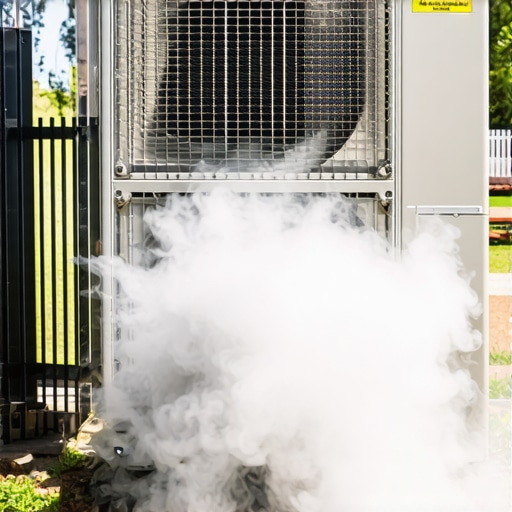
Imagine this: you come home after a long, scorching day, eagerly turn on your air conditioner, only to be greeted with warm, stagnant air instead of the cool relief you crave. Frustration bubbles up as your plans for a breezy evening evaporate. I’ve been there too—trust me, nothing’s more disheartening during the peak of summer.
How I Realized My AC Was Failing Me at the Worst Time
One blazing summer afternoon, I finally decided to check my thermostat after noticing the air felt warmer each day. To my surprise, the compressor was running, but the air leaving the vents was tepid. That small realization was my wake-up call. It’s a common scenario, and chances are, you’ve experienced something similar or are currently dealing with it.
In this post, I’ll guide you through the common reasons behind a malfunctioning AC that blows warm air and, more importantly, how you can troubleshoot and fix the problem yourself. No need to panic or call in a technician first—sometimes, the fix is simpler than you think.
Is DIY Fixing as Risky as It Sounds?
Early on, I made the mistake of diving into repairs without understanding the system. That’s a mistake many make, often leading to more damage or safety hazards. As an example, I tried to recharge my refrigerant without knowing the correct procedure, which could have been dangerous. You can read more about common DIY mistakes that can harm your unit in this detailed guide.
With that in mind, it’s crucial to approach troubleshooting with care and knowledge. But don’t worry, I’ll walk you through the most straightforward checks before considering professional help.
Why Your AC Blows Warm Air and What to Do About It
Addressing the root cause of warm air is essential to restoring comfort and saving money on energy bills. From simple fixes like replacing a dirty filter to more involved repairs such as refrigerant issues, understanding the common culprits will set you up for success.
So, have you faced this problem before? Or are you currently battling the heat with a less-than-cool remedy? Stay with me—because solving this pesky issue might be easier than you think, and I’ll show you how to do it step by step.
Start by Inspecting the Air Filter
My first practical step was to check the air filter, which was surprisingly clogged with dust and debris. To do this, turn off your AC unit and locate the filter—usually behind a vent or panel. Remove it carefully and hold it up to the light. If it’s dark and covered in dirt, replace it with a new filter. A dirty filter restricts airflow, making your AC work harder and possibly blowing warm air. Installing a clean filter improved my unit’s efficiency immediately, and it only took a few minutes.
Examine the Thermostat Settings
Next, I made sure that the thermostat was correctly set to cool and at a temperature lower than room temperature. Sometimes, the simplest mistake—like leaving it on ‘Fan Only’ or setting it higher—causes warm air output. Also, check the batteries; a dead battery can send incorrect signals. Replacing the batteries restored proper functioning and helped cool my room again.
Check for Obstructions Around External Units
Hardware makes a difference. I cleared leaves, dirt, and other debris from around the outdoor condenser unit. A clogged or covered coil can’t dissipate heat efficiently, leading to insufficient cooling. Use a garden hose to gently wash dirt off the coils—*but* avoid using a pressure washer as it can damage fins. Clearing obstructions can make a significant difference in cooling performance.
Understand the Role of Refrigerant
If these steps haven’t helped, the core issue might be refrigerant levels. Low refrigerant causes the evaporator coil to cool inadequately, resulting in warm air. While recharging refrigerant requires specialized tools and safety precautions, recognizing this problem is crucial. If you suspect refrigerant leaks, it’s safer to consult a professional than attempting DIY repairs—see how to avoid common DIY mistakes for safety tips.
Inspect the Condensate Drain Line
Blocked drainage can indirectly affect cooling by causing system shutdowns or inefficiencies. Locate the drain line—usually a PVC pipe leading outside—and check for clogs or algae buildup. Clear blockages with a mixture of vinegar and water, or use a wet/dry vacuum to siphon out debris. Keeping this line clear ensures your AC can operate continuously without overheating.
Test the Compressor When the System is Running
I listened carefully to the compressor. If it’s noiseless or makes loud clunking sounds, it indicates issues. A functioning compressor should run smoothly with a steady hum. If you notice abnormal noises, it might be time to call in a technician. Learn more about compressor problems that might cause loud clunking at this guide.
When to Call Professionals
If after these steps your AC still blows warm air, it’s best to contact a certified technician. Handling refrigerant or electrical components without proper training can be dangerous. Consider scheduling a same-day service for quick resolution and ensure your warranty remains valid—some plans require certified repairs to keep coverage active. Proper diagnosis and repair by pros can avoid costly damages from DIY mistakes, like improper handling as discussed in this article.
Many homeowners believe that once an appliance is installed correctly, their worries are over, or that repairs can be done impulsively to save time and money. However, these assumptions can lead to costly misunderstandings and setbacks. For instance, a prevalent myth is that all warranties cover any kind of repair, but in reality, improper installation or unauthorized repairs can void your coverage. According to appliance expert Mike Adams, “Warranty terms are often voided if the appliance is not installed per manufacturer instructions or if unqualified repairs are attempted.” This is a critical nuance that many overlook.
One common trap is assuming that same-day service is always the safest choice. While quick fixes are tempting, rushing into repairs without proper diagnosis can cause more harm than good, especially if the technician lacks specialized training. A misdiagnosed compressor issue or refrigerant leak, for example, requires advanced troubleshooting. Attempting DIY fixes without understanding these complexities not only endangers safety but can also lead to irreversible damage, like in instances of improper refrigerant recharging, which can be dangerous and violate regulations. Consider the case of a homeowner who tried to service a refrigerant leak themselves, only to cause additional harm. Such errors underline the importance of trusting certified professionals to handle complex issues.
Advanced repair scenarios often involve subtle nuances that challenge even seasoned DIYers. For example, many think that improper appliance operation is always due to dirty filters or simple component failures. Yet, in multiple cases, electrical wiring faults or software glitches might be the root cause. A technician’s expertise in scanning for error codes and understanding appliance circuitry makes the difference. Moreover, understanding the specific manufacturer’s design—like the proprietary algorithms in modern smart appliances—can expedite solutions and prevent unnecessary replacements.
To navigate these complexities, it’s vital to recognize the limitations of DIY repairs and the significance of proper installation. For instance, improper leveling of refrigerators can lead to inefficient compressor cycling, which over time damages the unit. regional regulations and manufacturer guidelines are explicit about such nuances, emphasizing precision and adherence. Know that bypassing these instructions may seem harmless but can have long-term consequences.
The key takeaway is that appliance repair and installation are more nuanced than they appear. Common myths—like warranties covering all repairs or same-day service being foolproof—can mislead homeowners. Instead, relying on certified experts and understanding the intricacies of your appliances’ design and warranties can save you money and frustration in the long run. For deeper insights, reviewing guides on proper appliance care or consulting manufacturer resources can be invaluable. Have you ever fallen into this trap? Let me know in the comments.
Invest in Quality Diagnostic Tools to Save Time and Money
Having the right tools is essential for any homeowner serious about maintaining their appliances. I personally rely on an infrared thermometer to quickly identify uneven temperatures in refrigerants or heating elements, which allows me to pinpoint issues without disassembling entire units. Additionally, a digital multimeter is invaluable for checking electrical components—ensuring safety and proper function. For example, when troubleshooting a dishwasher that isn’t draining properly, I use my multimeter to test the door latch switch’s continuity, as faulty switches can prevent the cycle from completing. Investing in these tools can prevent unnecessary service calls and help you catch potential problems early.
Utilize Software for Routine Maintenance and Alerts
Smart appliances nowadays come with embedded diagnostic capabilities and maintenance reminders. I recommend installing manufacturer apps or compatible smart home platforms that can alert you to irregularities before they escalate. For example, my smart refrigerator notifies me when the filter needs replacing or if a potential leak is detected, allowing immediate action. As technology advances, I predict that machine learning algorithms will increasingly provide proactive maintenance suggestions, minimizing downtime and extending appliance lifespan.
Adopt a Systematic Approach to Long-Term Care
Regular, scheduled maintenance is key to keeping appliances in top shape. I follow a routine that includes cleaning filters monthly, checking for visible leaks, and inspecting external vents for blockages, such as the one in my air conditioning unit. These small steps can dramatically reduce the likelihood of costly repairs. For instance, ensuring your refrigerator is properly leveled prevents excessive compressor strain—read more about this essential maintenance move. Over time, these practices build a reliable environment, reducing unexpected breakdowns.
Know When to Schedule Professional Maintenance and How It Benefits You
While DIY is empowering, some tasks are best left to qualified technicians, especially for complex issues like refrigerant recharging or electrical repairs. I always opt for certified professionals for such work to guarantee the job is done correctly and to preserve my appliance warranties. Many companies offer same-day service, which I find invaluable during peak seasons—like a summer heatwave when an AC failure can be unbearable. Professional maintenance not only ensures safety but also prolongs the lifespan of your appliances. For example, regular professional checks can prevent a compressor from failing prematurely, saving you money and stress in the long run.
Future Trends in Appliance Maintenance
Looking ahead, I believe the integration of AI and IoT devices will revolutionize appliance upkeep. Enhanced diagnostics and predictive maintenance will become standard, making repairs more efficient and preventing failures before they occur. Staying updated with these advancements will empower homeowners to make smarter choices and minimize disruptions.
How do I keep my appliances working well over time?
Consistent, proactive maintenance combined with the right diagnostic tools and professional support is the secret to long-lasting appliances. Start by acquiring essential tools like a digital multimeter and infrared thermometer, then set up maintenance reminders aligned with manufacturer guidelines. Don’t forget to schedule regular professional inspections—especially for complex systems—to safeguard your warranty and ensure safety. Turn these practices into a routine, and your appliances will serve you reliably for years. Why not try out a simple yet effective tip today—like checking your refrigerator’s level with a spirit level—to see how small steps can make a big difference? For more detailed troubleshooting tips, explore this guide on washing machine stability.
The Hardest Lesson I Learned About Installation, Appliance Repair, Same-Day Service, and Warranty
One of the most eye-opening experiences I had was realizing that rushing repairs or overlooked details can invalidate warranties and lead to costly fixes. I once attempted to reseal my AC unit without proper tools, only to find out later that it voided my warranty—costing me more in the long run. Patience and thoroughness are crucial when handling appliances, especially with complex systems like HVAC, where improper installation or repair can cause long-term damage.
Additionally, I learned that same-day service might seem convenient but sometimes isn’t all it’s cracked up to be. A hasty technician checklist or lack of diagnostic precision can mean the problem isn’t truly solved, leading to repeat visits. Investing time in proper diagnosis and trusting certified pros ensures that repairs are effective the first time, safeguarding your warranty and peace of mind.
Lastly, understanding your warranty’s fine print has been a game-changer. Many assume it’s a safety net for any malfunction, but in reality, improper DIY fixes or unauthorized parts replacement can inadvertently void coverage. Knowing this empowers homeowners to make smarter decisions about repairs and maintenance, emphasizing the value of expert help for HVAC systems.