
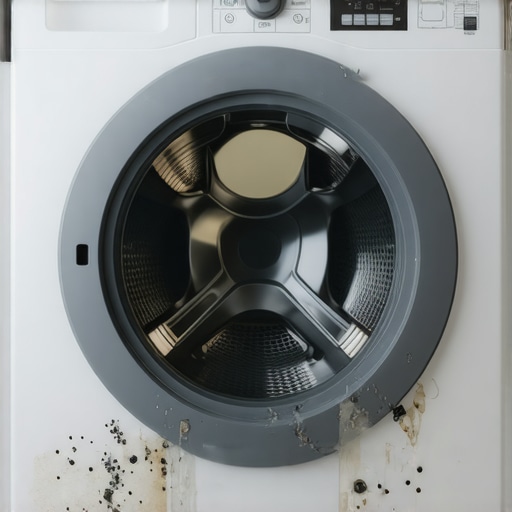
Ever had your washing machine start scooting across your laundry room floor like a runaway scooter? I remember the day my old washer decided to take a little stroll mid-cycle — soaked my carpet, shattered my patience, and made me realize I was in for a learning curve. That lightbulb moment hit me: it wasn’t just my frustration; it was a sign something wasn’t quite right.
If your appliance is dancing around when it should be peacefully spinning, you’re not alone. Many homeowners find themselves puzzled, wondering why that heavy beast of a machine keeps wandering off its designated spot. The good news? Fixing this is often simpler than it looks, and I’m here to help you troubleshoot and get your washer back to a steady, quiet hum.
The Hidden Causes Behind a Wandering Washing Machine
Is This Issue Actually Worth Your Worry?
Many folks dismiss this as a minor wobble or think it’s normal for machines to have a mind of their own. But ask yourself: if your machine is moving, what else could be affected? Wobbly washers can damage your flooring, noise levels, and may even lead to leaks or further mechanical issues. I made the mistake early on of ignoring a slight vibration, only to find the problem escalating into a major repair that cost me more time and money.
Research shows that improper leveling is often the culprit. According to appliance experts, an unbalanced or poorly leveled washer can shake loose over time, causing movement and noise (source: https://discountappliancehub.com/the-leveling-secret-for-a-silent-top-load-washer). So, before you panic or reach for the toolbox, let’s explore the basic steps to diagnose and fix this common problem.
Check the Leveling of Your Washer
Start by inspecting your machine’s leveling — use a bubble level across the top edge and the sides. If you find it tilted, note which side is higher. During my first attempt, I realized my washer was slightly uneven, causing it to shake and wander during cycles. Proper leveling ensures stability and prevents movement.
Adjust the Washer’s Feet
Locate the adjustable feet at the bottom of your washer. Unscrew or turn them counterclockwise to raise or clockwise to lower. Tighten each foot firmly against the floor, ensuring the entire machine is stable. When I did this, I tightened the rear right foot to compensate for an uneven floor, which significantly reduced wobbling.
Use Floor Pads or Anti-Vibration Mats
If your floor is uneven or soft, place rubber anti-vibration pads or mats under the machine’s feet. This cushions the vibrations and minimizes movement. I found that adding these mats helped my noisy, jumping washer stay put, especially on wooden floors prone to flexing.
Secure the Washing Machine in Place
For persistent movement, consider anchoring the machine to the wall or cabinetry with brackets. This is particularly useful in homes with active kids or in laundries prone to vibrations. I installed a simple L-bracket behind my washer, which prevented any further scooting during high-speed spins.
Verify the Load Distribution
Unevenly distributed laundry causes imbalance. Always load the drum evenly around the agitator or drum center. In my experience, overloading or uneven loads makes the machine wobble excessively. Shift heavier items to balance the load and improve stability.
Revisit Drain and Suspension Components
If instability persists, inspect the suspension system — shock absorbers or suspension rods may be damaged. A quick visual check revealed worn shock absorbers, which I replaced to restore proper function. Ensuring these components are intact prevents excessive movement.
Regular Maintenance Keeps It Stable
Periodically re-check leveling, especially after moving the appliance or flooring changes. Keeping your washer properly leveled prolongs its lifespan and minimizes noise. I recommend every few months, particularly if you notice increased wobbling or shaking during operation.
When it comes to same-day appliance repair and installation, many homeowners believe they’re getting a straightforward, hassle-free service. The common myth? That quick turnaround always guarantees quality and transparent warranty coverage. But let’s peel back the layers and examine the nuanced reality that even seasoned homeowners often overlook.
First, the assumption that immediate service equates to thorough diagnostics is flawed. In many cases, technicians might prioritize speed over comprehensive assessment, risking missed underlying issues. For instance, a quick fix for a leaky fridge water dispenser might overlook a faulty valve that could cause future leaks, leading to repeated visits. You can learn more about such overlooked details in this detailed breakdown of common repair traps.
Why do people often misunderstand warranties in appliance repair?
Many believe warranties cover everything, including accidental damage or improper use. The reality is more restrictive; warranties typically cover manufacturing defects or specific parts malfunctioning. Damage caused by power surges, mishandling during installation, or misuse often fall outside coverage. This misconception can lead to unexpected repair bills, especially whenProblems arise shortly after a service. A study by Consumer Reports highlights how misinterpretation of warranty terms results in consumer dissatisfaction, emphasizing the importance of reading the fine print.
Moreover, the ‘free repair’ promise in some marketing ads often conceals hidden costs. For example, some service providers charge for diagnostic fees or only provide limited warranties, often just 30 days, which many homeowners might overlook when signing agreements. Always ask for detailed warranty terms and confirm whether parts and labor are covered fully to avoid surprises.
Beware the trap of assuming all repairs are created equal
Not all repairs are performed with equal expertise. A common mistake is choosing the cheapest quote or assuming that a technician without proper credentials can handle complex systems. Improper installation or repair can inadvertently void your warranty because manufacturers require certified technicians for certain services. For example, improper leveling or installation of a refrigerator can cause compressor issues later and may void warranty coverage if not done according to specifications. You can prevent such issues by verifying the technician’s certifications and experience, as discussed in this guide.
Finally, the ‘one-size-fits-all’ approach often backfires. A quick fix might seem convenient, but it might not address the root cause, leading to recurring problems and additional costs. Advanced diagnostics may take more time upfront but save you money and frustration in the long run. For example, problems with a dishwasher that won’t drain could be due to a clogged filter or a malfunctioning pump—addressing only the symptom might not resolve the issue permanently.
Benefit from understanding these nuances and avoid falling prey to common pitfalls. Next time you schedule an appliance repair or installation, remember to ask detailed questions about warranty coverage, technician credentials, and diagnostic procedures. Have you ever fallen into this trap? Let me know in the comments and share your experiences with appliance service surprises.Maintaining your appliances for sustained performance requires more than just routine cleaning; it involves using the right tools and adopting effective methods designed for durability. One of my go-to tools is a high-quality digital multimeter, which I personally rely on to accurately diagnose electrical issues, ensuring that each repair is precise and minimizes downtime. Investing in a reliable multimeter like the Fluke 117 helps me quickly identify wiring problems or faulty sensors, reducing guesswork and preventing future failures.
For appliance diagnostics, I also recommend a specialized appliance inspection mirror. This compact tool allows you to see into tight spaces behind or beneath appliances, making it easier to spot corrosion, loose connections, or damaged components without unnecessary disassembly. I use mine regularly when inspecting components like microwave cavities or behind refrigerators, saving time and effort.
When it comes to ongoing maintenance, software plays a vital role. I utilize diagnostic apps compatible with smart appliances, which provide real-time error codes and troubleshooting guides. These apps streamline the diagnostic process, especially for Wi-Fi-enabled devices that can report issues remotely. For instance, integrating the manufacturer’s diagnostic app into my routine helps catch minor issues early and plan preventive maintenance.
Looking ahead, the trend is shifting towards smart diagnostic tools that can interface directly with appliances through IoT technology. I predict that future tools will incorporate AI-driven analysis, enabling even novice homeowners to conduct advanced diagnostics. Staying ahead of these developments means embracing mobile apps that connect with appliance sensors, potentially saving hundreds in repair costs over time.
How do I maintain appliance health over time? Regularly scheduled inspections combined with proactive component replacement—like swapping out worn door seals or cleaning condenser coils—prevent many common issues. For example, cleaning your refrigerator’s coils every six months with a vacuum or coil brush preserves efficiency and can extend its lifespan significantly. Additionally, maintaining proper voltage protection through surge protectors shields your appliances from power fluctuations, which are common in older homes.
In fact, recent studies highlight the importance of protective measures against power surges, linking them directly to unexpected failures. To protect your investment, I recommend installing a dedicated surge protector for your most critical appliances, especially your smart fridge or oven. You can learn more about safeguarding your appliances from power surges in this detailed guide.
I encourage you to implement one advanced tip today: use a digital multimeter to periodically check your appliance’s electrical connections. Performing these simple diagnostics helps you catch potential issues early and ensures your appliances run smoothly long-term. Have you tried this method before? Share your experience or ask questions in the comments to start a conversation about keeping your home appliances in top condition.
How Overconfidence Almost Cost Me My Peace of Mind
I used to think that any quick repair was simple enough to handle myself, but I learned the hard way that rushing can lead to overlooked issues and bigger problems down the line. Trusting my instincts without thorough diagnostics delayed proper fixes and extended my frustration.
The Hidden Costs of Assuming Warranty Coverage Will Save You
Many believe warranties are all-encompassing, but I discovered that they often exclude damage from mishandling or improper installation. Reading the fine print saved me from surprise expenses when warranties didn’t cover certain repairs—don’t skip that step.
Why Certified Technicians Make All the Difference
Opting for unverified repair services might seem like saving a few bucks, but I realized that improper repairs can void warranties and cause recurring issues. Checking credentials and experience ensures your appliance gets the care it deserves and prevents costly setbacks.
Smart Tools That Transform Home Repairs
Investing in a digital multimeter and inspection mirrors changed the repair game for me. These tools enable precise diagnostics, reducing guesswork and ensuring fixes are both effective and safe—empower yourself with the right equipment.
Embracing Preventive Care for Long-Term Satisfaction
Regular maintenance, like leveling your washer or cleaning coils, might seem tedious but pays off in quiet, reliable performance. Proactive steps prevent breakdowns and save money—think ahead to keep appliances humming smoothly.
My Silent Secret to Peaceful Laundry Days
Proper leveling and using anti-vibration mats transformed my laundry routine from a noisy ordeal into a peaceful experience. Small adjustments, like tightening feet or securing appliances, make a significant difference in stability and sound levels.
Resources That Revolutionized My Approach
Books like “Home Appliance Maintenance for Beginners” and trusted online guides on appliance troubleshooting gave me confidence and clarity. Reliable information shortens the learning curve and helps you tackle issues effectively.
Action Begins with You: Step Into Confident Repairs
Modern appliances are smarter than ever, but they still need your attention and care. Regular inspections, proper tools, and a cautious approach turn what feels overwhelming into manageable tasks. Ready to take charge of your appliance health? What repair challenge surprised you most? Share your story below!
,