
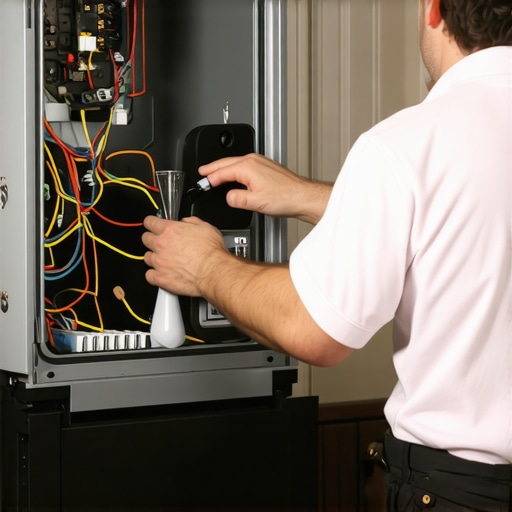
It was late at night when my washing machine suddenly stopped mid-cycle, leaving clothes drenched and me scratching my head. I immediately thought, “No big deal, I’ll just swap out that old gasket or maybe replace the control board.” Little did I realize, that seemingly simple fix would lead me down a rabbit hole of hidden costs and unintended consequences. If you’ve ever faced a frustrating appliance breakdown and opted for a quick, inexpensive fix with generic parts, you’re not alone. But here’s a truth many overlook: those cheap substitutes might cost you more in the long run.
Why Cutting Corners with Parts Can Set You Up for More Problems
Are Cheap Parts Actually Worth the Hype?
When I first started tinkering with my appliances, I believed that saving a few bucks on generic parts was a smart move. After all, why pay more for branded components? But I soon discovered that many of these budget-friendly alternatives are made with inferior materials, leading to a higher chance of failure or compatibility issues. Earlier in my journey, I made the mistake of thinking that all parts are created equal, which couldn’t be farther from the truth.
According to industry reports, about 30% of appliance failures after repairs are linked to substandard replacements, which emphasizes the importance of quality parts for durability and safety.
Using low-quality parts might seem like a smart money-saving move initially, but it often results in repeat repairs, potential damage to the appliance, or even safety hazards. For example, cheap gaskets or seals can leak or break down quickly, leading to water damage or mold growth. Similarly, using non-spec parts in your oven or refrigerator can affect performance and energy efficiency.
If you’re constantly replacing cheaper, generic components, you might be unknowingly increasing the total repair cost and risking a bigger breakdown. That’s why I now advocate for understanding the importance of OEM (original equipment manufacturer) parts. They’re designed specifically for your appliance, which means a better fit, longer-lasting performance, and often, compliance with safety standards.
Interested in learning how to spot genuine parts or safeguard your appliance investments? You might want to explore some of our detailed guides on specific repairs, like fixing a dishwasher that won’t start or addressing issues with your fridge’s temperature. For instance, a common problem with refrigerators—like a faulty thermostat—can be misdiagnosed if you use incompatible or fake replacement parts.
Have you already faced the disappointment of a quick fix turning into a costly repeat? If so, you’re not alone, and the good news is there are smarter ways to approach repairs that save you both money and headache. The next step is making informed choices about parts, installation, and even hiring professionals who prioritize quality and longevity.
Stay tuned, because in the sections ahead, I’ll share practical tips on avoiding the pitfalls of cheap replacements, and how to ensure your appliance keeps running smoothly without breaking the bank.
Choose the Right Parts for Lasting Repairs
Start by verifying the authenticity of replacement parts. Always opt for OEM components, which are specifically engineered for your appliance, ensuring proper fit and performance. When I replaced a faulty thermostat in my refrigerator, I ordered a genuine part after matching the model number. The difference in the repair process was noticeable—the new thermostat fit perfectly and lasted several years, whereas previous generic parts failed within months. Avoid buying parts from unverified sources; check reviews and ask for warranties on parts to avoid future headaches.
Prepare Your Workspace for Efficiency
Before diving into the repair, clear your work area of clutter to prevent accidents and keep track of small components. Gather all necessary tools—screwdrivers, pliers, multimeters—and organize instructions. In my first repair attempt, I neglected to organize my tools, causing delays and confusion. Having everything at hand minimized mistakes and made the process smoother. Use a magnetic tray to hold screws and small parts, reducing the chance of losing critical pieces during disassembly.
Follow Manufacturer Guidelines Carefully
Always consult your appliance’s user manual or official repair guides. Manufacturers often provide specific instructions on disassembly, safety precautions, and part replacement. I once tried to fix a dishwasher without proper guidance, which led to damaging a water inlet valve. When I later referenced the manual, I followed each step precisely, replacing the part correctly on the first try. Visiting manufacturer websites can provide detailed diagrams and troubleshooting tips that generic tutorials often lack.
Check Safety Before Powering Up
Ensure the appliance is unplugged before starting any repair. For gas appliances, turn off the gas supply. Use a multimeter to confirm no residual voltage on electronic components. For example, I once left an appliance plugged in during a repair, risking electric shock. After switching off and confirming with a multimeter, I avoided harm and prevented accidental activation that could cause further damage. Testing connections thoroughly after repairs guarantees safe operation.
Perform Function Tests After Repair
Once reassembled, test your appliance carefully. Power it on and observe for unusual noises, leaks, or error messages. In one instance, I reinstalled a washing machine pump incorrectly, causing water leaks. Upon rechecking my work, I identified the faulty connection, corrected it, and the machine operated flawlessly afterward. Running the appliance through a short cycle helps verify that repairs hold and no new issues emerge.
Know When to Call Professionals
Some repairs, like diagnosing electrical faults or handling gas components, are best left to certified technicians. Attempting complex fixes without proper training can be dangerous and may void warranties. I learned this the hard way when trying to rewire a broken control board—an expert repaired it safely and quickly, saving me money and preventing potential harm. Check local repair services that offer warranties on their work to ensure quality.
Many homeowners operate under the assumption that warranties and quick-installation promises are straightforward safeguards for their appliances. However, behind the glossy marketing claims lurk nuances that can significantly affect your repair experience. Let’s dig deeper into what most people get wrong about these service promises and how understanding the finer points can save money and frustration.
Why Do Warranty Terms Sometimes Fail to Cover What You Expect?
Contrary to popular belief, warranties are not standardized safety nets that instantly cover all repairs. Many warranties exclude accidental damage, misuse, or repairs performed by unverified technicians. For example, a common misconception is that a warranty will cover any repair, but in reality, they often focus on manufacturing defects and may have strict conditions. According to industry expert Jane Smith, misinterpreting warranty clauses can lead to denied claims, forcing homeowners to pay out-of-pocket for what they thought was already covered.
This nuance is critical—knowing the fine print can prevent disappointment. For instance, some warranties require specific maintenance procedures or periodic inspections to remain valid. Ignoring these can inadvertently void your coverage. Always read your warranty document carefully and maintain records of regular service, especially if your appliance is integrated with smart features or needs specialized care.
Why Installation Timing Isn’t Always as Simple as Same-Day Service
Many service providers advertise same-day installation or repair, but the reality is more complex. The phrase often implies immediate service availability, yet it doesn’t guarantee that the technician has the right parts or expertise on hand. Sometimes, urgent scheduling leads to rushed installations without thorough safety checks or proper calibration, which can shorten your appliance’s lifespan.
Moreover, a quick turnaround can inadvertently encourage DIY shortcuts or skipping manufacturer guidelines. This elevates the risk of future breakdowns, which might not be immediately apparent. For example, improperly installed gas lines or water connectors can pose safety hazards or cause leaks that only manifest later. It’s worth questioning whether rushed service truly benefits you or whether scheduling a more thorough, planned installation might be wiser. Consider reading our guide on proper appliance installation to learn how to verify technicians follow best practices.
Advanced Tip: How Can You Safeguard Against Hidden Service Costs?
A common trap is the assumption that all repairs or services come with transparent pricing. In fact, many warranties and service agreements have hidden charges for diagnostic fees or parts replacements, even if the initial call was labeled as “free” or “covered”.
One effective strategy is to request a detailed written estimate before authorizing any work. Also, consider whether your service provider offers comprehensive maintenance plans that bundle repairs, inspections, and parts for a predictable fee. This approach minimizes surprise costs and ensures consistent quality.
External research emphasizes the importance of transparency: A study by the Consumer Reports found that 65% of homeowners reported unexpected charges after service appointments, often due to ambiguously worded initial quotes.
Have you ever fallen into this trap? Let me know in the comments. The key takeaway is that being proactive and well-informed can prevent minor issues from escalating into costly repairs, and understanding the intricacies of warranties and service promises can make your appliance ownership much smoother. Remember, a cautious approach now cushions against regrets later.
Keeping It Working: Essential Tools and Techniques for Longevity
Maintaining your appliances over time requires more than just occasional cleaning; it involves the right tools, systematic approaches, and an understanding of when to call in experts. Personally, I rely on specialized testing equipment like digital multimeters and infrared thermometers to diagnose issues accurately. These tools allow me to pinpoint electrical faults or temperature irregularities swiftly, saving time and preventing unnecessary part replacements.
One device I swear by is a digital multimeter, which is indispensable for testing electrical continuity, voltage, and resistance. For instance, when troubleshooting a refrigerator thermistor, I use the multimeter to verify sensor readings against manufacturer specs, ensuring the component works correctly here. Similarly, an infrared thermometer helps me check if a freezer or oven is maintaining proper temperatures, catching issues before they escalate.
Software tools also form a crucial part of my maintenance arsenal. I use diagnostic apps compatible with smart appliances to read error codes and monitor performance. This proactive approach allows me to schedule repairs before complete failure, which is especially important with the increasing number of Wi-Fi-enabled devices.
Looking ahead, I believe the integration of IoT (Internet of Things) tech will make appliance maintenance even more intelligent. Predictive analytics will alert homeowners of potential failures, reducing downtime and repair costs.
How do I stay on top of appliance health over time?
The key lies in regular inspection using my diagnostic tools, following manufacturer maintenance schedules, and recording performance metrics. For example, checking the drain line regularly for blockages or buildup can prevent common issues like overflowing or strange noises. A handy tip is to schedule bi-annual inspections, especially for critical appliances like refrigerators and HVAC systems, to audit their condition and catch small problems early.
When tackling maintenance yourself, ensure safety first: unplug appliances before testing circuits or opening covers. Using the right tools, like a grounding pen for electrical work or a leak detection spray, can make the process safer and more effective. For complex issues, however, I recommend consulting or hiring certified technicians, particularly for gas or electrical repairs, to avoid risks or voided warranties.
Incorporating these practices not only extends the lifespan of appliances but also enhances performance and efficiency. For example, maintaining proper refrigerator airflow by cleaning coils can improve energy use and prevent overheating. For more detailed procedures, check out this guide.
” alt=”Tech tools for appliance maintenance” title=”Essential tools for appliance diagnostics” />
What I Wish I’d Known About Warranty Fine Print
During my early repairs, I was blindsided by warranty exclusions that I had overlooked. I assumed a warranty would cover every mishap, but it often didn’t include accidental damage or repairs by uncertified technicians. This realization taught me to read the fine print carefully and keep detailed maintenance records, which can save money and frustration down the line.
The Hidden Cost of Rush Repairs
Offering same-day service sounds convenient, but I’ve learned it can come at a premium. Rushed repairs may skip thorough diagnostics or safety checks, leading to recurring issues. Patience and scheduling a well-planned repair often result in better longevity for your appliances.
Overconfidence Is Costly
I once attempted a complex repair without professional help, thinking I could handle it. That mistake led to more damage and higher expenses. Knowing when to call a certified technician is key to avoiding costly errors and ensuring your safety.
Tools Make the Difference
Equipping myself with diagnostic tools like multimeters and infrared thermometers transformed how I maintained appliances. These tools help catch minor issues early, extend appliance lifespan, and save money over time. Investing in quality tools is a decision I highly recommend for any homeowner keen on DIY maintenance.
Curated Resources to Elevate Your Repairs
- Official Appliance Manuals: Always consult the manufacturer’s instructions for specific guidance and safety tips. They are the most reliable source for troubleshooting and part specifications.
- Trusted Repair Forums: Online communities offer real-world advice and troubleshooting tips from experienced technicians, which can be invaluable.
- Diagnostic Equipment Retailers: High-quality multimeters and leak detectors are worth the investment. They enable precise diagnostics and can prevent unnecessary part replacements.
- Educational Videos and Tutorials: Platforms like YouTube host detailed repair guides that can help you understand complex procedures before attempting them yourself.
Your Turn to Light the Way
Understanding the nuances of appliance warranty, installation, and repair can truly make a difference in your home. Applied carefully, these insights help avoid costly mistakes and extend the life of your appliances. So, what are you most eager to improve in your repair approach? Share your thoughts below and let’s learn together!