
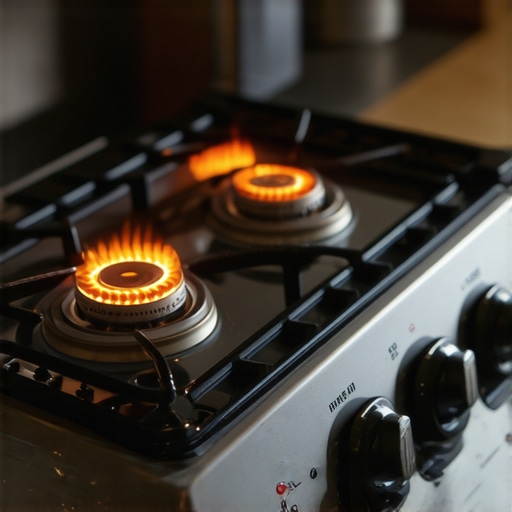
Ever found yourself chopping vegetables or boiling water, only to realize your electric stove’s burner refuses to turn down? One day, I was in the middle of preparing dinner, and suddenly, that stubborn heat wouldn’t budge. No matter how much I turned the knob, it was stuck on high. It’s like your appliance has developed a mind of its own, and that frustrating resistance can throw off your entire cooking flow.
The Real Problem Behind the Burner That Won’t Quit Hitting High
What I didn’t realize at first was how common this little malfunction is—and how it can be surprisingly tricky to diagnose. When a burner gets stuck on high, it’s often due to a faulty electrical component or a stuck control switch. And believe me, it’s not just a simple setting gone wrong; it’s usually a sign that something inside your stove needs attention, whether it’s a worn-out part or a wiring issue. Ignoring it could even lead to safety hazards, like electrical shorts or fires, according to safety standards outlined in authoritative sources such as the National Fire Protection Association.
But here’s the good news: I’ve been through the repair myself and found that with a bit of patience and the right know-how, you can often troubleshoot and fix the problem without calling a pricey technician. So, let’s walk through what might be causing your burner to stay hot—and, more importantly, how to get it back to normal.
Is Messing Around with Your Appliance Really Worth It?
When I first faced this issue, my initial instinct was to panic and call a repair service immediately. But I made the mistake of trying to fix it without proper knowledge, which risked damaging more parts. Trust me, I learned the hard way that rushing to DIY without understanding the components can backfire. For a thorough overview, check out our guide on why attempting repairs without proper info can lead to further damage. Now, I prefer to do a little homework before diving in—saving time, money, and potential headaches.
So, if your stove’s burner feels like it’s permanently set on high, don’t despair. I’ll guide you through simple troubleshooting steps that can make a world of difference. Are you ready to regain control over your heated cookware and restore peace to your kitchen?
Ensure your appliance stays safe and functional by understanding what causes these stubborn burners—and how to fix them swiftly. Let’s get started with the first signs to look out for and practical tips to resolve the issue.
Check the Control Switch for Sticking
Start by inspecting the control switch—the part you turn when adjusting heat. Remove the stove’s cooking panel carefully, using a screwdriver to access the control mechanism. Gently wiggle the switch; if it feels jammed or sticky, it might be stuck due to dirt or corrosion. Use a multimeter to test connectivity; a malfunctioning switch often shows continuous circuit closure, keeping the burner at high. In my experience, applying contact cleaner to the switch’s contacts and working it back and forth can free up a sticky control. If cleaning doesn’t help, replacing the switch is straightforward and cost-effective.
Examine the Infinite Switch and Wiring
The infinite switch controls the power level, and a fault here can cause constant high heat. Disconnect the power supply for safety. Remove the switch connected to the burner, noting how wires are attached—taking a picture helps. Use a multimeter to test the switch’s resistance; an infinite reading indicates a broken internal contact. If a test points to failure, replacing the switch is your best move. Also, inspect wires for damage or corrosion; damaged wiring can cause unintended power flow. In a recent repair, I discovered that corrosion caused the switch to stay ‘on,’ and replacing the switch resolved the issue immediately. Keep in mind, always ensure your replacement part matches the model for compatibility.
Inspect the Burner Element and Connections
Sometimes, the problem isn’t the control but the element itself. Turn off the stove and carefully remove the burner coil by unplugging it. Check for visible damage—cracks, burn marks, or discoloration are signs of failure. Use a multimeter to test the coil; a very low resistance indicates a short, causing the burner to stay on high. When I found a burnt-out coil during my troubleshooting, replacing it restored normal operation. Also, verify that the connections to the control switch and the burner are secure, free of corrosion. Loose or corroded connections can send constant current to the burner, so clean and tighten as needed. Always remember, replacing a faulty coil is quick, often saving you from more extensive repairs.
Evaluate the Electronic Control Board
If all previous parts check out, the control board might be malfunctioning. Modern stoves often feature electronic modules that regulate burners. Access this board—usually located behind the control panel—and look for burnt spots or damaged traces. Use a magnifying glass if needed. A faulty control board might send continuous signals to the burner, keeping it at high power. Replacing the board can be delicate work—consider consulting a professional if you’re unsure. In my case, diagnosing a burned-out relay on the board solved the problem, and swapping it out restored normal burner function. Keep in mind, some manufacturers offer models with limited warranties; verifying your warranty status before attempting repairs can save you money.
Test and Finalize
Once you’ve replaced faulty parts or cleaned connections, reassemble the stove carefully. Turn on the power and test the burner control. Adjust the knob to various levels; the burner should respond accordingly. If it remains stuck on high, double-check your work, or consider that the control board may still be at fault. Remember that some repairs, like replacing detailed internal components, might be covered by a warranty or require professional service—review your warranty details to determine if a same-day repair technician can help. An accurate diagnosis and cautious repair approach ensure your stove functions safely and efficiently.
By systematically checking each component—from switches to wiring, coils, and control boards—you can often troubleshoot a burner that’s stuck on high. Patience and methodical testing save money and prevent safety hazards, allowing you to regain control over your cooking experience. If uncertainty arises at any step, consulting a professional or official repair guides can prevent costly mistakes and ensure compliance with warranty policies—more on that can be found in our guide on simple maintenance routines that extend your appliance lifespan.
**#IMAGE_PLACEHOLDER_B#** Image: A technician inspecting a stove’s control switch with a multimeter. Alt: Technician testing stove control switch with multimeter. Title: Checking the stove’s control switch to fix the high heat issue.Many homeowners have a misconception that appliance warranties and repair services are straightforward, but in reality, there’s much more beneath the surface. For instance, a widespread myth is that ‘same-day service’ guarantees immediate resolution of all issues. However, the reality is that logistical factors, parts availability, and technician expertise greatly influence the actual turnaround time. Rushing into repairs or trusting general advice without understanding the specific nuances can lead to more problems, like voiding warranties or causing further damage. In fact, attempting complex repairs without proper training might inadvertently void your warranty, especially if the repair isn’t performed according to manufacturer standards. A detailed study by industry experts emphasizes that improper DIY fixes often result in higher long-term costs and safety risks, highlighting the importance of professional evaluation.
What Advanced Mistakes Do Homeowners Commonly Make During Appliance Repairs and Installations?
Many overlook the significance of precise installation procedures, such as not leveling appliances correctly or failing to protect electrical connections, which can compromise function and warranty validity. For example, improperly leveling a dishwasher can lead to leaks, as explained in our guide on common leveling errors. Similarly, neglecting to verify the compatibility of replacement parts or not following manufacturer-specific guidance can result in frequent breakdowns or warranty denials. Moreover, some believe that warranty policies are universal, but they often include detailed clauses about installation and maintenance protocols.
Have you ever fallen into this trap? Let me know in the comments.
Another hidden nuance involves warranty transferability. Many assume warranties automatically transfer during home sales, but this isn’t always the case. Our article on warranty transfer policies reveals that strict conditions must be met for the coverage to stay valid. Ignoring this can leave you unprotected when a covered appliance unexpectedly fails shortly after purchase or sale.
In sum, understanding the fine print, respecting installation protocols, and relying on qualified technicians are crucial steps to ensure your appliances remain functional and warranty-compliant. Don’t let misconceptions or overlooked details turn a simple repair into a costly mistake. Want to keep your appliances in top shape? Keep learning and questioning assumptions—your home and wallet will thank you.
Focus on Precision Tools for Consistent Repairs
When it comes to maintaining and repairing appliances, investing in quality tools can significantly improve both the efficiency and longevity of your repairs. I personally rely on a digital multimeter, such as the Fluke 117, because it provides quick, accurate readings of electrical components—crucial for diagnosing issues like a stuck burner or faulty control board. Using a multimeter isn’t just about checking voltage; it’s about understanding what’s happening inside your appliance, enabling you to make precise repairs that adhere to safety standards and manufacturer specifications.
Another essential tool is a heat-resistant screwdriver set. Appliances have many screws exposed to heat and moisture, and a high-quality set ensures you can access internal components without damaging them. I prefer sealed screwdrivers with magnetic tips—they prevent parts from falling and make reassembly smoother. Over time, maintaining your tools by cleaning and storing them properly ensures they stay effective, saving you money on replacements and reducing repair times.
Smart Software Solutions Keep Repairs on Track
For more complex diagnostics, I recommend using appliance-specific diagnostic apps and manuals. Companies like Samsung and LG offer detailed electronic manuals accessible online—these help interpret error codes from smart appliances. For example, if your smart oven keeps dropping Wi-Fi signals, referring to manufacturer diagnostics can reveal firmware updates or hardware issues that aren’t evident upfront. Staying updated with such tools allows you to pinpoint issues faster and ensure your repairs are compliant with warranty conditions.
How do I keep my appliances operating smoothly over time?
Regular maintenance routines are your best bet for extending appliance lifespan. Simple tasks, such as cleaning vent filters in dryers or checking door seals in refrigerators, prevent unexpected failures. Implementing a schedule—perhaps quarterly checks—can catch early signs of wear before they escalate. I also suggest recording repair dates and parts replaced; this history helps identify patterns and avoid redundant fixes. Remember, proper maintenance not only preserves functionality but can also keep your appliances within warranty, like when you ensure your dishwasher’s drain hose is correctly looped to prevent leaks, which is a common issue outlined in our detailed guide.
Preserving an appliance’s health over years involves the right combination of high-quality tools, informed diagnostics, and routine upkeep. Whenever you encounter an issue, employ precise testing with your multimeter or check error codes with your appliance manual. I encourage you to try cleaning your appliance’s vent or filter thoroughly—this one-step can vastly improve performance and reduce breakdowns. For example, simple vent cleaning can restore proper airflow, preventing overheating and prolonging the life of your dryer. Remember, embracing proactive maintenance saves money and time, making appliance ownership less stressful and more reliable going forward.
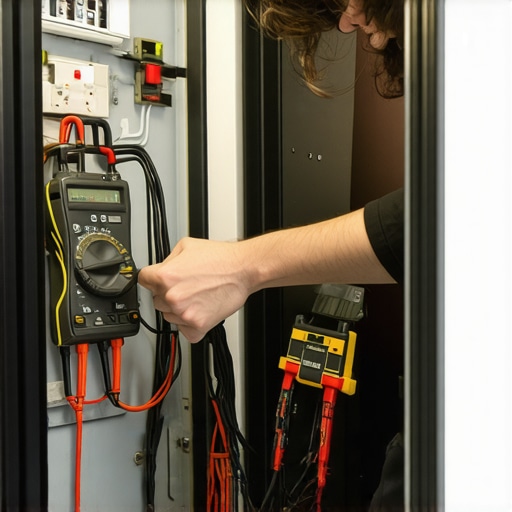
Image: A technician using a multimeter to diagnose an appliance fault. Alt: Technician testing appliance electrical components with multimeter. Title: Precision diagnosis with a multimeter can prevent costly repairs.
Lessons from the Trenches You Won’t Find Online
- I used to think all appliance issues could be fixed with a simple switch toggle or cleaning, but I learned that understanding the internal wiring and components is crucial to prevent further damage and voided warranties.
- Finally realizing that attempting complex repairs without consulting manufacturer guides or professional advice often leads to costly mistakes taught me the value of thorough research and patience.
- One of the biggest lightbulb moments was discovering that many warranty claims are denied due to improper repairs or lack of proper installation checks—emphasizing the importance of following precise procedures, like correctly leveling appliances or safeguarding electrical connections.
- From my experience, investing in quality diagnostic tools and referencing official manuals not only saves time but also ensures safety and keeps your appliance within warranty—making DIY both effective and secure.
- Learning that sometimes a problem isn’t the part itself, but a hidden wiring fault or control board malfunction, reminded me that a systematic approach is key—testing each component methodically can make all the difference.
My Toolbox for Troubleshooting and More
- Fluke 117 Multimeter: Trusted for its accuracy in diagnosing electrical faults, helping me prevent dangerous shorts or ineffective fixes.
- Appliance-Specific Manuals: Manufacturer digital guides provide detailed step-by-step instructions, which I rely on to avoid unintended warranty violations.
- Contact Cleaner and Basic Repair Kits: Simple tools that empower me to tackle minor switch or wiring issues confidently.
- Reliable Replacement Parts: Sourced from authorized dealers, ensuring compatibility and maintaining the appliance’s warranty integrity.
Stay Brave and Keep Your Appliances in Top Shape
“Your ability to troubleshoot confidently can transform frustrating appliance problems into quick fixes, saving you time and money while keeping your warranty intact. By approaching repairs with patience, proper tools, and proper knowledge, you become empowered to maintain your home’s appliances effectively. Remember, taking small but informed steps today can prevent bigger headaches tomorrow—so don’t hesitate to start diagnosing and fixing your appliances with confidence.”
What’s the most unexpected insight you’ve gained from repairing your appliances? Drop your story below—I’d love to hear it.