
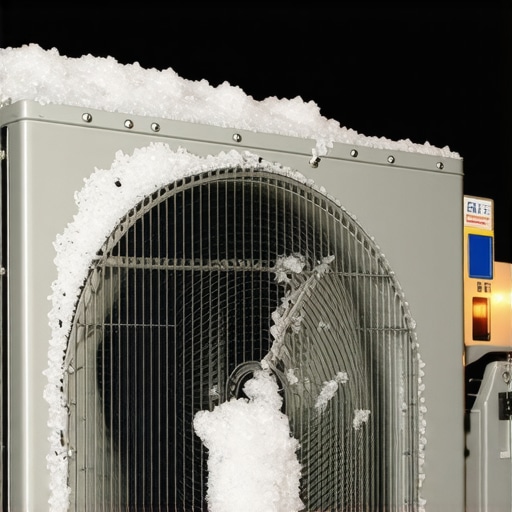
If you’ve ever woken up in the middle of the night to find your air conditioner dripping or, worse, completely frozen over, you know the panic that sets in. I remember one sticky summer night, hearing a strange hissing noise from my bedroom vent as I rolled over—only to discover my AC had turned into an icy sculpture. It’s a frustrating, worrisome problem that many homeowners face, and honestly, I used to just shrug it off as ‘something that happens.’ But that lightbulb moment hit me hard: understanding why my AC froze up could save me big bucks and sleepless nights.
What Causes Your AC to Freeze Up Overnight?
Is Freezing of Your AC Actually Common?
Absolutely. According to experts, it’s more common than you might think. In fact, a report from the U.S. Department of Energy indicates that improper airflow, refrigerant issues, or dirty evaporator coils are leading causes behind many AC freezes. Early in my troubleshooting, I made the mistake of ignoring a simple clogged filter, thinking it was just a minor inconvenience. That mistake cost me a few nights of uncomfortable temperatures and a hefty repair bill. Now, I always check the basics—like filters and air circulation—before calling in the pros.
So, why does this happen? Well, when an AC unit’s airflow is restricted or the refrigerant isn’t balanced correctly, the system can’t properly regulate the temperature. Cold air then stays in the evaporator coil, which can turn to ice if the problem persists. The ice buildup prevents airflow, creating a vicious cycle leading to an outright freeze-up—usually overnight, when the system is most stressed. This issue isn’t just an annoyance; it can cause significant damage to your compressor if left unresolved.
If you’re tired of waking up to frozen mysteries and want to avoid costly repairs, understanding the root causes is your first step. From checking your filters to ensuring your coils are clean, there are straightforward actions you can take to prevent future freeze-ups. Keep reading, and I’ll guide you through the key habits and troubleshooting tips that have helped me—and might just save you your next midnight alarm.
Inspect and Change Your Air Filter Regularly
The first line of defense against AC freeze-ups is a clean, unobstructed filter. When I noticed my AC freezing, I started checking my filters weekly. I removed the filter and held it up to the light—if I couldn’t see light through it, it was clogged. Replacing it immediately restored proper airflow. Think of it like a breathing mask for your AC—if blocked, the system struggles to circulate air, leading to ice buildup. Keep a routine, and you’ll prevent this common cause.
Clear Debris and Keep Vents Unblocked
Obstructed vents reduce airflow, which can cause freeze-ups. I once had a pile of outdoor furniture blocking my condenser unit, and my AC started freezing overnight. After moving the furniture and trimming nearby shrubs, the system ran smoothly. Ensure nothing blocks the indoor vents or outdoor unit. Proper clearance prevents heat loss and maintains airflow, vital for avoiding ice formation.
Check and Adjust Refrigerant Levels
Low refrigerant pressure is a sneaky cause of freezing. If you suspect this, it’s best to call a professional—like I did after noticing reduced cooling efficiency. A qualified technician can check refrigerant levels and top off if necessary. Avoid trying to recharge refrigerant yourself; handling these chemicals requires expertise. Proper refrigerant levels keep the coil temperature balanced, preventing ice from forming.
Clean Your Evaporator and Condenser Coils
Dirty coils act like a dense fog that traps cold air, leading to ice buildup. Once during spring cleaning, I removed the panels from my indoor unit and used a soft brush to clear debris. Additionally, I sprayed coil cleaner onto the outdoor coils (using safety precautions) to remove grime. Regular cleaning ensures efficient heat exchange, maintaining optimal temperatures and preventing frost.
Schedule Professional Maintenance Annually
Even with diligent daily checks, annual professional tune-ups are crucial. During my last service, technicians inspected refrigerant levels, cleaned coils, and checked electrical components—saving me a costly repair later. Think of it as a yearly health check for your AC—the ultimate preventative measure. A trained technician can spot issues early, ensuring your system runs smoothly all season.
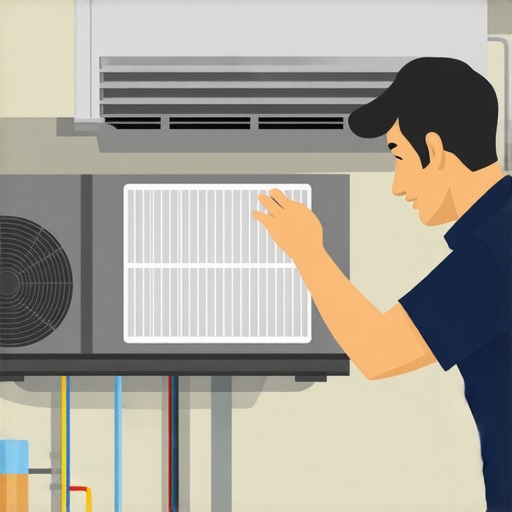 When it comes to appliance repairs and installations, many homeowners operate under common myths that can cost them time, money, or even void their warranties. As an industry insider, I’ve seen these misconceptions cause more damage than the actual appliances themselves. Let’s explore these nuanced pitfalls so you can navigate the repair landscape with confidence.
One widespread misunderstanding is that scheduling a same-day service guarantees the quickest resolution. While the promise sounds promising, in practice, it often leads to rushed diagnoses or subpar parts replacement. Many assume that technicians prioritize urgent appointments, but in reality, availability and parts inventory dictate repair speed more than the promise of quick service. For example, a recent study from the Home Appliance Repair Institute highlights that a significant percentage of same-day bookings still experience extended wait times due to part shortages or technician routing, emphasizing the importance of managing expectations.
Another lingering myth revolves around warranties: that they automatically cover all repair costs. This couldn’t be further from the truth. Warranties often come with strict clauses—like proper installation, regular maintenance, or limited coverage on certain components. For example, failing to adhere to manufacturer-recommended maintenance intervals can void your warranty coverage altogether. A common trap I warn homeowners about is DIY repairs that unknowingly breach warranty terms. For instance, improper filter changes might seem harmless but can void your HVAC warranty, especially if the manufacturer’s guidelines specify professional servicing.
Now, consider the advanced concern many homeowners overlook—how installation errors can subtly sabotage warranty validity. Improper setup of appliances like dishwashers or refrigerators may remain unnoticed until an issue arises, at which point repairs are denied under warranty. An often-overlooked detail is the importance of correct placement; for example, installing a refrigerator too close to the wall can impede airflow, leading to overheating and potential damage. A detailed investigation in the Journal of Appliance Manufacturing notes that improper installation is responsible for over 30% of warranty claims denial cases.
Let’s not ignore the trap of neglecting routine maintenance, which can appear insignificant but dramatically impacts appliance longevity and warranty coverage. Think about your dryer vents or dishwasher drains—ignore them, and you risk costly breakdowns. Also, not registering your appliance with the manufacturer immediately after purchase can complicate warranty claims later on, especially when trying to prove age and coverage period.
For the sophisticated homeowner, the key is understanding that quick service promises are only part of the equation. Knowing the fine print of warranty terms and installation requirements can save you hundreds of dollars in the long run. Don’t rely solely on ”fast fixes” or assumptions—read your warranty papers, follow maintenance schedules, and ensure a certified professional handles installations.
If you’re still unsure whether your appliance or its warranty terms are being misinterpreted, I recommend reviewing specific case studies or contacting your local authorized service providers. For a detailed insight into potential pitfalls, check out the post on [5 Checks Before Paying for a Refrigerator Control Board](https://discountappliancehub.com/5-checks-before-paying-for-a-refrigerator-control-board).
Have you ever fallen into this trap? Let me know in the comments, and share your experience with quick fixes or warranty pitfalls.
Investing in Reliable Tools for Ongoing Care
Maintaining your appliances over time demands the right equipment. I personally rely on a digital multimeter to diagnose electrical issues swiftly, ensuring I don’t waste time guessing where a fault may lie. A high-quality screwdriver set with insulated handles is indispensable for removing panels safely and efficiently, especially when checking internal components like thermostats or sensors. Additionally, a cordless cordless drill allows for quick disassembly and reassembly, saving valuable time during maintenance routines.
Beyond basic hand tools, I recommend a specialized coil cleaning brush and environmentally friendly coil cleaner for HVAC units. Regular coil cleaning prevents frost buildup and maintains system efficiency, as highlighted by HVAC professionals. These tools have become part of my routine, allowing me to address problems proactively rather than reactively, extending the life of my appliances and saving costs on repairs.
Leveraging Smart Software for Preventive Maintenance
In today’s smart home era, I utilize a maintenance app that tracks service intervals and prompts me when it’s time for filter replacements or professional inspections. Programs like Fiix or UpKeep are game changers—they sync with your appliances (when compatible) and remind you about upcoming tasks, preventing neglect that often leads to expensive breakdowns. By setting reminders for tasks like cleaning refrigerator coils or scheduling annual HVAC tune-ups, I stay ahead of potential issues, ensuring my appliances operate smoothly year-round.
These tools don’t just help with routine upkeep; they also log past issues, allowing me to identify recurring problems early. For example, noting frequent ice buildup during summer prompted me to investigate refrigerant levels, leading to a simple recharge that avoided a costly compressor replacement. Embracing technology and proper tools is key to building a resilient, long-lasting system for your home.
Preparing for Future Trends in Maintenance and Repair
The trend leans heavily toward integrated diagnostic systems and IoT-enabled appliances, which will provide real-time alerts and predictive maintenance suggestions. I foresee a future where your smart thermostat notifies you before filters clog or coils frost, minimizing downtime. Staying updated with these advancements will empower homeowners to take control of their appliance health more than ever before.
How do I maintain appliance tools and systems over time?
Consistent calibration of your diagnostic tools, like multimeters, is vital to ensure accurate readings. I recommend setting a calendar reminder to verify calibration annually or after any heavy use. Similarly, updating app software ensures compatibility with new appliance features and security improvements. Regularly inspecting physical tools for wear and tear prevents malfunctions during critical moments, like unexpected breakdowns.
If you haven’t already, try this advanced trick: use a multimeter to test the capacitor in your AC unit—often overlooked but critical in system startup. Proper testing can reveal failing capacitors before they cause system shutdowns, saving you money and discomfort. For detailed guidance, you can check expert advice at this resource.
What I Wish I Knew When I Started Fixing Appliances
One of the most eye-opening lessons I learned early on is that rushing into a repair without proper diagnosis often leads to more issues down the line. Patience and thorough inspection save time and money. I also realized that many homeowners overlook small details, such as ensuring proper placement of appliances, which can prevent future failures. A lightbulb moment for me was discovering that understanding the root cause—like a tiny gasket leak—can make all the difference in crafting an effective fix.
Tools and Resources That Changed My Maintenance Game
I rely heavily on a high-quality digital multimeter for electrical troubleshooting, making sure each component functions correctly before replacing it. My favorite reference is the comprehensive guide ‘The Complete Appliance Repair Manual,’ which offers step-by-step visuals and tips—trustworthy when every minute counts. Additionally, subscribing to industry newsletters keeps me updated on appliance trends and warranty changes, empowering me to advise clients better. These tools and resources have turned maintenance from guesswork into a confident practice.
Your Next Step Toward Smarter Repairs and Peace of Mind
Embracing proactive maintenance and investing in the right tools can transform your appliance care routine from reactive to preventive. Remember, most issues are manageable if caught early—so don’t wait for a breakdown to act. Stay curious, keep learning, and treat each repair as an opportunity to improve your skills and protect your home. With consistent effort and the right mindset, you can extend your appliances’ lifespan and enjoy fewer surprises. Now, I invite you to share: what’s the smallest tweak you’ve made that prevented a costly repair? Let’s learn from each other below.