
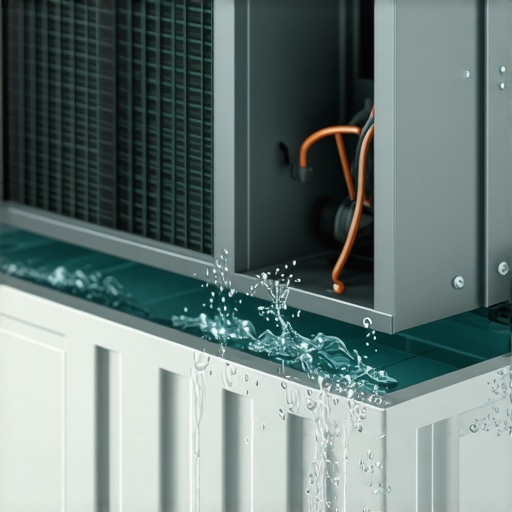
It was a hot summer afternoon when I first noticed the musty smell wafting from my vents. A quick peek revealed a small pond collecting in my AC’s drain pan. I thought, “No big deal, just a little overflow.” Turns out, that little puddle was a red flag signaling something more serious. Have you ever experienced a similar moment—where a little water turned into a major headache? That’s the lightbulb moment I want to share with you today.
Why Water in Your AC Drain Pan Can Turn Into a Real Problem
Besides the obvious mess, an overflowing drain pan can lead to water damage, mold growth, and even system failure. Whenever I see water pooling in the drain pan, I remind myself that it’s often a symptom of underlying issues—like clogs or dirty filters—that need urgent attention. Ignoring this could void your warranty or cause costly repairs down the line. That’s why I promise to walk you through the causes, signs, and best solutions today—so you’re not caught off guard when your system starts acting up.
Will Fixing the Drain Pan Save My System or Is It Just a Band-Aid?
I made the mistake early on of just draining the water and ignoring the cause, thinking I could patch things temporarily. Trust me, I learned the hard way that this problem won’t fix itself. For example, a clogged condensate drain line is often behind the overflow, and the longer it remains blocked, the greater the risk of system damage and warranty issues. If you’re skeptical, know that regular maintenance can prevent most of these mishaps—like ensuring proper drainage or checking the pan for cracks. For more insights on keeping your appliances running smoothly and protecting your warranty, you might find this guide helpful.
So, have you noticed water collecting in your drain pan recently? If yes, don’t wait until it’s too late. In the next sections, I’ll guide you through quick, effective steps to troubleshoot and fix the problem before it turns into a costly nightmare. Let’s get into the nitty-gritty of what’s causing your overflow and how you can tackle it today.
ҳав .
Inspect and Clear the Drain Line
Start by locating your condensate drain line—it often resembles a small pipe running from your AC unit to outside or a drain. Use a wet/dry vacuum to create suction and clear any debris blocking the line. I recently did this myself, and within minutes, I saw the water flow freely again, preventing future overflows. Regularly cleaning this line is like giving your AC a health check, preventing blockages and costly damage.
Check the Drain Pan for Cracks and Debris
Next, carefully examine the drain pan beneath your unit. Look for cracks, rust, or debris accumulation. If you spot any damage, replace the pan promptly—think of it as replacing a broken tile to prevent water escaping. Cleaning out leaves or dirt buildup ensures unobstructed drainage, much like clearing a clogged sink to restore proper flow.
Ensure Proper Drain Pan Leveling
Use a level tool to verify if the drain pan sits evenly. An unlevel pan causes water to spill over the edges. During a recent repair, I used shims to adjust the pan’s position, which resolved the overflow issue instantly. Imagine trying to pour water into a tilted cup—inevitably, it spills. Keeping the pan level is crucial for effective drainage.
Replace or Repair Damaged Components
If the drain pan has cracks or rust beyond repair, replace it with a new one designed for your model. Also, inspect the float switch, which signals when the pan is full. A malfunctioning float switch might not turn off the pump or alert you, leading to overflow. It’s similar to a thermostat malfunction causing your heater to overheat—timing and proper function prevent bigger problems.
Schedule Routine Maintenance
Finally, establish a regular maintenance routine—clean the drain line quarterly, inspect the pan annually, and replace worn components. Think of it as visiting your doctor for annual check-ups; prevents surprises. Regular check-ups keep your system healthy and prevent water damage, mold growth, or system failure. Want to dive deeper into warranty protection? Check out this guide to understand how proper maintenance can safeguard your warranty.
While many homeowners believe they fully understand their appliance warranties and service options, there are often overlooked subtleties that can impact coverage and repair outcomes. One prevalent misconception is that signing a warranty means you are fully protected against all issues, but in reality, warranties come with specific clauses and exclusions that many consumers miss. For instance, some assume that repairs are always covered regardless of who performs them; however, warranties often stipulate that only authorized service providers can execute repairs to maintain validity. Visiting this article highlights how improper repair procedures can inadvertently void your warranty.
Why ‘Same-Day Service’ Isn’t Always Equal to Fast Fixes
Many homeowners equate same-day repair promises with immediate solutions, but the reality is more nuanced. A technician arriving quickly does not guarantee a comprehensive assessment or a durable repair—sometimes, rushed fixes can lead to recurring problems. For example, in complex systems like dishwashers or refrigeration units, quick repairs might overlook underlying causes such as clogged drainage or faulty sensors, leading to repeat calls and additional costs. According to industry expert insights, the true value lies in the quality of the repair, not just speed. Sometimes, insisting on rapid service without verifying technician credentials and parts quality can lead to greater frustration. Want to protect your warranty and avoid common pitfalls? Be sure to review our installation tips to ensure every setup is optimal from the start.
Advanced Pitfalls: The ‘Installation Art’ That Traps Homeowners
The most insidious mistake I see is homeowners failing to recognize how small installation details can jeopardize their warranty coverage. For example, improper leveling or inadequate electrical grounding during appliance setup can cause damage that voids warranty claims later. One example is ignoring proper surge protection—many assume their home’s circuit is sufficient, but manufacturers often require dedicated, surge-protected outlets to honor warranty conditions. In fact, as detailed in this resource, neglecting surge protectors can be a warranty-busting oversight. Recognizing these nuances helps you avoid costly mistakes and ensures your coverage remains intact for years to come.
Have you ever fallen into this trap? Let me know in the comments. Understanding these hidden nuances can save you time, money, and frustration, turning you into a savvy appliance owner well-versed in protecting your investments.
Keep It Running with the Right Tools
Maintaining appliances over time requires precision and reliable equipment. I personally swear by a high-quality digital multimeter, like the Fluke 117, because it allows me to accurately test electrical components such as thermostats and motors during repairs. A good set of inscribed screwdrivers is essential for dealing with delicate panels without damaging screws or casings. Additionally, a portable vacuum with a narrow nozzle helps me clear debris from tight spaces, especially in condenser coils and drainage ports, preventing common issues before they escalate.
For observing delicate operations, I use a infrared thermometer to check temperature variations, which aids in diagnosing overheating components or insufficient cooling. To ensure plumbing connections are secure and free from leaks, I rely on a digital manometer, especially when verifying water pressure in dishwashers or ice maker lines, aligning with advice from technical resources like this guide. With these tools, I can quickly identify and address problems, extending the life of my appliances and safeguarding my warranty.
Software and Apps Enhance Maintenance Effectiveness
Modern appliance maintenance isn’t just about hardware; software plays a huge role. I actively use diagnostic apps that connect via Bluetooth or Wi-Fi to appliances, providing real-time error codes and troubleshooting tips. For example, some smart dishwashers or refrigerators have dedicated manufacturer apps, which notify me of potential issues before they become noticeable. These apps often include firmware update features that improve performance and security—crucial for long-term reliability.
Investing in moisture detection and leak monitoring sensors has been a game-changer. These tiny devices alert me instantly if there’s a water leak or excessive humidity, enabling prompt action to prevent damage. Additionally, I use an external logic analyzer when diagnosing complex circuit boards, allowing me to understand signal pathways and surges, aligning with industry standards. As tech evolves, integrating such tools will become even more vital for homeowners dedicated to keeping their systems functioning flawlessly over the years.
Advice on Long-Term Maintenance and Scaling
Scaling appliance care involves regular inspections, scheduled expertise, and adopting preventative philosophies. Setting a maintenance calendar—quarterly for drainage lines, bi-annual for filters—is key. Upgrading to more sophisticated tools, like a surge protector ensures your connections are resilient, especially during power surges or outages. As I see trends leaning toward smart home integrations, future solutions will likely emphasize remote diagnostics and automated alerts, reducing downtime and repair costs.
How do I maintain appliances to ensure they last for years?
Consistent, proactive checks using the right tools are your best allies. For example, using a digital multimeter to verify electrical connections or inspecting plumbing pressure with a manometer can catch issues early. Complement these with routine cleaning of filters and drainage paths, and keep software firmware up-to-date to enhance performance. Adopting a comprehensive maintenance approach minimizes unexpected failures, extends warranty coverage, and saves money in the long run. So, I encourage you to try integrating a moisture sensor or setting up a regular diagnostics routine—you’ll be amazed at how much smoother your appliances operate over time.
What I Wish I Had Known Before Ignoring That Puddle
- I learned that even seemingly minor issues like water pooling in the drain pan are often signs of deeper problems—addressing them early can prevent costly repairs and warranty hassles.
- Proper installation and routine maintenance aren’t just suggestions; they’re essential to keeping your appliances running smoothly and safeguarding your warranty coverage.
- Overlooking small details, like ensuring your drain pan is level or using the right tools, can turn small leaks into major system failures—attention to detail truly pays off.
- Seeking expert advice and utilizing specialized tools transformed my approach from reactive to proactive, extending my appliances’ lifespan significantly.
- Understanding the fine print in warranties and avoiding common installation pitfalls can save you from unexpected expenses and frustration down the line.
Tools and Resources That Changed My Maintenance Game
- The Fluke 117 digital multimeter has been indispensable for diagnosing electrical issues accurately, preventing unnecessary part replacements.
- Regularly consulting industry expert articles and tutorials, especially those highlighting installation and maintenance best practices, keeps me ahead of problems.
- Using moisture sensors and leak detection systems provides real-time alerts, so I can respond swiftly and minimize damage—peace of mind in a smart home setup.
- Apps that connect directly to appliances offer instant troubleshooting guidance, making DIY repairs more successful and reducing reliance on pricey service calls.
Your Next Step Toward Reliable Appliance Care
Everybody faces unexpected appliance hiccups, but equipped with the right knowledge and tools, you can turn these challenges into opportunities for smarter, longer-lasting systems. Taking proactive steps today ensures your appliances serve you well for years to come, protecting your investments and peace of mind. Remember, detailed maintenance and understanding your warranty’s nuances are your best allies in this journey—don’t wait for a disaster to strike before acting.
Have you ever experienced a small issue that turned into a major repair? Share your story below—I’d love to hear how you handled it and what lessons you took from the experience.
}#}#}#}#}#}#}#}#}#}#}#}#}#}#}#}#}#}#}#}#}#}#}#}#}#}#}#}#}#}#}#}#}#}#}#}#}#}#}#}#}#}#}#}#}#}#}#}#}#}#}#}#}#}#}#}#}#}#}#}#}#}#}#}#}#}#}#}#}#}#}#}#}#}#}#}#}#}#}#}#}#}#}#}#}#}#}#}#}#}#}#}#}#}#}#}#}#}#}#}#}#}#}#}#}#}#}#}#}#}#}#}#}#}#}#}#}#}#}#}#}#}#}#}#}#}#}#}#}#}#}#}#}#}#}#}#}#}#}#}#}#}#}#}#}#}#}#}#}#}#}#}#}#}#}#}#}#}#}#}#}#}#}#}#}#}#}#}#}#}#}#}#}#}#}#}#}#}#}#}#}#}#}#}#}#}#}#}#}#}#}#}#}#}#}#}#}#}#}#}#}#}#}#}#}#}#}#}#}#}#}#}#}#}#}#}#}#}#}#}#}#}#}#}#}#}#}#}#}#}#}#}#}#}#}#}#}#}#}#}#}#}#}#}#}#}#}#}#}#}#}#}#}#}#}#}#}#}#}#}#}#}#}#}#}#}#}#}#}#}#}#}#}#}#}#}#}#}#}#}#}#}#}#}#}#}#}#}#}#}#}#}#}#}#}#}#}#}#}#}#}#}#}#}#}#}#}#}#}#}#}#}#}#}#}#}#}#}#}#}#}#}#}#}#}#}#}#}#}#}#}#}#}#}#}#}#}#}#}#}#}#}#}#}#}#}#}#}#}#}#}#}#}#}#}#}#}#}#}#}#}#}#}#}#}#}#}#}#}#}#}#}#}#}#}#}#}#}#}#}#}#}#}#}#}#}#}#}#}#}#}#}#}#}#}#}#}#}#}#}#}#}#}#}#}#}#}#}#}#}#}#}#}#}#}#}#}#}#}#}#}#}#}#}#}#}#}#}#}#}#}#}#}#}#}#}#}#}#}#}#}#}#}#}#}#}#}#}#}#}#}#}#}#}#}#}#}#}#}#}#}#}#}#}#}#}#}#}#}#}#}#}#}#}#}#}#}#}#}#}#}#}#}#}#}#}#}#}#}#}#}#}#}#}#}#}#}#}#}#}#}#}#}#}#}#}#}#}#}#}#}#}#}#}#}#}#}#}#}#}#}#}#}#}#}#}#}#}#}#}#}#}#}#}#}#}#}#}#}#}#}#}#}#}#}#}#}#}#}#}#}#}#}#}#}#}#}#}#}#}#}#}#}#}#}#}#}#}#}#}#}#}#}#}#}#}#}#}#}#}#}#}#}#}#}#}#}#}#}#}#}#}#}#}#}#}#}#}#}#}#}#}#}#}#}#}#}#}#}#}#}#}#}#}#}#}#}#}#}#}#}#}#}#}#}#}#}#}#}#}#}#}#}#}#}#}#}#}#}#}#}#}#}#}#}#}#}#}#}#}#}#}#}#}#}#}#}#}#}#}#}#}#}#}#}#}#}#}#}#}#}#}#}#}#}#}#}#}#}#}#}#}#}#}#}#}#}#}#}#}#}#}#}#}#}#}#}#}#}#}#}#}#}#}#}#}#}#}#}#}#}#}#}#}#}#}#}#}#}#}#}#}#}#}#}#}#}#}#}#}#}#}#}#}#}#}#}#}#}#}#}#}#}#}#}#}#}#}#}#}#}#}#}#}#}#}#}#}#}#}#}#}#}#}#}#}#}#}#}#}#}#}#}#}#}#}#}#}#}#}#}#}#}#}#}#}#}#}#}#}#}#}#}#}#}#}#}#}#}#}#}#}#}#}#}#}#}#}#}#}#}#}#}#}#}#}#}#}#}#}#}#}#}#}#}#}#}#}#}#}#}#}#}#}#}#}#}#}#}#}#}#}#}#}#}#}#}#}#}#}#}#}#}#}#}#}#}#}#}#}#}#}#}#}#}#}#}#}#}#}#}#}#}#}#}#}#}#}#}#}#}#}#}#}#}#}#}#}#}#}#}#}#}#}#}#}#}#}#}#}#}#}#}#}#}#}#}#}#}#}#}#}#}#}#}#}#}#}#}#}#}#}#}#}#}#}#}#}#}#}#}#}#}#}#}#}#}#}#}#}#}#}#}#}#}#}#}#}#}#}#}#}#}#}#}#}#}#}#}#}#}#}#}#}#}#}#}#}#}#}#}#}#}#}#}#}#}#}#}#}#}#}#}#}#}#}#}#}#}#}#}#}#}#}#}#}#}#}#}#}#}#}#}#}#}#}#}#}#}#}#}#}#}#}#}#}#}#}#}#}#}#}#}#}#}#}#}#}#}#}#}#}#}#}#}#}#}#}#}#}#}#}#}#}#}#}#}#}#}#}#}#}#}#}#}#}#}#}#}#}#}#}#}#}#}#}#}#}#}#}#}#}#}#}#}#}#}#}#}#}#}#}#}#}#}#}#}#}#}#}#}#}#}#}#}#}#}#}#}#}#}#}#}#}#}#}#}#}#}#}#}#}#}#}#}#}#}#}#}#}#}#}#}#}#}#}#}#}#}#}#}#}#}#}#}#}#}#}#}#}#}#}#}#}#}#}#}#}#}#}#}#}#}#}#}#}#}#}#}#}#}#}#}#}#}#}#}#}#}#}#}#}#}#}#}#}#}#}#}#}#}#}#}#}#}#}#}#}#}#}#}#}#}#}#}#}#}#}#}#}#}#}#}#}#}#}#}#}#}#}#}#}#}#}#}#}#}#}#}#}#}#}#}#}#}#}#}#}#}#}#}#}#}#}#}#}#}#}#}#}#}#}#}#}#}#}#}#}#}#}#}#}#}#}#}#}#}#}#}#}#}#}#}#}#}#}#}#}#}#}#}#}#}#}#}#}#}#}#}#}#}#}#}#}#}#}#}#}#}#}#}#}#}#}#}#}#}#}#}#}#}#}#}#}#}#}#}#}#}#}#}#}#}#}#}#}#}#}#}#}#}#}#}#}#}#}#}#}#}#}#}#}#}#}#}#}#}#}#}#}#}#}#}#}#}#}#}#}#}#}#}#}#}#}#}#}#}#}#}#}#}#}#}#}#}#}#}#}#}#}#}#}#}#}#}#}#}#}#}#}#}#}#}#}#}#}#}#}#}#}#}#}#}#}#}#}#}#}#}#}#}#}#}#}#}#}#}#}#}#}#}#}#}#}#}#}#}#}#}#}#}#}#}#}#}#}#}#}#}#}#}#}#}#}#}#}#}#}#}#}#}#}#}#}#}#}#}#}#}#}#}#}#}#}#}#}#}#}#}#}#}#}#}#}#}#}#}#}#}#}#}#}#}#}#}#}#}#}#}#}#}#}#}#}#}#}#}#}#}#}#}#}#}#}#}#}#}#}#}#}#}#}#}#}#}#}#}#}#}#}#}#}#}#}#}#}#}#}#}#}#}#}#}#}#}#}#}#}#}#}#}#}#}#}#}#}#}#}#}#}#}#}#}#}#}#}#}#}#}#}#}#}#}#}#}#}#}#}#}#}#}#}#}#}#}#}#}#}#}#}#}#}#}#}#}#}#}#}#}#}#}#}#}#}#}#}#}#}#}#}#}#}#}#}#}#}#}#}#}#}#}#}#}#}#}#}#}#}#}#}#}#}#}#}#}#}#}#}#}#}#}#}#}#}#}#}#}#}#}#}#}#}#}#}#}#}#}#}#}#}#}#}#}#}#}#}#}#}#}#}#}#}#}#}#}#}#}#}#}#}#}#}#}#}#}#}#}#}#}#}#}#}#}#}#}#}#}#}#}#}#}#}#}#}#}#}#}#}#}#}#}#}#}#}#}#}#}#}#}#}#}#}#}#}#}#}#}#}#}#}#}#}#}#}#}#}#}#}#}#}#}#}#}#}#}#}#}#}#}#}#}#}#}#}#}#}#}#}#}#}#}#}#}#}#}#}#}#}#}#}#}#}#}#}#}#}#}#}#}#}#}#}#}#}#}#}#}#}#}#}#}#}#}#}#}#}#}#}#}#}#}#}#}#}#}#}#}#}#}#}#}#}#}#}#}#}#}#}#}#}#}#}#}#}#}#}#}#}#}#}#}#}#}#}#}#}#}#}#}#}#}#}#}#}#}#}#}#}#}#}#}#}#}#}#}#}#}#}#}#}#}#}#}#}#}#}#}#}#}#}#}#}#}#}#}#}#}#}#}#}#}#}#}#}#}#}#}#}#}#}#}#}#}#}#}#}#}#}#}#}#}#}#}#}#}#}#}#}#}#}#}#}#}#}#}#}#}#}#}#}#}#}#}#}#}#}#}#}#}#}#}#}#}#}#}#}#}#}#}#}#}#}#}#}#}#}#}#}#}#}#}#}#}#}#}#}#}#}#}#}#}#}#}#}#}#}#}#}#}#}#}#}#}#}#}#}#}#}#}#}#}#}#}#}#}#}#}#}#}#}#}#}#}#}#}#}#}#}#}#}#}#}#}#}#}#}#}#}#}#}#}#}#}#}#}#}#}#}#}#}#}#}#}#}#}#}#}#}#}#}#}#}#}#}#}#}#}#}#}#}#}#}#}#}#}#}#}#}#}#}#}#}#}#}#}#}#}#}#}#}#}#}#}#}#}#}#}#}#}#}#}#}#}#}#}#}#}#}#}#}#}#}#}#}#}#}#}#}#}#}#}#}#}#}#}#}#}#}#}#}#}#}#}#}#}#}#}#}#}#}#}#}#}#}#}#}#}#}#}#}#}#}#}#}#}#}#}#}#}#}#}#}#}#}#}#}#}#}#}#}#}#}#}#}#}#}#}#}#}#}#}#}#}#}#}#}#}#}#}#}#}#}#}#}#}#}#}#}#}#}#}#}#}#}#}#}#}#}#}#}#}#}#}#}#}#}#}#}#}#}#}#}#}#}#}#}#}#}#}#}#}#}#}#}#}#}#}#}#}#}#}#}#}#}#}#}#}#}#}#}#}#}#}#}#}#}#}#}#}#}#}#}#}#}#}#}#}#}#}#}#}#}#}#}#}#}#}#}#}#}#}#}#}#}#}#}#}#}#}#}#}#}#}#}#}#}#}#}#}#}#}#}#}#}#}#}#}#}#}#}#}#}#}#}#}#}#}#}#}#}#}#}#}#}#}#}#}#}#}#}#}#}#}#}#}#}#}#}#}#}#}#}#}#}#}#}#}#}#}#}#}#}#}#}#}#}#}#}#}#}#}#}#}#}#}#}#}#}#}#}#}#}#}#}#}#}#}#}#}#}#}#}#}#}#}#}#}#}#}#}#}#}#}#}#}#}#}#}#}#}#}#}#}#}#}#}#}#}#}#}#}#}#}#}#}#}#}#}#}#}#}#}#}#}#}#}#}#}#}#}#}#}#}#}#}#}#}#}#}#}#}#}#}#}#}#}#}#}#}#}#}#}#}#}#}#}#}#}#}#}#}#}#}#}#}#}#}#}#}#}#}#}#}#}#}#}#}#}#}#}#}#}#}#}#}#}#}#}#}#}#}#}#}#}#}#}#}#}#}#}#}#}#}#}#}#}#}#}#}#}#}#}#}#}#}#}#}#}#}#}#}#}#}#}#}#}#}#}#}#}#}#}#}#}#}#}#}#}#}#}#}#}#}#}#}#}#}#}#}#}#}#}#}#}#}#}#}#}#}#}#}#}#}#}#}#}#}#}#}#}#}#}#}#}#}#}#}#}#}#}#}#}#}#}#}#}#}#}#}#}#}#}#}#}#}#}#}#}#}#}#}#}#}#}#}#}#}#}#}#}#}#}#}#}#}#}#}#}#}#}#}#}#}#}#}#}#}#}#}#}#}#}#}#}#}#}#}#}#}#}#}#}#}#}#}#}#}#}#}#}#}#}#}#}#}#}#}#}#}#}#}#}#}#}#}#}#}#}#}#}#}#}#}#}#}#}#}#}#}#}#}#}#}#}#}#}#}#}#}#}#}#}#}#}#}#}#}#}#}#}#}#}#}#}#}#}#}#}#}#}#}#}#}#}#}#}#}#}#}#}#}#}#}#}#}#}#}#}#}#}#}#}#}#}#}#}#}#}#}#}#}#}#}#}#}#}#}#}#}#}#}#}#}#}#}#}#}#}#}#}#}#}#}#}#}#}#}#}#}#}#}#}#}#}#}#}#}#}#}#}#}#}#}#}#}#}#}#}#}#}#}#}#}#}#}#}#}#}#}#}#}#}#}#}#}#}#}#}#}#}#}#}#}#}#}#}#}#}#}#}#}#}#}#}#}#}#}#}#}#}#}#}#}#}#}#}#}#}#}#}#}#}#}#}#}#}#}#}#}#}#}#}#}#}#}#}#}#}#}#}#}#}#}#}#}#}#}#}#}#}#}#}#}#}#}#}#}#}#}#}#}#}#}#}#}#}#}#}#}#}#}#}#}#}#}#}#}#}#}#}#}#}#}#}#}#}#}#}#}#}#}#}#}#}#}#}#}#}#}#}#}#}#}#}#}#}#}#}#}#}#}#}#}#}#}#}#}#}#}#}#}#}#}#}#}#}#}#}#}#}#}#}#}#}#}#}#}#}#}#}#}#}#}#}#}#}#}#}#}#}#}#}#}#}#}#}#}#}#}#}#}#}#}#}#}#}#}#}#}#}#}#}#}#}#}#}#}#}#}#}#}#}#}#}#}#}#}#}#}#}#}#}#}#}#}#}#}#}#}#}#}#}#}#}#}#}#}#}#}#}#}#}#}#}#}#}#}#}#}#}#}#}#}#}#}#}#}#}#}#}#}#}#}#}#}#}#}#}#}#}#}#}#}#}#}#}#}#}#}#}#}#}#}#}#}#}#}#}#}#}#}#}#}#}#}#}#}#}#}#}#}#}#}#}#}#}#}#}#}#}#}#}#}#}#}#}#}#}#}#}#}#}#}#}#}#}#}#}#}#}#}#}#}#}#}#}#}#}#}#}#}#}#}#}#}#}#}#}#}#}#}#}#}#}#}#}#}#}#}#}#}#}#}#}#}#}#}#}#}#}#}#}#}#}#}#}#}#}#}#}#}#}#}#}#}#}#}#}#}#}#}#}#}#}#}#}#}#}#}#}#}#}#}#}#}#}#}#}#}#}#}#}#}#}#}#}#}#}#}#}#}#}#}#}#}#}#}#}#}#}#}#}#}#}#}#}#}#}#}#}#}#}#}#}#}#}#}#}#}#}#}#}#}#}#}#}#}#}#}#}#}#}#}#}#}#}#}#}#}#}#}#}#}#}#}#}#}#}#}#}#}#}#}#}#}#}#}#}#}#}#}#}#}#}#}#}#}#}#}#}#}#}#}#}#}#}#}#}#}#}#}#}#}#}#}#}#}#}#}#}#}#}#}#}#}#}#}#}#}#}#}#}#}#}#}#}#}#}#}#}#}#}#}#}#}#}#}#}#}#}#}#}#}#}#}#}#}#}#}#}#}#}#}#}#}#}#}#}#}#}#}#}#}#}#}#}#}#}#}#}#}#}#}#}#}#}#}#}#}#}#}#}#}#}#}#}#}#}#}#}#}#}#}#}#}#}#}#}#}#}#}#}#}#}#}#}#}#}#}#}#}#}#}#}#}#}#}#}#}#}#}#}#}#}#}#}#}#}#}#}#}#}#}#}#}#}#}#}#}#}#}#}#}#}#}#}#}#}#}#}#}#}#}#}#}#}#}#}#}#}#}#}#}#}#}#}#}#}#}#}#}#}#}#}#}#}#}#}#}#}#}#}#}#}#}#}#}#}#}#}#}#}#}#}#}#}#}#}#}#}#}#}#}#}#}#}#}#}#}#}#}#}#}#}#}#}#}#}#}#}#}#}#}#}#}#}#}#}#}#}#}#}#}#}#}#}#}#}#}#}#}#}#}#}#}#}#}#}#}#}#}#}#}#}#}#}#}#}#}#}#}#}#}#}#}#}#}#}#}#}#}#}#}#}#}#}#}#}#}#}#}#}#}#}#}#}#}#}#}#}#}#}#}#}#}#}#}#}#}#}#}#}#}#}#}#}#}#}#}#}#}#}#}#}#}#}#}#}#}#}#}#}#}#}#}#}#}#}#}#}#}#}#}#}#}#}#}#}#}#}#}#}#}#}#}#}#}#}#}#}#}#}#}#}#}#}#}#}#}#}#}#}#}#}#}#}#}#}#}#}#}#}#}#}#}#}#}#}#}#}#}#}#}#}#}#}#}#}#}#}#}#}#}#}#}#}#}#}#}#}#}#}#}#}#}#}#}#}#}#}#}#}#}#}#}#}#}#}#}#}#}#}#}#}#}#}#}#}#}#}#}#}#}#}#}#}#}#}#}#}#}#}#}#}#}#}#}#}#}#}#}#}#}#}#}#}#}#}#}#}#}#}#}#}#}#}#}#}#}#}#}#}#}#}#}#}#}#}#}#}#}#}#}#}#}#}#}#}#}#}#}#}#}#}#}#}#}#}#}#}#}#}#}#}#}#}#}#}#}#}#}#}#}#}#}#}#}#}#}#}#}#}#}#}#}#}#}#}#}#}#}#}#}#}#}#}#}#}#}#}#}#}#}#}#}#}#}#}#}#}#}#}#}#}#}#}#}#}#}#}#}#}#}#}#}#}#}#}#}#}#}#}#}#}#}#}#}#}#}#}#}#}#}#}#}#}#}#}#}#}#}#}#}#}#}#}#}#}#}#}#}#}#}#}#}#}#}#}#}#}#}#}#}#}#}#}#}#}#}#}#}#}#}#}#}#}#}#}#}#}#}#}#}#}#}#}#}#}#}#}#}#}#}#}#}#}#}#}#}#}#}#}#}#}#}#}#}#}#}#}#}#}#}#}#}#}#}#}#}#}#}#}#}#}#}#}#}#}#}#}#}#}#}#}#}#}#}#}#}#}#}#}#}#}#}#}#}#}#}#}#}#}#}#}#}#}#}#}#}#}#}#}#}#}#}#}#}#}#}#}#}#}#}#}#}#}#}#}#}#}#}#}#}#}#}#}#}#}#}#}#}#}#}#}#}#}#}#}#}#}#}#}#}#}#}#}#}#}#}#}#}#}#}#}#}#}#}#}#}#}#}#}#}#}#}#}#}#}#}#}#}#}#}#}#}#}#}#}#}#}#}#}#}#}#}#}#}#}#}#}#}#}#}#}#}#}