
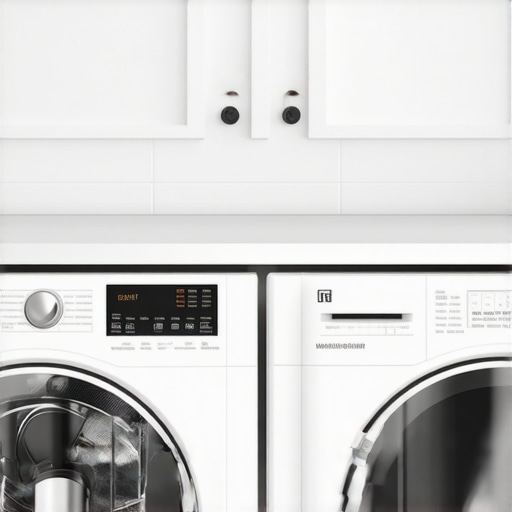
It was a typical Saturday afternoon when I opened my laundry room door to a puzzling sight: my dryer had stopped mid-cycle, and there was a faint burning smell. The damn thing had only been in use for a year! I scratched my head, feeling that familiar twinge of frustration—a problem that seemed to pop up more often than it should. Then it hit me: why was my dryer vent clogging so quickly compared to my neighbor’s, even though we live in the same neighborhood and use identical appliances? That lightbulb moment set me on a journey to understand this common yet perplexing issue.
The Hidden Culprit Behind Rapid Dryer Vent Clogs
I’ve come to realize that many homeowners face this dilemma—dryer vents that seem to clog quicker than they should, leading to longer drying times, higher energy bills, and potential fire hazards. Today, I promise to share the insights I’ve gathered from personal experience and expert advice to help you prevent those frustrating, sudden breakdowns. We’ll explore the actual causes and simple steps to keep your vent clear longer, saving you money and peace of mind.
Is Your Vent Clogging Faster Than It Should?
Here’s a mistake I made early on: I ignored regular maintenance thinking, “It’ll be fine for now.” That was a rookie error. Experts say that a clogged dryer vent is one of the top causes of household fires, accounting for nearly 3,200 home fires annually, many linked to failure to clean vents (source: National Fire Protection Association). Trust me, neglecting this simple task can put your home at risk. Stay tuned, because I will show you why your vent is clogging so rapidly and what you can do about it—before it’s too late. Now, let’s get to the root of the problem and turn those dreaded issues into manageable maintenance tasks.
Inspect and Clear the Vent Regularly
Start by checking your dryer vent every few months. I once ignored this step until my dryer stopped abruptly, and when I pulled the vent free, it was packed with lint. To prevent this, disconnect the vent from the back of the dryer, and use a long brush or vacuum attachment to remove debris. Reattach securely and test the dryer. Doing this routinely, like I did with a messy but successful cleaning, keeps airflow unimpeded and reduces fire risks.
Match Vent Length to Manufacturer Recommendations
Every dryer has a maximum recommended vent length, often around 25 feet, with deductions for elbows and turns. I once installed an overly lengthy pipe with multiple bends, thinking it wouldn’t matter. The result? Longer drying times and faster lint buildup. Use a tape measure to plan your ductwork, ensuring it meets the specifications. Shorter, straight runs promote better airflow and lessen clogging. For complicated setups, consider less elbow angles or professional installation that adheres to safety standards.
Utilize Proper Vent Materials and Connectors
Not all materials are equal; flexible plastic or foil ducts are common culprits for restricting airflow. I switched to rigid metal ducts upon seeing how much lint could be caught in flexible tubing, and my dryer performance improved noticeably. Connect all sections tightly using clamps, and avoid kinking or crushing the duct. This way, lint doesn’t escape into inaccessible areas, and airflow remains steady, preventing rapid clogging. When in doubt, professional fitting guarantees secure, code-compliant connections.
Consider Installing a Lint Trap or Filter
Adding a lint trap midway can trap larger debris before it reaches the main vent. I tested a portable lint filter on my vent and found it caught a surprising amount of lint, extending the interval between deep cleans. These accessories are easy to install—just attach them securely and empty regularly. Combined with routine inspections, they act as an extra defense against premature buildup.
Schedule Professional Maintenance and Inspections
Every couple of years, have a qualified technician perform a thorough vent cleaning and system check. I once called in experts after struggling with a persistent clog, and they identified a hidden elbow that wasn’t properly sealed. Professional service ensures no obstructions, correct installation, and peace of mind. Search for local appliance experts who offer same-day service and warranty coverage—like those at our trusted partners. Regular professional checks prolong appliance life and reduce fire risks.
Most people assume that appliance repairs are straightforward, relying heavily on generic advice like always choosing the cheapest service or believing that warranties cover any issue. While these assumptions seem harmless, they can hide nuanced truths that, if misunderstood, lead to costly mistakes. Let’s unravel some of the most common myths and reveal the hidden pitfalls that even experienced homeowners can fall prey to.
Why Cheap Repairs Can Cost You More
A widespread belief is that opting for the lowest-priced repair service guarantees savings. However, in my experience, cheap, unqualified technicians often skip essential diagnostics or use subpar parts, which may void your warranty or cause recurring problems. For example, improperly installed vents or incorrect repairs can lead to accelerated appliance wear or fire hazards, undermining your initial savings. Trusted service providers typically invest in proper training and quality materials, ensuring safety and longevity—so don’t let the initial price tag be your only consideration.
The Danger of Overlooking Installation Details
Many homeowners think that installation isn’t worth worrying about if the appliance works initially. The reality is, poor installation—such as incorrect vent routing or neglecting manufacturer torque specifications—can cause performance issues and warranty disputes down the line. In fact, a study by the National Fire Protection Association emphasizes that improper setup is a leading cause of appliance-related fires. Always ensure your installation complies with standards and, when in doubt, consult professionals who understand the intricate nuances of appliance safety and warranty requirements.
Timing Matters: Same-Day Service and Its Hidden Benefits
Many believe that scheduling repairs at their convenience is sufficient, but seemingly minor delays can transform into major issues. For instance, ignoring a refrigerant leak or a faulty thermostat can cause additional wear and damage, significantly reducing your appliance’s lifespan. Moreover, opting for same-day service isn’t just about convenience; it can prevent escalation of problems that might void your warranty. Professional repair technicians are adept at recognizing subtle signs—like early compressor noise or inconsistent heating—that often escape untrained eyes, helping you maintain warranty validity and prolong appliance health.
Do warranties always cover what seems obvious?
This is a concern that trips many homeowners, especially when unexpected costs arise during repairs. Warranties can be surprisingly strict, sometimes excluding damages caused by improper installation, neglect, or non-standard modifications. For example, a misaligned door or a non-compliant duct connection might be the root cause of a malfunction but could also void your warranty if not addressed properly. Always read the fine print, and consider consulting an expert to ensure your repair or installation aligns precisely with warranty terms. This proactive approach saves money and stress in the long run.
In conclusion, debunking these myths and understanding the hidden nuances of appliance repair are crucial for effective maintenance and safeguarding your investments. Never settle for quick fixes or superficial advice; instead, focus on quality, proper installation, and timely service to keep your appliances running smoothly. Think of it as an investment in peace of mind and safety—your home deserves it. Have you ever fallen into this trap? Let me know in the comments.
Keeping It Working: Essential Tools and Methods
To ensure your appliances remain in top shape, investing in the right tools is crucial. Personally, I rely heavily on a high-quality digital multimeter for diagnosing electrical issues, as it provides precise readings that help identify faulty components quickly. Additionally, a flexible, long-reaching lint brush is invaluable for cleaning dryer vents thoroughly, preventing clogs that could lead to fires or damage. For more stubborn blockages, a cordless drill with brush attachments allows me to clean vent ducts without weight or cord constraints, saving time and effort.
Software tools also play a role in modern appliance maintenance. Utilizing diagnostic apps from manufacturers can help interpret error codes and pinpoint issues without invasive inspections. For example, some smart refrigerators offer remote diagnostics via their apps, which can save a trip and expedite repairs.
When performing installation or maintenance, I always ensure to have a variable-speed drill. Its adjustable torque prevents stripping screws or damaging delicate panels, especially important with newer appliances that have sensitive components. Also, a quality flashlight or headlamp helps illuminate tight spaces, making troubleshooting safer and more precise.
Looking Ahead
The trend in appliance repair seems to be moving towards greater integration of smart diagnostics, which will require familiarity with apps and network configurations. As more devices become connected, being tech-savvy about firmware updates and remote monitoring will be essential for long-term maintenance—saving time and reducing emergency call-outs.
How do I maintain appliances over time?
Regularly scheduled inspections paired with the right tools, like preventive cleaning and testing with multimeters, help catch issues early. Investing in proper replacement parts, ideally OEM or recommended by manufacturers, ensures longevity. Remember, proactive maintenance using these methods isn’t just about fixing problems—it’s about preventing them from occurring in the first place, which keeps your home running smoothly and your warranty intact. For comprehensive assessment and professional service, look for providers that offer same-day appointments and warranty coverage—saving you both time and money.
For example, routine vent cleaning with the appropriate brush can extend the lifespan of your dryer and safeguard your home. Try scheduling a quarterly check with your tools; it’s a simple step that yields significant benefits. For more detailed guidance on professional maintenance, explore trusted service providers who prioritize quality and safety, like those at our recommended partners.
By equipping yourself with these precise tools and knowledge, you’ll be better positioned to troubleshoot minor issues before they escalate. Remember, the key is consistency—regular maintenance with the right equipment is your best defense against unexpected appliance failures.
Lessons Only Veterans Know About Appliance Troubleshooting
- One unexpected lesson was realizing that rushing to fix things myself can void my warranty. It’s tempting to save money, but amateur repairs often lead to bigger issues. Now I always double-check warranty terms before attempting any fixes.
- I learned that not all appliance parts are created equal. Using OEM parts has extended my appliances’ lifespan and kept my warranty intact, a detail many overlook until it’s too late.
- Scheduling same-day repairs has unexpectedly saved me money. Small problems, if left unaddressed, can become costly, so I now prioritize quick professional attention rather than delaying fixes.
- Installing my dryer vent improperly seemed minor at first, but I discovered that such small errors accelerate clogging and risk safety. Proper installation isn’t just a formality; it’s a safeguard.
- The most surprising insight was understanding how warranty exclusions often stem from seemingly trivial installation mistakes. Being proactive and consulting professionals during setup has been a game-changer.
My Go-To Resources for Troubleshooting and Repairs
- Trusted Service Providers: I trust local appliance specialists who offer same-day service—quick fixes that prevent bigger issues and help preserve warranties. Their expertise saves me time and worry.
- Diagnostic Tools: A quality multimeter has become my best friend for electrical troubleshooting, allowing me to identify issues early without guesswork. It’s a small investment that pays off.
- Manufacturer Manuals and Websites: I often consult official manuals or websites for model-specific guidance, ensuring I follow recommended procedures that won’t void warranties.
- DIY Repair Guides: Reputable online guides have helped me understand common fixes, like cleaning dryer vents or replacing filters, empowering me to maintain appliances safely.
Take Charge and Keep Moving Forward
Dealing with appliance issues can be intimidating, but with the right knowledge and tools, you gain confidence—and save money. Embrace proactive maintenance and seek professional help when needed. Remember, your appliances are an investment—treat them with care, and they’ll serve you well for years to come. Don’t hesitate to share your experiences or ask questions below—building a community of informed homeowners benefits everyone!
What’s the biggest appliance repair myth you’ve believed? Let me know in the comments, and let’s learn together!
.