
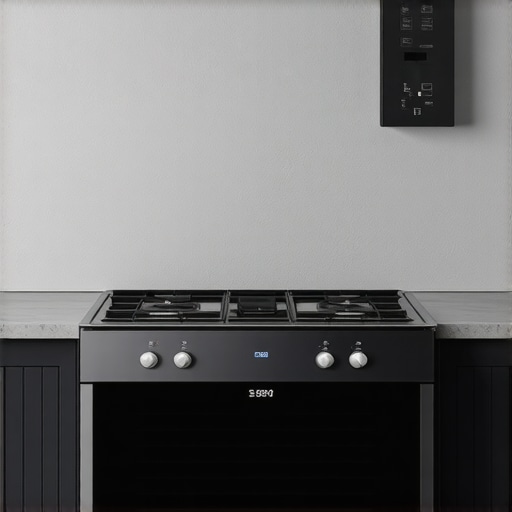
I was standing in my kitchen, smelling the faint scent of ozone and disappointment, staring at a dead touch-screen on my brand-new $2,500 smart oven. I’d just finished a massive kitchen refresh and thought I was ready for the future of cooking. Instead, I was staring at a dark house because my high-tech convection beast had just tripped the breaker for the third time in ten minutes. [IMAGE_PLACEHOLDER] It wasn’t a manufacturing defect; it was my own stubbornness. I’d tried to run a 2024 appliance on 1995 wiring, and it almost cost me the entire control board. I remember thinking ‘It’s just an oven, how much more power could it possibly need?’ My old GE didn’t need a special line, after all. But the moment the technician opened up the electrical panel and showed me the slightly scorched insulation on the wire, my ‘lightbulb moment’ was more of a literal ‘flash-bang’ moment. I realized that my beautiful new kitchen was running on a wing and a prayer.
Your Smart Oven is a Power-Hungry Beast
When I finally called in a pro for some advice, he pointed out that these modern ovens do way more than just heat up metal coils. They are essentially high-performance computers that also happen to roast chickens at four hundred degrees. Between the Wi-Fi modules constantly pinging your router, the high-speed convection fans that kick in during air-fry mode, and those precise heating elements cycling on and off to maintain a perfect degree, they pull a massive amount of current. If you’re sharing that circuit with your microwave or—heaven forbid—your refrigerator, you’re asking for a total system blowout. I learned the hard way that the voltage issue that kills your new oven control board often starts right at the wall outlet with insufficient amperage. You might see the screen flicker slightly when the fan kicks on, or hear a strange humming before the inevitable happens. This isn’t just about getting dinner on the table; it’s about making sure your expensive tech doesn’t become a very heavy paperweight. I even had to look up the proper way to ground your new smart stove during installation just to make sure I wasn’t making things worse.
Is a dedicated line actually worth the hassle?
You might be thinking, ‘My old oven worked fine on this outlet for twenty years, why change it now?’ It’s a fair question, and I asked it too. But here’s the thing: smart ovens are incredibly sensitive to ‘dirty power’ or sudden fluctuations. According to the National Fire Protection Association (NFPA), nearly one in five home fire deaths are caused by electrical failure or malfunction, often involving major appliances that were improperly installed or overloaded. Giving your oven its own lane on your electrical highway isn’t just about convenience; it’s about safety and protecting your warranty. When I skipped this step initially, I noticed why my oven took 45 minutes to reach temperature—it simply wasn’t getting the consistent juice it needed to fire up those modern elements efficiently. If you want to avoid a frustrating service call and a ruined roast, check out this expert guide to appliance repair and installation today to see how to set things up right from the start. Have you ever had your kitchen go dark right in the middle of prepping a massive holiday meal? It’s a nightmare I wouldn’t wish on anyone. Getting a dedicated circuit is the single best move I made to protect my investment and my sanity. I also found that the one wire that is always loose in your wall oven control board is often caused by the heat stress of the unit struggling to maintain power through an overloaded circuit. Let’s make sure your installation doesn’t end in a ‘click-pop-darkness’ scenario like mine did.
Check the Amperage Before You Plug In
I remember the technician, Mike, looking at my electrical panel and just slowly shaking his head while holding a multimeter. He showed me that my new oven was trying to draw nearly 18 amps during its preheat phase, all while being plugged into a 15-amp circuit that was already powering my countertop LED lights. It is like trying to run a marathon while breathing through a cocktail straw; eventually, something is going to collapse. Most people assume that if the plug fits the outlet, you are good to go, but smart appliances are notorious for ‘peak demand’ spikes. If you aren’t sure where your power stands, start by identifying the correct fuse to check when your range won’t turn on. If that fuse is rated for 15 amps and your oven manual calls for a 20 or 30-amp dedicated line, you are essentially playing Russian roulette with your control board. 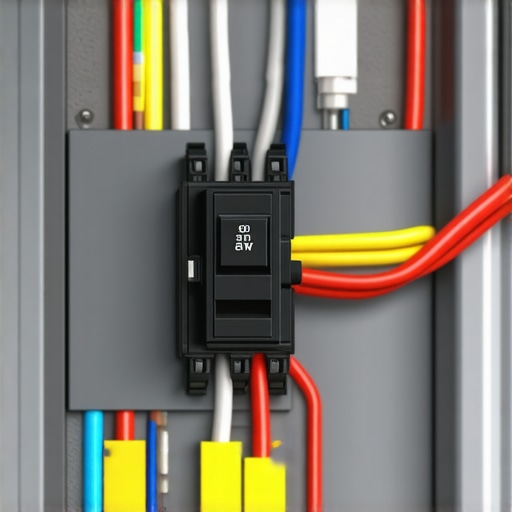
Install a Dedicated Circuit or Risk the Control Board
To fix my mess, I had to stop thinking of the oven as just another ‘plug-and-play’ device and start treating it like the high-end computer it actually is. The most critical step is ensuring the unit has its own ‘lane’ on your home’s electrical highway. When I finally bit the bullet and invested in fast trustworthy appliance installation near you, the difference was immediate. The preheat time dropped by almost fifteen minutes because the heating elements weren’t starving for voltage. I also learned that a loose connection in the wall can mimic a failing appliance. This is often the one wire that is always loose in your wall oven control board area, which can cause intermittent restarts. If you’re DIY-ing any part of this, please ensure you follow the proper way to ground your new smart stove during installation to prevent static buildup from frying the sensitive Wi-Fi chips.
Keep Your Warranty Intact with Real Documentation
One thing Mike warned me about was that manufacturers love to deny claims if they see signs of ‘insufficient power supply’ damage. If your board burns out because your house wiring was inadequate, that $800 part is coming out of your pocket, not theirs. To protect yourself, you need to how to verify your new appliance is covered under the original warranty by keeping a log of the installation. I started a digital folder with photos of my new 20-amp breaker and the receipt from the licensed electrician. This is exactly the document every technician needs to see for a valid warranty visit. When you know what to expect from same-day appliance repair experts, you realize they are looking for reasons to help you, but their hands are tied if the installation was botched from day one. Taking these concrete steps saved my second control board and finally let me use that air-fry mode without the lights flickering.Everyone tells you to call the first person who can get to your house when your oven goes dark. But here is the contrarian truth: chasing speed over specialization is how you end up with a ‘repaired’ unit that dies again in six months. In my experience, most homeowners mistake a quick fix for a quality fix. When you are looking for top tips for same-day service warranty coverage, the most important thing to verify is whether the technician actually specializes in your specific brand’s digital ecosystem. A 2023 study by Consumer Reports highlights that nearly 20% of major appliances require some level of repair in their first few years, yet many owners lose their coverage because they cannot provide basic installation proof or because an unauthorized tech opened the chassis.
Stop chasing the fastest arrival time
When you are in a panic, it is easy to forget what to expect from same-day appliance repair experts. A true pro will ask for your model number before they even leave their shop to ensure they have the right sensors or boards on the truck. If someone shows up with a ‘universal’ kit, be wary. I have seen those generic components send the wrong voltage back to the main hub, turning a simple heating element swap into a total logic board failure.
The universal part trap that fries sensitive boards
This is the biggest ‘oops’ factor I see in the field. Many independent shops use third-party parts to keep costs down, but the hidden risk of third-party parts for smart fridges and ovens is that they lack the proper shielding for Wi-Fi interference. If your oven starts dropping its internet connection after a repair, the tech might have used a non-OEM part that is leaking electromagnetic noise. Always insist on genuine manufacturer parts to protect your investment. 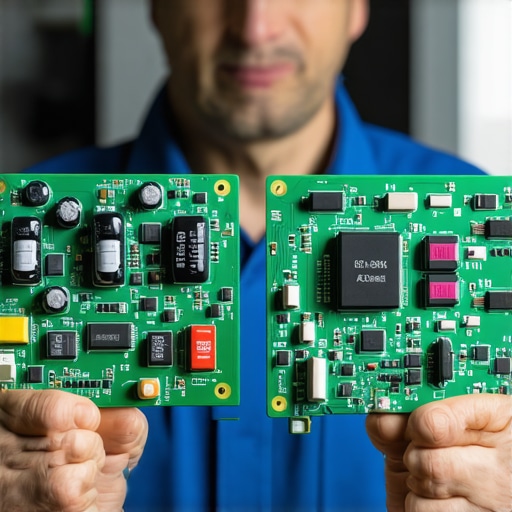
Does a faster repair actually save you money in the long run?
Not if it costs you your long-term protection. I once met a homeowner who saved $50 on a quick repair only to have a $1,200 claim denied later because the technician did not log the service correctly. You must understand the difference between a factory warranty and a service contract. One covers manufacturing defects, while the other covers wear and tear. If you use the wrong one for the wrong problem, you might find yourself paying out of pocket. To stay protected, you should learn how to avoid paying the service fee for a denied warranty claim by keeping your own digital logs of every error code your oven displays.
Lock in your coverage with a paper trail
The ‘nuance’ that most people miss is that documentation is your only shield against a manufacturer’s denial. Even if you are getting same-day appliance repair quick solutions with warranty support, you need to ensure the tech fills out a formal service report that mentions the original installation was up to code. This is especially vital for smart units that require specific grounding. If the manufacturer suspects your house wiring caused the spike, they will walk away from the bill. Knowing how to claim your warranty when the manufacturer denies you starts with proving that you followed the how to ensure reliable appliance installation in 2025 guidelines from day one. Have you ever fallen into this trap of prioritizing speed over proper documentation? Let me know in the comments.Once you have the installation right, the battle moves from the electrical panel to the calendar. I used to be the guy who ignored every ‘system update’ notification on my fridge until the touch screen started lagging like a 2010 smartphone. Now, I treat my appliances like my laptop. The first tool I recommend is not a wrench, but a high-quality, appliance-rated surge protector. I personally use a single-outlet protector rated for at least 1000 joules because standard power strips will melt under the draw of a smart oven. This simple buffer protects that sensitive logic board from the micro-surges that happen every time the power grid fluctuates. According to the Association of Home Appliance Manufacturers (AHAM), consistent maintenance of electronic components, including firmware updates and sensor cleanings, can extend the lifecycle of a smart appliance by up to 25%. If you want to maximize your appliance warranty during emergency repairs, you have to show that you weren’t just letting the machine rot in the corner.
How do I maintain my high-tech kitchen over the long haul?
It comes down to heat management and software hygiene. For example, I make it a point to vacuum the dust from my oven’s cooling intake every six months. If those tiny fans get clogged, the control board overheats, and that is when the ‘ghost in the machine’ restarts begin. I also keep a dedicated logbook—yes, a physical one—for every maintenance task. This is the exact reason why your extended warranty company keeps asking for service logs when things go wrong. They want to see that you followed the maintenance step that extends the life of your high efficiency washer or oven. 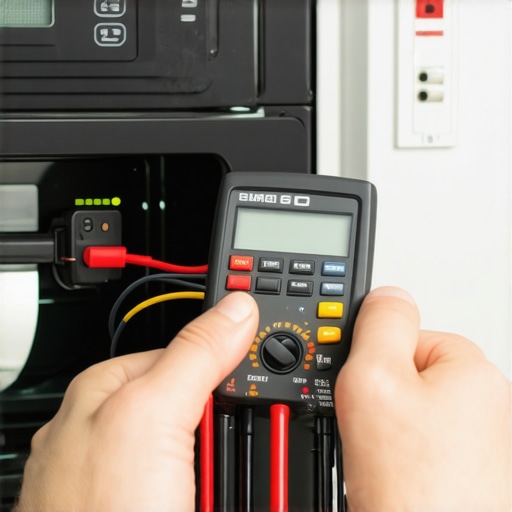 I also recommend keeping a basic multimeter in your kitchen drawer. You don’t need to be an engineer to use it; simply knowing how to check for continuity on a thermal fuse can save you from calling for affordable same day appliance fixes with warranty benefits when it is just a five-dollar part that blew. Looking ahead, I predict we are moving toward a ‘Right to Repair 2.0’ where appliances will run their own internal stress tests and email the results directly to your local tech. Until then, you need to be the one holding the clipboard. If you want to stay ahead of the game, I suggest you how to prove you maintained your hvac for a warranty claim or any major appliance by taking a time-stamped photo every time you clean a filter or update the software. Here is an advanced tip: buy a cheap thermal imaging attachment for your phone. Once a year, scan your oven’s control board while it is preheating. If you see a glowing ‘hot spot’ on a specific capacitor, you can replace the board before it fails and takes your dinner plans with it.
Lessons from the Day My Kitchen Went Dark
Reflecting on that afternoon of scorched wires and expensive repairs, I realized that the biggest mistake wasn’t the appliance choice, but the assumption that my home was ready for it. Here is the insider wisdom I gathered the hard way: First, never underestimate the power spikes of modern convection fans; they pull more current than a desktop computer and a space heater combined. Second, your warranty is only as strong as your installation paperwork—if you can’t prove it was done right, the manufacturer won’t cover a cent. [IMAGE_PLACEHOLDER] Finally, the “ghost in the machine” restarts are almost always electrical, not software. Before you panic, check the voltage stability in your wall. If you find yourself in a bind, scheduling your appliance repair for same-day service in 2025 is much easier when you already have your logs ready.
My Go-To Toolkit for a Bulletproof Kitchen
I don’t just rely on luck anymore. I keep a few specific things on hand to ensure my tech stays healthy. I highly recommend investing in a dedicated appliance-grade surge protector; it is the $40 insurance policy your control board deserves. I also rely on a simple digital folder in my cloud storage where I keep every receipt and service manual—this makes warranty-backed appliance services you can rely on actually work for you when it matters. If you are dealing with other appliances, understanding the real reason your new dryer takes three cycles to dry jeans can often point back to these same electrical or venting foundational issues. Knowledge is your best tool.
Taking Charge of Your Appliance Longevity
You’ve invested thousands in your home’s technology, and it deserves a foundation that supports its high-performance needs. Don’t wait for the smell of ozone or a flickering screen to take action. By securing a dedicated circuit and maintaining a proper paper trail, you aren’t just preventing a breakdown; you’re ensuring your peace of mind. Even if the retailer disappears, knowing how to claim your warranty after the store closes down will keep your kitchen running perfectly. I’ve been through the frustration, and I can tell you that the extra effort up front is worth every penny in avoided stress. Have you ever discovered your home’s wiring wasn’t quite up to the task for a new gadget? Let me know your experience in the comments below!