
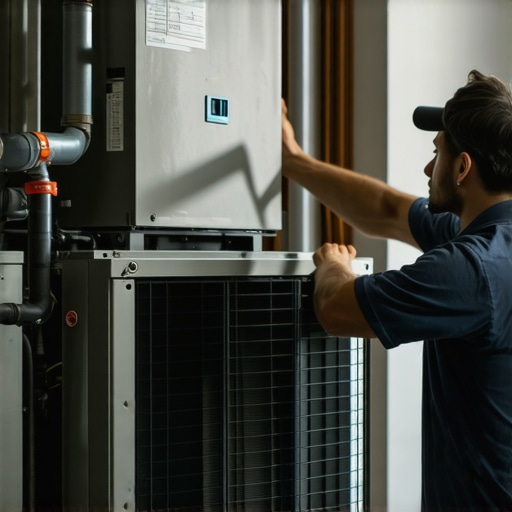
It was a hot summer afternoon when I first noticed it—my air conditioner seemed to be struggling more than usual. The cool air was weaker, the unit was louder than normal, and a strange musty smell was seeping into the house. It hit me then—my HVAC needed serious attention, and quick. That moment taught me a valuable lesson: ignoring the signs of a dirty system can turn into expensive repairs or even complete breakdowns.
Why Recognizing the Signs of a Dirty HVAC System Matters
Your HVAC system works tirelessly to keep your home comfortable, but over time, dust, mold, and debris can accumulate, hindering its efficiency. Not only does this lead to higher energy bills, but it can also compromise indoor air quality—especially problematic for allergy sufferers or those with respiratory issues. Early detection of these issues can save you money and keep your system running smoothly.
Have you ever experienced a spike in your energy bills or noticed a persistent musty odor when your AC runs? These are often the first clues that your system needs a deep clean. I remember making the mistake early on of ignoring minor dust buildup, only to learn the hard way that it can cause system overheating and reduce lifespan. For instance, a clogged filter and buildup on coils can act like an insulation layer, making your system work harder than it should. According to the EPA, indoor air quality can be up to five times worse than outdoor air, highlighting the importance of keeping your HVAC clean.
Getting familiar with these signs is crucial. If you detect reduced airflow, increased dust circulation, or strange noises from the unit, don’t assume it’s just age or normal wear. Sometimes, a professional deep cleaning can resolve these issues and extend the lifespan of your investment. Want some tips on how to tell if your system is overdue for maintenance? We’ll get to that next—stay tuned.
Turn Off Power and Prepare Your Workspace
Begin by switching off your HVAC unit at the circuit breaker to ensure safety. Clear the area around the unit to access all components easily. Think of this like shutting down a computer before cleaning—safety first prevents shorts or injuries.
Remove and Clean the Air Filters
Take out the filters and inspect them. If they’re dirty or clogged, replace or clean them according to the manufacturer’s instructions. Use a vacuum or soapy water for washable filters. Remember, clean filters are the first line of defense against dust buildup and improve airflow.
Clean the Coils Thoroughly
Locate the evaporator and condenser coils. Use a coil cleaning spray or a mixture of mild detergent and water. Gently spray and let it sit for a few minutes before rinsing with water. This process is akin to cleaning a screen door—they get clogged with dirt, reducing airflow and efficiency.
Tip: For stubborn grime, consider a soft brush to scrub away debris, but avoid damaging the fins.
This step prevents compressor strain and makes your system run more efficiently, saving energy and extending its lifespan.
Clear Debris from Drainage Lines
Locate the condensate drain line and flush it with a mixture of water and vinegar or use a plumbing snake for stubborn blockages. This prevents water damage and mold buildup. Think of this as clearing a clogged sink to prevent backups—if ignored, it can lead to costly repairs.
Check and Replace Faulty Components
Examine the electrical connections and contact points. If you notice frayed wires or burnt contacts, replace them immediately. For example, a defective fuse or relay can cause system failures—more on this in fuse troubleshooting.
Inspect and Clean the Blower Fan
Remove the blower assembly and clean off dust and debris. Lubricate bearings if necessary. A clean fan ensures proper airflow and prevents overheating. It’s similar to tuning a bike chain—regular maintenance keeps everything running smoothly.
Reassemble and Test the System
Put all components back in place, restore power, and turn on your HVAC. Listen for unusual noises and observe whether airflow has improved. Monitoring performance after cleaning helps identify lingering issues early.
By following these actionable steps, you’re effectively reducing strain on your system, lowering energy bills, and extending its operational life. Regular maintenance is like giving your HVAC a health check—preventive care avoids significant breakdowns down the line. For complex issues or parts replacement, consult a professional to ensure your system remains under warranty and functions optimally. For example, if you suspect a faulty fuse, check this guide on fuse replacement tips. An ounce of prevention is worth a pound of cure, especially when it comes to your home comfort systems.Many homeowners believe that appliance repairs are straightforward and that warranties cover all mishaps, but the truth is far more nuanced. A common misconception is that all repairs or installations are similar, leading to overlooked details that can cost you dearly. For instance, many think that calling any technician guarantees quality work, but in reality, not all technicians are equally qualified or certified. According to industry experts, verifying your repair tech’s credentials can prevent unnecessary damage and ensure your warranty remains valid.
Is Your Warranty Actually Protecting You or Just a Sales Pitch?
Many assume warranty coverage is comprehensive, but the fine print often reveals limitations. Extended warranties, for example, are sometimes marketed as essential, but they may duplicate what factory warranties already cover or exclude common issues. Understanding the difference between factory and extended warranties can save you money and frustration. Read more about this at this guide. It’s crucial to know what is actually covered before making a decision.
The Trap of Same-Day Service That Costs More
Many people opt for same-day appliance repair assuming it’s worth the premium. However, rush jobs may lack thorough diagnostics, potentially missing underlying issues. A hurried repair might temporarily fix the problem but leave hidden faults that cause future failures. Plus, some services charge extra for urgent requests, and if not properly vetted, you could pay more for less value. Always ask questions about the technician’s process and reliability before accepting same-day service. Sometimes, a delay allows for a more comprehensive fix without inflated costs. Do you think rushing into repairs saves money? Think again—quality should never be sacrificed for speed. For detailed insights, see this resource to understand your options better.
Overconfidence in DIY Installation Can Damage Your Appliance
Homeowners often attempt DIY installations or repairs to cut costs, but this can backfire spectacularly. Incorrect water line connections, improper leveling, or failing to follow manufacturer instructions can damage appliances or void warranties. For example, improper fridge water line installation can cause leaks or water damage. Check out this step-by-step guide to avoid costly mistakes. Professional installation isn’t just about convenience—it’s about safeguarding your investment. Don’t let overconfidence lead to unnecessary expenses. Have you ever fallen into this trap? Let me know in the comments.
How Do I Keep My Appliances Running Smoothly Over Time?
Maintaining appliances isn’t just about fixing issues as they occur; it’s about proactive care that prolongs their lifespan and ensures optimal performance. Over the years, I’ve refined my toolkit and approach, focusing on specific tools that address common problems efficiently. For example, I always keep a digital multimeter handy—it’s invaluable for diagnosing electrical faults, such as blown fuses or faulty wiring, and helps prevent unnecessary component replacements. Similarly, a good refrigerant leak detector can save hours by quickly pinpointing refrigerant issues in AC units or refrigerators, rather than relying on trial and error.
When it comes to cleaning and maintenance, I swear by a soft-bristled coil brush. Regularly brushing the condenser and evaporator coils prevents dirt buildup that can cause overheating and energy wastage. For more stubborn grime, I use a dedicated coil cleaner spray, making sure to follow the manufacturer’s instructions for safety and effectiveness. These tools aren’t just for repairs—they’re part of a routine that keeps appliances functioning efficiently and reduces the need for costly callouts.
In terms of software, I highly recommend using maintenance tracking apps tailored for home appliances. These apps send reminders for filter replacements or special inspections, turning forgettable chores into manageable tasks. Staying on top of tasks like replacing filters or inspecting water lines can make the difference between a device that lasts ten years or just five. For example, regularly checking and replacing the fuse in your appliance, guided by technical resources, can be pivotal. You can find more on this in this detailed guide.
Looking Ahead: The Future of Appliance Maintenance
As smart home technology advances, I predict a rise in integrated diagnostics. Appliances will increasingly communicate their status directly to homeowners via smartphone notifications, leading to more predictive maintenance. This shift will help catch issues before they escalate, saving money and reducing downtime. Embracing these innovations now means you’re preparing for a future where appliance care is more intuitive and less invasive.
How Do I Maintain My Appliance Care Routine over Time?
The key lies in consistent, scheduled maintenance rather than sporadic repairs. Investing in quality tools and staying informed through reputable sources will empower you to take control. Try setting reminders for tasks like clearing drain valves or inspecting water connections, such as those documented in this article. Over time, this habit reduces emergency repairs and extends your appliances’ lifespan. Plus, mastering simple diagnostic skills, like testing appliance fuses with a multimeter, offers cost savings and peace of mind. Start with one of these advanced tips today—your appliances will thank you for it!
Why I Wish I Knew These Maintenance Lessons Sooner
One of the biggest eye-openers for me was realizing that many issues stem from neglecting tiny signs—like a slight decrease in airflow or a faint smell—that are early indicators of deeper problems. Missing these clues almost always leads to costly repairs, but catching them early can save hundreds.
Another lesson learned the hard way was that DIY fixes are tempting but often risky. I once attempted to clean my condenser coils without the proper tools, which led to fin damage—something that could have been avoided with a simple professional service. Using the right tools, like a soft coil brush or specialized cleaning sprays, really makes a difference.
Overconfidence in warranties can be a trap. Many homeowners believe their warranty covers everything, but the fine print often limits coverage or excludes common repairs. Taking time to understand the exact terms has helped me avoid unnecessary expenses and choose better service options, especially when considering extended warranties.
Lastly, I learned that rushing for same-day service isn’t always the best move. Quick fixes without thorough diagnostics can lead to recurring issues down the line. Sometimes, scheduling a slightly later appointment with a reputable technician results in a more comprehensive and cost-effective repair, preventing future breakdowns.
My Preferred Tools and Resources for HVAC Care
For reliable diagnostics, I swear by a digital multimeter—it helps me quickly identify electrical issues like blown fuses or faulty wiring. Regular coil cleanings are made easier with a soft coil brush and a dedicated cleaner spray, which I trust for safety and efficiency. Staying proactive with maintenance trackers on my phone reminds me to replace filters and check drainage lines before problems escalate.
If you’re serious about extending your HVAC’s lifespan, I highly recommend diving into detailed how-to guides like checking your fuse or locating the water shut-off valve. These small steps can make a big difference in preventing emergency repairs and keeping your system running smoothly.
Your Next Move Starts Today
The future of appliance maintenance is smarter, more connected, and more proactive. By applying these insights and tools, you’re not just fixing problems—you’re building a resilient home environment that saves you money and peace of mind. Embrace the journey toward a healthier, more efficient HVAC system and enjoy the comfort you deserve.