
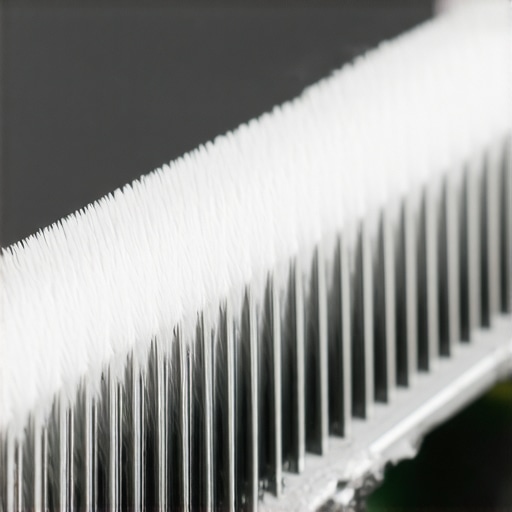
I remember the morning I first heard that strange, gritty noise coming from my fridge. It was subtle at first—just a faint humming that suddenly felt off. Then came the reality check: my fridge wasn’t cooling properly, and I was faced with a potentially costly repair. It wasn’t a broken thermostat or a faulty compressor; it was a simple, overlooked cleaning step that could have saved me hundreds—and honestly, it’s something I wish I knew earlier.
Why Your Fridge’s Condenser Coils Are the Hidden Heroes
Most folks, including myself initially, ignore the back of the fridge until it stops cooling altogether. But those coils, often tucked away behind a vent or underneath, are crucial for efficient operation. When they get covered in dust, pet hair, or grease, they act like a clogged air filter—diminishing airflow, forcing the compressor to work harder, and sneaking up as a silent energy drain. That relentless extra strain can even lead to premature compressor failure, which is not just annoying but expensive. In fact, according to appliance experts, neglecting coil cleaning can reduce your fridge’s efficiency by up to 25%, resulting in higher energy bills and increased wear and tear.
Accessing the Components Safely
Before starting any repair, unplug the appliance to prevent electrical shocks. Use a screwdriver with the appropriate bit—most appliance screws require a #2 Phillips head—to remove panels or access covers. Remember, applying too much force can strip screws; turn gently. I once tried to force open my dishwasher’s panel without proper tools and ended up stripping the screw. Instead, I used a precision screwdriver set, which made the job smoother and prevented damage.
Diagnosing the Issue Precisely
Identify the problem by observing symptoms: strange noises, leaks, or failure to operate. Consult the user manual or manufacturer’s troubleshooting guide. For example, when my dryer started squeaking, I checked the belt tension—a simple yet overlooked fix—as described in this guide on belt tensioner repair. Accurate diagnosis saves time and money.
Gathering Essential Tools and Parts
Prepare all necessary tools: a multimeter for testing electrical components, pliers, a nut driver, and replacement parts. Always verify your parts match the model number; mismatched parts can cause further damage. I once ordered the wrong heating element for my oven, which delayed repairs. To avoid this, I double-checked the model number and ordered from a trusted supplier.
Executing the Repair Step-by-Step
Follow a logical sequence: disconnect power, remove panels, replace faulty components, and reassemble. Label wires if necessary to prevent misconnection. When replacing the door switch on my microwave, I took photos at each step—this saved me from confusion during reassembly. Clear documentation ensures proper reinstallation and safety.
Testing the Appliance After Repair
Once reassembled, restore power and run a test cycle. Listen for abnormal sounds and check for leaks or error codes. For my washing machine, after replacing the drain pump, I ran a cycle and observed no leaks, confirming success. If issues persist, revisit connections or consult troubleshooting resources.
Understanding When to Call a Professional
Some repairs require specialized tools or knowledge, such as refrigerant handling or electrical wiring. If your diagnostic indicates these complexities, it’s safer to contact a licensed technician. For instance, attempting to fix a compressor issue without proper training can be dangerous. Remember, most manufacturer warranties won’t cover damage caused by DIY mistakes, so know your limits.
When it comes to appliance repair, many homeowners operate under common myths that can lead to costly mistakes. For instance, the belief that buying the cheapest service guarantees savings is misguided; a poorly executed repair can cause more damage, increasing costs in the long run. Advanced diagnostics often reveal issues that superficial fixes overlook, emphasizing the importance of expert assessments. Have you ever fallen into this trap? Let me know in the comments.
Why Most People Misjudge Same-Day Service and What’s the Real Edge
While many think that same-day service is an instant fix, the truth is that quick appointments can sometimes compromise thoroughness—leading to incomplete repairs and repeat visits. Skilled technicians prioritize diagnostics and part availability, which might occasionally extend wait times but ensures lasting solutions. Moreover, understanding that “same-day” doesn’t always mean “instant perfection” helps homeowners manage expectations and avoid unnecessary frustration. According to a study by the Appliance Repair Association, proper diagnosis often takes precedence over speed, as rushing can overlook critical underlying issues.
Steering Clear of Warranty Pitfalls
Many assume that warranties cover all repairs, but the reality is more nuanced. Warranties often exclude damage from misuse, improper installation, or power surges, leading homeowners to unanticipated expenses. For example, a common mistake is attempting DIY fixes or ignoring maintenance schedules, which can void the warranty altogether. Additionally, several warranties don’t cover component damage caused by power fluctuations—something many overlook. To safeguard your investment, always review the warranty terms carefully and document maintenance. For more insights, see why manufacturer warranties often don’t shield you from certain damages.
Installation: The Overlooked Detail That Can Make or Break Your Appliance
Proper installation is the foundation of appliance longevity. A frequent mistake is neglecting to secure the anti-tip bracket for ranges or incorrectly setting the dishwasher’s level—errors that cause operational issues over time. The subtle nuances in installation, like correct electrical connections and airflow clearance, are vital but often underestimated. Not adhering to manufacturer guidelines can lead to premature failures, which are not covered under warranty, emphasizing the value of professional installation. Remember, a well-installed appliance not only performs better but also preserves your warranty coverage. For example, see how the correct positioning of your refrigerator’s water line can prevent leaks and ensure efficient operation.
Advanced Mistakes that Cost More Than You Expect
Overlooking simple steps like cleaning condenser coils or verifying the correct screw sizes during repair can cause recurring problems. Advanced mistakes—such as misdiagnosing electrical issues or substituting aftermarket parts without compatibility checks—result in unreliable repairs. These errors often lead to equipment damage and warranty denials. For detailed advice on avoiding these pitfalls, explore how improper repairs can damage your appliances and void warranties. Remember, the devil is in the details, and even small oversights can escalate into expensive repairs.
Conclusion
Let’s dig deeper into these nuanced areas to save you money and frustration. Recognizing the complexities behind installation, repair timelines, and warranty coverage helps you make smarter decisions and extend your appliances’ lifespan. Have you encountered unexpected surprises despite following conventional wisdom? Share your experience and stay tuned for more expert insights that cut through the myths.,
Prioritize Quality Tools for Long-Term Results
Investing in the right tools is essential for effective appliance maintenance and repairs. I personally rely on a high-quality precision screwdriver set with insulated handles, which makes opening panels safer and more efficient. For electrical testing, a digital multimeter with auto-ranging capabilities is invaluable; it helps me diagnose issues accurately without guesswork. Having these tools ready not only saves time but also ensures that repairs are performed correctly the first time, reducing the likelihood of interim problems.
Use Specific Software and Diagnostic Apps
For modern appliances, especially smart devices, leveraging manufacturer-specific diagnostic apps can dramatically streamline troubleshooting. These apps often provide error codes and repair steps that aren’t available elsewhere. For example, my smart refrigerator’s app detailed a communication fault that simple visual inspection wouldn’t reveal. Staying updated on the latest software updates from appliance brands ensures compatibility and access to advanced diagnostic features, which can preempt more significant failures.
Establish a Routine Maintenance Schedule
Consistent maintenance extends appliance lifespan and preserves warranties. I recommend setting quarterly reminders to check and clean critical components like condenser coils, filters, and water lines. Regularly inspecting and cleaning the washer’s hidden filter and the refrigerator’s coils can prevent buildup that leads to overheating or inefficiency. Documenting these tasks ensures they don’t get overlooked and helps when warranty claims or professional servicing is needed down the line.
Long-Term Results Come From Vigilance
By sticking to a disciplined maintenance routine and utilizing precise tools, you can avoid costly repairs and unexpected downtimes. Upgrading to specialized equipment like a spark igniter tester for gas ranges can help detect failures before they cause a complete shutdown. As appliance technology continues advancing, integrating diagnostic software and precision tools will become even more essential for proactive care, fitting into the future of smart maintenance solutions.
How do I best maintain my appliances over time?
Focus on creating a schedule that combines routine inspections, timely cleaning, and tool upgrades. Regularly check manufacturer guidelines for recommended maintenance intervals. For instance, cleaning your dryer lint trap isn’t enough; using a proper lint filter and inspecting exhaust ducts periodically can prevent fires and prolong appliance life. Also, staying current with repair techniques and tools—like a multi-bit screwdriver and digital multimeter—allows you to handle issues promptly and avoid unnecessary service calls. Remember, early detection and fixing through precise diagnostics save money and reduce appliance downtime, making tools and maintenance a smart long-term investment.
The Hardest Lesson I Learned About Installing and Repairing Appliances
One of the most valuable insights I gained was how a small oversight during installation, like neglecting to secure a range’s anti-tip bracket, can lead to dangerous situations and costly repairs. Taking the time to follow manufacturer guidelines, such as properly leveling washers to prevent vibrations, makes a world of difference and often saves future headaches.
3 Myths About Same-Day Service and Appliance Repair That Held Me Back
I used to believe that opting for the earliest available repair appointment meant quicker fixes, but I learned that rushing diagnostics can cause missed issues, leading to repeat visits. Truly effective repairs depend on thorough troubleshooting, even if it takes an extra day, ensuring long-term reliability rather than temporary fixes.
What Experts Won’t Tell You About Warranty and Long-Term Appliance Wellness
Many warranties exclude damages caused by improper maintenance or DIY repairs, emphasizing the importance of professional upkeep. I discovered that documenting routine checks, like cleaning condenser coils or verifying correct screw tightening, can be crucial proof of proper care when warranty issues arise. Understanding warranty fine print prevents unexpected expenses and protects your investments.