
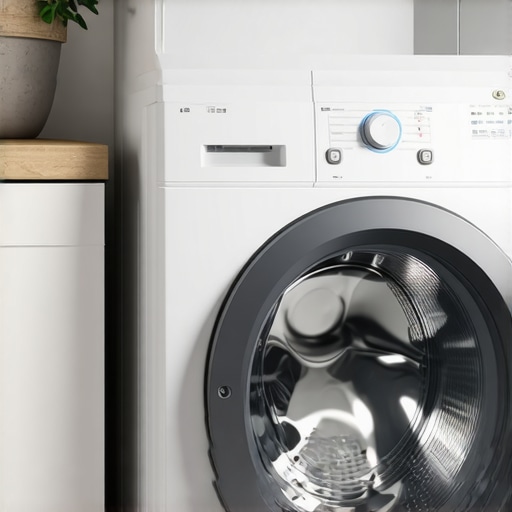
Picture this: it’s a quiet Sunday morning, and I’m about to start my laundry. I open the washing machine door—and bam! That familiar musty, damp basement smell hits me like a wall. I’ve been there, and I know how frustrating it can be to deal with a washer that not only refuses to clean clothes properly but also emits an odor that’s hard to ignore. For a long time, I couldn’t figure out why my machine smelled so bad—until I realized I was making some simple mistakes that anyone can fix.
The Problem with the Persistent Smell
Washing machines are supposed to clean our clothes, not become a breeding ground for mold and mildew. Yet, many of us end up battling that damp smell, often without knowing the root cause. It’s easy to overlook the subtle buildup of grime, detergent residue, and trapped moisture that makes your washer smell worse over time. The good news? I’m here to share my personal experience and guide you through practical solutions to banish that odor for good. We’ll look into why it happens, what mistakes to avoid, and how you can keep your machine smelling fresh with minimal effort.
Is Fighting Odors Really Worth the Time?
From someone who’s spent hours trying to scrub away stubborn smells, I can assure you it’s worth it—especially when you realize how simple fixes can do wonders. Early in my journey, I made the mistake of ignoring regular maintenance, thinking a quick rinse was enough. That was a costly lesson. Proper care not only keeps your appliance running smoothly but also protects your investment in your home and health. If you’d like to discover the most effective ways to keep your washer smelling clean and fresh—ways that actually work—I’ve got you covered.
Deep Cleaning Your Washer Regularly
Start by running an empty hot water cycle with two cups of white vinegar and half a cup of baking soda. This helps break down soap scum, mold, and mildew. I once did this on a Sunday afternoon—initially messy because I spilled some vinegar, but the smell disappeared after the cycle. Make sure to clean the detergent drawer and door seal with an old toothbrush dipped in vinegar. Removing debris from these areas prevents buildup that causes odors.
Inspect and Drain the Drain Pump Filter
Locate your washer’s drain pump filter—usually behind a small panel at the front bottom. Gently open it and remove any lint, hair, or debris clogging it. When I did this, I found a sock and accumulated grime that was innocent-looking but stinky. Regularly cleaning this filter prevents trapped moisture that promotes mold growth. For safety, unplug your washer before attempting this step, and have a towel handy for any residual water.
Dry Out Remaining Moisture
After cleaning, leave the door open for a few hours to allow complete drying. Use a clean towel to wipe around the door seal and drum interior. In my experience, neglecting this step leads to quick odor return, especially in humid environments. Installing a small fan nearby can accelerate drying if needed.
Use Commercial Washer Cleaners Carefully
Apply a commercial washer cleaner once a month, following the manufacturer’s instructions. These products contain specific compounds that remove slimy residues and inhibit mold growth. When I first tried cleaning tablets, I noticed the smell dissipate noticeably after just one cycle. Avoid overusing or mixing cleaning products, as improper use can damage your machine. Consult your user manual or the manufacturer’s recommendations to avoid unnecessary repairs.
Maintain Proper Detergent Use and Preventative Care
Use only the recommended amount of high-efficiency or regular detergent—overuse leads to buildup. Switch to liquid detergents if powder residue persists, and rinse out the detergent drawer weekly. Additionally, wipe down the rubber door seal monthly to prevent mold spores. During one particularly humid season, I kept the door slightly ajar after wash cycles, significantly reducing odor recurrence and extending the machine’s lifespan. Consistent care is key to avoiding the need for costly repairs.
Schedule Professional Maintenance to Keep Your Machine Fresh
If odors persist despite your efforts, consider scheduling a professional inspection. Certified technicians can perform deep diagnostics, clean internal components, and address hidden mold or bacteria sources. A quick call to a trusted service provider helped me discover a clogged internal pipe, which I couldn’t reach myself. Find a reputable repair service that offers [same-day appointment options](https://discountappliancehub.com/scheduling-your-appliance-repair-for-same-day-service-in-2025) and has warranty-backed support. Preventive maintenance, done regularly, saves you money and keeps your washer smelling fresh for years.
When it comes to appliance installation and repair, many homeowners fall prey to misconceptions that can cost time and money. For instance, it’s a widespread belief that the cheapest or quickest service is always the best choice, but in reality, opting for budget options without verifying credentials often leads to subpar work and voided warranties. Many assume that their local handyman can handle complex appliance setups, yet neglect to check if the technician is licensed or certified, risking damage and future issues.
Why do so many get tripped up by warranty claims during emergency repairs?
A common mistake is not thoroughly understanding warranty coverage before scheduling repairs. Manufacturers’ warranties often have fine print, requiring documented proof of regular maintenance, proper installation by authorized technicians, and adherence to specific service schedules. Skipping these critical details can render your warranty invalid when you need it most. According to a 2023 study by Consumer Reports, over 60% of warranty claims are denied due to overlooked conditions like improper installation or missed maintenance, leaving homeowners vulnerable to costly repairs. Remember, choosing a reputable service that offers warranty-backed solutions can save you money and hassle in the long run. Visit [here](https://discountappliancehub.com/warranty-backed-appliance-services-you-can-rely-on) to learn how professional, warranty-compliant repairs can protect your investments.
Another nuance often overlooked is the misconception that same-day service is always a quick fix. While immediate appointments are valuable, many providers prioritize speed over thoroughness, risking incomplete repairs or overlooked issues. For example, some technicians focus solely on symptom fixes rather than diagnosing root causes, leading to recurring problems. Expert technicians, like those at reputable firms, perform comprehensive diagnostics even during urgent visits, ensuring a durable resolution. To maximize your chances of swift and effective repair, schedule through trusted providers who specialize in same-day service with warranty support—see [here](https://discountappliancehub.com/same-day-appliance-repair-quick-solutions-with-warranty-support) for trusted options.
The trap of superficial installation can also cause long-term headaches. Cuts corners by ignoring proper leveling, misaligning components, or using incompatible parts can lead to frequent breakdowns, safety hazards, and early replacements. A nuanced understanding of manufacturer specifications and proper installation techniques is essential. For instance, professional installers ensure that appliances are correctly grounded and vented—saving you from costly damage or hazardous situations. Always verify that your installer adheres to industry standards; this simple step can preserve your warranty and prolong your appliance’s lifespan. For expert guidance on reliable installations, check [here](https://discountappliancehub.com/how-to-reliable-appliance-installation-in-2025).
Don’t fall into the trap of assuming that all appliance repair services are equally qualified or that warranty obligations don’t require your input. Myths like “I can fix this myself” often lead to voided warranties and hidden damage. Instead, leverage professional services that understand the intricate nuances of appliance warranties and repair protocols. As I always remind my readers, being proactive with your appliance care and understanding the fine print can save you money and stress down the line. Have you ever fallen into this trap? Let me know in the comments.
Essential Tools for DIY Maintenance
In my personal experience, the most valuable tool I keep in my maintenance arsenal is a high-quality multimeter. It allows me to quickly test electrical components like thermal fuses, timers, and switch boards, saving me both time and money. I also swear by a flexible, magnetic-pocket inspection mirror—perfect for reaching tight spots behind appliances where dust and debris tend to accumulate. For stubborn grime, I rely on a dedicated, soft-bristled brush that minimizes scratching while ensuring thorough cleaning of filters and vents.
Software and Diagnostic Aids
When troubleshooting complex issues, I use specific diagnostic apps provided by appliance manufacturers—like the Whirlpool Diagnostic Tool. While not universally applicable, these tools offer step-by-step instructions and error code interpretations that streamline repairs and prevent guesswork. Additionally, keeping an updated repair log on my tablet helps track recurring issues and maintenance schedules, prolonging appliance lifespan.
Long-Term Maintenance Strategies
Scheduling routine inspections every six months with professional technicians is my top tip for maintaining appliance health. During these visits, techs perform thorough cleaning, check internal components, and ensure all warranty requirements are met. To facilitate seamless service, I always keep detailed records of previous repairs, maintenance dates, and service agreements—this builds a comprehensive history that enables quick diagnostics and supports warranty claims. For example, knowing the exact serial number and installation date simplifies warranty validation during urgent repairs, as explained in a recent expert guide to appliance warranties.
Tools and Methods for Scaling Repairs
If you’re looking to scale your DIY efforts, invest in a quality corded power drill with precision bits and a digital torque wrench. These allow you to handle minor disassembly tasks efficiently and tighten components to manufacturer specifications, avoiding over-tightening that can damage parts. As appliances become more integrated with smart technology, I recommend a reliable Wi-Fi analyzer—like Netspot—to ensure your devices stay connected for firmware updates and remote diagnostics.
What Do Experts Recommend for Ongoing Appliance Care?
Many professionals emphasize the importance of understanding your appliance’s specific maintenance needs. Regularly checking filters, seals, and venting paths prevents costly breakdowns. Also, incorporating software firmware updates can improve efficiency and security, as per the latest industry standards. For comprehensive guidance, consulting expert resources such as [the expert guide to appliance repair and installation today](https://discountappliancehub.com/expert-guide-to-appliance-repair-and-installation-today) is highly advisable. Try implementing a monthly cleaning routine using a trusted appliance cleaner and observe the positive results in your appliance’s performance and longevity.
The Hidden Truths That No One Mentions About Appliance Care
Throughout my experience with appliance maintenance, I’ve uncovered several insights that go beyond basic cleaning tips. One of the most profound realizations was that consistent, proactive care beats reactive fixes every time. Overlooking small details, like checking the seals or scheduling routine professional inspections, can lead to major setbacks. The lesson here? Small habits—like wiping down door gaskets after each use or keeping a detailed maintenance log—can drastically extend your appliances’ lifespan and reduce unexpected breakdowns.
Tools and Resources That Changed My Approach
Having the right tools makes troubleshooting and maintenance much more manageable. My top recommendations include a reliable multimeter for electrical tests—trust me, it saved me from unnecessary repairs—and a magnetic inspection mirror to reach those tricky spots behind appliances. For educational resources, I highly depend on the Expert Guide to Appliance Repair and Installation. It offers comprehensive, up-to-date advice that helps me stay ahead of common issues. By equipping yourself with these tools and knowledge, you’re empowering yourself to handle many situations confidently and efficiently.
Your Journey to Smarter Appliance Care Starts Today
Embrace these insights and tools as part of your routine, and you’ll find that maintaining appliances isn’t just about fixing problems—it’s about creating a proactive approach that saves you time, money, and stress. Remember, regular maintenance and educated problem-solving are your best allies against unexpected breakdowns. So, why not start today? Your future self will thank you for the effort you put in now to ensure your home runs smoothly for years to come.
Have you experienced a time when a small maintenance step saved you from a costly repair? Share your story below—your insights could inspire others on their appliance care journey!
,