
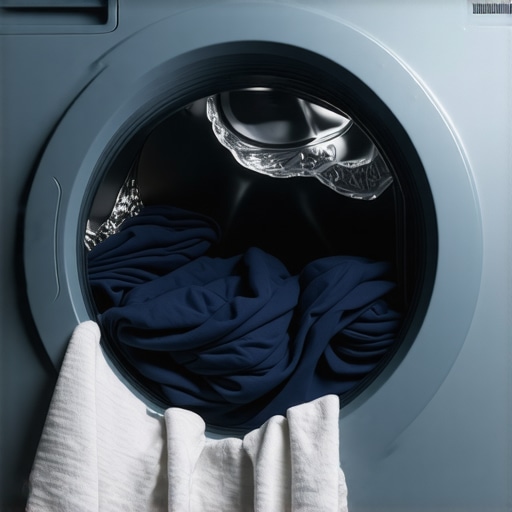
It was a typical laundry day until I pulled out my favorite black jeans, only to find them covered in stubborn white lint. Frustration hit me hard because I thought I had done everything right—separating darks, using the right detergent, even cleaning the lint trap. But the problem persisted. That lightbulb moment made me realize this is a common headache many of us face, and learning the real cause can save your clothing—and your sanity. Today, I want to share some honest insights and practical tips on why your dark clothes are seemingly covered in lint after every wash and how you can fix this issue once and for all.
Unveiling the Truth Behind Lint on Dark Clothes
If you’ve ever opened your laundry machine and seen a cloud of lint on your dark garments, you’re not alone. It’s an annoying problem that can be caused by multiple factors, from dryer habits to washer maintenance. What often surprises people is that some mistakes are so simple—and preventable.
For instance, early in my own laundry journey, I overlooked the importance of cleaning the lint trap regularly. I thought it was just about preventing fires, but it turns out, a clogged lint trap can cause lint to transfer back onto clothes. According to appliance experts, neglecting this simple step can also decrease your machine’s efficiency and lifespan.
Another culprit I’ve discovered is the type of fabric softener or dryer sheet used, which can add residual lint or static that attracts more lint. Moreover, a common mistake I made was overloading the washer or dryer, which doesn’t allow clothes to tumble freely and effectively remove lint.
Have you ever faced this problem? If so, you’re not alone. But there’s good news. By understanding the root causes and making some adjustments—like clean filters and correct loading techniques—you can significantly reduce or even eliminate lint from your dark clothes.
In the next sections, I’ll walk you through specific steps to keep your dark garments looking sleek and lint-free, starting with a simple habit that most people forget: cleaning the lint trap and checking the drain hose loop — a small move that can make a big difference. Stay with me, because tackling this problem can be easier than you think if you know the right tricks.
Start with a thorough lint trap cleaning
Before anything else, remove lint buildup from your dryer trap. I recall a time when I ignored this step, and lint kept redepositing on my dark jeans. To clean it, pull out the lint trap, remove any lint residue, and wash it with warm soapy water. Doing this regularly prevents lint from cycling back onto clothes during drying. Think of it like clearing a blocked drain in a sink—if you neglect it, water (lint) just backs up and overflows. For your dryer’s internal parts and the vent, refer to this guide to ensure proper airflow and to prevent lint-related fire hazards.
Properly load your washer and dryer
Don’t overload the machines
Overloading prevents clothes from tumbling freely, trapping lint in fabric folds. I once stuffed my washer to the brim, thinking I was saving time, only to find my darks covered in lint after drying. To avoid this, fill your washer and dryer no more than 75% capacity. Use smaller loads for delicate or lint-prone fabrics. This simple adjustment leads to better lint removal and less post-wash cleaning. If you’re unsure about how to load efficiently, check this article for leveling tips that also improve washing efficiency.
Separate lint-heavy fabrics
Keep lint magnets like towels and fleece separate from dark clothes. In my experience, washing towels with jeans caused a lint transfer nightmare. Sorting clothes prevents lint from clinging to darker fabrics. Think of it as organizing tools in a toolbox—you want similar items stored together to avoid cross-contamination, which applies to lint too.
Improve drying habits to reduce lint settling
Use the right drying setting
Set your dryer to the appropriate cycle—higher heat can loosen lint from fabrics, making it more likely to settle on dark clothes. I once used a quick-dry setting, which didn’t fully dry my dark jeans but made lint worse. Switch to medium or low heat for extended cycles, especially on lint-prone garments. This approach decreases static and lint attraction, helping your clothes stay sleek. To optimize airflow further, ensure your lint trap is clean before every load, which I learned the hard way after a burned-out dryer motor caused a days-long repair. Read this article for an inside look at hidden lint traps.
Keep your lint filter clean during cycles
Don’t forget to check the lint filter mid-cycle if your dryer has one. I used to assume it was fine to leave it until the end, but lint accumulation during drying can blow dust on your dark clothes. Pausing briefly to clean out the filter ensures continuous airflow and less lint transfer. It’s like changing a dirty oil filter in a car—simple, but effective.
Maintain your appliances for optimal performance
Regular maintenance prevents lint problems
Beyond cleaning filters, scheduling professional maintenance for your dryer and washer guarantees that internal parts, like the exhaust vents, are clear. Think of your appliances like a car—the engine needs regular oil changes and inspections to run smoothly. Neglecting these can cause lint buildup and other issues. For specific appliance checks, consider inspecting the induction burner or fridge display to ensure all parts function correctly, aiding overall appliance health.
Additional tips to keep dark clothes lint-free
Invest in anti-static dryer sheets designed to repel lint, or use a damp cloth to wipe down clothes before drying. I noticed a significant reduction in lint residue after adding these steps to my routine. Also, lowering your dryer’s temperature and avoiding over-drying saves energy and reduces static cling, which attracts lint. For comprehensive appliance care, review this guideline on door seals and appliance components that can influence lint behavior. Remember, a little preventive maintenance goes a long way in maintaining a lint-free wardrobe.
By implementing these specific actions, you’ll drastically cut down on lint buildup and keep your dark clothes looking sharp longer.Many homeowners operate under misconceptions about appliance repair, warranties, same-day service, and installation—believing that what seems obvious is actually foolproof. Let’s dig deeper into the nuances that often trip up even seasoned DIY enthusiasts and professionals alike. One common myth is that appliances are completely trouble-free within their warranty period, but in reality, many overlook fine-print clauses that exclude coverage for certain issues or neglect to perform essential maintenance, voiding their warranties altogether. For example, regular cleaning and proper use are often underestimated, leading to preventable breakdowns that no warranty can fix.
Why Do Many Misjudge the Real Cost of Repairs?
People frequently assume repairs are simple and inexpensive but ignore the complex layers involved—like the need for specialized tools, diagnostic equipment, or detailed troubleshooting. This oversight can result in costly mistakes. According to a recent study by the Appliance Repair Association, approximately 60% of service calls are due to preventable neglect, highlighting the importance of understanding appliance nuances instead of relying solely on generic tips. Have you ever fallen into this trap? Let me know in the comments.
Another area often misunderstood is the promise of same-day service. While advertised as instant, the reality is that the availability depends on proper diagnostics, parts inventory, and technician schedules. Jumping the gun and expecting urgent visits without checking these factors can lead to disappointment. Furthermore, miscommunication about warranty coverage can delay repairs or lead to unexpected expenses, especially if homeowners assume all repairs are covered without scrutiny.
How Installation Choices Impact Longevity and Warranty Validity
Incorrect installation can silently undermine appliance longevity and even void warranties. For instance, improper leveling or incorrect water line connections—like failing to close a hidden valve before moving a refrigerator—can cause subtle damage over time, which many are unaware of until costly failures occur. A common mistake is neglecting these critical steps, assuming that installation is just about plugging in the device. Instead, proper setup involves understanding the appliance’s specific needs and the manufacturer’s recommendations. For example, using flexible, non-rigid venting for dryers can block airflow and lead to overheating, risking safety and warranty coverage. To avoid such traps, always review detailed installation guides and consider professional assistance when necessary. For instance, properly installing the water supply line involves using the correct fittings and sealing methods to prevent leaks and ensure warranty compliance. You can read more on this topic in our guide to [installing refrigerator water lines](https://discountappliancehub.com/the-hidden-valve-you-must-close-before-moving-your-refrigerator). Remember, in appliance care, the devil is in the details—and overlooking them can cost you dearly in repairs and peace of mind.
Investing in Precise Tools for Reliable Repairs
When it comes to maintaining and repairing your appliances, having the right tools can mean the difference between a quick fix and a costly service call. I personally rely on a high-quality digital multimeter; it’s indispensable for diagnosing electrical issues like faulty thermostats or broken sensors. I prefer models with auto-ranging capabilities because they simplify testing without needing to select ranges manually, saving time and reducing errors. For example, a Fluke 117 multimeter provides accurate readings and durability, making it a favorite among professionals and DIY enthusiasts alike.
Another essential is a set of precision screwdrivers tailored for appliance work. Low-profile Phillips and flat-head screwdrivers with magnetic tips allow me to access tight spaces and handle delicate components without slipping or damaging surfaces. I also keep a dedicated multibit screwdriver set with magnetic tips for various screw sizes, ensuring versatility for different appliances.
To maintain the cleanliness and efficiency of your appliances, I recommend a high-pressure air compressor—particularly a model with adjustable pressure settings. I use it to blow out lint, dust, and debris from vents, filters, and internal panels. This routine prevents overheating and prolongs appliance lifespan. An example would be the DEWALT DWP6511, which combines portability with sufficient power for most household maintenance tasks.
Additionally, a digital infrared thermometer helps monitor component temperatures during operation. For instance, if your dryer or oven behaves erratically, checking surface temperatures can reveal overheating issues or faulty heating elements. I frequently use a Fluke 561 to quickly identify hot spots, ensuring safe and reliable appliance performance.
Looking ahead, I believe integration of smart diagnostic tools will become standard. Devices that connect via Bluetooth and provide detailed troubleshooting reports are making repairs faster and more accurate. Companies like Fluke are investing in integrated IoT diagnostics, which could revolutionize appliance maintenance.
So, how do I maintain appliance efficiency over time? Regularly calibrating your tools, cleaning filters, and performing preventative maintenance are key. For example, routinely examining the drain hose loop, as described in this guide, helps prevent costly water leaks and ensures optimal drainage.
Don’t forget to keep your diagnostic instruments calibrated, verify their functions with known good components periodically, and store them in protective cases to extend their life. For anyone serious about appliance care, investing in reliable tools and routine checks will pay off by reducing downtime and repair costs in the long run.
If you haven’t tried using an infrared thermometer yet, I highly recommend it. It’s a game-changer for quickly identifying overheating components that could lead to bigger issues if undetected. Regular maintenance, combined with the right equipment, ensures your appliances stay in top shape for years to come. Remember, a proactive approach is always better than reactive repairs, saving both time and money in the long run.
The Hardest Lesson I Learned About Appliance Repair and Maintenance
One of the most valuable insights I gained was understanding that appliance upkeep isn’t just about quick fixes or waiting for problems to arise. It’s about proactive, detailed care—like regularly inspecting the drain hose loop or maintaining proper appliance installation—to prevent costly repairs and extend lifespan. I used to think a quick clean or a simple reset was enough, but now I know that paying attention to these small details saves time, money, and frustration in the long run.
Why Relying Solely on Warranties Can Be a Trap
I learned the hard way that warranties often come with fine print that many overlook. Neglecting routine maintenance or improper installation can void your coverage when you need it most. It’s tempting to assume that repairs are covered without thorough understanding, but in reality, staying informed and diligent about appliance care is the best insurance you can have—like understanding the importance of proper leveling for a quiet washer or the right way to secure a fridge’s water line.
Honing Your Skills with the Right Tools for Appliance Success
Investing in quality diagnostic tools—like a durable multimeter or an infrared thermometer—has transformed how I approach repairs. These tools provide quick, accurate insights that prevent guesswork and unnecessary service calls. I rely on trusted brands like Fluke for their reliability, and I’m convinced that proper equipment is key to accurate troubleshooting, especially when trying to identify subtle issues that could otherwise cause lint buildup or appliance malfunction.
Don’t Hold Back—Take Control of Your Appliance Care
Empower yourself with knowledge and the right habits to keep your appliances running smoothly. Remember, small moves like cleaning lint traps regularly, avoiding overloading, and understanding the significance of proper installation can make a big difference in preventing problems. Every step you take towards proactive maintenance not only saves money but also keeps your home running effortlessly. Dive into routine checks and always stay curious about how your appliances operate—your future self will thank you.