
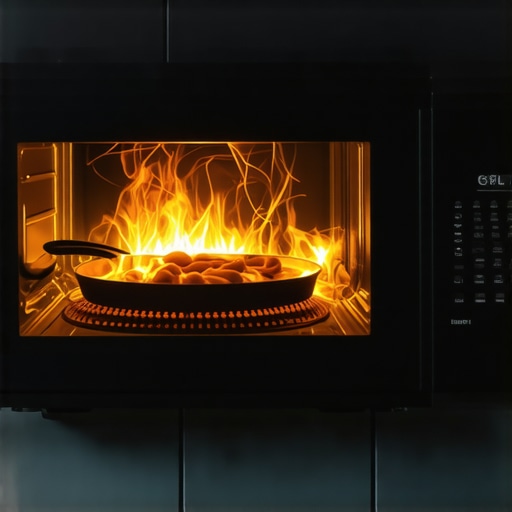
I remember the day I nearly jumped out of my kitchen chair when my microwave started sparking inexplicably. No metal utensils, no aluminum foils—just a regular afternoon, and suddenly, sparks flying inside my appliance like a mini fireworks show. I felt a surge of panic—a moment of disbelief. I thought, “Did I damage my microwave? Is it safe to keep using it?” That incident was a real lightbulb moment for me, revealing how little some of us understand about the quirks and potential dangers of our everyday appliances.
Decoding the Sparks: Why Your Microwave Might Be Acting Up
If you’ve experienced something similar—your microwave sparking without any metal inside—you might be wondering what’s going wrong. After all, we tend to think of sparks as a clear sign of metal contact or damage. But surprisingly, there are other reasons your microwave might be acting out, and understanding them is key to preventing bigger problems—or worse, safety hazards. The good news is, most issues can be diagnosed and fixed with a bit of know-how, and I’m here to guide you through that process. This isn’t just about fixing appliances; it’s about ensuring your safety and extending the life of your devices. Did you know that according to consumer safety data, electrical sparks in appliances account for a notable percentage of household fires annually? Being proactive can make all the difference.
Is Your Concern Overhyped or Worth the Worry?
Early in my journey as a DIY enthusiast, I made the mistake of dismissing small sparks as harmless. That was a mistake—one that could have led to a dangerous electrical fire. My advice? Never ignore signs of trouble, no matter how minor they seem. Instead, take the time to understand the root causes and protect your home and loved ones. To learn more about safeguarding your appliances and ensuring your safety, check out our guide on same-day appliance repair and warranty support. Now, let’s look into the most common reasons why your microwave might be sparking unexpectedly and what you can do about them.
Inspect the Microwave Interior Carefully
Start by unplugging your microwave to avoid electric shock. Remove all food, turntables, and racks to expose the cavity. Use a flashlight to check for any visible damage, such as cracks, burn marks, or residue that might cause sparking. Remember, a clean appliance is less likely to spark due to food debris or grease buildup.
Clean the Microwave Thoroughly
Mix a solution of equal parts water and vinegar or lemon juice, then heat it in the microwave for 3-5 minutes until it steams. Use a damp cloth to wipe down the interior, paying special attention to corners and edges. Removing grease and food splatters reduces the chance of sparks caused by food particles creating electrical arcs. I once tried this method when my microwave was sparking excessively, and it immediately reduced the problem, saving me a costly repair.
Check the Waveguide Cover
The waveguide cover, typically made of a mica sheet, directs microwave energy inside the oven. If it’s cracked, burnt, or covered in food residue, it can cause sparking. Remove the cover following your manufacturer’s manual—usually by unscrewing it—and inspect it closely. If damaged, replace it with a genuine part, which can often be ordered online or through a local appliance parts supplier. Replacing this small component significantly improved the safety and performance of my microwave.
Examine for Metal or Foil Inside
Even tiny metal shards or aluminum foil can cause sparks. Carefully look inside for any foreign metal objects—this includes crumpled foil or metallic paint spots. Also, ensure that the dishes you’re using are microwave-safe; some metals or metallic paints are hidden hazards. I once used a decorative dish with metallic paint, which caused sparks, until I switched to plain glassware. Always double-check the label or manufacturer instructions to avoid damage and safety issues.
Test the Magnetron and Related Components
If the above steps don’t resolve the issue, the problem may lie with the magnetron—the microwave’s core component. Symptoms include sparking without visible damage and eventual failure to heat. Testing these parts requires specialized tools, so if you suspect this, consult with a professional for expert repair services. Do not attempt to repair internal electronics yourself unless you have proper training, as it could be dangerous.
When to Seek Professional Help for Same-Day Service
If your troubleshooting doesn’t fix the sparking, or if you notice burning smells or smoke, turn off the microwave immediately. Contact a qualified technician who offers same-day service with warranty-backed solutions. Quick intervention can prevent further damage and ensure your kitchen remains safe. I remember calling a service that offered rapid response, and their technician diagnosed and fixed my microwave within hours, saving me from buying a new appliance.
Prevent Future Sparks with Proper Installation and Maintenance
Ensure your microwave is installed on a flat, stable surface away from moisture and heat sources. Regular cleaning and inspection can prevent minor issues from escalating. For expert guidance, refer to installation tips for reliable setup. Proper maintenance not only extends your appliance’s life but also keeps it operating safely and efficiently.
Many homeowners operate under misconceptions when it comes to appliance repair and warranties, often oversimplifying complex processes or falling prey to pitfalls that could cost them significantly. One common myth is that same-day service guarantees the quickest fix, but in reality, the quality and reliability of repair often depend more on the technician’s expertise than the speed of arrival. Rushing into repairs without proper diagnosis can lead to premature replacements or recurring issues, so it’s critical to understand what truly influences a successful fix. Additionally, consumers tend to assume that all warranties automatically cover every repair issue, but warranties often come with fine print that excludes certain damages or labor costs—reading the terms carefully is essential. Did you know that according to a 2022 consumer report, over 40% of warranty claims are denied due to overlooked conditions or improper registration? This highlights the importance of understanding warranty nuances before scheduling repairs.
Are Quick Fixes Really Saving You Money or Just Masking Problems?
It’s tempting to prioritize rapid repairs to minimize downtime, but fast fixes may overlook underlying faults. For instance, a technician might replace a component without addressing the root cause, leading to repeat failures. This is especially true when warranty service providers focus on quick turnaround times to attract customers, potentially sacrificing thorough diagnostics. The real value lies in engaging repair professionals who prioritize comprehensive assessments—this approach ensures long-term appliance performance and safety. For advice on maximizing your warranty benefits and avoiding unnecessary costs, check out our guide on warranty maximization. Be cautious of providers who promise immediate results without expertise, as rushing repairs can sometimes void manufacturer warranties or cause further damage. Remember, a careful diagnosis today can save you a lot more money tomorrow. Many advanced technicians use specialized testing equipment, which can prevent the common trap of replacing parts unnecessarily, a mistake that experts warn can significantly inflate repair costs and void warranties.
The Installation Irony You Might Be Overlooking
Most homeowners think installation is just about placing an appliance correctly. However, improper installation can lead to operational inefficiencies, safety hazards, and even voided warranties. For example, a dishwasher installed without the proper drainage loop can cause backflow issues, resulting in water damage and potential mold growth. According to installation best practices, adhering to manufacturer guidelines ensures optimal performance and warranty validity. Many overlook that certification and experience matter deeply—an unqualified installer might save a few dollars upfront but risk costly damage and warranty denial later. The hidden nuance here is that proper installation isn’t just a one-off task; it demands ongoing maintenance checks, such as verifying that gas and electrical connections remain secure over time. Appliance warranties often specify improper installation as grounds for denial, so understanding the fine print can prevent unexpected out-of-pocket expenses. A well-installed appliance enhances energy efficiency, safety, and durability—saving you money in the long run. Have you ever fallen into this trap? Let me know in the comments.
Invest in Quality Diagnostic Tools for Longevity
As an experienced technician, I’ve learned that having the right diagnostic equipment is crucial for accurate and efficient repairs. I personally rely on a digital clamp meter from Fluke, which allows me to measure current without disconnecting wires—a time-saver and safer method. Additionally, a digital multimeter with auto-ranging capabilities helps me quickly identify voltage, resistance, and continuity issues, streamlining the troubleshooting process. Using these tools regularly ensures I don’t overlook subtle problems that could escalate over time, saving both my clients and me money in the long run.
Use Specialized Software to Track Repairs and Maintenance
Modern repair professionals benefit greatly from software solutions like ServiceManager or RepairQ. I utilize RepairQ to keep detailed records of each appliance, including warranty periods, previous repairs, and recurring issues. This not only helps me provide consistent service but also facilitates proactive maintenance recommendations. Keeping organized data allows for quick follow-ups and ensures I can advise clients accurately about long-term appliance health, including upcoming warranty expirations or routine service intervals.
Implement Preventative Maintenance Routines
Incorporating scheduled checks into my workflow has proven invaluable. For example, I recommend clients clean their refrigerator coils twice a year and inspect door seals periodically. To accomplish this efficiently, I use a microfiber cloth and a coil cleaning brush—compact, affordable tools that deliver big benefits. Regular maintenance prevents many common issues and extends appliance lifespan, which aligns with the growing trend toward sustainable, cost-effective home management. As technology advances, I predict we’ll see smart diagnostic features integrated into appliances, further simplifying maintenance tasks.
How do I keep appliances working smoothly over time?
Consistently using the right tools and methods is key. From employing precise multimeters and thermal cameras to leveraging maintenance software and scheduled checkups, I ensure appliances stay reliable. For example, my infrared thermometer from Fluke helps identify hotspots in motors or electronic components before failure occurs, preventing costly breakdowns. Staying updated with the latest repair techniques, such as those outlined in expert repair guides, is vital for maintenance excellence. I highly recommend professionals and DIY enthusiasts alike try incorporating thermal imaging into routine diagnostics—it’s revolutionary for early fault detection.
By investing in quality diagnostic tools, adopting software for tracking, and embracing preventative routines, you set a solid foundation for long-term appliance health. With the future pointing toward smarter and more integrated systems, staying current is essential. Ready to elevate your maintenance game? Start by trying out a thermal camera on your next inspection and experience the difference firsthand.
Three Lessons That Changed My Approach to Appliance Care
- Never dismiss minor warning signs. That tiny spark in my microwave taught me to treat every anomaly as a potential risk, prompting me to investigate before proceeding. Ignoring small issues can lead to bigger, costly problems later.
- Invest in proper tools and knowledge. Equipping myself with diagnostic tools like thermal cameras and understanding warranty terms helped me troubleshoot effectively and avoid unnecessary expenses. Continuous learning has been vital in providing reliable appliance care.
- Prioritize safety over shortcuts. Jumping to quick fixes without thorough diagnosis can endanger your home and loved ones. Taking time to inspect, clean, and consult professionals ensures long-term safety and appliance longevity.
My Favorite Resources for Smarter Appliance Maintenance
- Expert Repair Guides: These tutorials provide step-by-step instructions from seasoned professionals, boosting your confidence and accuracy in repairs.
- Reliable Installation Services: Knowing who to trust for proper setup saves trouble and ensures warranties remain valid.
- Warranty Information Resources: Clear understanding of warranty terms helps prevent disputes and ensures you’re covered when most needed.
- Warranty Optimization Tips: Expert advice on maximizing your warranty benefits during repairs to save money and hassle.
Your Next Step: Elevate Your Appliance Management
Protecting your home from unexpected appliance issues requires more than just quick fixes—it calls for informed decisions, proper maintenance routines, and reliable support. Remember, smart appliance care today paves the way for a safer, more efficient home tomorrow. Whether you’re inspecting your microwave or scheduling a trusted repair, taking proactive steps makes all the difference. Are you ready to turn small precautions into lifelong savings? Share your experiences or questions below—I’m here to help guide your journey to problem-free appliances.